
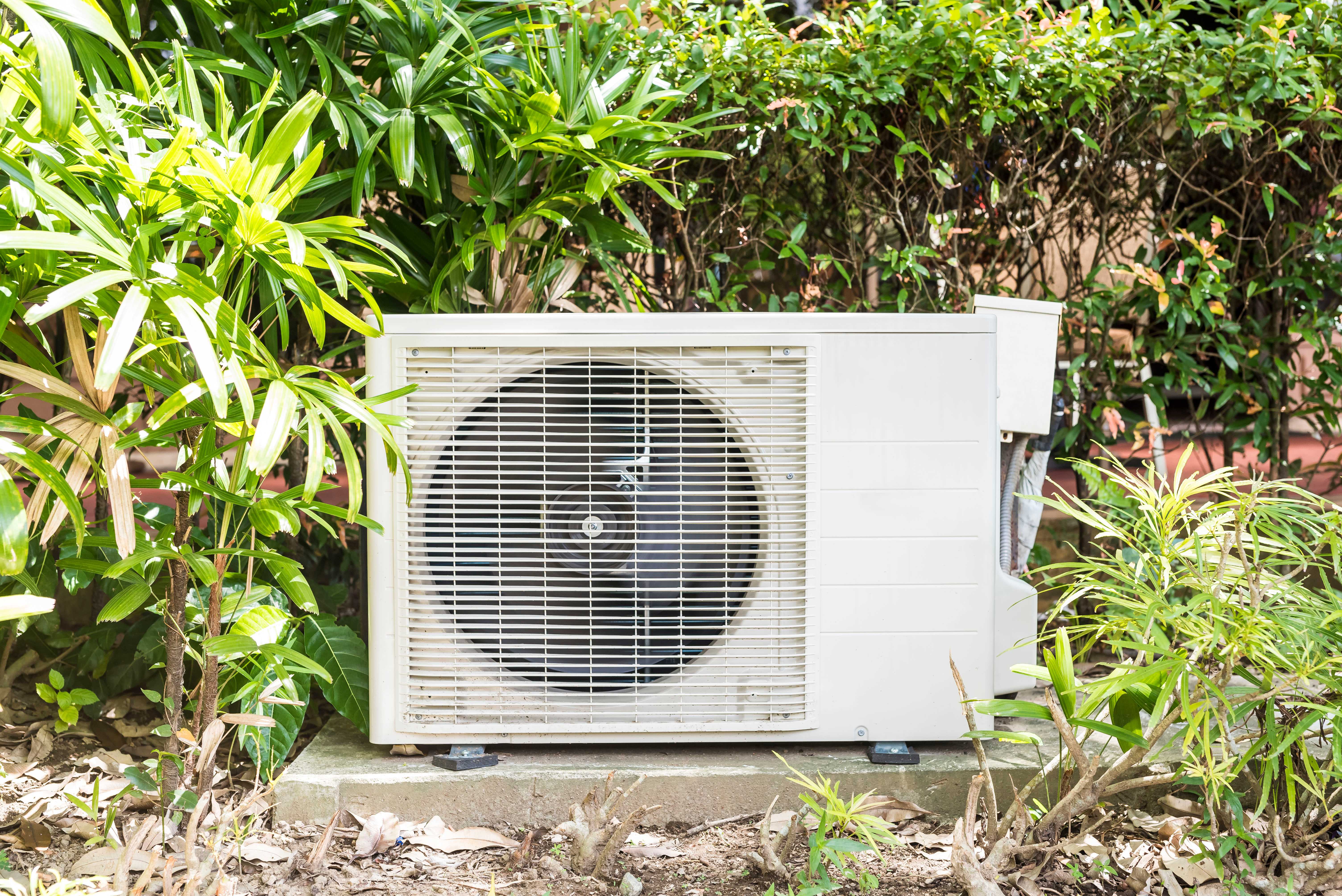
Not sure how much to budget for a new air conditioner? Learn about the average AC replacement costs in Boston, Massachusetts, in this guide.
Heating and air conditioning service costs depend on your project and location. Check with a local pro for your specific job.

A single-zone mini-split unit in Boston, MA, costs between $3,000 to $6,500 per unit.
Some properties may require additional mini-split zones, which have the biggest impact on the overall installation budget.
Don’t forget to budget for local permits and required inspections, which range between $250 to $600.
Hiring an HVAC specialist in Boston, MA, ensures a safe installation, offering a 50% to 75% return on investment (ROI).
Boston, MA, homeowners planning to install a mini-split system can expect costs generally in line with national averages, with some variation due to local conditions. In Boston, MA, mini-split installation costs range from $2,166 to $5,415, with most homeowners paying an average of $3,249.
Several factors can influence the total price, including the size of your property, the number of zones required, and the overall complexity of the installation. Labor rates in the Boston, MA, area may impact final costs. The need to accommodate both humid summers and cold winters can also affect overall project pricing. Additional upgrades, such as high-efficiency units, can also increase the overall price while improving year-round comfort.
The final price of your mini-split installation in Boston, MA, depends on several factors, including the number of zones, unit size, and efficiency. Let’s take a closer look at how these affect the overall cost.
You and your HVAC team will likely start by examining the correct mini-split configuration for your home. Tiny homes or those with an open floor plan may only require a single-zone system, while homes that need multiple thermostats will require more. The mini-split’s location will also determine the product's cost. Keep in mind that these prices do not include installation costs.
| Type | Average Cost |
|---|---|
| Single-zone | $3,000–$6,500 |
| Multi-zone | $7,000–$14,000 |
| Wall-mounted | $3,000–$9,500 |
| Ceiling-mounted | $4,500–$14,000 |
| Floor-mounted | $3,500–$7,500 |
| Ceiling cassette | $4,000–$12,500 |
Ductless mini-split installation is determined mainly by the size of the system.
| Unit Size (BTUs) | Average Cost |
|---|---|
| 6,000 | $900–$1,800 |
| 9,000 | $1,000–$2,000 |
| 12,000 | $1,100–$2,400 |
| 18,000 | $1,400–$3,200 |
| 24,000 | $1,800–$3,800 |
| 30,000 | $2,200–$4,500 |
| 36,000 | $2,500–$5,200 |
| 42,000 | $3,500–$6,500 |
The average 12,000 BTU unit will cost about $1,750. Ductless cooling systems cost about 30% more than new ductless systems and nearly twice as much as standalone window ACs, so consider your energy bill when budgeting for the long term.
The advantage of a multi-split or multi-zone system is that it allows you to have different cooling areas in your home. Up to five indoor units can be attached to each outdoor unit; most systems have at least one indoor unit. Additional units can cost between $800 and $2,500. More powerful condensers are needed to run more than five units at a time, which can increase costs.
When deciding how many rooms you need cooled in your home, you can choose between a single-zone and a multi-zone mini-split system. An HVAC professional can assess each room's square footage to ensure the right fit. More zones lead to higher costs, with single-zone units ranging from $3,000 to $6,500 and five-zone units from $11,000 to $15,000.
| Number of Zones | Average Cost |
|---|---|
| 1 | $3,000–$6,500 |
| 2 | $5,500–$8,500 |
| 3 | $7,000–$10,500 |
| 4 | $9,000–$12,500 |
| 5 | $11,000–$15,000 |
The efficiency of a mini-split unit significantly impacts its overall cost. A higher Seasonal Energy Efficiency Ratio (SEER) rating means lower monthly energy costs due to increased efficiency. You should factor this in when choosing a unit, especially in a region with extreme temperatures, where a higher SEER-rated system may be cost-effective.
Energy-efficient units save money in the long run and often even qualify for utility rebates and government tax credits. However, they may come with a higher upfront cost. Be sure to balance your budget with long-term savings when making a decision.
A ductless mini-split AC system comprises three main parts: an outdoor condensing unit, inside air units, and refrigerant coolant lines to connect everything. They can be bought as a kit, or each part can be purchased individually as needed.
The average prices below are for parts only and don’t include labor for professional HVAC installation, which can cost between $500 and $3,000.
| Part | Average Cost |
|---|---|
| Outdoor unit | $2,000–$6,500 |
| Indoor unit | $800–$2,500 |
| Refrigerant lines | $15–$35 per foot |
| Installation kit | $400–$900 |
Homeowners in Boston, MA, should also factor local labor, permits, insurance, and other location-specific costs into their mini-split project budget. Here’s a breakdown of common expenses for Boston, MA, mini-split installation pros to add to the total cost.
Labor is a significant portion of the total cost for mini-split installation in Boston, MA, accounting for about 40% to 60% of the overall project cost. HVAC technicians in the Boston, MA, area generally charge between $100 and $200 per hour, or roughly $3,000 to $10,000 or more per project, depending on the complexity of the installation.
Licensed HVAC pros are the primary contractors responsible for mini-split installations in Boston, MA, as they specialize in heating, ventilation, and air conditioning systems, including ductless mini-split technology. These techs are well-versed in local building codes and the unique demands of New England’s climate, which often requires cold-climate heat pump systems designed for efficient year-round performance. Local pros can help homeowners evaluate system options, ensure proper sizing, and manage installation challenges common in older Boston-area homes.
Depending on the specifics of your mini-split installation project, you may need to hire additional professionals to ensure the system is installed safely and efficiently in your home. Here are a few specialists to consider, based on your exact needs:
General contractors may be necessary for multi-phase installation projects that require electrical coordination or structural changes. In Boston, MA, they charge $100 to $200 per hour.
Electricians are required if your mini-split system includes any electrical components, such as a panel or wiring upgrade. Electricians charge $120 to $220 per hour, depending on the complexity of the electrical requirements and the installation location.
In Boston, MA, permits are typically required for mini-split and HVAC installations to ensure compliance with Massachusetts building codes and local safety regulations. Permit costs in the Boston, MA, area range from $250 to $600, depending on the project scope, number of zones, and whether electrical upgrades are involved. Most homeowners in Boston, MA, choose to have their HVAC pro handle the permitting process, as they are familiar with local requirements, utility regulations, and inspection procedures.
In Boston, MA, installing a mini-split system can significantly increase a home’s value, especially in older properties that lack ductwork or central air conditioning, both of which are common throughout the city and surrounding neighborhoods. Industry estimates suggest that mini-split installations in markets like Boston, MA, offer a return on investment (ROI) of about 50% to 75%, depending on factors such as system efficiency and overall home condition.
These systems are highly valued in New England for their energy efficiency, ability to provide both heating and cooling, and strong performance in the local climate. In a competitive, high-cost housing market, energy-efficient upgrades that improve year-round comfort and reduce utility expenses are especially attractive to buyers and can help a home stand out during resale.
To help homeowners plan their next project, Angi provides readers with carefully researched cost data and upholds strict editorial standards. We start with national average project costs, which we collect by analyzing competitor information, retailer material costs, and input from professional contractors. We then apply local price index data to calculate location-specific estimates that reflect what homeowners typically pay in their local area. To do that, we use data from the U.S. Bureau of Economic Analysis (BEA), including its Regional Price Parities (RPPs), which measure price differences across cities. This helps us account for differences in labor, materials, and overall cost of living, so estimates in higher- or lower-cost areas better reflect real-world local pricing.
Every estimate undergoes a thorough editorial review to verify accuracy, consistency, and alignment with observed market conditions.
Want to help us improve our cost data? Send us a recent project quote to [email protected]. Quotes and personal information will not be shared publicly.
11 out of 10. Wafi has helped me at two different apartments and he is always great! Good communication, efficient work, and in this case especially high quality! I’m so happy with my AC unit in now and I’d trust Wafi every time. Thank you!!
 Wafi Handy Man
I hired this company to replace a 75-gallon gas water heater, and the experience was excellent. Scope of work: Removal and disposal of existing unit Installation of new Rheem 75-gallon gas water heater Reconnection of gas, water, and venting The team was prompt, professional, and clearly...
They were first to respond and provided a prompt service. Thank you Ben and Boston Plumbing - Heating!
 Boston Plumbing - Heating Solutions
My roommates and I were looking for a deep clean of our apartment and are super happy with how it turned out! Fairly priced, friendly, and easy to book. Would recommend Silva cleaning to anyone looking for an apartment refresh!
 Silva Cleaning
Paul came over my property to assess a heating system. He ended up telling me that I will need to replace thee whole system. He placed an on demand heating water and a hydro air heating system. The system would turn off every week. He went back to my property at least 5-6 times. ultimately,...
 Paul Cucinelli DBA Volksheim Home Improvement
I own a rental property in Boston and recently had a heating system issue. I was able to quickly get in touch with Aaron, told him that my tenant has a small child, and while Aaron was on the road in RI, he made an effort to stop by the place to fix the issue that same night. It meant the...
My heating stopped working on New Years Day. I went online in search of a Hvac repair service after searching multiple companies I chose Greater Boston HVAC. I called and spoke to Alex and discussed my problem. One hour later he arrived at my apartment, Alex checked system and found problem,...
 Greater Boston HVAC, Inc.
Cozer Cleaning Services will clean your home or commercial property far beyond your expectations. Karla and her team are incredibly professional, and leave everything spotless â their attention to detail (including details Iâ d never have thought of) is amazing. I have been lucky enough to...
 Cozer Cleaning Service Inc.
Large rooms with 13ft ceilings, extensive moldings at ceiling and at floor, pocket doors, large window frames , walls, and radiators. Minor Ralda, the owner, clearly explained who and how the work would be done and gave a detailed cost sheet and explsnatiin for each section of the...
 Ralda's General Service, Inc.
Doctor Plumbers scheduled a home visit to service an air conditioning condenser. They examined the unit and then charged me over $800 for routine maintenance. It seemed like an unusually high amount, but I did not have any comparison quotes, and they were on-site, so I agreed. I later learned...
 Home Service Doctors incorporated
From average costs to expert advice, get all the answers you need to get your job done.
Not sure how much to budget for a new air conditioner? Learn about the average AC replacement costs in Boston, Massachusetts, in this guide.
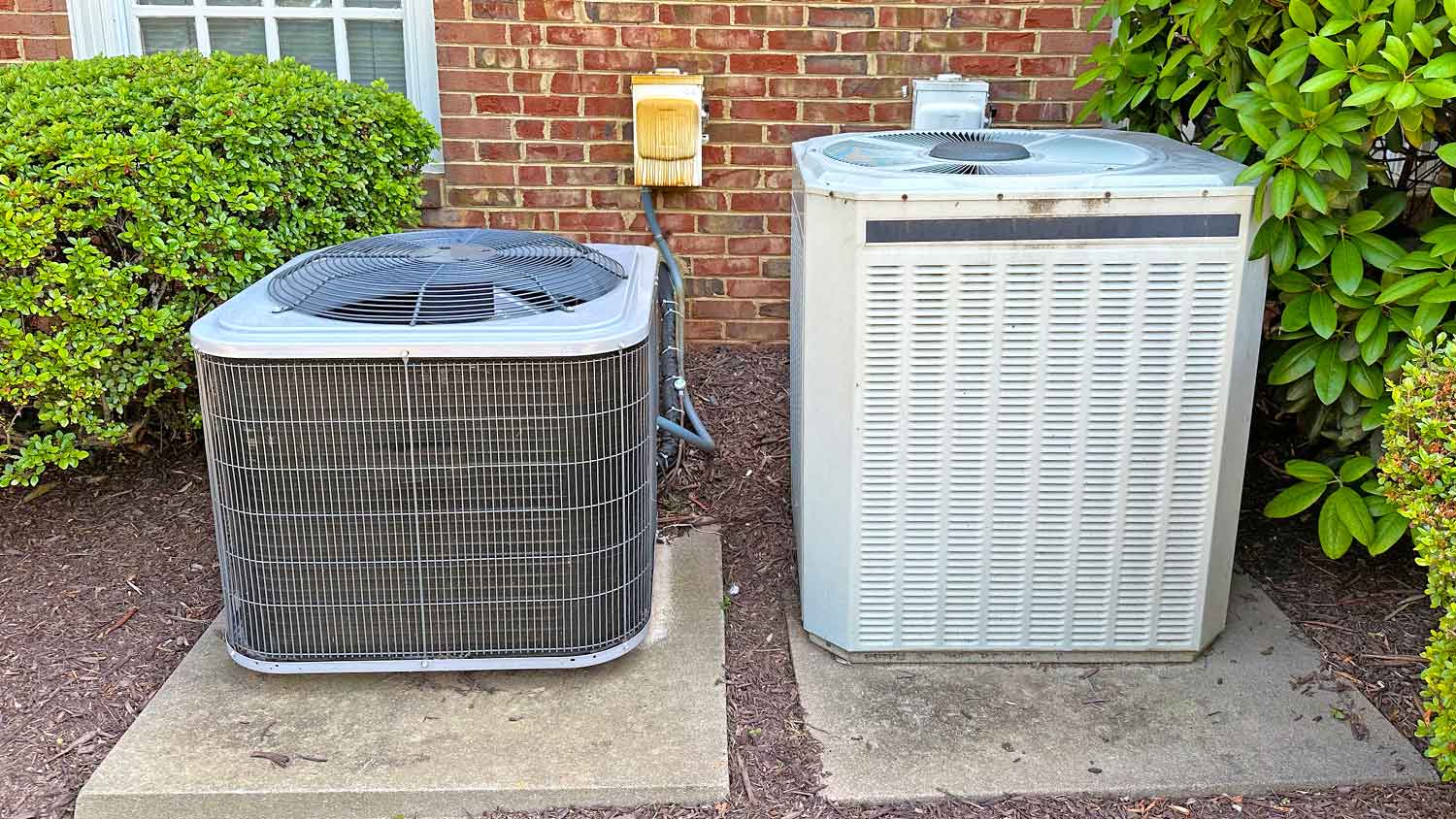
When determining the AC coil cleaning cost in Boston, MA, you’ll need to factor in the size, cleaning method, and type.

If your air conditioning unit isn’t functioning properly, you might need an AC recharge. Our guide will detail what a typical AC recharge cost in Boston, MA looks like.

Review the disadvantages of mini-split systems as well as the benefits before buying. Review our breakdown of the mini-split pros and cons.

Thinking about a ductless mini-split heating installation? Learn about zoning options, costs to expect, and how to hire the right local HVAC pro.
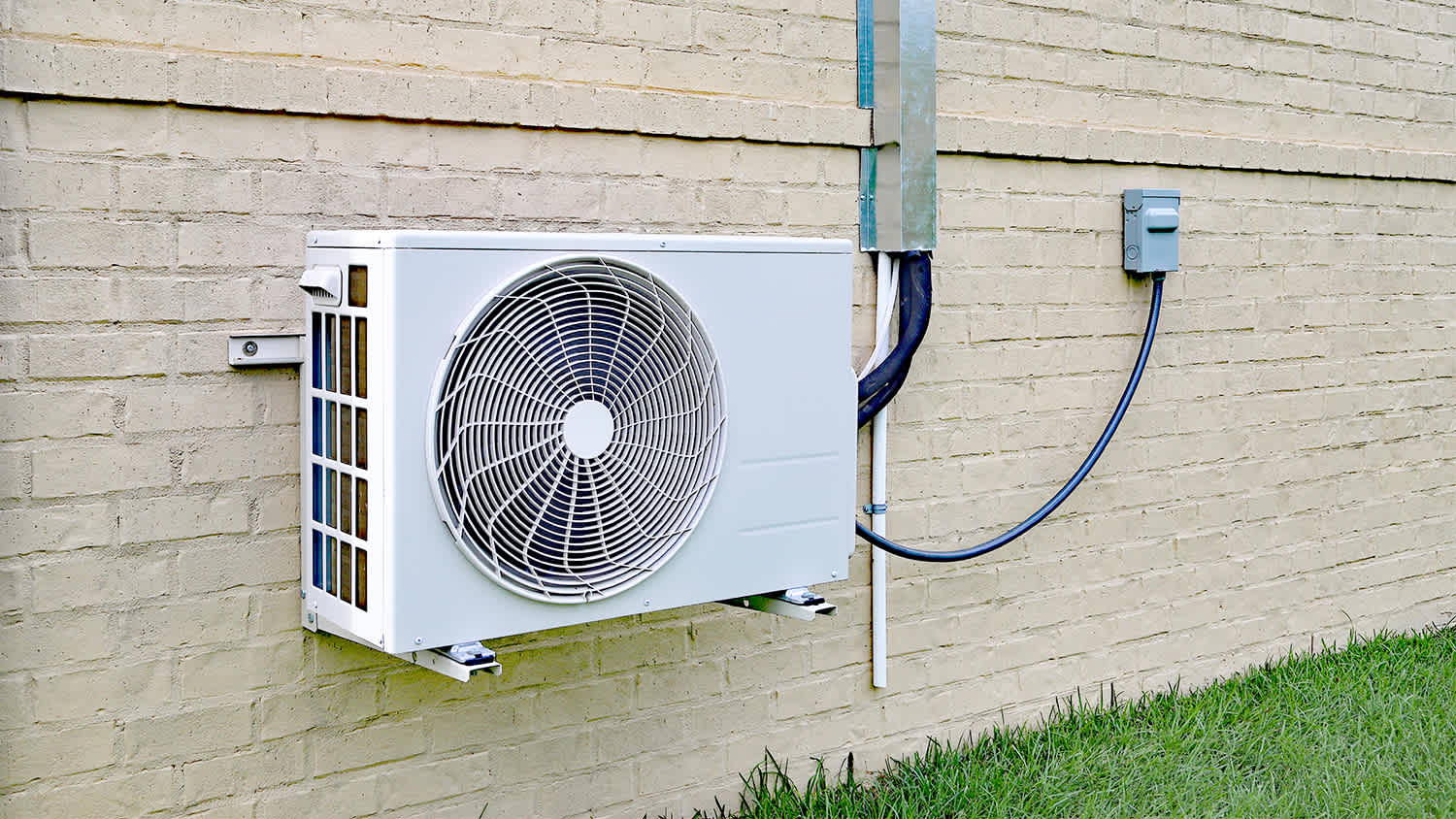
Adding a ductless mini split can be the right choice for a home addition or small space. Review these ductless mini split questions to prep for talking with a pro.