
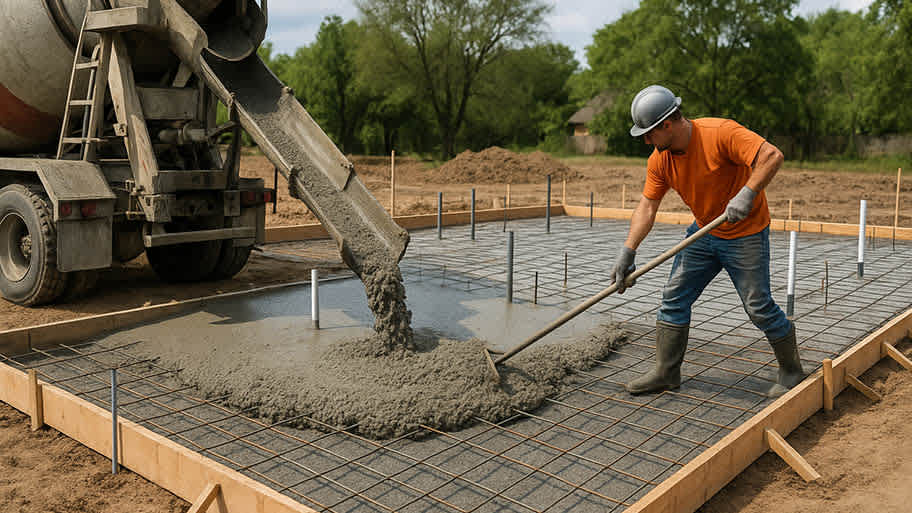
A foundation for a new-build home averages around $7,427. Find out all the factors that affect the cost of a foundation in Dallas, TX and how to save money.
Basement waterproofing costs depend on your project and location. Check with a local pro for your specific job.

Crawl space encapsulation in Dallas, TX, costs $2 to $10 per square foot, with condition and crawl space size affecting the total.
Expansive clay soil and heavy storms often cause foundation cracks and drainage issues that require repair before sealing begins.
Budget for add-ons like sump pumps ($60–$410) or a dehumidifier ($825–$3,090) if your crawl space has water intrusion or moisture issues.
Hiring a local crawl space encapsulation contractor in Dallas, TX, ensures shifting soil and moisture problems are addressed before they worsen.
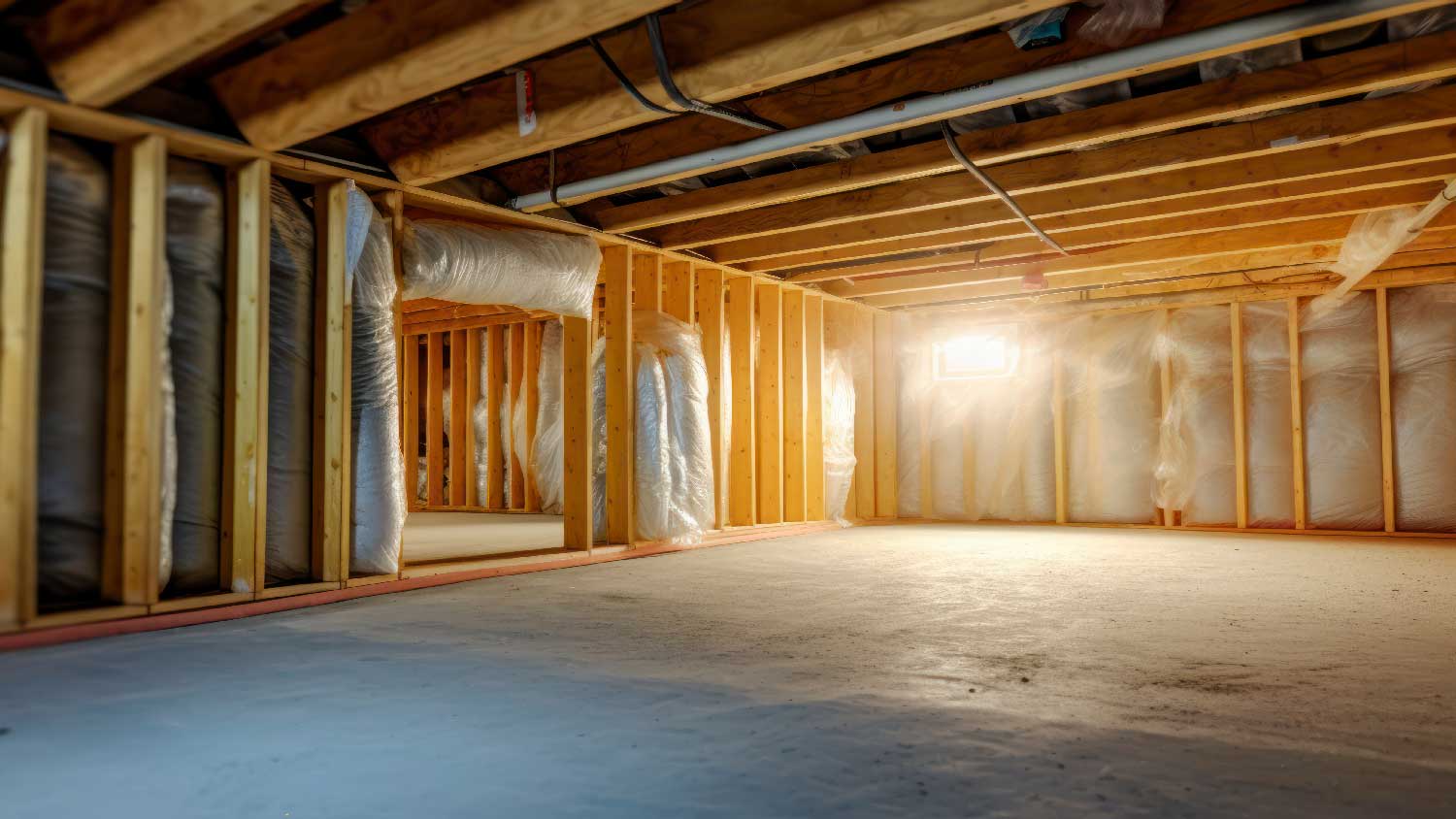
The cost of crawl space encapsulation in Dallas, TX averages $5,671, with most homeowners spending between $5,155 and $15,465. In this area, expansive clay soil and intense heat often lead to shifting foundations, cracks, and higher temperatures under the home, so encapsulation projects here can be complex. Final costs often depend on how much movement or damage has occurred and what’s needed to stabilize and protect the space long term. This guide covers these and other cost factors so you can properly budget for this project.
Several factors affect the cost of crawl space encapsulation. The space’s size is one of the biggest factors, but its condition and whether any repairs are needed can also impact costs.
Basic crawl space encapsulation costs between $2 and $4 per square foot, while more extensive encapsulations can total between $3 and $10 per square foot. The latter normally involves more substantial cleaning, repairs, and requested features. No matter the extent of the work you need done, though, larger crawl spaces will cost more to encapsulate.
Here’s the average crawl space encapsulation cost based on size:
| Crawl Space Size (Sq. Ft.) | Encapsulation Cost |
|---|---|
| Small (1,000) | $2,060–$10,310 |
| Medium (2,000) | $4,120–$20,620 |
| Large (3,000) | $6,180–$30,930 |
If your crawl space has pests, mold, or other problems that your professional needs to address, you should expect to add costs for cleaning and inspection. Your prices will be lower if your crawl space is in good condition beforehand, and your expert can jump right into waterproofing rather than spending time on a thorough clean-up first. Here’s how repairs can affect your crawl space encapsulation costs:
| Type of Repair | Cost |
|---|---|
| Vent issues | $105–$515 |
| Sealing cracks | $205–$1,030 |
| Pests | $515–$10,310 |
| Mold issues | $1,030–$3,610 |
| Water damage | $1,030–$10,310 |
| Sagging floor | $1,545–$10,310 |
| Waterproofing | $1,545–$7,220 |
| Structural repairs | $1,545–$16,500 |
In Dallas, TX, a simpler encapsulation usually involves laying down a vapor barrier and sealing off vents, which works when the crawl space doesn’t have existing moisture problems or damage. More extensive projects address issues such as drainage, insulation, and structural repairs before the space is sealed, which increases both labor time and material costs.
Because Dallas, TX, homes often deal with shifting soil and occasional water intrusion rather than constant dampness, the scope of this project can vary quite a bit. A crawl space encapsulation pro in Dallas, TX, can evaluate the specific conditions in your crawl space and determine how much work is actually needed.
One of the main things that will influence the cost of crawl space encapsulation in Dallas is the materials you use. The materials you need will vary depending on what you need your professional to do as part of the encapsulation. Here’s a breakdown of cost estimates for different crawl space encapsulation materials, though your crawl space pro can explain in more detail:
| Material | Cost |
|---|---|
| Spray foam insulation | $1–$2 per sq. ft. |
| 20-millimeter vapor barrier | $1–$2 per sq. ft. |
| Vent covers | $40–$50 each |
| Insulation board (2-inch thick) | $26 each |
| 4-inch vapor bond tape | $50 per roll |
| Pedestal sump pump | $60–$175 |
| Submerged sump pump | $105–$410 |
| Dehumidifier | $825–$3,090 |
| Ductwork | $465–$2,060 |
Properly preparing for your crawl space encapsulation in Dallas will help ensure that your project is a success. Before contractors begin work, you should first make sure that they will be able to access the area easily. This might mean moving furniture pieces around or emptying out a closet, depending on where the entryway is located.
Next, your contractor will need to take care of any problems before tackling the actual encapsulation. If you have any issues like standing water, damage to electrical or plumbing systems, or rotting wood, you need to fix the source of the problem. Repairs can cost anywhere from $205 to seal a foundation crack or install an outlet for a sump pump or dehumidifier to over $10,310 if you need to bring in specialists like pest control or mold remediation pros before encapsulation can begin.
On average, homeowners pay $4,740 for foundation waterproofing, but the cost can range from $1,545 to $15,500, depending on the system's complexity and the home's size. You can figure out the best option for your home by contacting a local basement waterproofing contractor.
Sealing any vents and air leaks ensures the space is fully encapsulated and that you won’t have ongoing moisture and mold issues under your home. You can expect to pay $15 to $25 per vent cover if you install them yourself or between $40 and $50 each if you have your professional install and seal them.
It’s important to remember there are costs to consider beyond those up-front costs that come along with the encapsulation, and it’s wise to budget for them in advance to prevent any surprise charges from popping up. From maintenance to repairs, here are some ongoing costs to consider for a crawl space encapsulation.
Whether your crawl space encapsulation project is equipped with a sump pump, drainage pipes, or other methods of water removal, there will likely be ongoing costs for the system’s maintenance. Ensuring the drainage system is working properly is important to avoid any excess moisture from accumulating. Budgeting between $515 and $825 every five to ten years is a good way to ensure repairs are covered.
If there is a pest infestation in your crawl space prior to completing the encapsulation project, expect to spend an average of $390 to cover the cost of removing animals.
After that, regular check-ins with pest control specialists are something you’ll likely want to spend some money on down the line to ensure everything is clear. That’s especially true if you discover insects in your crawl space. Ongoing pest control can do wonders for keeping insects out of your crawl space, but the service costs $310 to $565 annually for around-the-clock protection.
If you have mold in your crawl space before encapsulating, you may need to pay for a mold inspection every so often to ensure the issue isn’t returning. A mold inspection will cost between $155 and $310. Luckily, your encapsulation should decrease the risk of mold growth in the area, so you could plan on an inspection every three to five years.
Routine inspections, aside from those for pests and mold, are an essential ongoing cost after a crawl space encapsulation in Dallas. Hiring a professional inspector to check for things like damaged insulation, ductwork issues, and moisture content will cost around $105 to $310 and can help keep your crawl space in tip-top shape.
Your encapsulation will often include a professional cleaning beforehand, but you should also budget for routine cleanings to keep your space neat and tidy. A one-off crawl space cleaning costs $4,120, on average, but after encapsulation, the cleaning process becomes a lot easier and should no longer include mold or pest removal. Budget between $155 and $310 every few years for ongoing cleaning services.
In Dallas, TX, most of what you’re paying for with crawl space encapsulation comes down to labor rates, which can increase when the space needs repairs, system upgrades, or any prep work before the actual encapsulation can start. But permit fees can also contribute to your final costs.
Labor makes up between 50% and 70% of the total encapsulation costs in Dallas, TX, or between $3,090 and $4,330. Labor costs will increase from there if you need extensive prep work done before the actual encapsulation. You’ll see the highest labor costs—up to $21,650—if you need structural repairs, mold remediation, and pest remediation before your professional can start the encapsulation.
In Dallas, TX, crawl space encapsulation may require a permit if the project includes electrical, plumbing, or structural work, and fees are typically tied to the scope of that work rather than a flat rate. Before you begin any work, it’s best to check with your local building department or ask your professional if you need permits. Permits for crawl space encapsulation will cost between $100 and $500.
Crawl space encapsulation isn’t always a one-contractor job. If there’s an infestation, you’ll probably need to hire a pest control company, and if there’s mold, you’ll need to hire a mold remediation specialist. Meanwhile, any structural issues will require a structural engineer to safely assess the space before work can begin. That work can add to both the timeline and total cost.
Buyers in Dallas, TX, often pay close attention to a home’s foundation condition, especially in homes built on expansive clay soil, which can cause foundations to crack and shift. While crawl space encapsulation won’t directly raise your home’s value, it can help reduce concerns about moisture, pests, and long-term structural wear underneath the house. That can make inspections go more smoothly and remove potential sticking points during a sale.
To help homeowners plan their next project, Angi provides readers with carefully researched cost data and upholds strict editorial standards. We start with national average project costs, which we collect by analyzing competitor information, retailer material costs, and input from professional contractors. We then apply local price index data to calculate location-specific estimates that reflect what homeowners typically pay in their local area. To do that, we use data from the U.S. Bureau of Economic Analysis (BEA), including its Regional Price Parities (RPPs), which measure price differences across cities. This helps us account for differences in labor, materials, and overall cost of living, so estimates in higher- or lower-cost areas better reflect real-world local pricing.
Every estimate undergoes a thorough editorial review to verify accuracy, consistency, and alignment with observed market conditions.
Want to help us improve our cost data? Send us a recent project quote to [email protected]. Quotes and personal information will not be shared publicly.
We had a water damage in our garage ceiling due to AC leak. We found Manny from Angi. He is the perfect guy for this. He came on time, gave a great price and completed the job with excellent result in the promised time. We have our garage back. I will call him for any future job and will...
 Manny's Construction
This was project accomplished on a 102 year old Tudor home. Foundation completely repaired; exterior rejuvenated; added complete outside drainage system and French drains around exterior; added upstairs( full bath and living space/bedroom) in former attic space. Carpenters and framers and...
 Polgam
Did a good job installing lawn drains to prevent any puddles in my lawn!
 Montoya Drains and sprinklers
Just put SFS sprayed my shop and they were not only very professional but also very kind and helpful with every question I had along the way. I would use SFS again for my future projects- if you’re looking for foam insulation, these are your guys!
 Spray Foam Solutions
Had old blown in insulation removed. The guys were very nice and professional. Got the job done and did it well. Highly recommend.
 DFW Insulation Pros
Very happy with their work. My old vent was a mess and dumping lint in my basement. Plus the vent was built into the deck. They spent all morning resolving the issues, installing a new vent and pipe. They were professional, clean and I thought their pricing was fair. I will use them to clean...
 Fresh Air Duct Cleaning
They did our entire backyard. We have multiple elevations, a pool, a deck and a play area for the kids. None of that seemed to be an issue. The installation was done quickly and efficiently and it looks gorgeous in our backyard all year long. We have two dogs large and medium and itâ s been...
 Synthetic Grass DFW
Mr. Kenneth Barrett and his team responded quickly and efficiently when our home developed a leaky roof after a recent heavy downpour. They brought in their equipment to dry out the affected rooms and ensured that there was no growth potential for mold. Very happy with the care they...
 Canco Construction, LLC
I had water damage in July, and as a result, I had to get subfloor, flooring, kitchen cabinets, countertops, backsplash, and baseboards replaced. Painting was done as well. Albert and his crew were incredibly detail oriented, professional, and did phenomenal work! My downstairs looks AMAZING,...
 Fernandez Remodeling & Painting
A lovely, independent, local husband and wife team. Water was seeping into my house after heavy rainstorms, causing some minor interior wall damage. They found the hole in the roof, provided a reasonable quote for time and materials, completed the roof repair and most of the interior work...
 ASR Roofing
From average costs to expert advice, get all the answers you need to get your job done.
A foundation for a new-build home averages around $7,427. Find out all the factors that affect the cost of a foundation in Dallas, TX and how to save money.
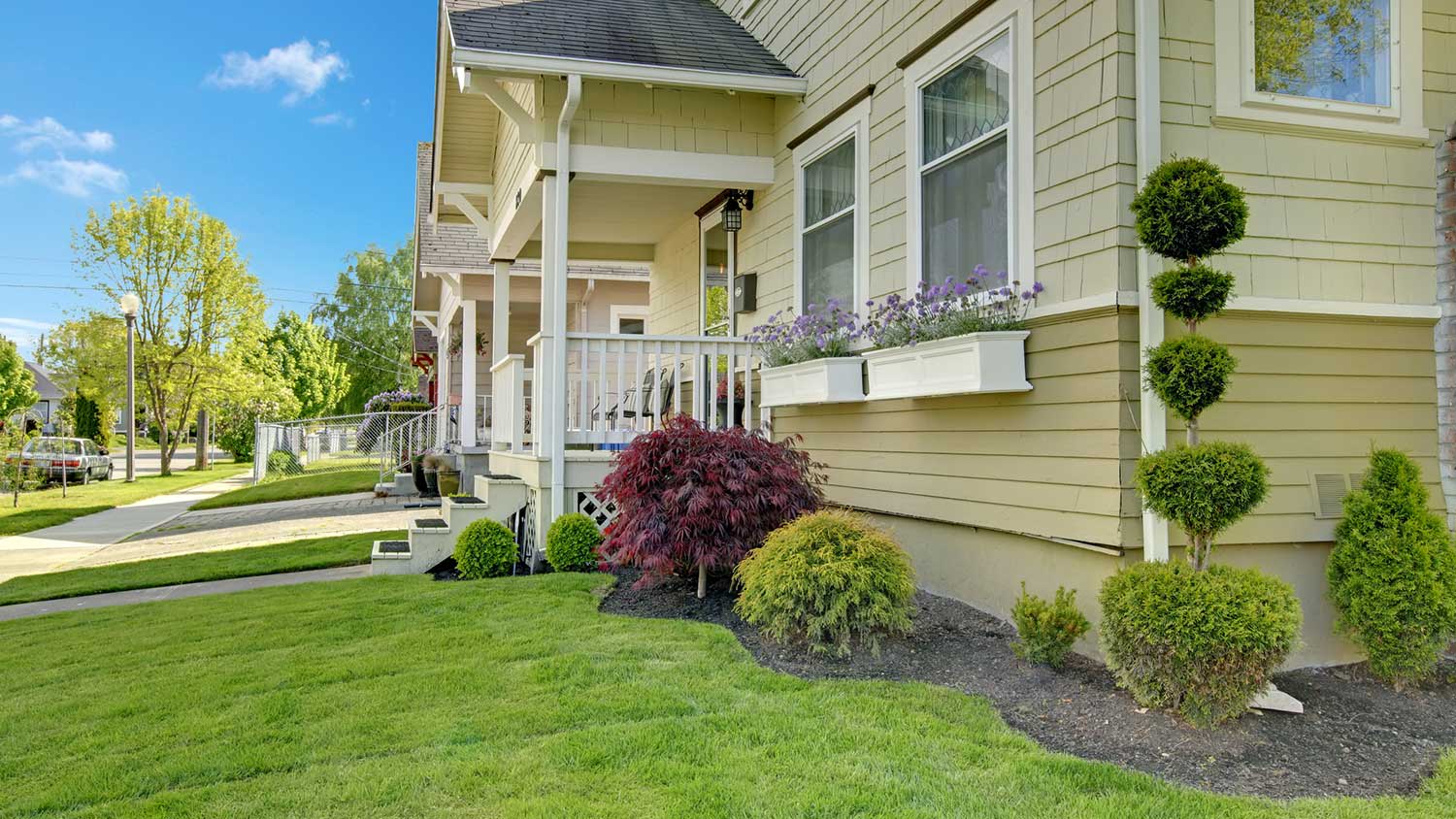
A variety of factors can affect your total crawl space encapsulation cost. Here’s a breakdown of the cost of this project, whether you hire a pro or DIY.
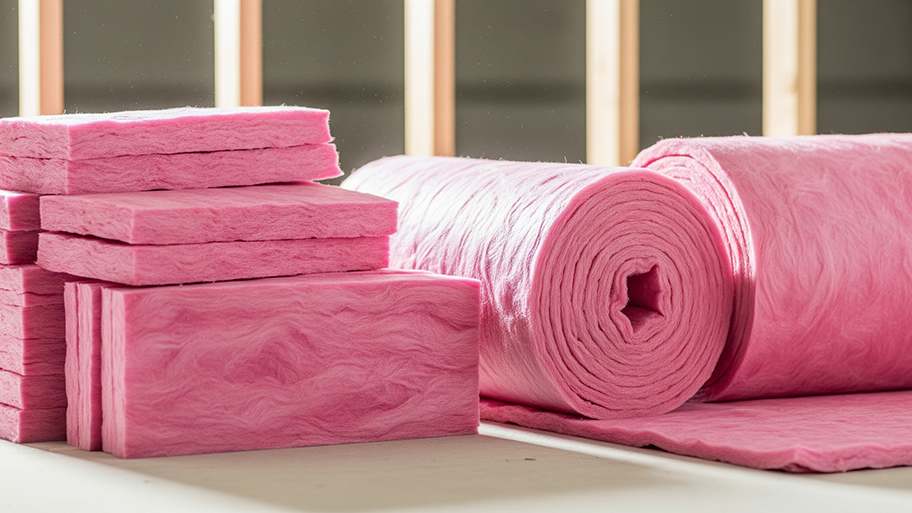
Crawl space insulation costs vary by size, insulation type, and material. Read this guide to learn how much your crawl space insulation could cost.

Crawl space encapsulation can make a big difference if you’re experiencing issues with mold, mildew, and pests. Here’s what you need to know.
Before investing in a pricey vapor barrier, does crawl space encapsulation add value to your home? The answer is a little more complicated than you expect.
Keeping your crawl space vents open or closed largely depends on the season, moisture, and existing ventilation. Learn why weather is a major factor.