
A variety of factors can affect your total crawl space encapsulation cost. Here’s a breakdown of the cost of this project, whether you hire a pro or DIY.
Basement waterproofing costs depend on your project and location. Check with a local pro for your specific job.

Crawl space encapsulation in Austin, TX, typically costs $2 to $10 per square foot, with larger homes increasing total costs.
Moisture control is a major factor, as high humidity and heavy rain often require additional drainage, waterproofing, or dehumidifiers.
Tree roots and shifting clay soil can lead to extra repairs before work begins.
Hiring a basement waterproofing pro in Austin, TX, is essential as proper sealing and prep work help prevent ongoing moisture issues.
For crawl space encapsulation in Austin, TX, homeowners should budget around $5,396 and expect costs to range from $4,905 to $14,715. Between humid summers, sudden downpours, and clay-heavy soil, moisture control is a big deal here. If your crawl space isn’t properly sealed, it can lead to mold, pests, and higher energy bills. Encapsulation helps keep things dry, efficient, and easier to maintain in the long term.
In Austin, TX, encapsulation costs depend on your crawl space size, condition, materials, and the amount of prep work needed before sealing everything up.
Basic crawl space encapsulation costs between $2 to $4 per square foot, while more extensive encapsulations can total between $3 and $10 per square foot. The latter normally involves more substantial cleaning, repairs, and requested features. No matter the extent of the work you need done, though, larger crawl spaces will cost more to encapsulate.
Here’s the average crawl space encapsulation cost based on size:
| Crawl Space Size (Sq. Ft.) | Encapsulation Cost |
|---|---|
| Small (1,000) | $1,960–$9,810 |
| Medium (2,000) | $3,920–$19,620 |
| Large (3,000) | $5,890–$29,430 |
If your crawl space has pests, mold, or other problems that your professional needs to address, you should expect to add costs for cleaning and inspection. Your prices will be lower if your crawl space is in good condition beforehand, and your expert can jump right into waterproofing rather than spending time on a thorough clean-up first. Here’s how repairs can affect your crawl space encapsulation costs:
| Type of Repair | Cost |
|---|---|
| Vent issues | $100–$500 |
| Sealing cracks | $200–$980 |
| Pests | $500–$9,800 |
| Mold issues | $980–$3,430 |
| Water damage | $980–$9,800 |
| Sagging floor | $1,470–$9,800 |
| Waterproofing | $1,470–$6,870 |
| Structural repairs | $1,470–$15,700 |
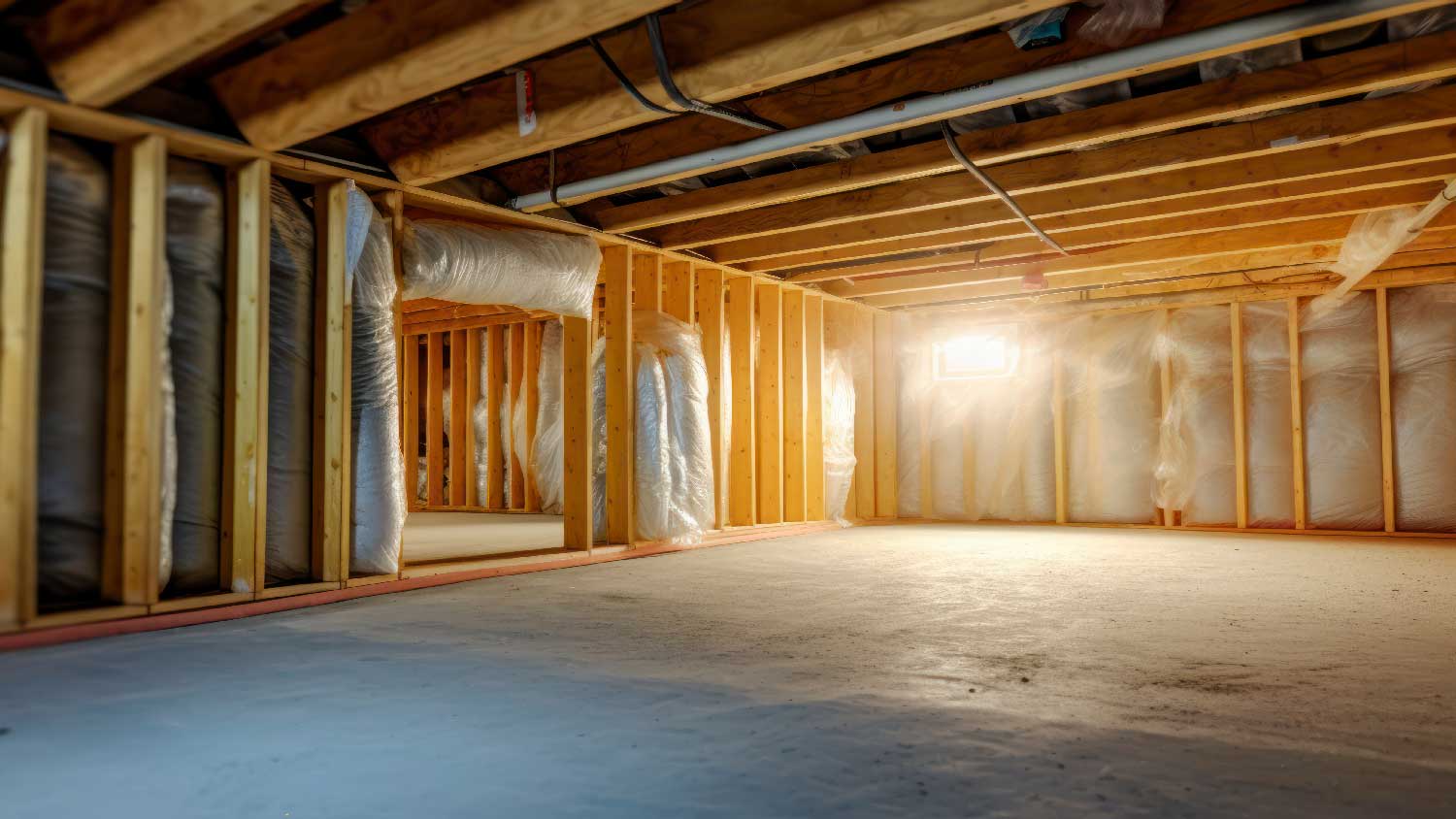
Basic encapsulation focuses on sealing off your crawl space with a vapor barrier and closing vents to keep moisture out. At its core, encapsulation creates a protective layer between your home and the damp, humid conditions below, helping reduce the risk of mold, pests, and poor air quality.
More extensive projects take it a step further, adding insulation, sump pumps, drainage systems, and dehumidifiers for stronger, long-term protection. The overall cost and scope depend on how much reinforcement your crawl space needs, with most projects typically falling between $5,000 and $15,000.
In Austin, TX, where humidity and heavy rains can shift throughout the year, many homeowners lean toward more comprehensive systems. A professional can evaluate your crawl space and recommend the right level of encapsulation based on moisture levels and all existing damage.
One of the main things that will influence the cost of crawl space encapsulation in Austin is the materials you use. The materials you need will vary depending on what you need your professional to do as part of the encapsulation. Here’s a breakdown of cost estimates for different crawl space encapsulation materials, though your crawl space pro can explain in more detail:
| Material | Cost |
|---|---|
| Spray foam insulation | $0.50–$1.50 per sq. ft. |
| 20-millimeter vapor barrier | $0.50–$0.70 per sq. ft. |
| Vent covers | $40–$50 |
| Insulation board (2-inch thick) | $25 each |
| 4-inch vapor bond tape | $50 per roll |
| Pedestal sump pump | $60–$170 |
| Submerged sump pump | $100–$390 |
| Dehumidifier | $785–$2,945 |
| Ductwork | $440–$1,960 |
Properly preparing for your crawl space encapsulation in Austin will help ensure that your project is a success. Before contractors begin work, you should first make sure that they will be able to access the area easily. This might mean moving furniture pieces around or emptying out a closet, depending on where the entryway is located.
Next, your contractor will need to take care of any problems before tackling the actual encapsulation. If you have any issues like standing water, damage to electrical or plumbing systems, or rotting wood, you need to fix the source of the problem. Repairs can cost anywhere from $200 to seal a foundation crack or install an outlet for a sump pump or dehumidifier to over $9,810 to carry out structural repairs, remove pests, and remediate mold in the space.
In some cases, you may need to bring in additional specialists, such as pest control professionals or mold remediation experts, before encapsulation can begin. Addressing these issues upfront helps prevent bigger problems down the line and ensures your encapsulation system performs as intended.
On average, homeowners pay $4,510 for foundation waterproofing, but the cost can range from $1,470–$14,720, depending on the system's complexity and the home's size. You can figure out the best option for your home by contacting a local basement waterproofing contractor.
Sealing any vents and air leaks ensures the space is fully encapsulated and that you won’t have ongoing moisture and mold issues under your home. You can expect to pay $15 to $22 per vent cover if you install them yourself or between $40 and $50 each if you have your professional install and seal them.
Labor makes up between 50% and 70% of the total encapsulation costs in Austin, TX, or between $2,940 and $4,120. Labor costs will increase from there if you need extensive prep work done before the actual encapsulation. You’ll see the highest labor costs—up to $20,601—if you need structural repairs, mold remediation, and pest remediation before your professional can start the encapsulation.
Homeowners in Austin, TX, may need a permit for crawl space encapsulation, especially if the project involves structural changes, drainage updates, or electrical work. Basic residential permits typically cost around $200, while more complex projects can range from $300 to $600 or more.
It’s important to remember there are costs to consider beyond those up-front costs that come along with the encapsulation, and it’s wise to budget for them in advance to prevent any surprise charges from popping up. From maintenance to repairs, here are some ongoing costs to consider for a crawl space encapsulation.
Whether your crawl space encapsulation project is equipped with a sump pump, drainage pipes, or other methods of water removal, there will likely be ongoing costs for the system’s maintenance. Ensuring the drainage system is working properly is important to avoid any excess moisture from accumulating. Budgeting between $490 and $785 every five to ten years is a good way to ensure repairs are covered.
If there is a pest infestation in your crawl space prior to completing the encapsulation project, expect to spend an average of $375 to cover the cost of removing animals.
After that, regular check-ins with pest control specialists are something you’ll likely want to spend some money on down the line to ensure everything is clear. That’s especially true if you discover insects in your crawl space. Ongoing pest control can do wonders for keeping insects out of your crawl space, but the service costs $295 to $540 annually for around-the-clock protection.
If you have mold in your crawl space before encapsulating, you may need to pay for a mold inspection every so often to ensure the issue isn’t returning. A mold inspection will cost between $150 and $295 Luckily, your encapsulation should decrease the risk of mold growth in the area, so you could plan on an inspection every three to five years.
Routine inspections, aside from those for pests and mold, are an essential ongoing cost after a crawl space encapsulation in Austin. Hiring a professional inspector to check for things like damaged insulation, ductwork issues, and moisture content will cost around $100 to $295 and can help keep your crawl space in tip-top shape.
Your encapsulation will often include a professional cleaning beforehand, but you should also budget for routine cleanings to keep your space neat and tidy. A one-off crawl space cleaning costs $3,924, on average, but after encapsulation, the cleaning process becomes a lot easier and should no longer include mold or pest removal. Budget for between $150 and $295 every few years for ongoing cleaning services.
While Texas doesn’t require a state license for crawl space encapsulation, hiring a qualified basement waterproofing pro in Austin, TX, is still important. Because the industry isn’t tightly regulated, you’ll want to choose a contractor with solid experience, proper insurance, and a track record you can verify.
Contractors typically pay sales tax on materials upfront, and those costs are usually built into your final quote. Before starting your project, it’s worth taking the time to compare pros, check reviews, and make sure you’re working with someone who knows how to handle Austin’s moisture and soil conditions.
Yes. Consider this: crawl space encapsulation isn’t just about comfort. It’s about protecting your home from moisture in a climate that doesn’t exactly make it easy. Between humid summers and sudden storms, when it is time to sell your abode, buyers know what unchecked moisture can lead to.
Encapsulation can make your home more appealing by improving air quality, energy efficiency, and overall condition. While it may not deliver the same flashy ROI as a kitchen upgrade, it removes a major concern for buyers and helps your home stand out as well-maintained.
To help homeowners plan their next project, Angi provides readers with carefully researched cost data and upholds strict editorial standards. We start with national average project costs, which we collect by analyzing competitor information, retailer material costs, and input from professional contractors. We then apply local price index data to calculate location-specific estimates that reflect what homeowners typically pay in their local area. To do that, we use data from the U.S. Bureau of Economic Analysis (BEA), including its Regional Price Parities (RPPs), which measure price differences across cities. This helps us account for differences in labor, materials, and overall cost of living, so estimates in higher- or lower-cost areas better reflect real-world local pricing.
Every estimate undergoes a thorough editorial review to verify accuracy, consistency, and alignment with observed market conditions.
Want to help us improve our cost data? Send us a recent project quote to [email protected]. Quotes and personal information will not be shared publicly.
From day one, I worked directly with the owners. They were accessible, respectful, fairly priced, quick, and did excellent work. Due to the original builder's faulty installation and craftsmanship of 3 large exterior window, excessive leaks became invasive. Windows needed to be removed,...
 Rios Custom Homes LLC
We had them install a French drain in the backyard we are very happy with the out come
The owner James from Tarrytown Roofing was incredible to work with this past summer. I had some storm damage to my rental in Westlake and James did the installation for my new build in Tarry Town. He did a great job of talking me through options and estimates, worked with my insurance to...
 Tarrytown Roofing
Sebastian Roman quoted me the cost for hail damage. His quote showed exactly what he was going to do. I have had several houses repaired and painted over the years, but I have never seen anyone cover the windows, protect the brick and other things that needed protection from painting. ...
 BB's Construction LLC
We had WJP Renovation build out a storage room above the garage. Jack and crew were punctual and cleaned everything every day. We were able to park our cars in the garage every night, which was important to us. We had relatively low expectations for an above-garage storage room, but Jack...
 WJP Renovation LLC
Following the freeze of 2021 my condo was saturated with sprinkler system water. The entire property had to be gutted down to the studs, walls, ceiling, cabinets, air conditioning system and ductwork, insulation - the place needed to be completely refurbished. Tony's team replaced all the...
 G.I.S Contracting
We had a cement walkway from our garage down our side yard to our backyard done. They did a great job.
Great job, easy. Guys got in and finished the quickly. Cleaned the mess up after they finished. I would highly recommend Davis Insulation.
 Davis Insulation
Great experience. He went right to the buried water line like he already knew where it was. Very impressive to me, a total novice in this.
 Crow's Plumbing Service
Honest, dependable, strong knowledge of water conservation
From average costs to expert advice, get all the answers you need to get your job done.
A variety of factors can affect your total crawl space encapsulation cost. Here’s a breakdown of the cost of this project, whether you hire a pro or DIY.
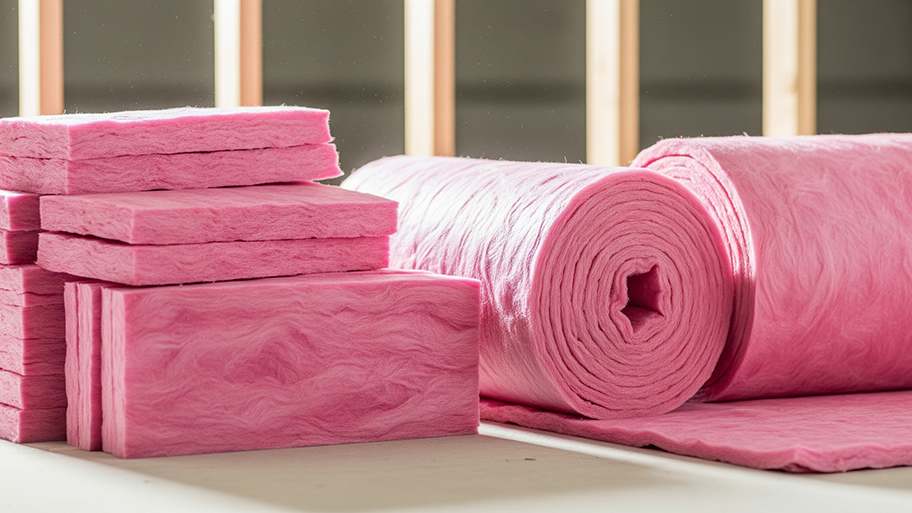
Crawl space insulation costs vary by size, insulation type, and material. Read this guide to learn how much your crawl space insulation could cost.
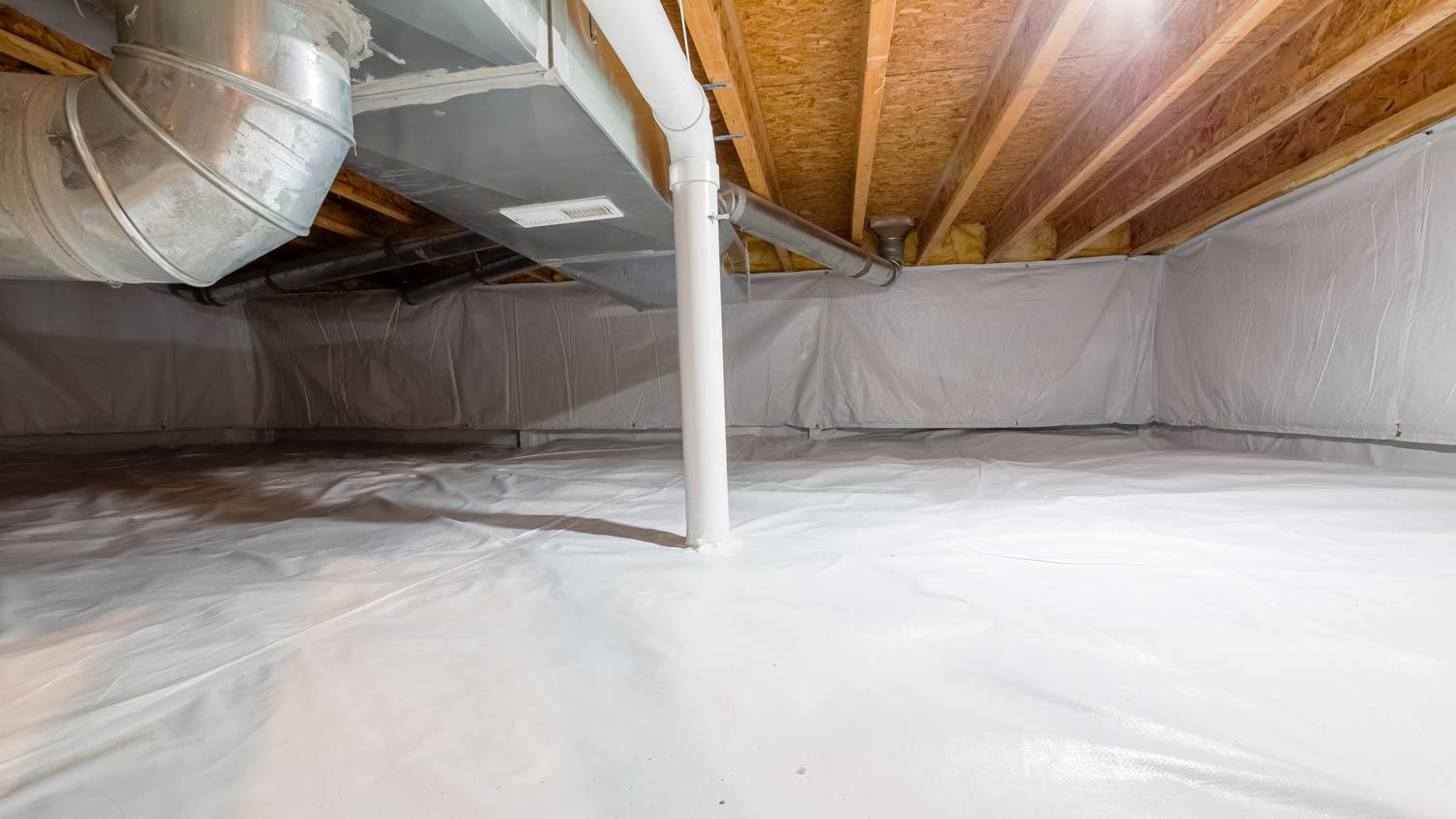
Crawl space dehumidifier costs are worth it if you consider their effect on energy bills and avoiding moisture damage. Learn what makes up the total cost of the project.

Crawl space encapsulation can make a big difference if you’re experiencing issues with mold, mildew, and pests. Here’s what you need to know.
Before investing in a pricey vapor barrier, does crawl space encapsulation add value to your home? The answer is a little more complicated than you expect.
Keeping your crawl space vents open or closed largely depends on the season, moisture, and existing ventilation. Learn why weather is a major factor.