
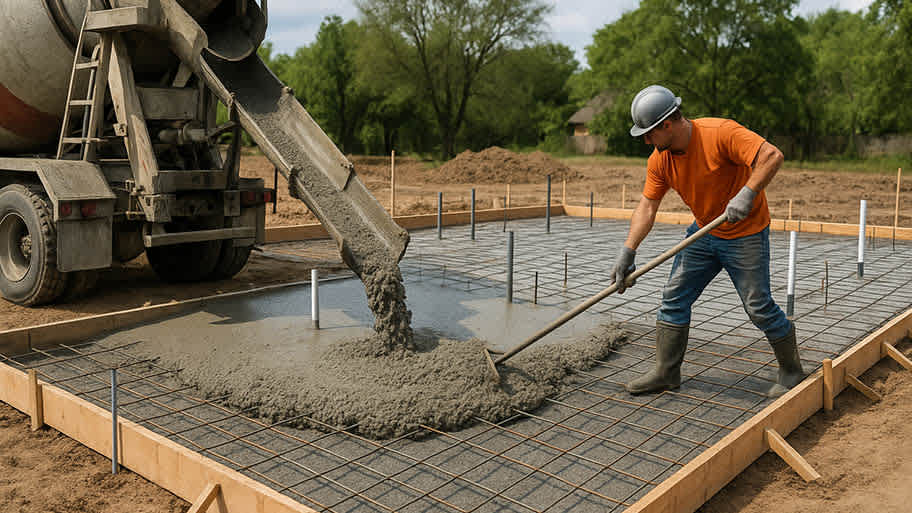
A foundation for a new-build home averages around $6,602. Find out all the factors that affect the cost of a foundation in Philadelphia, PA and how to save money.
Basement waterproofing costs depend on your project and location. Check with a local pro for your specific job.

Professional crawl space encapsulation in Philadelphia, PA, costs around $5,600.
When planning your budget, both the size of your crawlspace and the type of encapsulation you need are key cost factors.
Encapsulation options range from simple vent blocks and panels to vapor barriers and expensive sump pumps, plus costs to fix damage from mold, pests, and more.
Hiring a local waterproofing professional for an inspection will help you determine which encapsulation you need and how to protect your house from future problems.
Encapsulation means sealing an area, especially a basement or crawlspace, to prevent serious problems caused by moisture buildup and related issues. It’s often a long-term solution when mold or rot is discovered, and can also help with pest problems.
If you need a crawl space encapsulation for your home in Philadelphia, PA, expect to pay around $5,643, with most projects falling between $1,539 and $20,520. Start planning your budget as you arrange for local basement and waterproofing pros to visit and give you informative quotes.
With so many encapsulation options, the final cost of your Philadelphia, PA, project will depend on what the inspection uncovers and the plan you develop with the pros. But you can plan a rough budget based on details like the size of your crawl space and the types of repairs you're likely to need.
Basic crawl space encapsulation costs between $2 and $4 per square foot, while more extensive encapsulations can total between $3 and $10 per square foot. The latter normally involves more substantial cleaning, repairs, and requested features. No matter the extent of the work you need done, though, larger crawl spaces will cost more to encapsulate.
Here’s the average crawl space encapsulation cost based on size:
| Crawl Space Size (Sq. Ft.) | Encapsulation Cost |
|---|---|
| Small (1,000) | $2,050–$10,300 |
| Medium (2,000) | $4,100–$20,500 |
| Large (3,000) | $6,200–$30,800 |
If your crawl space has pests, mold, or other problems that your professional needs to address, you should expect to add costs for cleaning and inspection. Your prices will be lower if your crawl space is in good condition beforehand, and your expert can jump right into waterproofing rather than spending time on a thorough clean-up first. Here’s how repairs can affect your crawl space encapsulation costs:
| Type of Repair | Cost |
|---|---|
| Vent issues | $100–$510 |
| Sealing cracks | $205–$1,030 |
| Pests | $510–$10,300 |
| Mold issues | $1,030–$3,500 |
| Water damage | $1,030–$10,300 |
| Sagging floor | $1,550–$10,300 |
| Waterproofing | $1,550–$7,200 |
| Structural repairs | $1,550–$16,400 |
When you get an inspection, and the professionals have a chance to note your crawl space, any existing damage, and what needs to be done, they’ll be able to explain the scope of the project in more detail.
Some types of encapsulation are very simple and only cost a few hundred dollars, such as sealing small gaps that might let pests in. Other encapsulations can be very expensive, such as installing a sump pump to prevent the space from flooding. That’s why the materials used are such an important part of the cost.
One of the main things that will influence the cost of crawl space encapsulation in Philadelphia is the materials you use. The materials you need will vary depending on what you need your professional to do as part of the encapsulation. Here’s a breakdown of cost estimates for different crawl space encapsulation materials, though your crawl space pro can explain in more detail:
| Material | Cost |
|---|---|
| Spray foam insulation | $1–$2 per sq. ft. |
| 20-millimeter vapor barrier | $1 per sq. ft. |
| Vent covers | $40–$50 each |
| Insulation board (2-inch thick) | $26 each |
| 4-inch vapor bond tape | $50 per roll |
| Pedestal sump pump | $60–$170 |
| Submerged sump pump | $100–$410 |
| Dehumidifier | $820–$3,080 |
| Ductwork | $460–$2,050 |
Properly preparing for your crawl space encapsulation in Philadelphia will help ensure that your project is a success. Before contractors begin work, you should first make sure that they will be able to access the area easily. This might mean moving furniture pieces around or emptying out a closet, depending on where the entryway is located.
Next, your contractor will need to take care of any problems before tackling the actual encapsulation. If you have any issues like standing water, damage to electrical or plumbing systems, or rotting wood, you need to fix the source of the problem. Repairs can cost anywhere from $200 to seal a foundation crack or install an outlet for a sump pump or dehumidifier to over $10,260 to carry out structural repairs, remove pests, and remediate mold.
On average, homeowners pay $4,720 for foundation waterproofing, but the cost can range from $1,540 to $15,400, depending on the system's complexity and the home's size. You can figure out the best option for your home by contacting a local basement waterproofing contractor.
Sealing any vents and air leaks ensures the space is fully encapsulated and that you won’t have ongoing moisture and mold issues under your home. You can expect to pay $15 to $22 per vent cover if you install them yourself, or $40 to $50 each if you have a professional install and seal them.
Labor makes up between 50% and 70% of the total encapsulation costs in Philadelphia, or between $3,080 and $4,310. Labor costs will increase from there if you need extensive prep work done before the actual encapsulation. You’ll see the highest labor costs—up to $21,000—if you need structural repairs, mold remediation, and pest remediation before your professional can start the encapsulation.
Depending on your municipality, you may need a permit for crawl space encapsulation. Before you begin any work, it’s best to check with your local building department or ask your professional if you need permits. Permits for crawl space encapsulation will cost between $50 and $250.
It’s important to remember there are costs to consider beyond those up-front costs that come along with the encapsulation, and it’s wise to budget for them in advance to prevent any surprise charges from popping up. From maintenance to repairs, here are some ongoing costs to consider for a crawl space encapsulation.
Whether your crawl space encapsulation project is equipped with a sump pump, drainage pipes, or other methods of water removal, there will likely be ongoing costs for the system’s maintenance. Ensuring the drainage system is working properly is important to avoid any excess moisture from accumulating. Budgeting between $500 and $800 every five to ten years is a good way to ensure repairs are covered.
If there is a pest infestation in your crawl space prior to completing the encapsulation project, expect to spend an average of $380 to cover the cost of removing animals.
After that, regular check-ins with pest control specialists are something you’ll likely want to spend some money on down the line to ensure everything is clear. That’s especially true if you discover insects in your crawl space. Ongoing pest control can do wonders for keeping insects out of your crawl space, but the service costs $310 to $550 annually for around-the-clock protection.
If you have mold in your crawl space before encapsulating, you may need to pay for a mold inspection every so often to ensure the issue isn’t returning. A mold inspection will cost between $150 and $310. Luckily, your encapsulation should decrease the risk of mold growth in the area, so you could plan on an inspection every three to five years.
Routine inspections, aside from those for pests and mold, are an essential ongoing cost after a crawl space encapsulation in Philadelphia. Hiring a professional inspector to check for things like damaged insulation, ductwork issues, and moisture content will cost around $100 to $310 and can help keep your crawl space in tip-top shape.
Your encapsulation will often include a professional cleaning beforehand, but you should also budget for routine cleanings to keep your space neat and tidy. A one-off crawl space cleaning costs $4,100, on average, but after encapsulation, the cleaning process becomes a lot easier and should no longer include mold or pest removal. Budget between $150 and $310 every few years for ongoing cleaning services.
Most types of encapsulation require expert help, especially complex solutions like installing basement waterproofing or sump pumps. That means after the inspection, your quote should reflect the necessary labor fees, as do most of our cost estimates above.
Labor fees typically represent up to 50% to 70% of overall expenses, which should be reflected in any quotes you get. While you can ask the pros for advice on crawl space maintenance, this type of project rarely comes with a maintenance plan beyond potential future inspections.
As mentioned above, additional work may be needed on your crawl space before or after encapsulation. That could mean crawl space repairs, pest control services to track down and clean up pest debris, or even mold remediation services to help protect the rest of the house from further damage.
While encapsulation is a very important project to help protect vulnerable houses, it typically doesn’t yield much ROI and isn’t associated with increases in home value. However, preventative measures like these can help make it easier to sell a home and make properties look more attractive than those that still need serious crawl space work.
To help homeowners plan their next project, Angi provides readers with carefully researched cost data and upholds strict editorial standards. We start with national average project costs, which we collect by analyzing competitor information, retailer material costs, and input from professional contractors. We then apply local price index data to calculate location-specific estimates that reflect what homeowners typically pay in their local area. To do that, we use data from the U.S. Bureau of Economic Analysis (BEA), including its Regional Price Parities (RPPs), which measure price differences across cities. This helps us account for differences in labor, materials, and overall cost of living, so estimates in higher- or lower-cost areas better reflect real-world local pricing.
Every estimate undergoes a thorough editorial review to verify accuracy, consistency, and alignment with observed market conditions.
Want to help us improve our cost data? Send us a recent project quote to [email protected]. Quotes and personal information will not be shared publicly.
The Crew were amazing! Arrived on time, completely transformed a piled up of stuff in the basement into a well organized, clean dust free place I'm not longer afraid to go to!!! Will definitely hire again
 MME Cleaning inc
Structural Engineering Design & Construction LLC (Michael and his team) is friendly, professional and efficient. They did a lot of excellent work on a Saturday. They jackhammered the property edge, installed hydraulic cement, chipped away all loose parts in the foundation walls and installed...
 Structural Engineering Design & Construction LLC
Gary was very friendly and helpful to let me know what's needed to fix basement water leakage and 3rd floor sag.
 Legacy Construction Company LLC
Jim is just fantastic. He transformed my small back yard in the city with a chain link fence and weeds into a secluded space with finished cinderblock walls and a built in raised planter. He also excavated and poured concrete stairs to our basement door, transforming the entrance in the...
Father and sons, Mike, Mike Jr., and Dan, turned the unfinished basement of our 110 year old house into a completely finished basement. I am extremely skeptical that a better crew can found. On every dimension, they far exceeded our expectations. They worked closely with us to make sure...
 MDK Remodeling Inc
We hired Daleyâ s Construction Services to finished our basement just after we had moved into our house. Dan came by to take a look and provided a quote in a timely fashion, he answered all of our questions we had and made it easy for us to choose his company. Dan and Mike were the person...
 Jina Construction Services
We recently completed the remodel of our home, thanks to this awesome team. With our aged ones living with us, this is a much -needed task to ensure their safety. From flooring to bathrooms, to doorknobs and even basement, the work was perfectly executed. They demonstrated their expertise,...
 SPN Construction Corporation
Pete is more than a drain surgeon , he is a rescuer of those in need . During the heavy rain storm my patio drain could not take all the water from my neighbors poorly constructed gutter and the rain from my house too . My basement flooded w/ 2 ft of water . It was more than a clogged drain...
 THE DRAIN SURGEON
We contacted Basements.com because our basement would leak anytime we had prolonged rain. Dave the inspector that came to our home was courteous and knowledgeable. The installation crew worked tirelessly to complete our job in timely manner. Rich the foreman answered any questions we had...
 Basements.com
Hardy Construction LLC is a professional detail oriented company! I have had several jobs with this company. I would not go with anyone else. I first started with them completely remodeling my entire downstairs (excluding my kitchen). After the project was finished, I hired them to remodel my...
 Hardy Construction LLC
From average costs to expert advice, get all the answers you need to get your job done.
A foundation for a new-build home averages around $6,602. Find out all the factors that affect the cost of a foundation in Philadelphia, PA and how to save money.
A variety of factors can affect your total crawl space encapsulation cost. Here’s a breakdown of the cost of this project, whether you hire a pro or DIY.
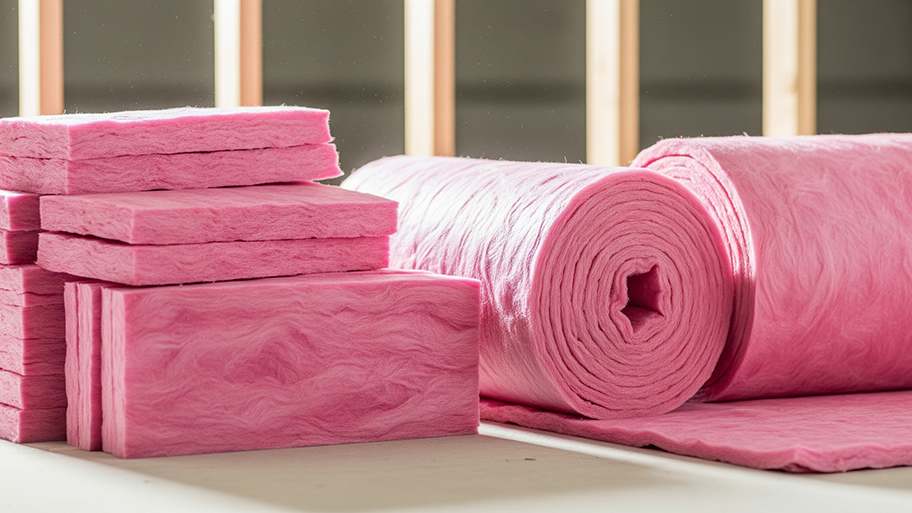
Crawl space insulation costs vary by size, insulation type, and material. Read this guide to learn how much your crawl space insulation could cost.

Crawl space encapsulation can make a big difference if you’re experiencing issues with mold, mildew, and pests. Here’s what you need to know.
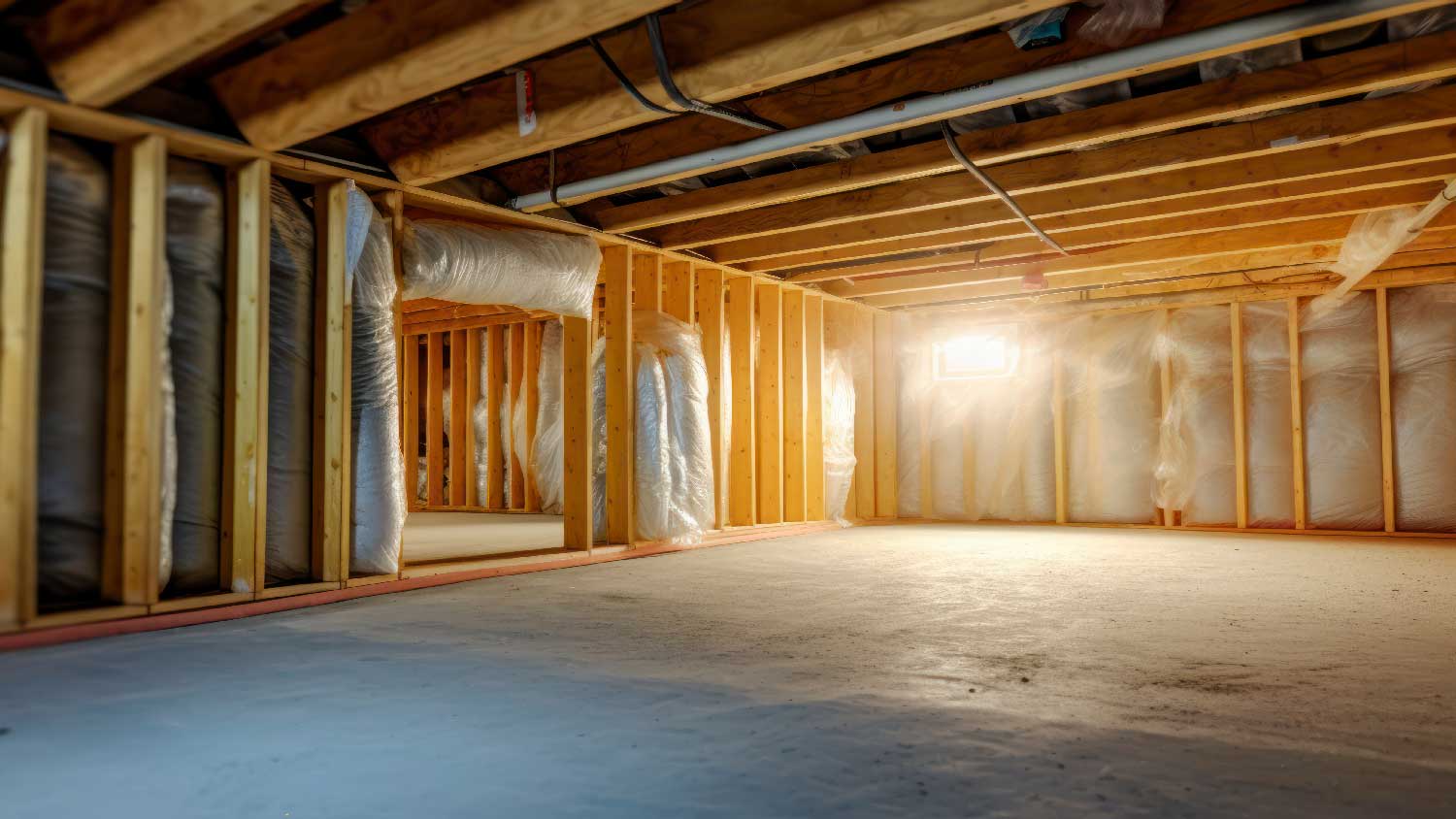
Before investing in a pricey vapor barrier, does crawl space encapsulation add value to your home? The answer is a little more complicated than you expect.
Keeping your crawl space vents open or closed largely depends on the season, moisture, and existing ventilation. Learn why weather is a major factor.