

•
Find out the average excavation cost in St. Louis, MO. Learn what you can expect to pay for local site prep and grading to get your project started right.
Basement waterproofing costs depend on your project and location. Check with a local pro for your specific job.

Size affects cost the most, ranging from $2,000 for small crawl spaces to $28,900 for large spaces.
Any prep work required—such as pest activity, mold, water damage or sagging floors—will drive up costs.
Waterproofing the foundation runs an additional $4,500, and sealing individual vents typically falls between $40 and $50 per vent.
Working with a St. Louis, MO, crawl space encapsulation pro ensures the job is handled reliably and keeps the project from eating up your time.
Crawl space encapsulation in St. Louis, MO, averages $5,231, with most homeowners paying somewhere between $4,755 and $14,265 depending on their specific situation. It's not a small investment, but it's one that can meaningfully improve the comfort and livability of your home. Costs vary from property to property, so understanding what drives the final price will help you have more productive conversations with your contractor and avoid any surprises along the way.
St. Louis, MO, may not rank among the priciest cities to live in, but that doesn't make this project budget-friendly. The biggest driver of your total cost is the square footage of your crawl space, followed closely by any remediation work needed. Should structural repairs enter the picture, don't be surprised if your overall costs double or even triple.
Basic crawl space encapsulation costs between $2 and $4 per square foot, while more extensive encapsulations can total between $3 and $10 per square foot. The latter normally involves more substantial cleaning, repairs, and requested features. No matter the extent of the work you need done, though, larger crawl spaces will cost more to encapsulate.
Here’s the average crawl space encapsulation cost based on size:
| Crawl Space Size (Sq. Ft.) | Encapsulation Cost |
|---|---|
| Small (1,000) | $2,000–$10,000 |
| Medium (2,000) | $4,000–$19,400 |
| Large (3,000) | $5,900–$28,900 |
If your crawl space has pests, mold, or other problems that your professional needs to address, you should expect to add costs for cleaning and inspection. Your prices will be lower if your crawl space is in good condition beforehand, and your expert can jump right into waterproofing rather than spending time on a thorough clean-up first. Here’s how repairs can affect your crawl space encapsulation costs:
| Type of Repair | Cost |
|---|---|
| Vent issues | $100–$500 |
| Sealing cracks | $200–$1,000 |
| Pests | $500–$9,600 |
| Mold issues | $1,000–$3,500 |
| Water damage | $1,000–$9,700 |
| Sagging floor | $1,500–$9,800 |
| Waterproofing | $1,500–$6,900 |
| Structural repairs | $1,500–$14,900 |
What you find in your crawl space will determine the scope of work required. A clean, dry space may only call for a straightforward, less expensive solution, but mold, pooling water, or existing damage will push the project into more intensive territory. Issues like mold growth, compromised structure, or pest infestations can tack on thousands of dollars before the encapsulation work even begins.
However, the overall investment tends to pay for itself through lower energy bills, better structural integrity, and a more comfortable living environment. If you're unsure of your crawl space's current state, an expert can point you in the right direction.
One of the main things that will influence the cost of crawl space encapsulation in St. Louis, MO, is the materials you use. The materials you need will vary depending on what you need your professional to do as part of the encapsulation. Here’s a breakdown of cost estimates for different crawl space encapsulation materials, though your crawl space pro can explain in more detail:
| Material | Cost |
|---|---|
| Spray foam insulation | $0.50–$1.50 per sq. ft. |
| 20-millimeter vapor barrier | $0.50–$0.70 per sq. ft. |
| Vent covers | $40–$50 each |
| Insulation board (2-inch thick) | $26 each |
| 4-inch vapor bond tape | $50 per roll |
| Pedestal sump pump | $60–$170 |
| Submerged sump pump | $100–$400 |
| Dehumidifier | $800–$2,800 |
| Ductwork | $450–$1,900 |
Properly preparing for your crawl space encapsulation in St. Louis will help ensure that your project is a success. Before contractors begin work, you should first make sure that they will be able to access the area easily. This might mean moving furniture pieces around or emptying out a closet, depending on where the entryway is located.
Next, your contractor will need to take care of any problems before tackling the actual encapsulation. If you have any issues like standing water, damage to electrical or plumbing systems, or rotting wood, you need to fix the source of the problem.
Repairs can cost anywhere from $200 to seal a foundation crack or install an outlet for a sump pump or dehumidifier to over $15,000 to carry out structural repairs, remove pests, and remediate mold in the space. Every additional pro you hire will carry additional costs, since many crawl space pros don’t handle these auxiliary issues.
On average, homeowners pay $4,500 for foundation waterproofing, but the cost can range from $1,500 to $6,800, depending on the system's complexity and the home's size. You can figure out the best option for your home by contacting a local basement waterproofing contractor.
Sealing any vents and air leaks ensures the space is fully encapsulated and that you won’t have ongoing moisture and mold issues under your home. You can expect to pay $15 to $25 per vent cover if you install them yourself, or $40 to $50 each if you have a professional install and seal them.
Labor makes up between 50% and 70% of the total encapsulation costs in St. Louis, or between $2,800 and $4,100. Labor costs will increase from there if you need extensive prep work done before the actual encapsulation. You’ll see the highest labor costs—up to $21,000—if you need structural repairs, mold remediation, and pest remediation before your professional can start the encapsulation.
Depending on your municipality, you may need a permit for crawl space encapsulation. Before you begin any work, it’s best to check with your local building department or ask your professional if you need permits. Permits for crawl space encapsulation will cost between $50 and $350.
It’s important to remember there are costs to consider beyond those up-front costs that come along with the encapsulation, and it’s wise to budget for them in advance to prevent any surprise charges from popping up. From crawl space maintenance to repairs, here are some ongoing costs to consider for a crawl space encapsulation.
Whether your crawl space encapsulation project is equipped with a sump pump, drainage pipes, or other methods of water removal, there will likely be ongoing costs for the system’s maintenance. Ensuring the drainage system is working properly is important to avoid any excess moisture from accumulating. Budgeting between $500 and $800 every five to ten years is a good way to ensure repairs are covered.
If there is a pest infestation in your crawl space prior to completing the encapsulation project, expect to spend an average of $370 to cover the cost of removing animals.
After that, regular check-ins with pest control specialists are something you’ll likely want to spend some money on down the line to ensure everything is clear. That’s especially true if you discover insects in your crawl space. Ongoing pest control can do wonders for keeping insects out of your crawl space, but the service costs $300 to $550 annually for around-the-clock protection.
If you have mold in your crawl space before encapsulating, you may need to pay for a mold inspection every so often to ensure the issue isn’t returning. A mold inspection will cost between $150 and $300. Luckily, your encapsulation should decrease the risk of mold growth in the area, so you could plan on an inspection every three to five years.
Routine inspections, aside from those for pests and mold, are an essential ongoing cost after a crawl space encapsulation in St. Louis. Hiring a professional inspector to check for things like damaged insulation, ductwork issues, and moisture content will cost around $100 to $300 and can help keep your crawl space in tip-top shape.
Your encapsulation will often include a professional cleaning beforehand, but you should also budget for routine cleanings to keep your space neat and tidy. A one-off crawl space cleaning costs $4,000, on average, but after encapsulation, the cleaning process becomes a lot easier and should no longer include mold or pest removal. Budget for between $150 and $300 every few years for ongoing cleaning services.
Bringing in a crawl space encapsulation pro in St. Louis, MO, is an essential part of the process, with costs typically split evenly between labor and materials. That balance can shift depending on the encapsulation method you choose, but an equal divide is a good way to think about it. Since we don’t recommend this project to even seasoned DIYers, a pro is a necessary cost.
We suggest reaching out to at least three contractors, weighing their quotes and reviews before making a decision, and ultimately going with someone you like who has solid reviews. Don't hesitate to request referrals from previous customers who can speak to the quality of their work, and be sure to check what others are saying online.
Though it's costly, the real draw for buyers is the reduction in monthly energy bills. With St. Louis’ varied climate, encapsulation can be a compelling selling point, and one that buyers in the know will appreciate more than you might think.
That said, any pre-existing problems that could derail a sale—like foundation issues or moisture damage—may eat into your return, since buyers will still expect the property to be in sound, move-in-ready shape.
To help homeowners plan their next project, Angi provides readers with carefully researched cost data and upholds strict editorial standards. We start with national average project costs, which we collect by analyzing competitor information, retailer material costs, and input from professional contractors. We then apply local price index data to calculate location-specific estimates that reflect what homeowners typically pay in their local area. To do that, we use data from the U.S. Bureau of Economic Analysis (BEA), including its Regional Price Parities (RPPs), which measure price differences across cities. This helps us account for differences in labor, materials, and overall cost of living, so estimates in higher- or lower-cost areas better reflect real-world local pricing.
Every estimate undergoes a thorough editorial review to verify accuracy, consistency, and alignment with observed market conditions.
Want to help us improve our cost data? Send us a recent project quote to [email protected]. Quotes and personal information will not be shared publicly.
They were very courteous. They moved very quickly cleaning and organizing. The basement looked amazing when they were done.
 FIRST RESOLUTION CLEANING SERVICES LLC
They did a really good job waterproofing my basement. The crew was professional, arrived on time, and explained the entire process before getting started, and completed the job with great attention to detail. It's clear they take pride in their work. I'd definitely recommend...
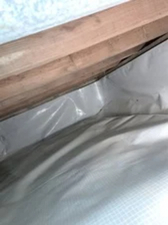 General Installation Systems
I’ve used them for several different projects. Window replacement, basement windows and door replacement, E Shield attic insulation and windows and siding on my back porch.
 Midtown Home Improvements, Inc. (St. Louis)
Andrew and team were out very quickly and worked in a storm to get our sewer lines unclogged so we did not take on more water. We had another big rain storm the following week with no more water backing up into the basement!
 Zoom Drain St. Louis
They were super professional and did a great job with my project. They were efficient and cleaned up the space well. I have had no issues with water in my basement anymore. They also answered all of my questions ahead of committing to the project and talked through everything well.
 Spartan Ram Jack
Matt was great to work with. He took time walking around the house with me and discussing options, even though this was a relatively small job ($1700). His bid a bit more than another bid, but he included waterproofing and I was impressed with his thoroughness. After the work was done,...
 M&R Tuckpointing and Restoration
Outstanding customer service and didn’t push me into spending more than I needed. Gave me a great deal on my basement repair. Gave me a great repair solution and it seems to be holding back all the water. With the ton of rain, my basement is dry. Would call them again for other repairs I need.
 Stratum Structural Systems
I cannot praise this company highly enough. They did a fantastic job cleaning up my-basement after the sewer flooded. They went above and beyond the requirements of the job. The job was resonantly priced and completed in a short amount of time.
 Pride Cleaning & Restoration, Inc.
Superb job on my basement floor and ceiling.
Andrew did a fantastic job. He was very knowledgeable and explained the pros and cons of the different waterproofing methods he recommended I apply to my basement foundation to make sure it stayed sealed long term. He was very professional, a good communicator, cleaned up after himself, and...
From average costs to expert advice, get all the answers you need to get your job done.
Find out the average excavation cost in St. Louis, MO. Learn what you can expect to pay for local site prep and grading to get your project started right.
A variety of factors can affect your total crawl space encapsulation cost. Here’s a breakdown of the cost of this project, whether you hire a pro or DIY.
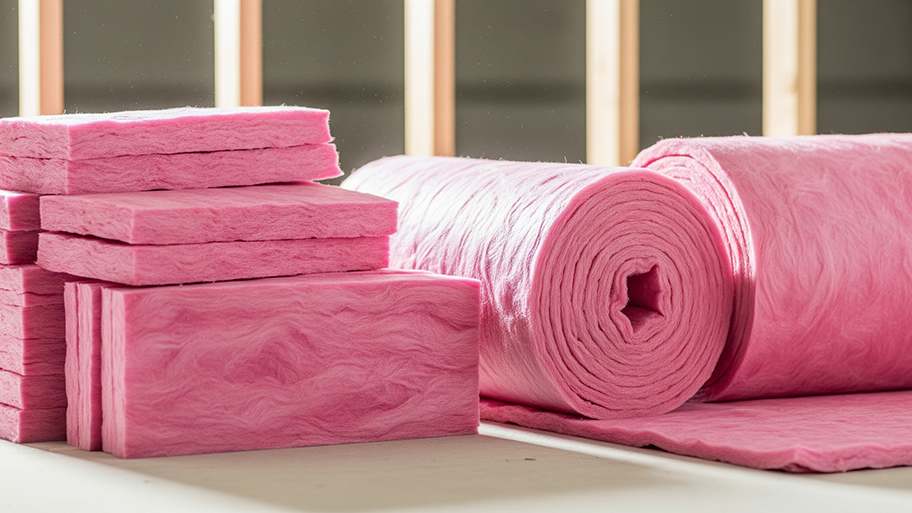
Crawl space insulation costs vary by size, insulation type, and material. Read this guide to learn how much your crawl space insulation could cost.

Crawl space encapsulation can make a big difference if you’re experiencing issues with mold, mildew, and pests. Here’s what you need to know.
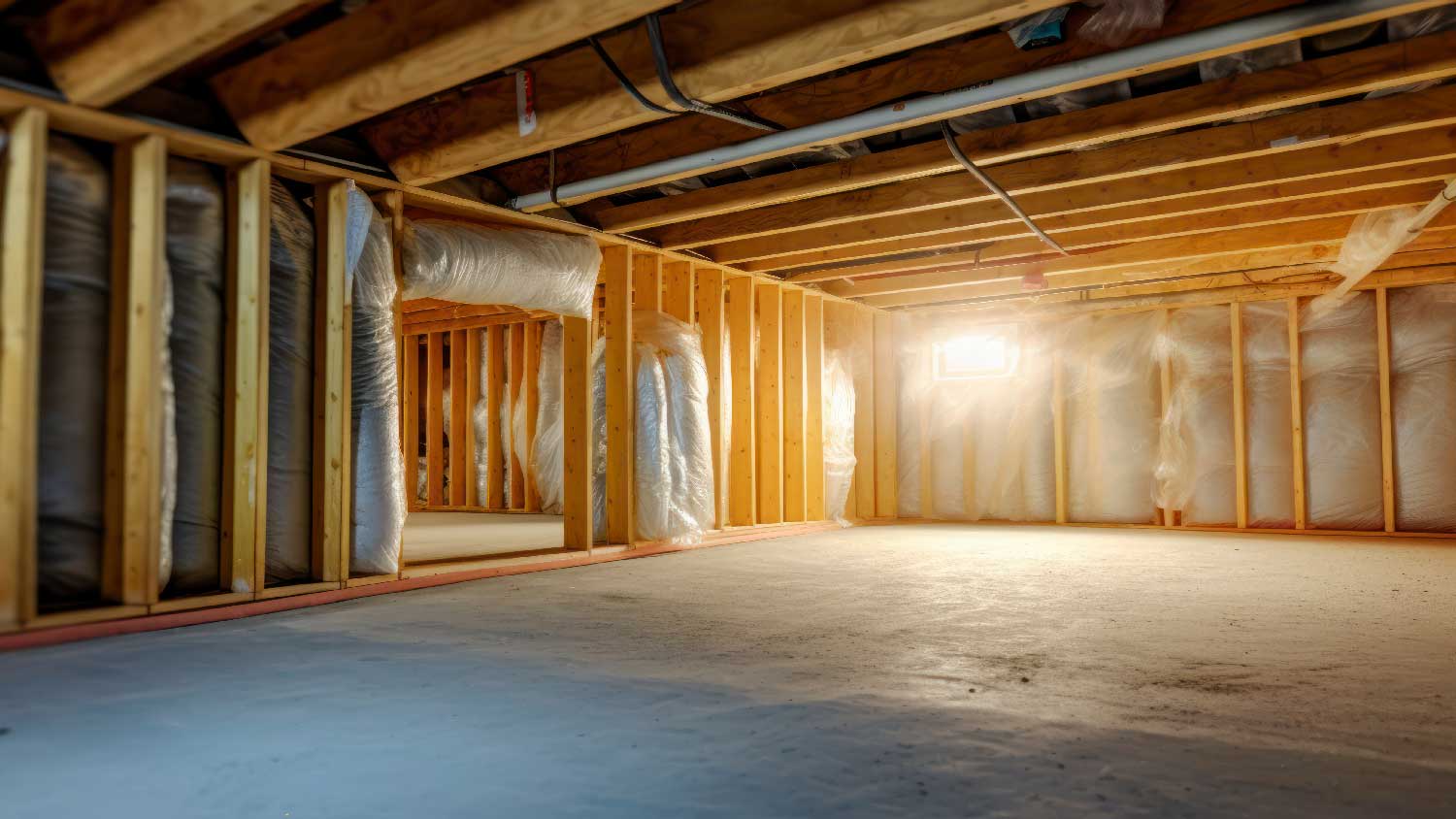
Before investing in a pricey vapor barrier, does crawl space encapsulation add value to your home? The answer is a little more complicated than you expect.
Keeping your crawl space vents open or closed largely depends on the season, moisture, and existing ventilation. Learn why weather is a major factor.