
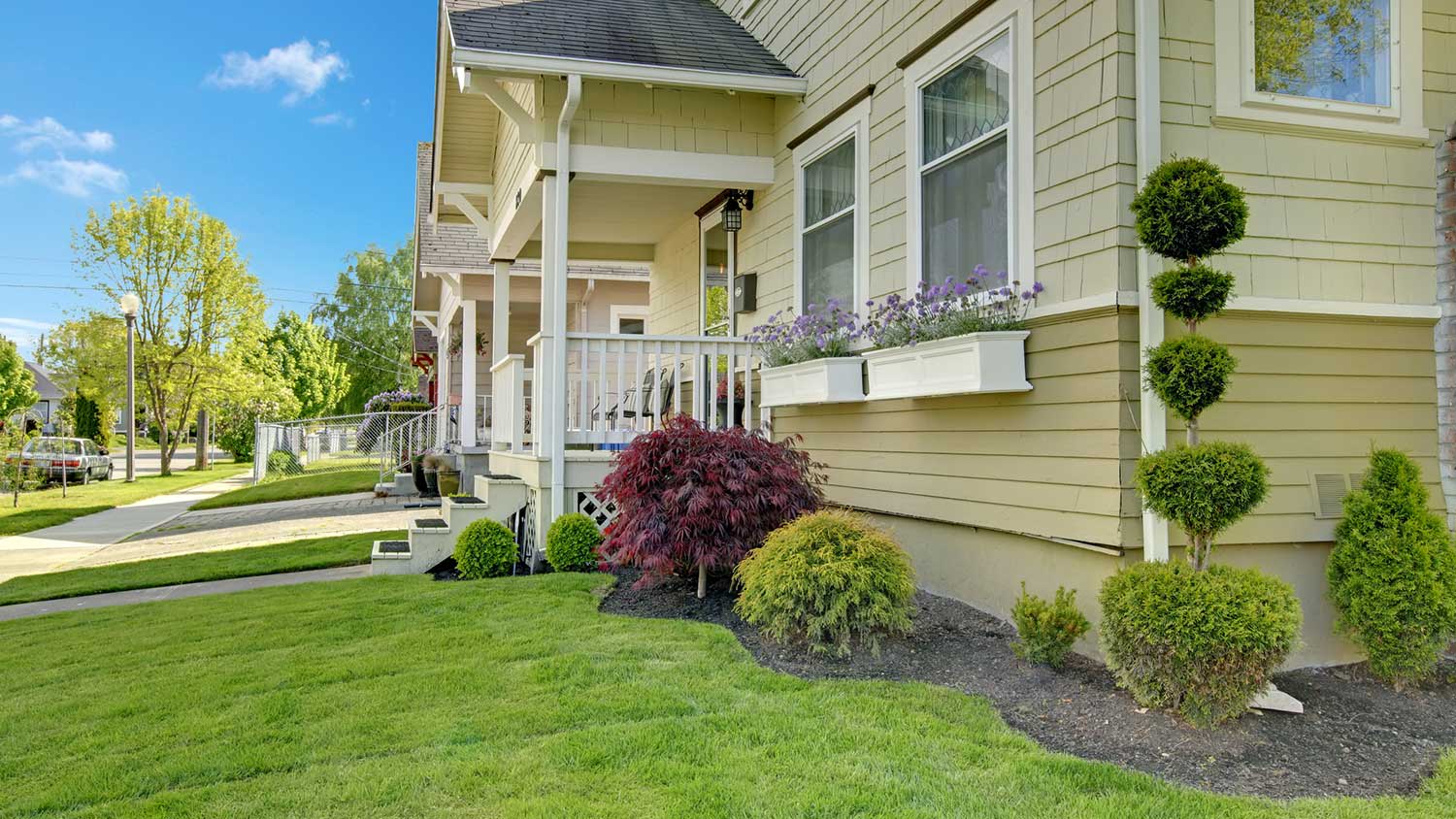
A variety of factors can affect your total crawl space encapsulation cost. Here’s a breakdown of the cost of this project, whether you hire a pro or DIY.
Basement waterproofing costs depend on your project and location. Check with a local pro for your specific job.

The size of your crawl space carries more weight than any other factor, with Kansas City, MO, projects falling between $1,800 for smaller spaces and $28,000 for larger ones.
Prep work, like pest activity, mold, water damage, or sagging floors, will push that number higher.
Foundation waterproofing costs roughly $4,500, and sealing individual vents runs $40 to $50 each.
Partnering with a Kansas City, MO, encapsulation pro is necessary as this isn’t a DIY-friendly project.
Crawl space encapsulation in Kansas City, MO, averages $5,088, with most homeowners paying somewhere between $4,625 and $13,875. The city, though, with its lower cost of living and an enormous number of qualified pros, makes this one of the better locations to undertake this project. Homeowners will be happy to know that their investment can significantly increase their home's value, so familiarize yourself with the costs involved in such a project.
Kansas City, MO, isn't one of the pricier metros, but this project can still carry a serious price tag. Square footage is the single biggest factor in what you'll ultimately pay, with remediation needs running a close second. If structural repairs become part of the equation, your total could easily multiply two or three times over.
Basic crawl space encapsulation costs between $2 and $4 per square foot, while more extensive encapsulations can total between $3 and $10 per square foot. The latter normally involves more substantial cleaning, repairs, and requested features. No matter the extent of the work you need done, though, larger crawl spaces will cost more to encapsulate.
Here’s the average crawl space encapsulation cost based on size:
| Crawl Space Size (Sq. Ft.) | Encapsulation Cost |
|---|---|
| Small (1,000) | $1,800–$9,500 |
| Medium (2,000) | $3,500–$19,000 |
| Large (3,000) | $5,000–$28,000 |
If your crawl space has pests, mold, or other problems that your professional needs to address, you should expect to add costs for cleaning and inspection. Your prices will be lower if your crawl space is in good condition beforehand, and your expert can jump right into waterproofing rather than spending time on a thorough clean-up first. Here’s how repairs can affect your crawl space encapsulation costs:
| Type of Repair | Cost |
|---|---|
| Vent issues | $100–$500 |
| Sealing cracks | $200–$1,000 |
| Pests | $500–$9,500 |
| Mold issues | $1,000–$3,400 |
| Water damage | $1,000–$9,500 |
| Sagging floor | $1,400–$9,500 |
| Waterproofing | $1,400–$6,800 |
| Structural repairs | $1,500–$15,000 |
What's going on beneath your home will dictate how involved this project becomes. Kansas City, MO’s humid summers and bitter winters create conditions where moisture problems and structural wear are common. A space that's dry and in decent shape might only need a straightforward fix, but mold, pooling water, or visible damage can send both the scope and the price climbing.
The upfront cost tends to pay off over time through lower energy bills, better structural integrity, and a more comfortable home. If you haven't had a good look at your crawl space, a Kansas City, MO, pro can assess the situation and point you in the right direction.
One of the main things that will influence the cost of crawl space encapsulation in Kansas City is the materials you use. The materials you need will vary depending on what you need your professional to do as part of the encapsulation. Here’s a breakdown of cost estimates for different crawl space encapsulation materials, though your crawl space pro can explain in more detail:
| Material | Cost |
|---|---|
| Spray foam insulation | $0.50–$1.50 per sq. ft. |
| 20-millimeter vapor barrier | $0.50–$0.70 per sq. ft. |
| Vent covers | $40–$50 each |
| Insulation board (2-inch thick) | $26 each |
| 4-inch vapor bond tape | $50 per roll |
| Pedestal sump pump | $60–$170 |
| Submerged sump pump | $100–$400 |
| Dehumidifier | $800–$2,900 |
| Ductwork | $450–$1,900 |
Properly preparing for your crawl space encapsulation in Kansas City will help ensure that your project is a success. Before contractors begin work, you should first make sure that they will be able to access the area easily. This might mean moving furniture pieces around or emptying out a closet, depending on where the entryway is located.
Next, your contractor will need to take care of any problems before tackling the actual encapsulation. If you have any issues like standing water, damage to electrical or plumbing systems, or rotting wood, you need to fix the source of the problem. Repairs can cost anywhere from $200 to seal a foundation crack or install an outlet for a sump pump or dehumidifier to over $10,000 to carry out structural repairs, remove pests, and remediate mold in the space. Any additional pros you need to hire will bring additional costs, even if the work is intertwined with the encapsulation.
On average, homeowners pay $4,500 for foundation waterproofing, but the cost can range from $1,500 to $6,800, depending on the system's complexity and the home's size. You can figure out the best option for your home by contacting a local basement waterproofing contractor.
Sealing any vents and air leaks ensures the space is fully encapsulated and that you won’t have ongoing moisture and mold issues under your home. You can expect to pay $15 to $22 per vent cover if you install them yourself or between $40 and $50 each if you have a professional install and seal them.
Labor makes up between 50% and 70% of the total encapsulation costs in Kansas City, or between $2,800 and $4,100. Labor costs will increase from there if you need extensive prep work done before the actual encapsulation. You’ll see the highest labor costs—up to $21,000—if you need structural repairs, mold remediation, and pest remediation before your professional can start the encapsulation.
Depending on your municipality, you may need a permit for crawl space encapsulation. Before you begin any work, it’s best to check with your local building department or ask your professional if you need permits. Permits for crawl space encapsulation will cost between $50 and $300.
It’s important to remember there are costs to consider beyond those up-front costs that come along with the encapsulation, and it’s wise to budget for them in advance to prevent any surprise charges from popping up. From crawl space maintenance to repairs, here are some ongoing costs to consider for a crawl space encapsulation.
Whether your crawl space encapsulation project is equipped with a sump pump, drainage pipes, or other methods of water removal, there will likely be ongoing costs for the system’s maintenance. Ensuring the drainage system is working properly is important to avoid any excess moisture from accumulating. Budgeting between $500 and $800 every five to ten years is a good way to ensure repairs are covered.
If there is a pest infestation in your crawl space prior to completing the encapsulation project, expect to spend an average of $350 to cover the cost of removing animals.
After that, regular check-ins with pest control specialists are something you’ll likely want to spend some money on down the line to ensure everything is clear. That’s especially true if you discover insects in your crawl space. Ongoing pest control can do wonders for keeping insects out of your crawl space, but the service costs $300 to $500 annually for around-the-clock protection.
If you have mold in your crawl space before encapsulating, you may need to pay for a mold inspection every so often to ensure the issue isn’t returning. A mold inspection will cost between $150 and $280. Luckily, your encapsulation should decrease the risk of mold growth in the area, so you could plan on an inspection every three to five years.
Routine inspections, aside from those for pests and mold, are an essential ongoing cost after a crawl space encapsulation in Kansas City. Hiring a professional inspector to check for things like damaged insulation, ductwork issues, and moisture content will cost around $100 to $300 and can help keep your crawl space in tip-top shape.
Your encapsulation will often include a professional cleaning beforehand, but you should also budget for routine cleanings to keep your space neat and tidy. A one-off crawl space cleaning costs $3,800, on average, but after encapsulation, the cleaning process becomes a lot easier and should no longer include mold or pest removal. Budget for between $150 and $300 every few years for ongoing cleaning services.
Bringing in a crawl space encapsulation pro in Kansas City, MO, is an essential part of the process, with costs split evenly between labor and materials. That balance can shift depending on the encapsulation method you choose, but an equal divide is a safe assumption. This isn't a project suited for even experienced DIYers, so professional labor is a cost worth budgeting for.
We suggest contacting at least three local contractors, comparing their quotes and reviews before committing, and going with someone whose reputation gives you confidence. Ask for referrals from past clients who can speak firsthand to the quality of their work, and take time to read through online feedback as well.
It's a real investment, but Kansas City, MO, homeowners tend to see property values rise between 5 and 10% after encapsulation. Energy savings are often what actually seals the deal for buyers, and in a city where summers are sweltering and winters demand serious heating, lower monthly utility bills carry real weight.
Buyers who know what to look for will recognize encapsulation as a genuine upgrade. Just keep in mind that foundation problems or moisture damage discovered during the process can chip away at your net return. A clean encapsulation job might lift your value by 7%, but factor in costly remediation work and that gain can shrink to 1 or 2% once the bills are settled.
To help homeowners plan their next project, Angi provides readers with carefully researched cost data and upholds strict editorial standards. We start with national average project costs, which we collect by analyzing competitor information, retailer material costs, and input from professional contractors. We then apply local price index data to calculate location-specific estimates that reflect what homeowners typically pay in their local area. To do that, we use data from the U.S. Bureau of Economic Analysis (BEA), including its Regional Price Parities (RPPs), which measure price differences across cities. This helps us account for differences in labor, materials, and overall cost of living, so estimates in higher- or lower-cost areas better reflect real-world local pricing.
Every estimate undergoes a thorough editorial review to verify accuracy, consistency, and alignment with observed market conditions.
Want to help us improve our cost data? Send us a recent project quote to [email protected]. Quotes and personal information will not be shared publicly.
This pro provided an estimate and then upon seeing the project doubled price. The project was cleaning the basement and she did not. The floor was still stained when they left. Before they left, I stopped and asked them out. There was no way to get the stain off the floor and she said no...
 Daisy Maids Cleaning Solutions
Excellent work, competitive pricing and hard working staff! After initial consultation Mauricio gave me multiple options of insulation level for my attic to bring it up to date and/or blow in additional and that's what's I decided to go with. On the day of appointment their team got right to...
 C4 Insulation LLC
Had the entire inside of a commercial unit rewired. Plenty of outlets and lighting as well. Subpanel installed in basement. Very kind and efficient. This job was huge and was over a month of consistent work. Will certainly use again!
 Lat/Long Electric
I bought a new (100 year old) house last year and immediately noticed that the basement was unreasonably cold in the winter. Our pipes froze multiple times and we had trouble keeping the main floor of our house warm. But not any more. iFoam came and diagnosed the problem, explained the...
 iFOAM Insulation of Kansas City
I thought I had a plumbing issue come to find out itâ  s a ground water problem due to rain water infiltrating my finished basement. Sewer Surgeon sent Shawn to my house and he was prompt, professional and on time. My 1st and only call determined the source of my water problem in my...
 Sewer Surgeon, LLC
Dave Hall did a very precise and professional job replacing the basement stairs in our 100-year-old house. I would definitely recommend him!
 Midwest Frame to Finish
VenPro did a wonderful job remodeling my basement. They took their time to make sure everything was done right. Quality work done by a quality team. I will definitely be using VenPro for future projects!
 Venpro Remodeling, LLC
David and Richard make a fantastic duo for whatever project you might need. David handles the design and admin, and Richard is the very hands on construction superintendent. That man can do anything! I am completely satisfied with their work finishing the basement into a perfect...
 First Response Restoration
Garage and basement floors look great!
 Granite Garage Floors
We hired JB Concrete to pour concrete over our original, sloped basement floor to prepare for the installation of vinyl plank flooring. Miguel and his team were one of the only companies we contacted that were capable of performing this work. Miguel made multiple visits to the site to prepare...
From average costs to expert advice, get all the answers you need to get your job done.
A variety of factors can affect your total crawl space encapsulation cost. Here’s a breakdown of the cost of this project, whether you hire a pro or DIY.
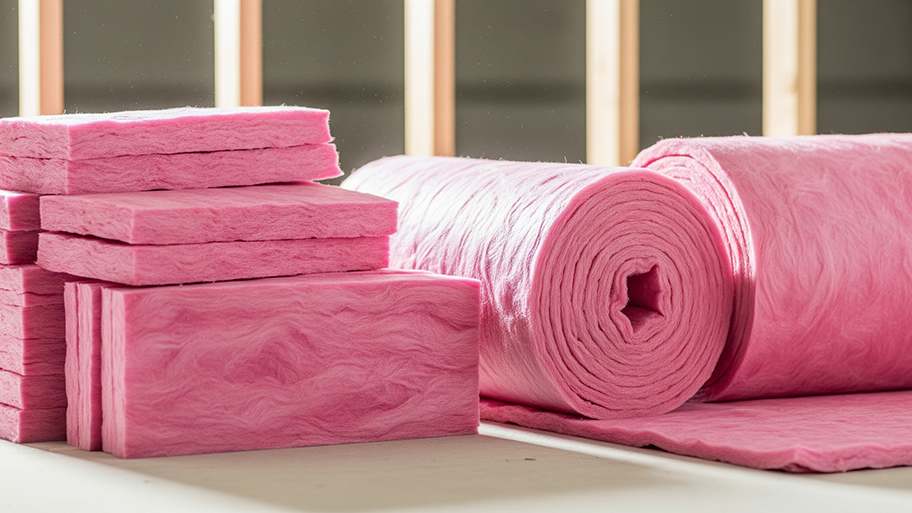
Crawl space insulation costs vary by size, insulation type, and material. Read this guide to learn how much your crawl space insulation could cost.
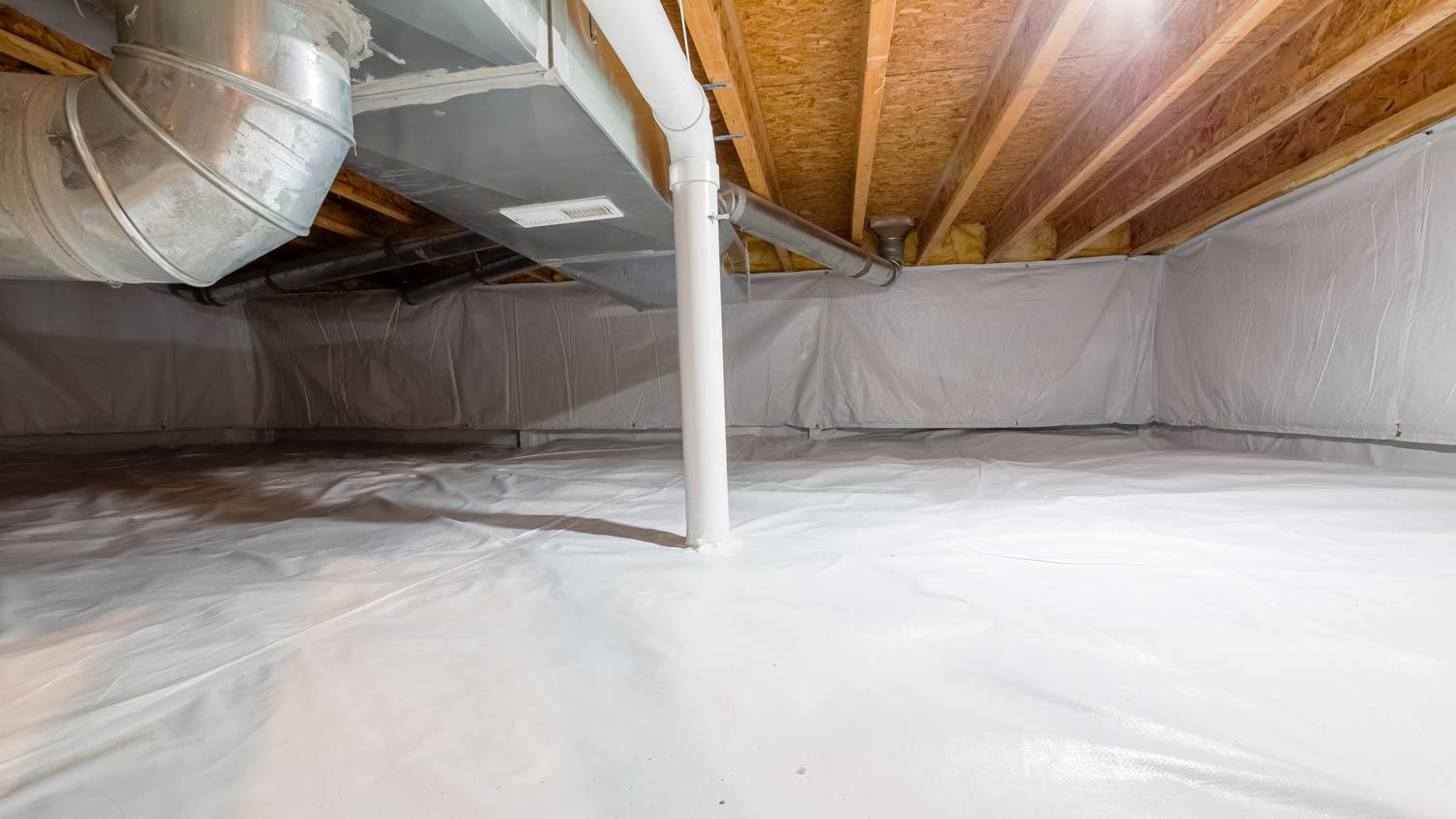
Crawl space dehumidifier costs are worth it if you consider their effect on energy bills and avoiding moisture damage. Learn what makes up the total cost of the project.

Crawl space encapsulation can make a big difference if you’re experiencing issues with mold, mildew, and pests. Here’s what you need to know.
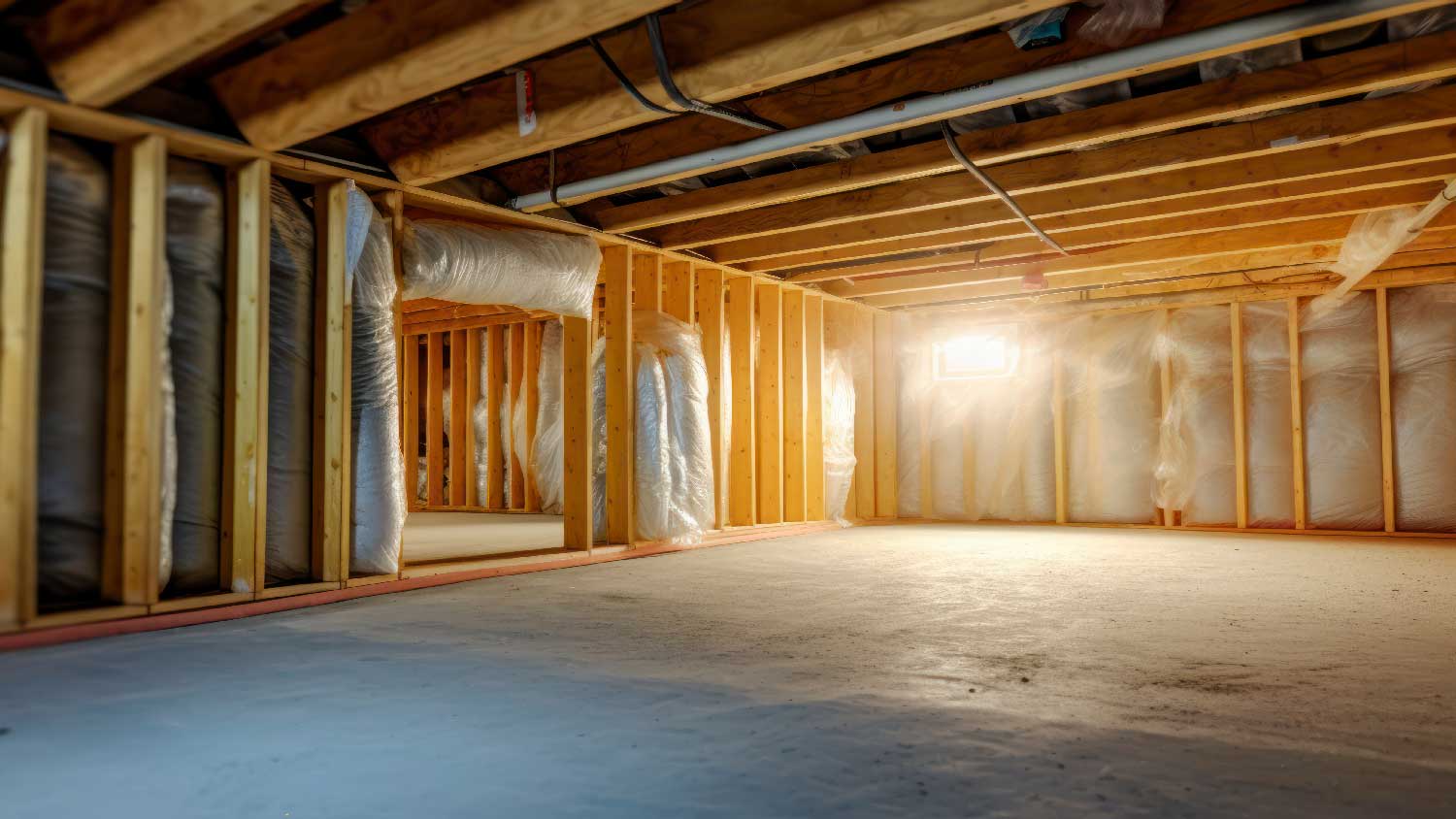
Before investing in a pricey vapor barrier, does crawl space encapsulation add value to your home? The answer is a little more complicated than you expect.
Keeping your crawl space vents open or closed largely depends on the season, moisture, and existing ventilation. Learn why weather is a major factor.