
Get the look of hardwood at a fraction of the cost. This guide will help you understand the cost to install engineered hardwood floors in your home.
Turn any wall in your home into a trendy focal point

Wood plank accent walls let you create a stunning focal point in your home, with options ranging from natural finishes to colorful painted designs.
Expect to pay $1,000 to $1,700 for professional installation, while DIY materials cost $500 to $1,500, making this an affordable weekend project.
You'll need to measure your wall, locate studs, and cut boards to fit, leaving a 1/8-inch gap at each end to protect adjacent walls.
Hiring a local general contractor provides reliable help with precise cuts, level installation, and tricky areas like electrical outlets, keeping your project on track.
Thanks to the popularity of a certain home makeover show, wood plank accent walls are all the rage. And while nothing beats pulling down your old wallpaper to discover you have an existing wood plank wall waiting for your finishing touches, creating a DIY wood accent wall is close.
Even better? This project is easy enough that most handy homeowners can knock it out in a weekend. Here’s what you need to know to get the job done.
There are limitless options when it comes to creating a wood plank wall. You can opt for a natural finish, recreate the rough look of old pallet wood, use a variety of colored stains to create a multi-dimensional look, or even opt for a fresh coat of your favorite color paint.
While there’s no wrong way to go, this is a decision you’ll want to make upfront because your desired finished look will impact a lot of steps throughout the process.
You’ll also need to decide exactly what look you’re going for with your DIY planked wall so you know how you’ll want your planks staggered:
For a rough pallet look, you should stagger your planks unevenly across the wall
Line your planks up seamlessly to create a more finished look
Shop for your planks based on the size of your wall. For example, if your wall is 12 feet across, you’re going to want to opt for boards that are also 12 feet across. These types of accent boards tend to come in 8, 12, and 16-foot lengths.
You’ll need to determine the square footage of your wall (which is length times height, if it’s been a while since your last algebra class).
Next, you’ll do the math for the boards you choose to determine the area that each board will cover. For example, say you’re using a 7-foot-by-8-inch board (that’s an area of 4.66 square feet) to cover a wall that is 16-feet-by-6-feet (that’s an area of 96 square feet).
You’ll need to divide the area of the room by the area of the planks to get the number of pieces your project will need. For this project, you’d need 20.6 planks.
Pro tip: Always round up when you’re ordering supplies for projects like this. For this project, we’d recommend you order 23 planks.
Using your stud finder and a pencil, create dark marks on your wall indicating where each stud can be found. These marks will eventually be covered by your wood planks, so do whatever you need to so that they’ll be easy to see once you begin your DIY planked wall project.

You’ll want to measure each board as you go, cutting it to fit the space where it will hang. Be sure to leave a 1/8-inch gap on each end piece (to prevent damaging your other walls during installation).
The straighter you can make your cuts, the easier the installation process will go. Using a miter saw or a circular saw and a speed square can help you make more perfect cuts.
Remove any baseboards or crown molding from the wall where you’re creating the DIY wood plank wall. Starting at the bottom, place each board tongue side up with the grooves facing down.
Use a level to make sure that the boards are straight.
Using the marks you made in step three to identify the studs, use the nail gun to attach the board to your wall.
Repeat the process with the next row of boards, except this time, make sure that the tongue from the previous board slips into the groove on the new board you’re installing. They should fit snugly together, but if they don’t, use the mallet to gently tap them into place. Continue this until the wall is covered.
Unless you are very lucky, you will most likely find yourself having to cut around things like electrical outlets or otherwise trimming your planks to fit areas where a full piece won’t fit. For smaller alterations (like outlets) you should use a jigsaw.
First, measure the item you will be cutting around and then trace it onto the board that needs to be adjusted.
Using the jigsaw, cut the traced measurement. For pieces that need to be cut down (like your final top row most likely will need to be), a table saw will be a better choice.
Then you can follow the directions in Step 5.
If you removed baseboards or crown molding for your project, now is the time to rehang it. You shouldn’t need to make any cuts or adjustments unless you plan to paint or stain it to match the rest of your wall.
Pro tip: If you’re going to keep your original molding colors but treat your wall, wait until after you’ve painted to hang the trim back up.

You’ve reached the final step, and you’re probably really able to envision what your finished project is going to look like. Once everything is hung back up on the walls, it’s time to apply your finish from Step 1.
Be sure to use painter’s tape to line the areas you don’t want to get any access paint or stain.
Using a paintbrush or old rag, apply as many coats as you need until you get the look you’re going for.
Follow the dry time directions on the product, and apply any sealant that may be needed. Once your wood has dried, it’s safe to rehang outlet covers, put up your artwork, rearrange the furniture how you want it, and enjoy all of your hard work.
Wood plank walls can make a huge visual impact without running up a huge tab. You can expect to pay $2.50 to $7 per square foot on wood planks that you can install yourself.
The average DIY plank wall will run you anywhere from $500 to $1,500. If you’d rather pay a general contractor in your area to do the heavy lifting, you can expect to pay between $1,000 to $1,700.
You can use everything from reclaimed wood from pallets to precut and painted wood from a big box store to create your DIY plank wall. Most wood will be made from pine or cedar trees and need to have some sort of topical finish (paint or stain) applied.
Use either battens like cotton or cord or fill any gaps with an acrylic calk before applying your paint or stain.
Great job! Friendly, timely and thorough.
 Eco Plumbers, Electricians, and HVAC Technicians
Supreme Brick & Chimney did a great job with a cleaning and inspection of the fireplace! He was efficient, on time, and very pleasant. The space was kept very clean, and the fireplace was spotless when he was done. He also performed a thorough inspection, and did a great job talking us...
 Supreme brick & chimney
Custom Paint Jobs LLC is the go-to choice for all your painting needs. They painted both the interior and exterior of my house flawlessly. Their work speaks for itself!
 Custom Paint Jobs, LLC
They were very helpful with design, very quick to respond, good quality work, and competitive pricing!
 Cooks Cabinets
On time, clean and finished fast. Windows seem sturdy and the finish is good. Caulking was done with no smudges. Would recommend.
 Window Depot USA of Central Ohio
If I could give 10 stars for Kitchen Tune Up, I would. I cannot say enough good things about my experience with Kitchen Tune Up and the entire team involved in the process of my kitchen project. They went above and beyond as far as service and quality with my cabinets, paint, countertops, and...
Beginning with the estimate, Larry and Peyton were super helpful in getting my new condo's interior re-painted. Not only was the job well done, but also done in a super timely manner as promised.
 Five Star Painting of Plain City and Powell
Great job...edging and pre clean up went well with a great job with seal coat. Friendly, efficient and professional.
 All Star Paving and Sealing
We were having 2”x 2” tile installed . There was a small installation error and the new additional replacement tile was from a different lot and the colors didn’t match. Joe assured us that he would rectify everything , which he did without hesitation. We decided to go with the 18” x 36” tile...
 CarifaTile
We live in a condo and had space to add a tall cabinet. The problem was the space was already occupied by our catsâ litter box. We needed to still keep the litter box in that same corner. Beiler Custom Cabinets was able to work with our need and design request. What was created was an...
 Beiler Custom Cabinets, LTD
From average costs to expert advice, get all the answers you need to get your job done.
Get the look of hardwood at a fraction of the cost. This guide will help you understand the cost to install engineered hardwood floors in your home.
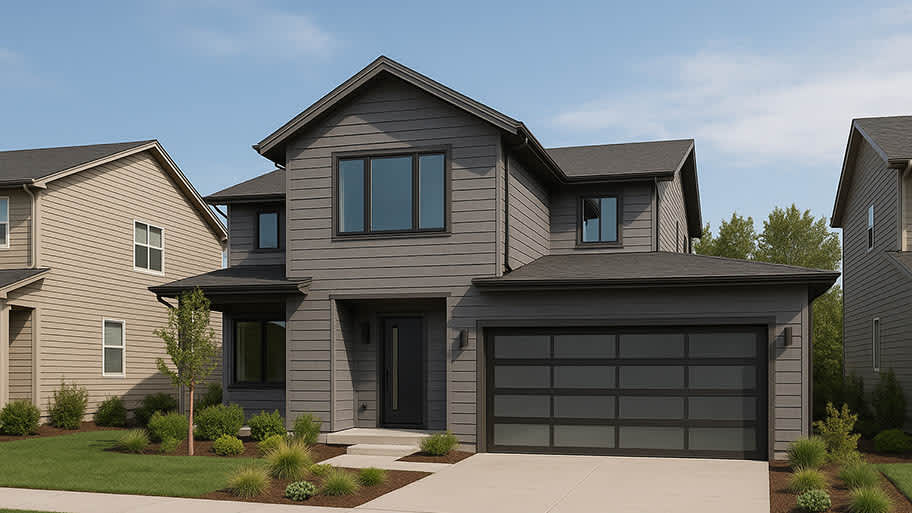
Cedar, pine, cypress, or fir—wood siding is a durable and elegant choice for the outside of your home. Here are the wood siding costs to expect.
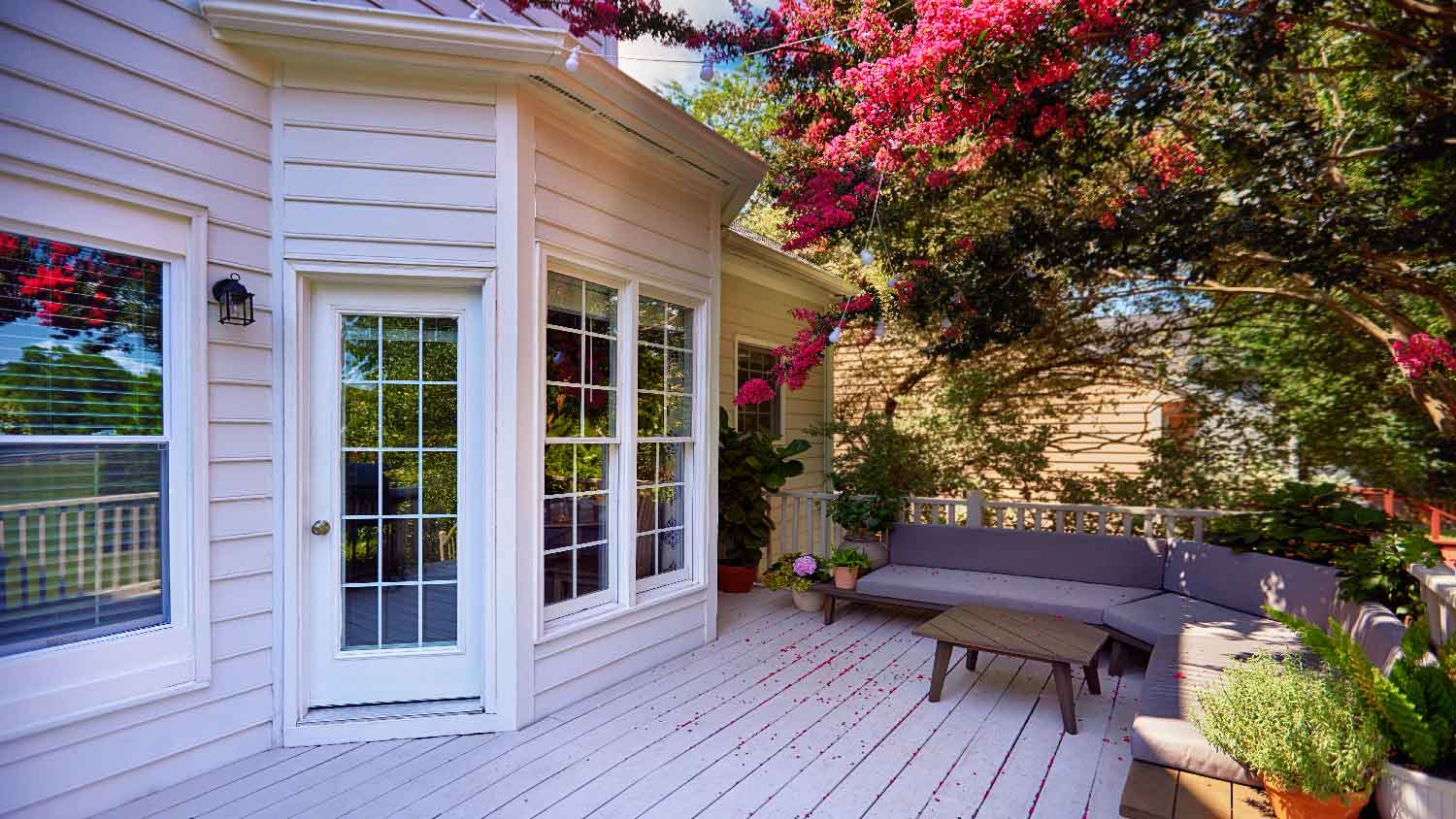
How much does engineered wood siding cost? You’ll spend anywhere from $4 to $13 per square foot, depending on a few different factors.
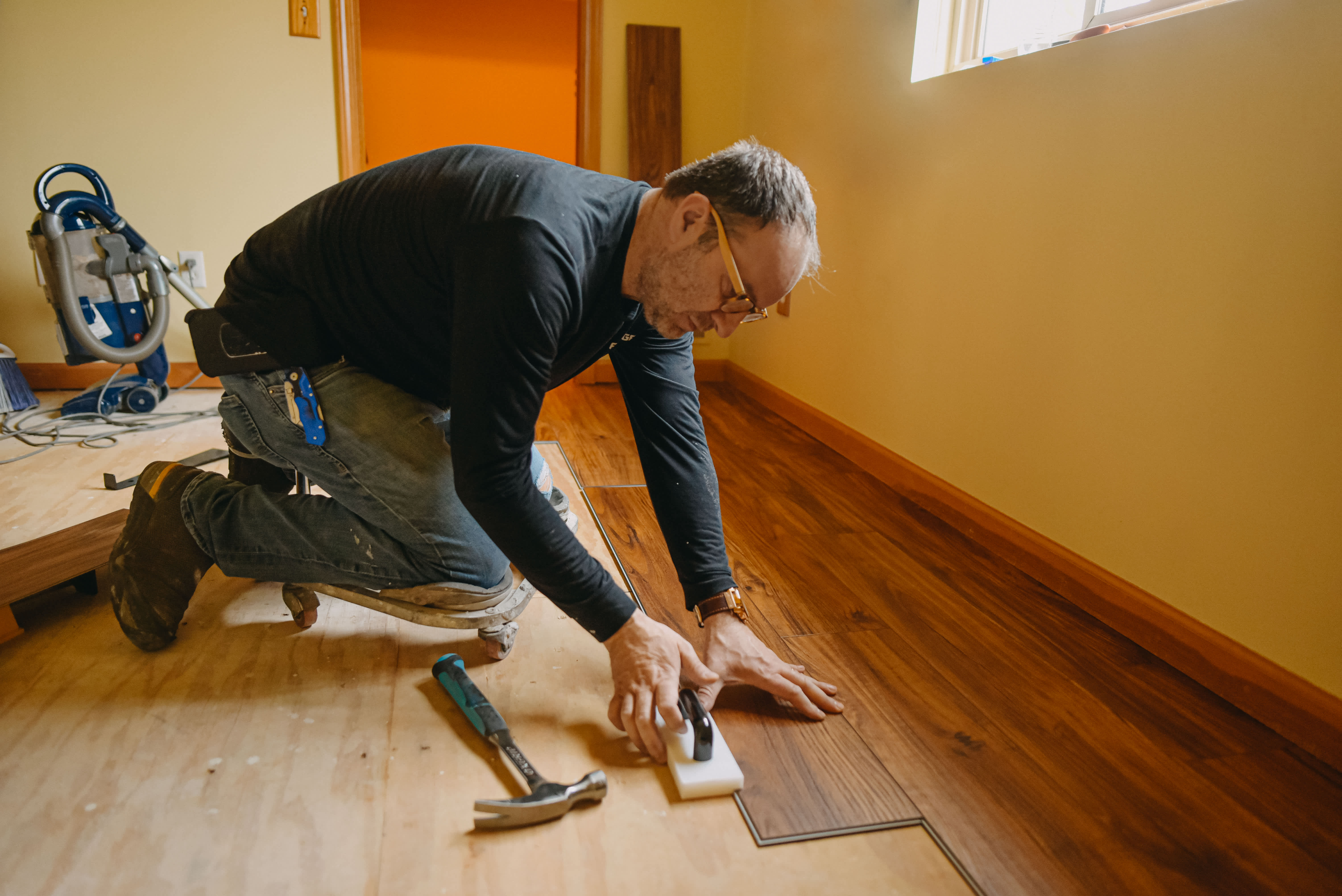
You can avoid buckling, gapping, and regret. Discover the most common vinyl plank flooring installation mistakes and how to dodge them like a pro.

Looking for an inexpensive and low maintenance flooring option? Learn how to install vinyl plank flooring yourself and give your existing floors an update.
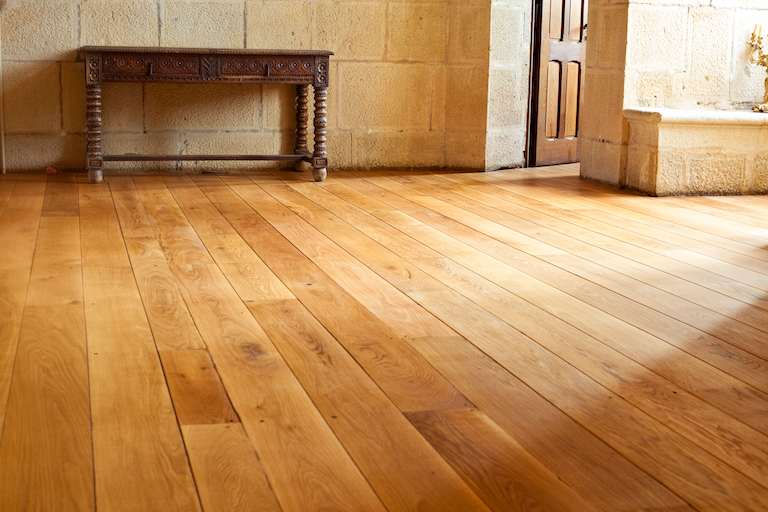
When choosing hardwood flooring, you should consider the best hardwood plank size for your project. Here are four different widths and how to use them.