
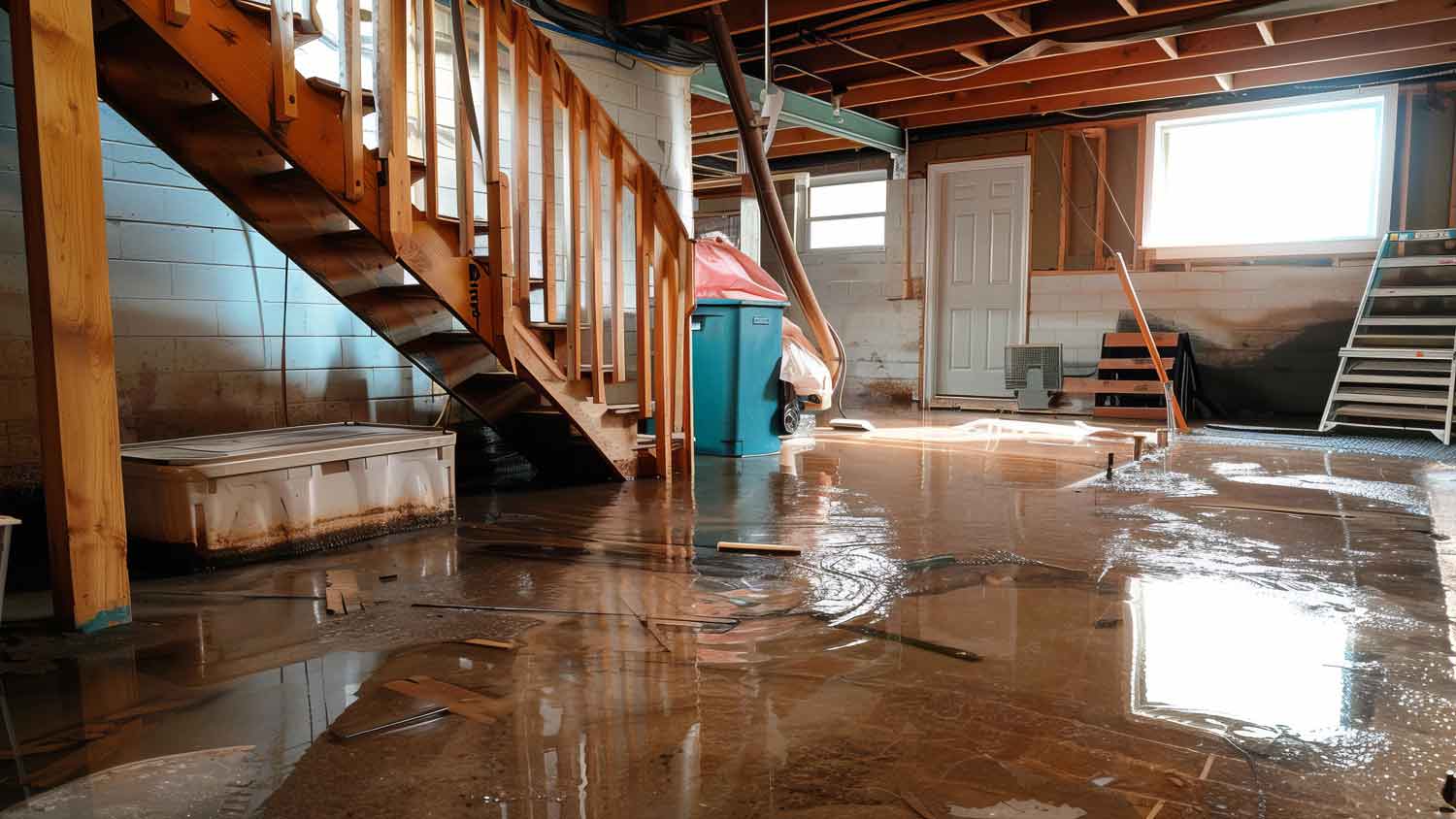
Discover flooded basement cleanup cost estimates, key price factors, and tips to save money. Learn what impacts your total cost and how to budget for cleanup.
Drying the area and using preventative measures can fix basement moisture

Your wet basement indicates moisture seeping through foundation cracks, wicking through porous concrete, or condensing from plumbing leaks that can damage your home.
Basement waterproofing costs average $5,200 but range from $600 to $15,000 depending on your moisture problem, so addressing issues early helps.
You can reduce basement humidity by sealing foundation cracks, installing gutters with downspout extenders, and using a dehumidifier to keep air dry.
Hiring a local basement waterproofing professional provides expert help with foundation drainage systems, exterior waterproofing, and permanent moisture solutions for your home.
Basements can either be damp, musty, and unwelcoming areas under your home that serve little purpose or serve as additional living spaces that are as clean and inviting as your main living area. The difference often comes down to moisture. Basements naturally trap moisture, but there are plenty of things you can do to get rid of the humidity and keep the space dry. In this guide, we’ll explain why basement moisture is an issue, some underlying causes, and how to get rid of moisture in your basement.
Yes, a damp basement can be a serious issue that leads to a whole slew of related problems. Moisture underneath your home can be damaging in the space itself, but it can also travel upstairs through a process called the stack effect, ultimately having a negative impact on your main floors as well. Some of the most common issues that result from basement humidity include:
Mold growth
Pest infestation
Structural damage from wood-destroying insects (WDI)
Poor indoor air quality
Humidity in your living space
Increased utility bills
Damaged insulation and other building materials
Wood rot and potential resulting structural issues
The repairs and remedies for these issues can easily total several thousand dollars, and preventative measures can rise above $10,000 depending on the underlying problem and the extent of the issue.
Since basement moisture is such a prevalent and potentially expensive issue, it’s important to take the steps necessary to fix a leaky basement and prevent problems in the future. Luckily, there are things you can do to keep your basement adequately protected.
Sealing your walls and floor can help you get ahead of potential leaks, as these are the most likely culprits for allowing water into your basement. Waterproofing your basement can either involve putting a vapor barrier over the concrete or applying a waterproof paint to the concrete. It’s important to note that this isn’t a standalone solution and is just one step in your overall basement waterproofing efforts.
You should also seal foundation cracks where water and water vapor may be entering. If you have cracks that are level from side to side and are less than ⅛-inch thick, you can probably safely seal them yourself using a concrete crack sealer. For more severe cracks, you may need a structural engineer to confirm that you don’t have structural issues. After that’s confirmed, we recommend hiring a basement waterproofing company near you to seal the wider cracks.
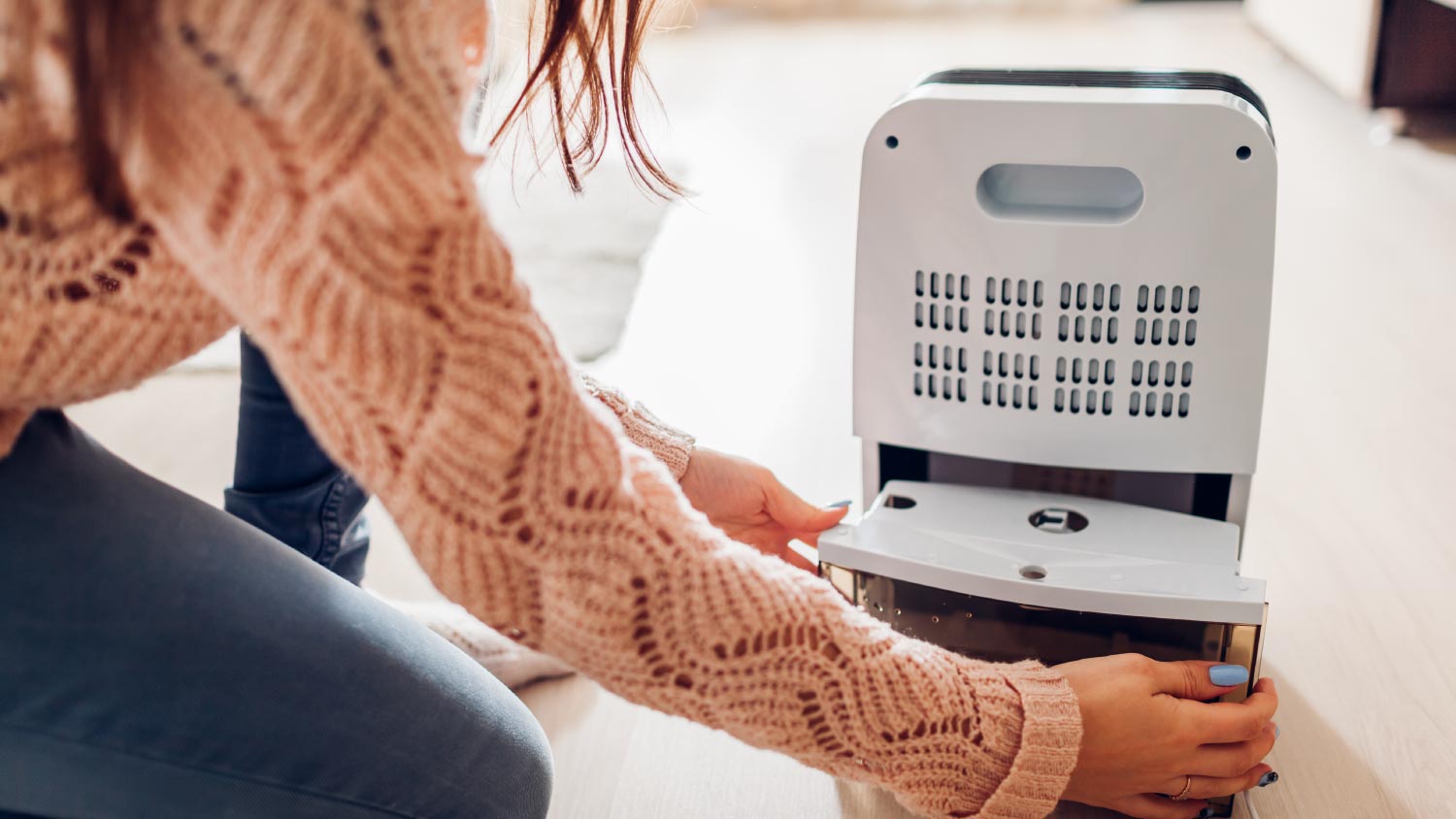
Basements tend to be more humid than other parts of the house, so even if moisture isn’t a problem in your main living area, you can benefit from installing a dehumidifier in your basement. We recommend installing a self-draining dehumidifier that drains into your sump pump, as you won’t need to remember to empty the tank manually when it gets full.
You can go for a smaller, portable unit, but if you really want to make a big impact, you can invest in a permanent basement dehumidifier. These range in cost from $800 to $1,200 for a 75-pint model to $1,700 to $2,000 for a 130-pint model. In most cases, they’re well worth the investment to prevent humidity from building up.
On hot and humid days, in particular, damp air in your basement can condense on the surface of plumbing pipes, drip onto building materials, and cause water damage in addition to ongoing humidity problems. Insulating your pipes can help to reduce this condensation. Plus, in extremely cold climates, insulating your basement walls can save energy and reduce your heating costs.
You can also add insulation behind the walls in your finished basement or to the underside of the flooring system above. Insulation helps to make your home more energy-efficient, and can also act as another barrier to keep moisture outside where it belongs. Be careful to use insulation that won’t hold moisture and promote mold growth. Spray foam and rigid foam insulation are good options; batt insulation doesn’t provide a barrier for moisture and, therefore, isn’t a great option for a basement.
If you don’t have a gutter system installed on your property, having a professional install gutters, downspouts, and downspout extenders is a highly effective way to keep moisture out of your basement.
Since most issues with damp basements come from runoff in the soil working its way inside, gutters, which relocate excess runoff away from your foundation, are a great way to avoid moisture problems.
Just keep in mind that, over time, debris like leaves, sticks, and acorns can accumulate in your gutters, resulting in blockages. The consequence of clogged gutters is often water spilling over the sides and landing right against the foundation. Regularly inspecting and cleaning the downspouts and gutters can help successfully direct water flow away from your home’s foundation.
Foundation drainage systems are also highly effective for reducing the amount of groundwater that comes in contact with your basement walls and seeps inside, creating moisture problems.
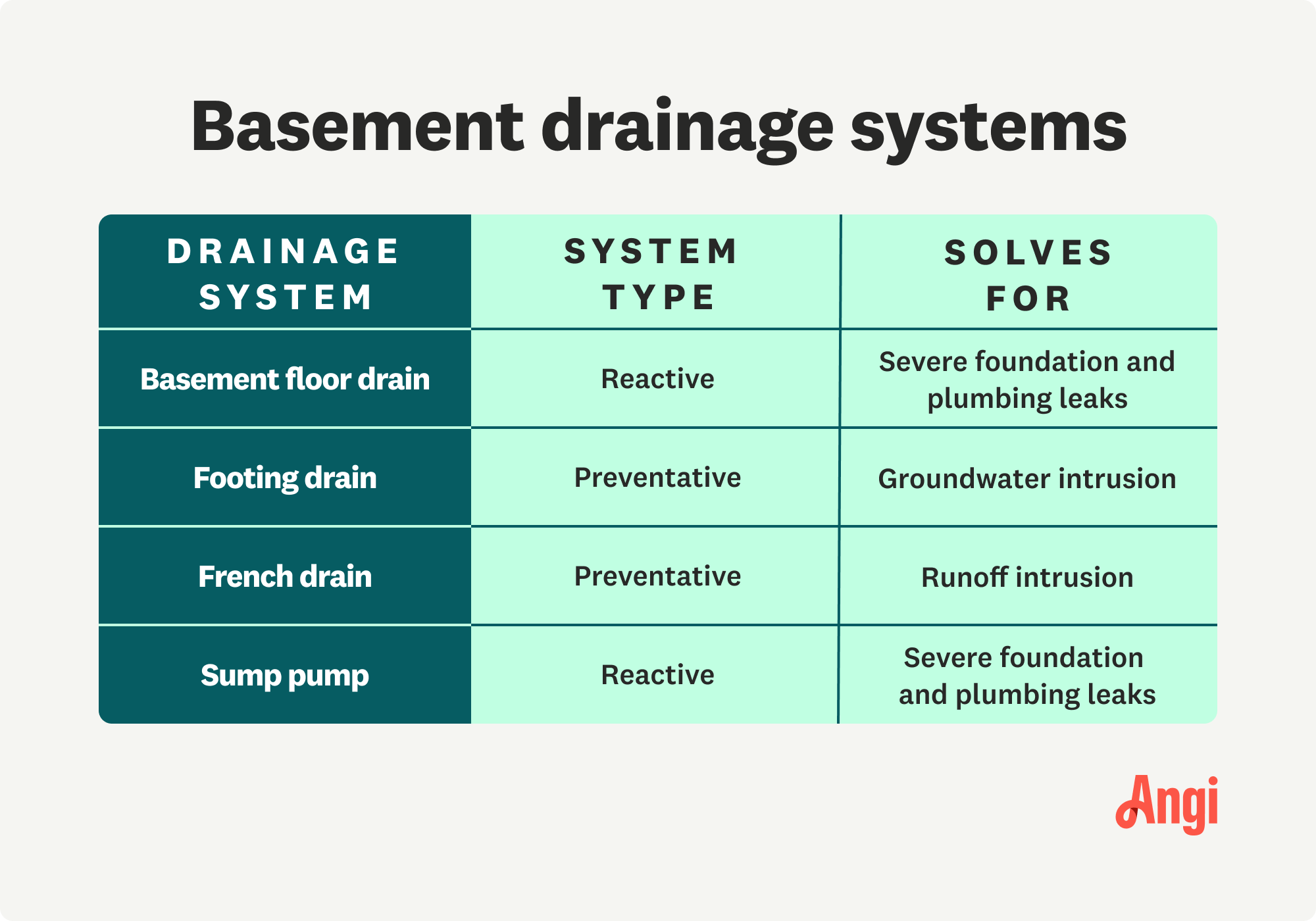
There are a few different kinds of systems that can help solve underlying foundation drainage problems. Preventative drainage systems are better for keeping moisture at bay, while reactive systems help avoid standing water that also contributes to a damp basement.
Exterior waterproofing, also called damp-proofing, is either a rubber barrier or waterproof paint that you can use on the exterior wall of your foundation. The barrier prevents water in the soil from coming into contact with your foundation, which can limit leaks through foundation cracks as well as water wicking in through the pores in the concrete and evaporating inside. The paint can help limit how much water wicks through the concrete.
It’s best to waterproof your basement’s exterior walls during construction to keep costs down. Waterproofing efforts on the inside of your home are more affordable, given the ease of access.
Grading soil away from your home at a slope of one inch per foot for every 5 -to-10 feet away from your foundation is one of the simplest ways for a damp basement solution. Graded soil creates a natural downward slope that will pull excess runoff away from your foundation. This often isn’t a standalone solution, but in combination with a gutter system and other methods, it could be enough to keep your basement dry.
Since basements are enclosed, they will naturally trap any moisture that gets in there. Unfortunately, basement moisture can come from a few different places.
All foundations crack, and any crack in the concrete can let water into your underhome area. In most cases, cracks from normal settlement won’t be a major issue. It’s more likely that structural cracks that are ⅛-inch wide or more will be your problem.
When runoff from rain or snow soaks into the soil around your home, it can eventually leak through large cracks and evaporate into the air in your basement.
According to data from Angi, the most common foundation problem is basement flooding, making up around 29% of reported issues. Another 20% of homeowners reported issues with excessive dampness, while about 12% mentioned problems with shifts and cracks.
Even if your foundation doesn’t have any cracks, the water in the soil can still wick through the porous concrete if it remains in contact with your foundation for an extended period of time. When this occurs and the water reaches the interior wall, it evaporates into your basement, usually leaving behind white minerals on the wall called efflorescence.
While exterior water in the soil is more often the culprit for humidity and water damage in your basement, interior plumbing leaks can also cause issues. Even small pinhole leaks in aging and corroded pipes that don’t leave pooling or standing water in your basement can create problems with basement humidity.
If your basement has a bathroom or a kitchen, the hot water and steam from bathing or cooking can get trapped in the air and eventually cause problems. Installing an exhaust fan in the bathroom and a vent hood over the range can help prevent moisture issues from developing.
Basements are popular areas of the home to set up exercise equipment. But, without a dehumidifier, any sweat you evaporate or moist air you breathe out while exercising can contribute to basement moisture problems.
Waterproofing is crucial for basements to prevent water intrusion, mold growth, and structural damage. Interior waterproofing methods like sealants and vapor barriers help control moisture levels but don't address the root cause. Exterior waterproofing, such as waterproof coatings and French drainage systems, are often more effective in preventing water from entering the basement.
Waterproofing your basement isn’t just about keeping things dry; it’s an investment in your home’s health and value. On average, homeowners can expect their basement waterproofing costs to average around $5,200, but the price tag can swing from as low as $600 to upwards of $15,000, depending on what your space needs.
For instance, your bill will be relatively low if you only need a few cracks patched. However, if your basement needs the full monty, which includes drainage systems, sump pumps, and exterior sealing, you could be looking at a five-figure bill. Remember, basement size, severity of the situation, and repair methods all play a role in the final bill.
Many damp basement solutions are suitable for DIYers, but others require the help of a professional who can remove water in your basement. Some of the things we recommend for DIYers include:
Grading the soil away from your foundation.
Cleaning out your gutters and downspouts.
Installing downspout extenders.
Carrying out a DIY inspection two to four times per year.
Installing a portable dehumidifier.
Sealing non-structural hairline cracks in the foundation.
The more involved—and often more permanent—solutions to a damp basement are best left to professionals who can handle the scope of work. Some things best left to the pros include:
Installing gutters and downspouts.
Carrying out professional inspections.
Stabilizing and sealing wide or structural cracks.
Installing a built-in or permanent dehumidifier.
Insulating pipes and walls.
Installing a foundation drainage system.
Installing exterior basement waterproofing.
Finished Basements Plus was wonderful from beginning to end! First, they came out quickly for an estimate. I had 4 estimates and theirs was by far the best. (2 of the estimates were more than $20K higher than for the exact same work). Beyond their fair pricing, the work was excellent. They...
 Finished Basements Plus Inc.
Amazing job. Efficient and quick without compromising quality. Basement feels brand new. Would use them again in a heartbeat.
 AffordaPro Restoration
Window Depot did an amazing job installing the windows in my basement! The process from start to finish was by far more than what I expected. I would highly recommend Window Depot if you want professionalism from the the consultation to the installation. Dont settle for mediocre when you can...
 Window Depot USA of Central Ohio
They cleaned my very dirty basement. They were prompts, quick, thorough and their price was fair.
 JDE House Cleaning LLC
I am very pleased with the services performed by OTS. Bless my late Mother, but she was a bit of a pack-rat. The basement of her home was crammed with 40+ years of "stuff," and the other companies I contacted were concerned with possible mold contamination of the items due to the musty smell...
The company was very easy to work with. My family is now able to enjoy a space that at one point, only collected junk!!!! I feel like i have a whole new addition to the house!!! Wonderful work Blurock on our basement, will recommend!
 BluRock Services, Inc.
Excellent work. Opted for the service contract which provides spring and fall checkups and deduction on maintenance charges which seems to be a good value. Initial dehumidifier for our large basement was undersized. They replaced unit after it failed with a larger unit and charged only for...
 Total Comfort Heating & Cooling Inc
We had water in our basement and Roto Rooter was original contact to evaluate the situation. We were informed that our sewer main was fractured and needed repair. We received their estimate and then looked for counter offers. Ohio Basement Authority came with the best quote for the work. Once...
 Ohio Basement Authority
Called Mark on a Thursday morning. Not really knowing if he could help me or not. I was having driveway, flooding issues due to a clogged channel drain and I was trying to figure out what direction to take. Heavy rains had come on Monday and again on Thursday leading to flooding in my garage...
 Mark Rodgers Construction
The crumbling basement wall needing repair is beneath a large 2 story porch. What i thought would be a complicated project was made very easy by this crew. I was very impressed with the speed and quality of the work performed. The job was finished in just a week as estimated. There were...
 Ohio Basement Authority
From average costs to expert advice, get all the answers you need to get your job done.
Discover flooded basement cleanup cost estimates, key price factors, and tips to save money. Learn what impacts your total cost and how to budget for cleanup.

An unfinished basement has a lot of potential for a family room or guest suite. So how much does it cost to finish a basement? Read on for all cost factors.

Need to fix basement water problems or safeguard your home from damage in the future? Use this basement waterproofing cost guide to budget appropriately.
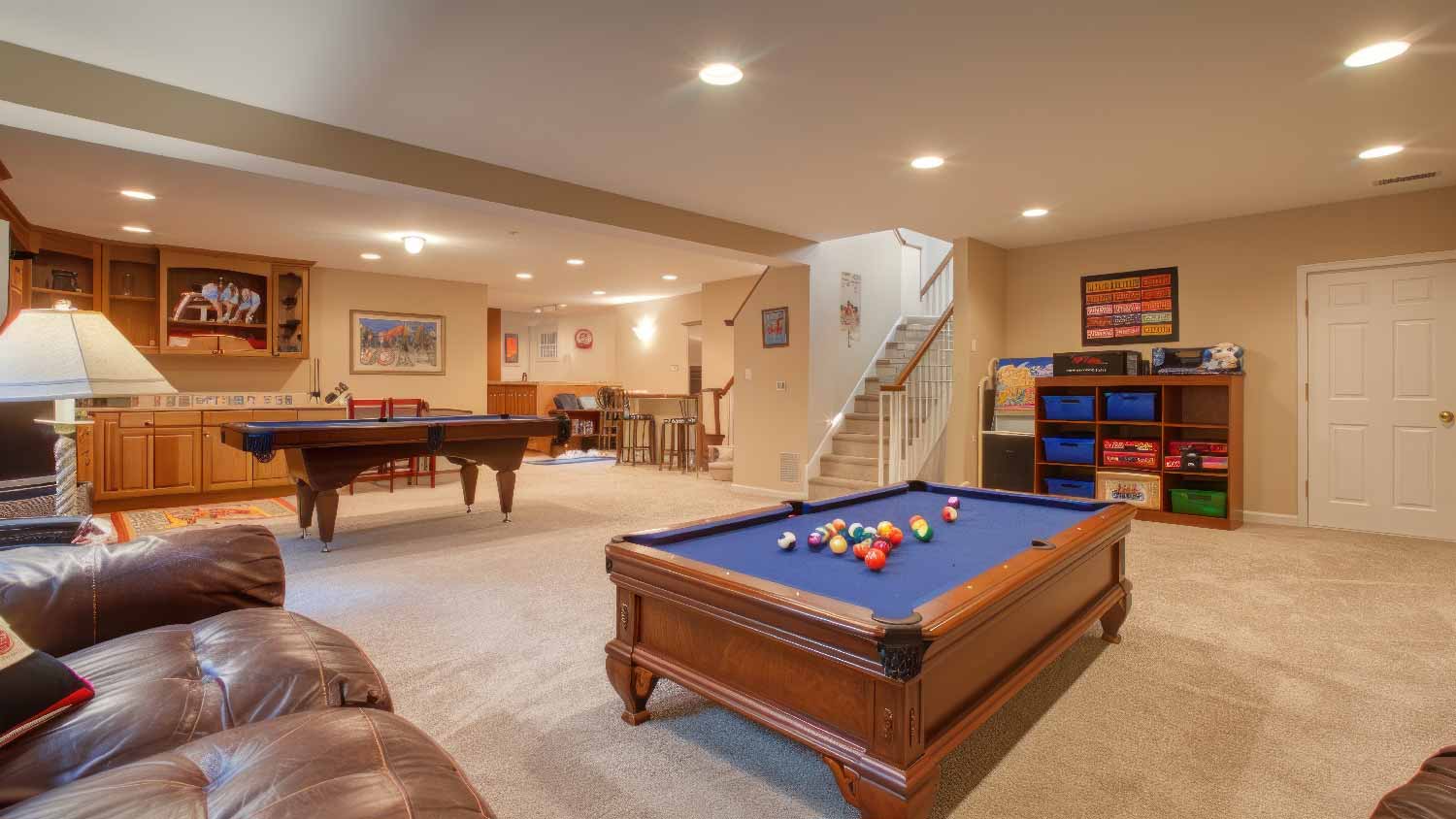
The best carpet for basements should be durable and water-resistant while providing comfort underfoot. Here are the best ones for your consideration.

Improper humidity levels can negatively affect the air quality in your home. This information will help you understand what the humidity should be in a basement.
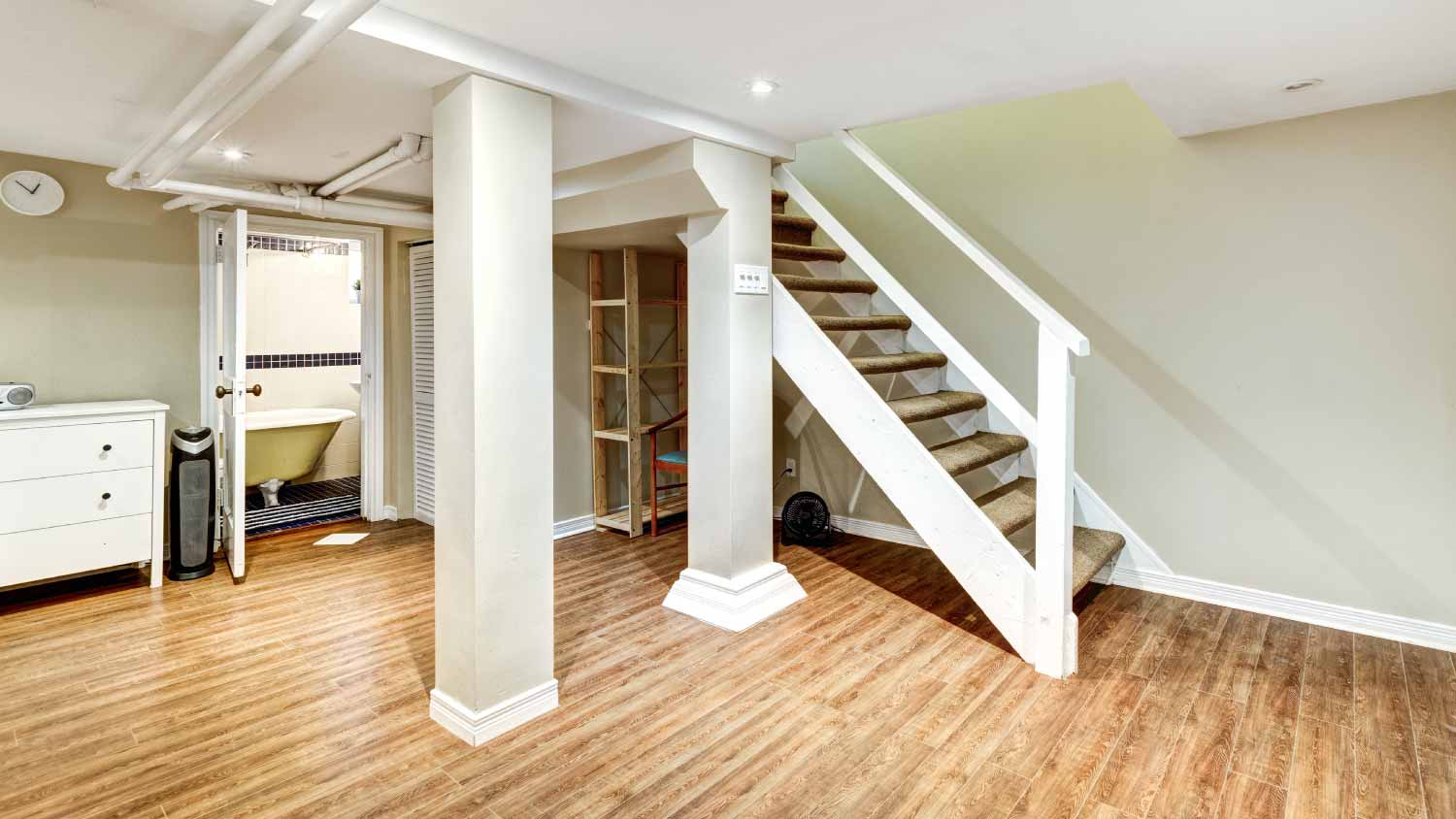
Unearth the root causes of water seepage in your basement floor. Explore effective solutions to keep your basement dry and your home protected.