
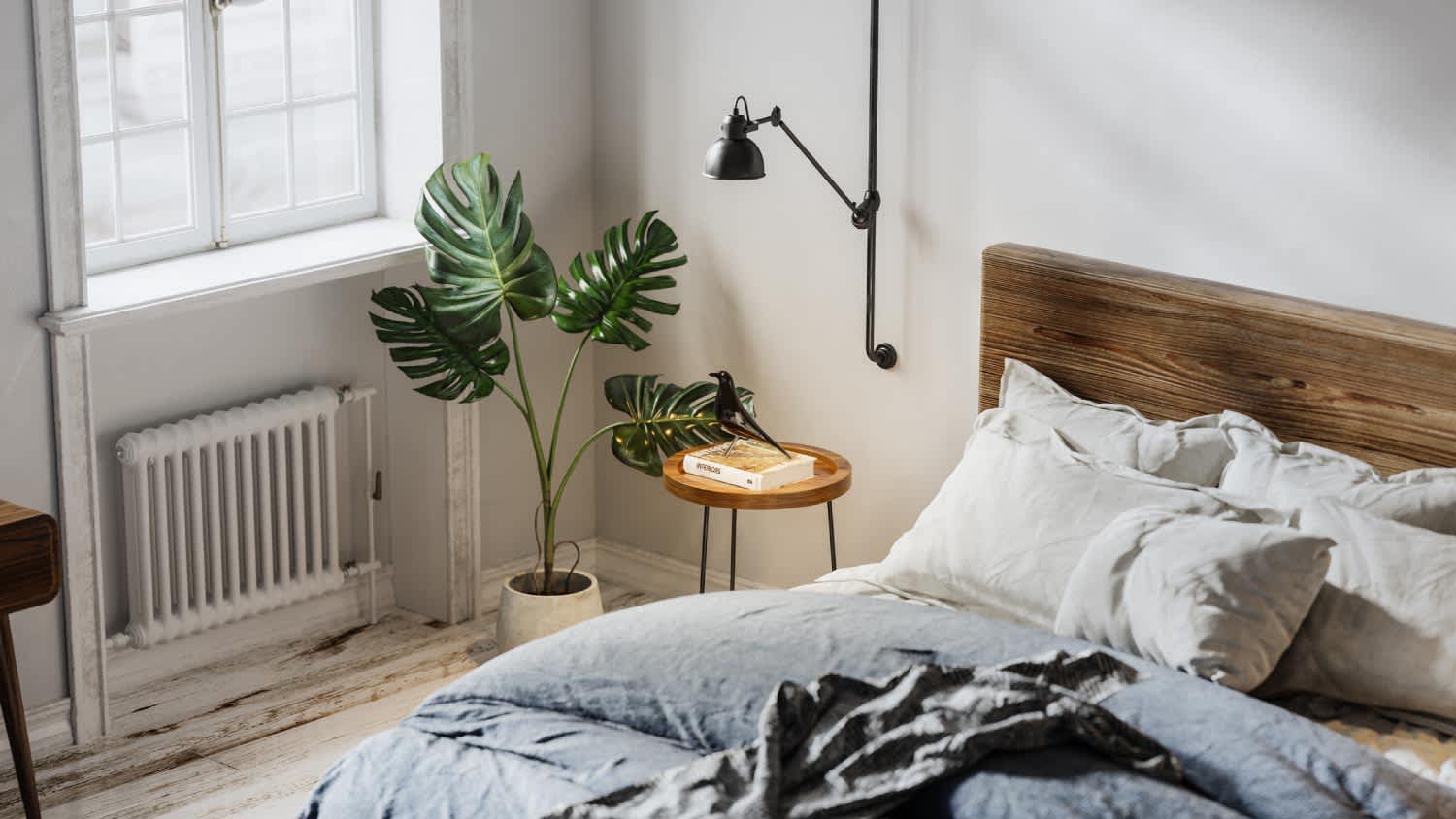
What are the best plants for your bedroom? From peace lilies to aloe vera, find out our top picks for bedroom plants. Plus, learn all about their health benefits.
Breathe easily with this simple-to-follow air plant guide

Caring for air plants successfully depends on proper watering, as you soak them weekly for about an hour in room-temperature water before drying completely.
Your air plants need bright indirect light and temperatures between 50 and 90 degrees F, plus strong air circulation to stay healthy and hydrated.
You maintain healthy air plant care by fertilizing monthly with bromeliad-specific products and carefully pruning only brown tips or dried flowers without cutting inside leaves.
Hiring a local gardening professional provides expert guidance on proper watering schedules and environmental conditions, helping your air plants thrive in your home.
Hanging from wreaths, outfitting terraria, or filling shells, trendy air plants (Tillandsia) straddle the line between houseplants and décor. Since they don’t need soil, these plants can grow anywhere, like in glass globes and on driftwood—no pots required. Although you won’t get your hands dirty caring for them, you still need to give them some TLC. Read on as we get to the root of how to help them thrive.

Purchase air plants from florist shops, garden centers, or online florists specializing in air plants. Look for specimens without brown or yellow leaves or dry tips. Ideally, they should feel cool to the touch. These are all signs that plants are hydrated and healthy. If you order air plants online, you should be able to perk them up with a 24-hour soak.
Make sure your air plants get the air, light, and heat they need.
Air: Lots of air circulation is essential. So, if you place them in a terrarium or other container, choose one with a very wide opening.
Light: Make sure plants are exposed to bright filtered or indirect light—intense sunshine can burn them.
Heat: Keep air plants in rooms between 50–90 degrees F. These tropical and semitropical plants native to the Southern U.S., Mexico, and Central and South America thrive in rainforest-like conditions and will die at 45 degrees or colder.
In nature, air plants derive moisture from humidity and rainwater. Inside our homes, they need regular watering. Although several hundred varieties are unique, most should be watered weekly. The exact amount depends on their variety and the humidity of your home.
Be sure to use tap water that you left out overnight in an open container (so the chlorine dissipates) or rainwater, pond water, or aquarium water. (Never use soft water, whose salts can damage the leaves.) The water should always be at room temperature.
Fill a basin or sink with enough water to submerge your plants. Then soak for about one hour.
If your air plants are glued onto decorative supports and are impossible to submerge, you can still water them. Either submerge only the leaves when soaking, spray them with water daily or every other day, or hold their leaves under gently running water two to four times a week. Whichever method you choose, never wet the flowers. Along with leading to rot, doing so shortens their blooming periods.
In the winter, when indoor air is dryer, you can mist your air plants every other day in addition to soaking weekly. If you have Spanish moss, skip the soaking entirely and instead hydrate by misting daily.
Never skip this critical step. After removing each plant from the water, shake a few times. Then turn upside down and let sit out on a clean cloth or paper towel for a few hours—until completely dry. To help this process along, you can place plants in front of a small fan on a low setting. Only after they’re completely dry, return plants to their original location. Never put them back if they’re at all wet—the water can cause rot.
To provide the nutrients that air plants would get in nature, fertilize your air plants with a product intended for air plants, orchids, or other bromeliads. Once a month, add fertilizer to the soaking water or spray your plants with fertilizer after soaking. Don’t use too much, as an excess can burn air plants.
Learning how to prune air plants is essential to their overall health. When the bottom leaves begin to look yellow or limp, you can peel them off. You can also use scissors to trim brown tips off leaves and remove any dried-out flowers. Never cut the bottom or inside leaves of air plants.
Great job! Friendly, timely and thorough.
 Eco Plumbers, Electricians, and HVAC Technicians
Supreme Brick & Chimney did a great job with a cleaning and inspection of the fireplace! He was efficient, on time, and very pleasant. The space was kept very clean, and the fireplace was spotless when he was done. He also performed a thorough inspection, and did a great job talking us...
 Supreme brick & chimney
Custom Paint Jobs LLC is the go-to choice for all your painting needs. They painted both the interior and exterior of my house flawlessly. Their work speaks for itself!
 Custom Paint Jobs, LLC
They were very helpful with design, very quick to respond, good quality work, and competitive pricing!
 Cooks Cabinets
On time, clean and finished fast. Windows seem sturdy and the finish is good. Caulking was done with no smudges. Would recommend.
 Window Depot USA of Central Ohio
If I could give 10 stars for Kitchen Tune Up, I would. I cannot say enough good things about my experience with Kitchen Tune Up and the entire team involved in the process of my kitchen project. They went above and beyond as far as service and quality with my cabinets, paint, countertops, and...
Beginning with the estimate, Larry and Peyton were super helpful in getting my new condo's interior re-painted. Not only was the job well done, but also done in a super timely manner as promised.
 Five Star Painting of Plain City and Powell
Great job...edging and pre clean up went well with a great job with seal coat. Friendly, efficient and professional.
 All Star Paving and Sealing
We were having 2”x 2” tile installed . There was a small installation error and the new additional replacement tile was from a different lot and the colors didn’t match. Joe assured us that he would rectify everything , which he did without hesitation. We decided to go with the 18” x 36” tile...
 CarifaTile
We live in a condo and had space to add a tall cabinet. The problem was the space was already occupied by our catsâ litter box. We needed to still keep the litter box in that same corner. Beiler Custom Cabinets was able to work with our need and design request. What was created was an...
 Beiler Custom Cabinets, LTD
From average costs to expert advice, get all the answers you need to get your job done.
What are the best plants for your bedroom? From peace lilies to aloe vera, find out our top picks for bedroom plants. Plus, learn all about their health benefits.
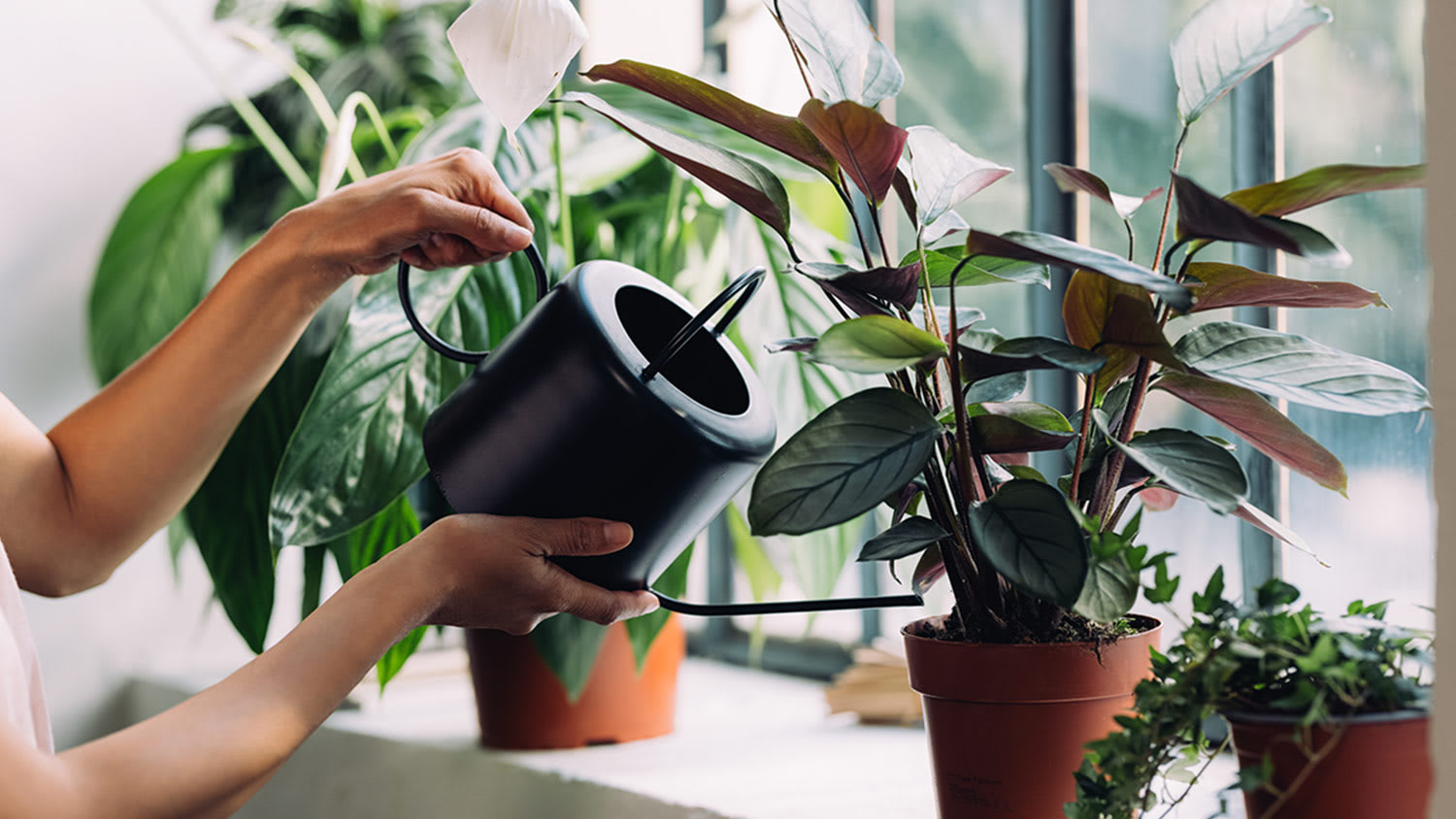
Purifying the air in your home is easy to do with the right houseplants. Use this guide to find a houseplant for clean air that will also be easy to care for.
Your indoor plants can still feel the outdoor wrath of the elements—especially in winter. Here are 10 top tips to keep your houseplants thriving all year long.
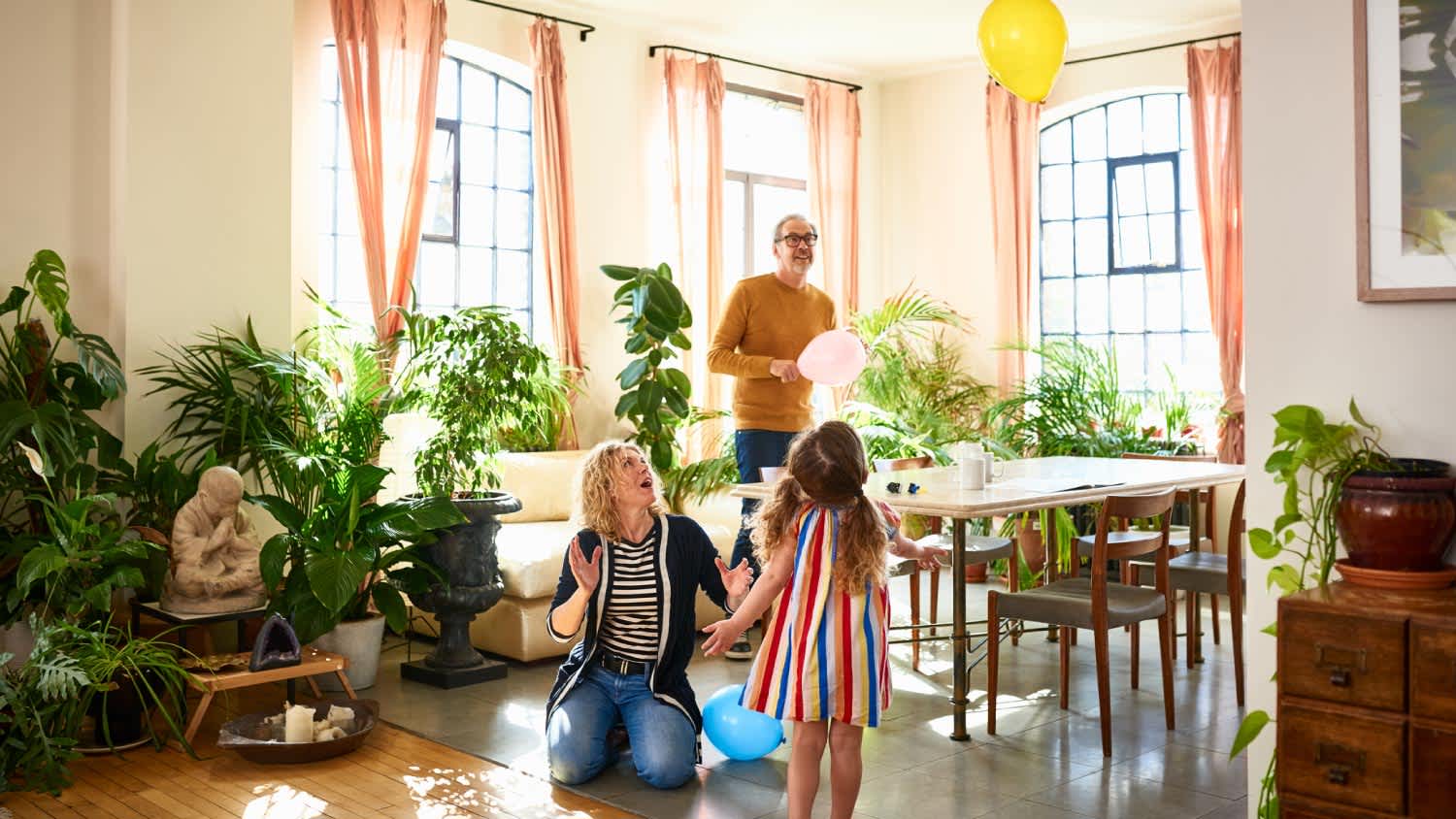
Want to add more plants to your home? Here are the best plant types for each room—from the bathroom to the bedroom.
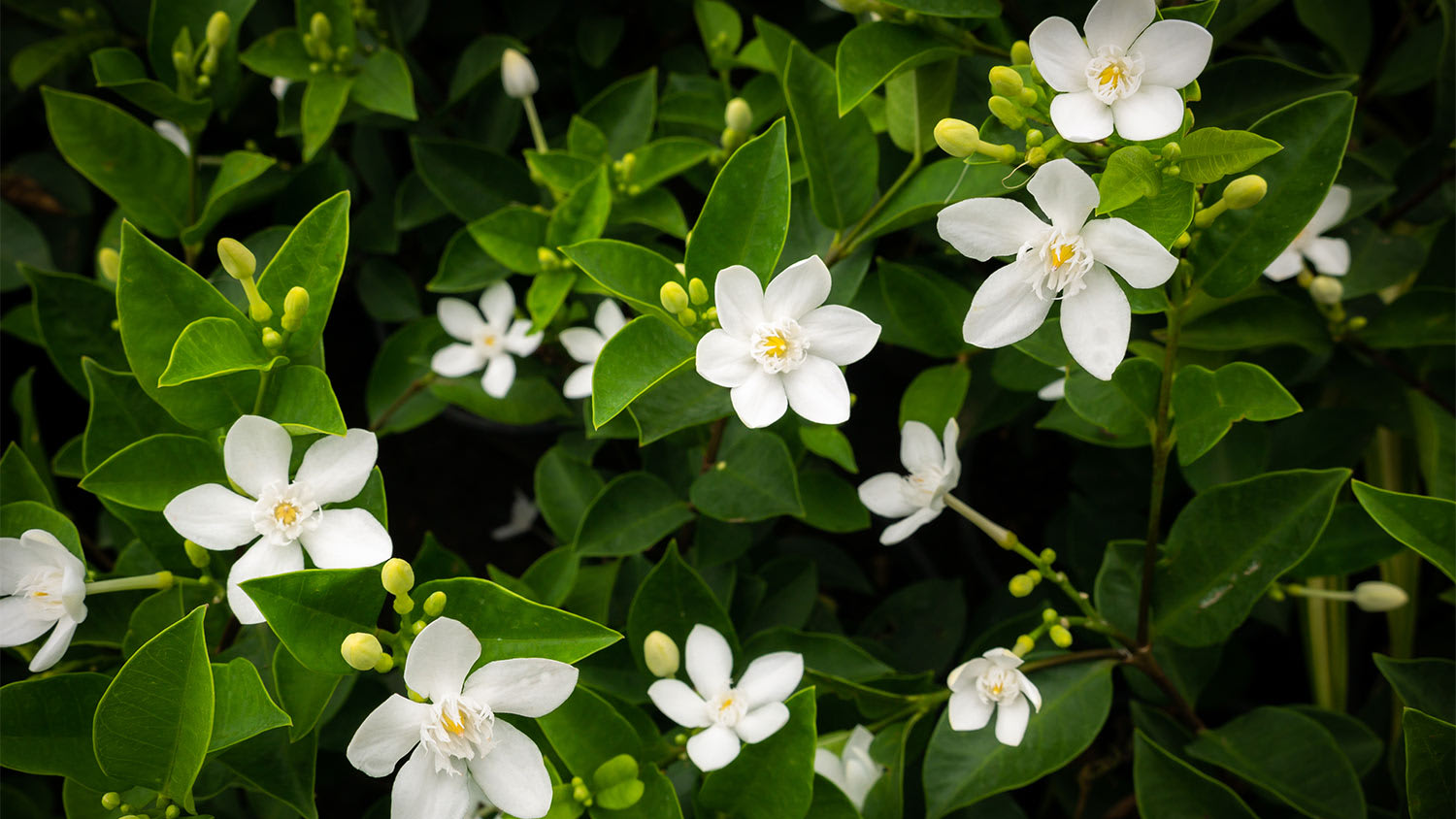
Learn how to grow and care for gardenia plants, the ornamental broadleaf shrub with an unforgettable scent and gorgeous waxy, white flowers—both indoors and out.
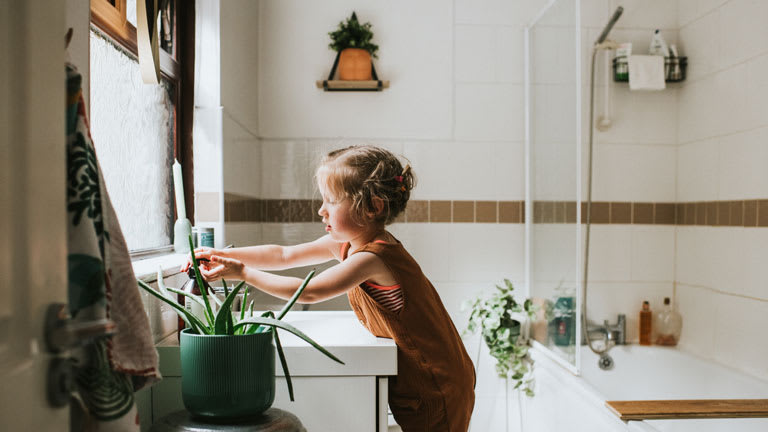
Your bathroom's steamy humidity and indirect sunlight create a perfect mini-ecosystem for some of our favorite greenery. Check out some of the best plants for a bathroom and how to care for them in this unique room of the house.