
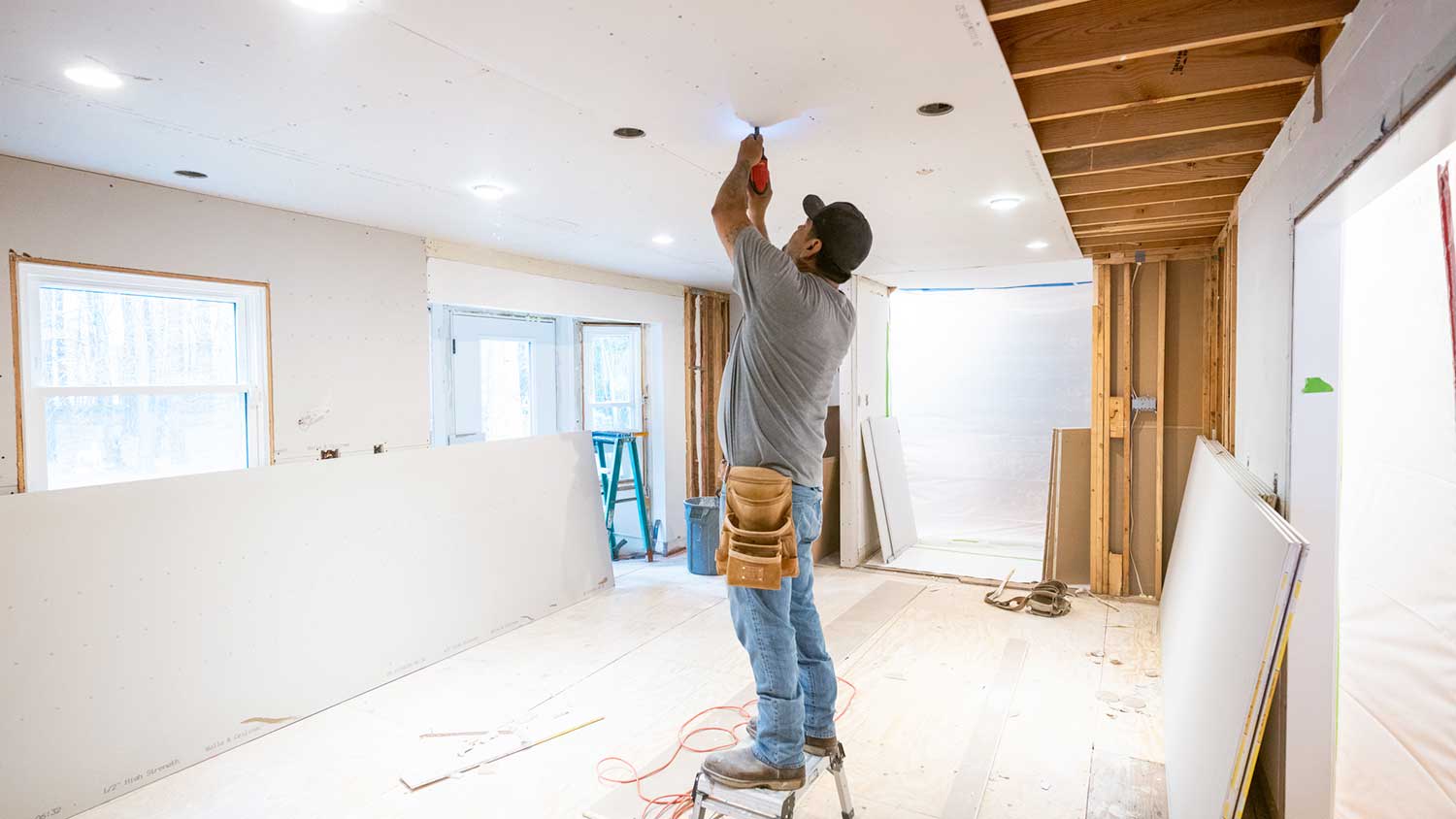
Not sure whether to install Trusscore’s PVC panels or drywall? Comparing the costs can help. Let’s take a look at the typical Trusscore versus drywall costs.
Using the right materials is a must to keep your walls standing

Green board drywall features a waxy, water-resistant seafoam green paper cover, while regular drywall has standard white and brown paper surfaces.
Drywall costs $40 to $70 per panel for DIY projects, while greenboard runs about 20% more for its moisture-resistant properties.
Greenboard resists moisture better than regular drywall in humid spaces, but neither option holds up well when exposed to prolonged standing water.
Hiring a local drywall professional keeps your installation smooth and helps you choose the right material for moisture-prone areas in your home.
When it comes to greenboard vs. drywall, choosing the right material for your project is important for longevity and functionality. These materials are widely used in residential construction and share several similarities, including an inner core made of gypsum, a natural mineral in crystalline form. However, its seafoam green color and resistance to water easily set greenboard apart from drywall. Learn more about the pros and cons of each material, as well as their key differences.
The main difference between greenboard and regular drywall is that greenboard features a waxy, water-resistant seafoam green paper cover on one side. Another key difference lies in where—and how—the materials are used. For example, greenboard is best used in spaces that are prone to dampness as the material can withstand the moisture better than regular drywall.

Greenboard, often referred to as green drywall, is a specific type of drywall that’s commonly used in rooms that experience high humidity levels, such as bathrooms and laundry rooms. While it's a type of drywall, its waxy, water-resistant seafoam green paper that covers one side of it, is what sets it apart from regular drywall. This difference in color serves two main purposes:
It signals to the installer which side should face outward.
It’s an identifier that this is a moisture-resistant drywall.
An important distinction to note is that greenboard is water-resistant, but it is not waterproof. You should avoid using it in areas of your home where there is standing water, such as a shower stall or indoor pool area. Instead, it’s best used in rooms that see occasional dampness or splashes, like kitchens or garages.
| Pros | Cons |
|---|---|
| Cost effective | Susceptible to damage |
| Hinders mold growth | Not ideal for wet areas |
| Easy to install | Installation requires special handling |
| Moisture resistant | Limited resistance to water |
Best for:
Areas of a home with high humidity levels.
Upgrading to a moisture-resistant material without completing an entire remodel.
Areas where mold and mildew growth are a concern.
A defining characteristic of greenboard is its resistance to moisture, making it a great material to use in a kitchen, basement, bathroom, garage, and laundry room. This material can absorb water over a period of time before it breaks down, which safeguards against potential water damage. Overall, this moisture resistance helps prevent the growth of mold and mildew, which can negatively impact the air quality of your home.
Greenboard is lauded for it’s resistance to water; however, the material is not completely waterproof. In fact, severe or prolonged exposure to moisture can cause greenboard to break down, leading to a necessary replacement. In a worst case scenario, degraded greenboard can cause structural issues. From a technical standpoint, installation is relatively simple; however, it’s important to pay special attention to the waxy, water-resistant seafoam green covering, so that it’s not damaged in the installation process. It’s also important to know that some contractors are phasing out the use of greenboard for more durable materials, such as cement board and purple drywall.

Drywall is a construction staple because of its affordability, durability, and easy installation. Drywall is often used as a convenient alternative to plaster to form flat surfaces like walls and ceilings. There are several types of drywall, including the aforementioned greenboard. Conventional, regular drywall is often referred to as white board, and it’s the most common type used in home construction. Typically, this type of drywall is white on one side and brown on the other side; it comes in varying sizes that range in thickness from 3/8-of-an-inch thick to 1-inch thick.
| Pros | Cons |
|---|---|
| Versatile | Susceptible to moisture and mold |
| Affordable | Limited insulation |
| Easy installation | Damages easily |
| Easily repaired | Heavy material |
Best for:
Walls and ceilings in most rooms.
Price-conscious projects.
Adapting the look of the finished wall.
Quick wall repairs.
Conventional drywall has several selling points, including cost effectiveness and versatility, that make it a go-to construction material. As an affordable option, it ranges in price from $40 to $70 per panel for DIY projects. (To hire a pro, the average drywall installation cost is $2,020, or between $1.50 to $3 per square foot.) Drywall is also a very adaptable material with aesthetics and sizing. It can be painted, sanded, wallpapered, and textured to achieve different looks. And drywall can also be cut into custom sizes, making it a great option for fitting nearly any area or making a quick repair. With the right tools and expertise, drywall can be relatively easy to install, too. Before DIYing a drywall installation, it’s best to understand the process and what challenges you might face.
For some DIYers, drywall can be easy to install, depending on the scope of the project. However, drywall sheets can be relatively heavy and cumbersome to manage, as a standard 1/2-inch thick sheet measuring 4 foot by-8 foot can weigh up to 60 pounds. The size and weight can make installing drywall a tedious, time-consuming process. If you will not DIY, it is critical that you hire the right drywall contractor, as a poor installation can cause issues with the drywall joints and tape later on. Drywall also offers limited insulation and is prone to moisture and mold when installed in a damp or wet area. Because of this, drywall is also susceptible to damage (yet, it can be easily repaired).
Greenboard and drywall both offer varying levels of customization when it comes to aesthetics. For example, both materials can be painted and textured. You can also add wallpaper to both greenboard and drywall.
When exposed to humid conditions, greenboard fares better than regular drywall, which can deteriorate over an extended period of time when exposed to constant water. Greenboard has the added advantage of a waxy, thick seafoam green coating, which gives it a water-resistant element.
Greenboard costs about 20% more than regular, conventional drywall. However, depending on your project, greenboard might be worth the extra expense because it could prevent water damage and mold and mildew growth down the line.
For those who may be wondering how hard it is to hang drywall, take comfort in the fact that the installation process is nearly identical for drywall and greenboard. But, overall, drywall is easier to install with the right tools and knowledge. Greenboard can be more fragile during installation since the green, papered side faces outward. Greenboard is resilient, but be mindful when securing it with nails or screws. A local drywall installer can answer your installation questions and quickly and efficiently install regular drywall and greenboard in your home.
Generally, greenboard lasts longer than drywall—especially when exposed to moisture over time. However, it’s important to remember that longevity depends on the environment. For example, drywall could have the same longevity as greenboard when installed in an interior space that’s not prone to high humidity or occasional splashes of water.
Greenboard and conventional, regular drywall share several similarities—especially since greenboard is a type of drywall. Choosing the best material will depend on the scope and location of your project. Before starting your project, consider any environmental factors that will impact the amount of moisture the space will experience. Generally, greenboard is more expensive than regular drywall, but the cost will be well worth it if the material will be hanging in a moisture-prone space like a laundry room.
Cancelled appointment two hours after they were supposed to come for drywall work.
 Hutch And Sons Drywall Services
Cole has been handling plumbing and general contracting for our four properties over the past three years, and he’s always done a great job. Most recently, he installed a sink and countertop in our retail store where none existed before, and it turned out exactly how we needed. He’s...
 ANB Renovations LLC
I would recommend this company to anyone! He showed up on time, was friendly, completed a very difficult repair on our dryer vent cover, was responsive, and pricing was extremely fair and competitive. I would have him back to do any of our repairs or cleanings without hesitation!
 U.S.A. Dryer Vent, LLC
I cant stop admiring my newly painted walls. Custom Paint Jobs LLC made my house feel brand new.
 Custom Paint Jobs, LLC
Excellent experience with hiring Tether House to Mount our 77’ Samsung TV in our bedroom. Fast, friendly, and knowledgeable. Highly recommend.
 Tether House
Excellent customer service and knowledge. I was recommend to him from my neighbour. My front door and window came in great and were installed beautifully perfectly, I m very satisfied with their excellent work, so decided to order one more big bow window for my living room. I cant wait for...
 Window Depot USA of Central Ohio
Would hire again. Wall looks great. Happy with job.
 Central Paving
Involved an extensive bathroom remodel, including removing tub & installing walk in shower, new drywall, custome tile work to ceiling, plumbing, etc. Overall, job was done on time and on budget. Nick & his team were very professional and had high attention to detail. Quality was great. Highly...
 Stamos Flooring and Remodeling LLC
We have had a great experience with Rising Height for the past five years on a number of miscellaneous renovation projects. They laid flooring for us and had a very good sub do the finish. Installed drywall for a vaulted ceiling, finished an attic/loft with new subfloor, framing and drywall,...
 Rising Height Unlimited
Mr. Lopez was super nice and professional. He repaired our drywall just as he described during the estimate phase. Our dining room wall looks great again! Thanks Mr. Lopez!
From average costs to expert advice, get all the answers you need to get your job done.
Not sure whether to install Trusscore’s PVC panels or drywall? Comparing the costs can help. Let’s take a look at the typical Trusscore versus drywall costs.
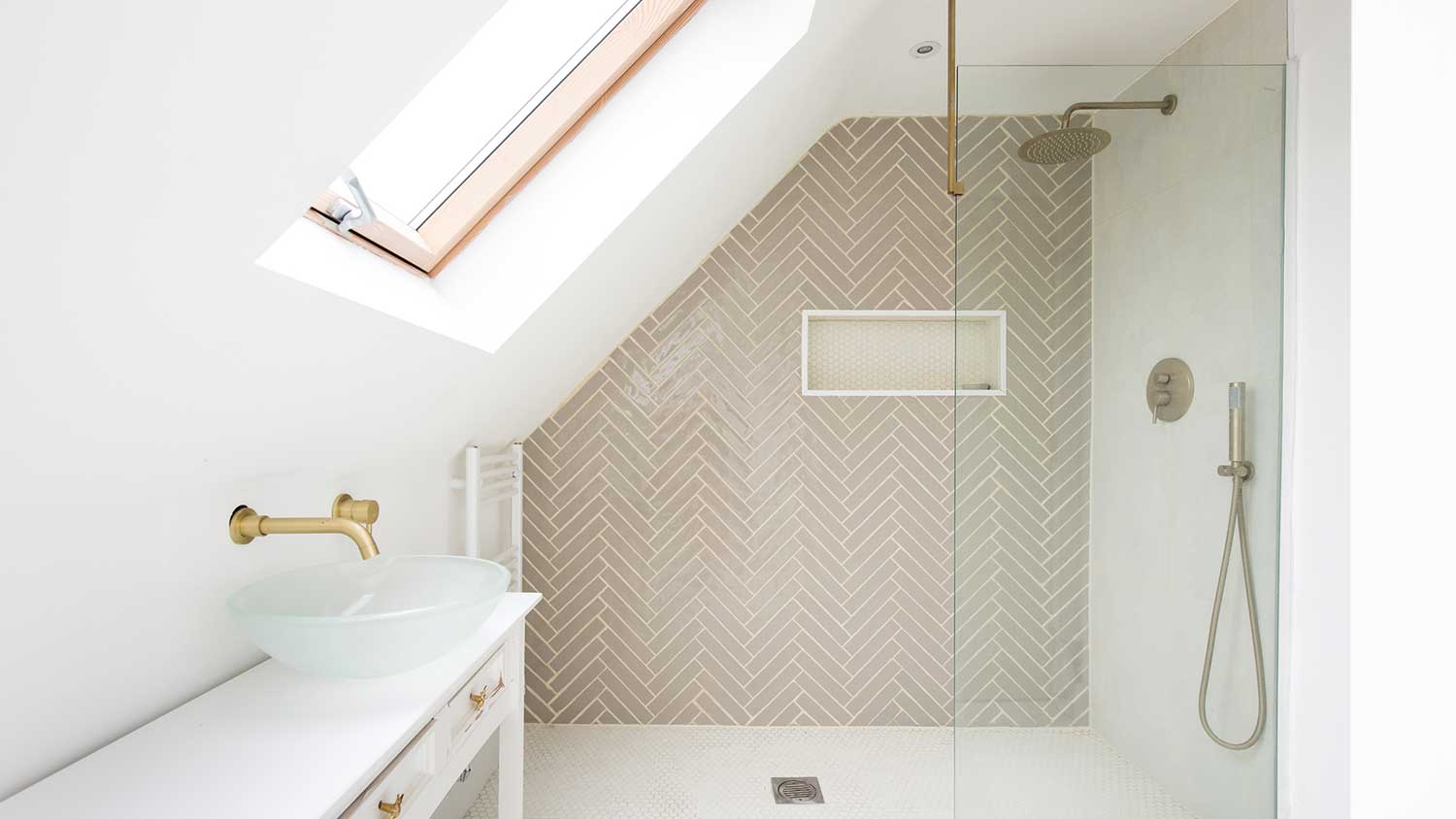
Looking for the best moisture-resistant drywall for your next home project? Compare purple drywall vs. green drywall to narrow down your search.
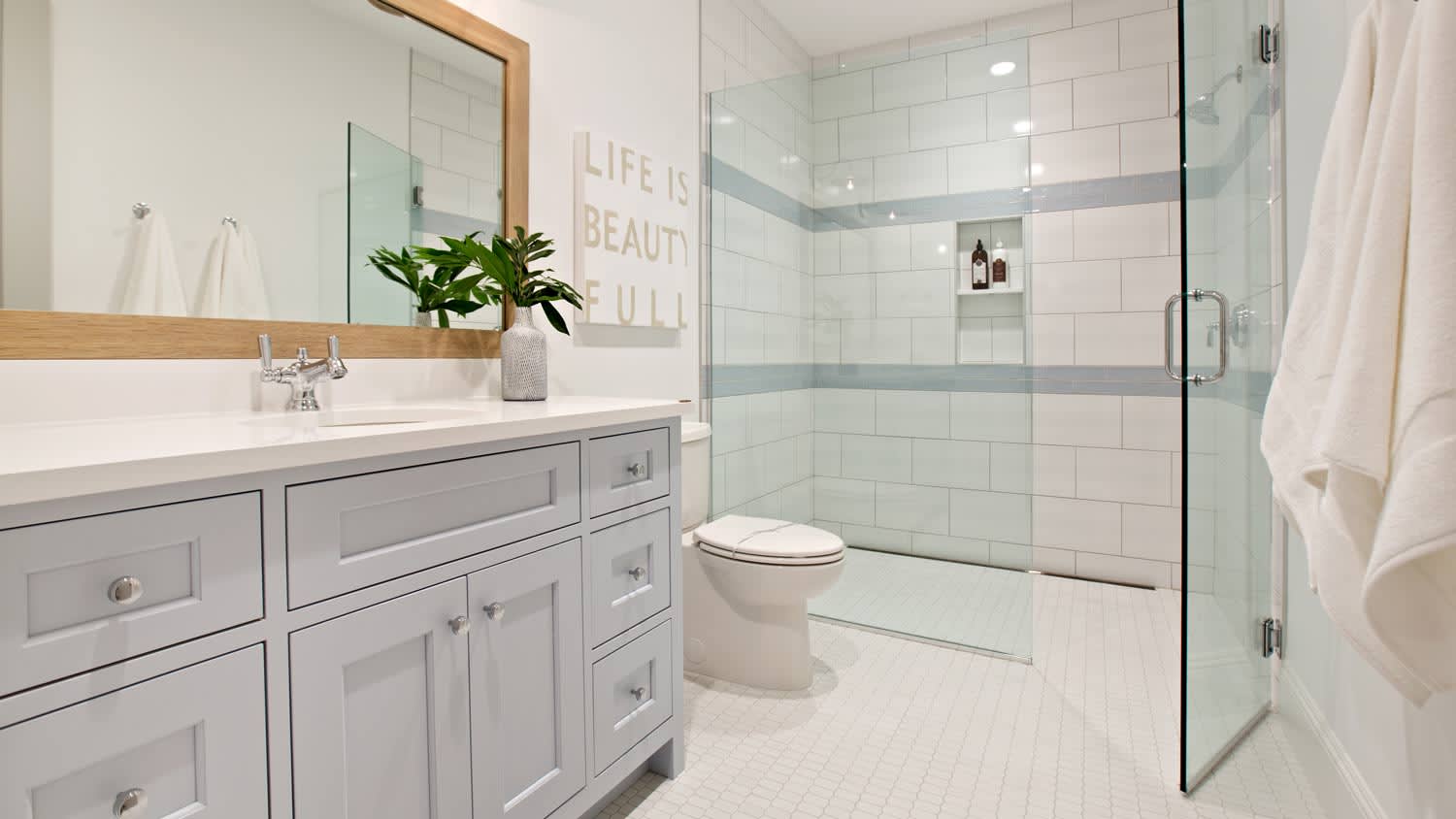
What drywall should you use in a shower? It depends on where you’re putting it. Some bathroom drywalls are more moisture-resistant than others.
While both Type C vs Type X drywall are fire resistant—the two should not be used interchangeably. Use this guide to help you choose the drywall for your next project.
Not sure what type of interior wall material to choose for your home? We’re breaking down the great debate between blueboard vs drywall. Read on to learn more.
The terms drywall and Sheetrock are often used interchangeably, but one is a brand and one is a specific product. Find out which one you need in this guide.