

Figuring out how to eliminate ductwork noise may require anything from replacing the ducts to changing the filter. Learn more about fixing this issue.
Metal HVAC ducts are practically musical instruments

Banging noises from ductwork happen when your metal ducts expand with heat and contract when cold, causing loud pops during temperature changes.
Expect to pay around $2,500 for professional duct insulation, which helps dampen noise while improving your home's energy efficiency.
Dirty air filters create pressure drops that make your ducts shake and pop, so check your filter monthly during heavy heating or cooling seasons.
Hiring a local duct installing professional provides peace of mind when persistent noise indicates loose connections, undersized ducts, or worn dampers needing replacement.
Loud ductwork might take you by surprise. A popping noise could startle you while making dinner, or your latest binge-watch may get interrupted by what sounds like a loose can of tennis balls. How do you know if it’s just because of weather changes or if the noise indicates your ductwork needs repairs? If you’re wondering, “Why does my ductwork make banging noises?” we’ve got you covered.

HVAC ductwork is made of metal, and metal is extremely finicky. It expands with heat and contracts when it gets cold. Every time you crank up the AC or turn the furnace on, there’s a strong chance noise will follow.
Expansion and contraction are common reasons for noisy ducts, along with a few other causes.
The pressure and temperature changes in the HVAC system cause the ducts to expand and contract.
When your HVAC system heats up or cools down, the metal ducts naturally expand and contract, leading to popping or banging noises coming from the ducts. If you haven't run your heating or cooling system for a while, such as at the start of winter or summer, the noise may be particularly loud.
If you have metal ducts, they are most likely assembled from multiple pieces, and each piece connects to another. Over time, those connections, whether they are held together with clips or clamps, can become loose. When that happens, the ducts can shake and move as the air moves through them, resulting in banging or clattering noises.
Dirty filters block the airflow. Excess hot air billows the ducts like a windsock, and then once the heating cycle stops, it sounds like microwaving popcorn because of the massive pressure drop.
Filters should be regularly cleaned and replaced when needed. When you run the heat often in colder months, check the filter once a month. Filters should also be appropriately sized for your HVAC system, as gaps can cause whistling. Non-pleated filters also create less noise than traditional pleated filters.
Most people need to replace the filter every two to three months. However, you may need to change the filter once a month if any of the following apply:
You have pets
You live in an area prone to dust storms
Your hobbies or work at home produce a lot of dust, such as plaster ceramics
It's not just filters that get dirty. The ducts themselves need an occasional cleaning. Vents and fans accumulate dust and dirt, which traps warm air and constricts airflow just like dirty filters do. Cleaning the ducts, vents, and fans improves air quality and noise levels.
Dampers assist the airflow and control its direction in your ductwork. They can make banging noises when they blow open and bang shut. If your dampers keep opening and closing, they're probably too old. Spring-loaded backdraft dampers are their modern replacement designed to stay closed most of the time. They only open when necessary.
Adjusting the actuator in the dampers can also prevent them from constantly opening and slamming shut. If the problem is persistent, replacing the dampers may be a better option.
Insulation around the ducts running through the basement can help dampen loud noises. HVAC duct insulation costs around $2,500 on average. If you have round ducts, duct mufflers are another option to pursue since they have built-in insulation.
There are different types of ductwork, and your current air ducts might be insufficient for your home's heating and cooling needs. Larger ducts can be quieter than small ducts since the air supply is increased and airflow less constricted.
Bigger ducts help, but there are different duct shapes on the market today. Rectangular ducts make a lot of noise because they can't handle pressure changes well. Still, they are popular because they look slick and provide creative ways to hide ductwork. Round ducts are much quieter, but they won't fit in all homes.
Changing to a ductless system may be an option if your HVAC system seems too noisy despite no underlying problems.
Furnaces get dirty, just like your ductwork and filters. Banging noises might indicate a furnace with carbon accumulation. Because the ignition is delayed if the burners are covered in buildup, the high volume of gas that ignites creates a loud bang. This is a fire hazard, so unusual loud bangs should be inspected immediately.
HVAC systems with single-speed blowers are noisier than ones with variable-speed blowers. Single-speed only turns on and off, which causes pressure and temperature shifts every time, plus resultant noises. Variable-speed blowers are quieter and more energy-efficient because they'll "cruise control" at high speeds and then adjust to gradual temperature changes.
Ducts make enough noise to start their own band. They don’t just pop and bang!
All ducts generate noise, but some sounds are cause for concern. A gentle humming or clicking is normal, but loud rattling, banging, buzzing, or whistling means you may have a problem requiring professional help. Some factors that cause excessively noisy ducts include dents or damage, loose metal parts, dirty or blocked vents, and closed dampers.

If you persistently hear your ducts making the following noises, you should contact your local duct installer to inspect your system.
Rattling noises usually indicate that metal parts are loose because the ducts are old. Connections loosen from years of static pressure, and seals stop working. Constant rattling is a cue that your ductwork is too old, especially if it gradually gets too loud to ignore.
If you frequently hear a booming noise, a likely cause is insufficient HVAC dampers. The boom starts where the duct's plenum and trunk meet because it's where the starkest temperature changes take place. If the damper is too old or missing, the boom will be heard throughout the supply ducts in your home.
If you can see your ducts shaking or hear it (especially if there's also a humming noise), chances are that the airflow is blocked. Dirty air filters are usually the culprit. Because air can't enter the system with a blocked filter, the pressure decreases to the point that the ductwork shakes.
Dirty filters create blockages and noise and slow down your HVAC equipment. The filters should be regularly inspected and cleaned, then replaced as needed. It will make the system far less noisy.
Scratching and scraping noises often mean that you have a new roommate. A rat, squirrel, bird, or large insect may have made its way into the ducts. You should contact a local duct cleaner immediately in case it invites friends and they build nests or cause an infestation.
Whistling sounds are the most confusing type of duct noise. If you frequently hear the ducts whistle, it could mean that the duct covers are the wrong size. Replacing them with the right size will get the whistling to stop.
However, depending on the type of ductwork you have, whistling can actually indicate your system is working great. HVAC professionals can tell the difference.
Want some peace and quiet? Getting rid of duct noises starts with knowing what's causing the racket. Once you do, you can take action and eliminate duct noise. Some things you can do on your own, while others require the help of a professional duct installer near you.
Here's what you can try, in order from simplest to more complex:
Check and replace the filters.
Lower the fan speed on your HVAC system.
Check the duct connections and tighten or reseal them as needed.
Clean the ducts.
Insulate the ducts.
Have your ducts inspected and replace them with larger ones if they’re too small.
If you’re good people wanting to do business with good people, hire Matt. He is a consummate professional and utterly competent. He installed a water heater in my home at a price that beat competitors by hundreds of dollars with a promise to support the unit for its life (even after its 6 yr...
 Greene's Plumbing Services
Corey Carr was great. I had damage from a recent storm and needed to have my mast and other components replaced. The project entailed coordinating with AEP, and Corey helped make a stressful situation a lot less stressful. I really appreciated his dedication to service and the job very well done.
 Mr. Electric of Columbus
This service was great. My air conditioner went out during the heat spell that we had. My husband has health issues and they came out that night and at 9:30pm the air conditioner was fixed and running. We are sooo very thankful, this is the company I will be using from now on and would...
 Mr. Mechanical Ohio
I normally do not leave reviews, but my experience with Worthington Air was extremely frustrating and disappointing. About 30 days ago, I had a consultation done for an HVAC replacement and was quoted approximately $15,079. Based on that quote, I applied for financing through their company...
 ARS Columbus Worthington Air
Great company! Price was competitive, technician showed up on time and completed the job (exterior electric Radon fan replacement) quickly. Would hire them again.
 MaGen Property Inspections and Radon Mitigation
Raven and crew does absolutely fantastic job. They are very professional if any concerns were to occur with any of her work she always took responsibility and finished out with a great job. I have worked with her business for a year and have always been satisfied. Very trusted business and...
 Creations of Transformation LLC
I would recommend this company to anyone! He showed up on time, was friendly, completed a very difficult repair on our dryer vent cover, was responsive, and pricing was extremely fair and competitive. I would have him back to do any of our repairs or cleanings without hesitation!
 U.S.A. Dryer Vent, LLC
Ace Fireplace Services' chimney sweep service is truly exceptional. They used advanced technology to ensure a thorough cleaning process, and my chimney has never looked better. I highly recommend their services.
 Ace Fireplace Services
The technician was very professional and friendly. He answered all my questions and was very thorough. He left the fireplace area very clean . He inspected from the roof and advised me as to other work that might need to be done. There was no pressure there. I was very satisfied with the...
 Supreme brick & chimney
On time, clean and finished fast. Windows seem sturdy and the finish is good. Caulking was done with no smudges. Would recommend.
 Window Depot USA of Central Ohio
From average costs to expert advice, get all the answers you need to get your job done.
Figuring out how to eliminate ductwork noise may require anything from replacing the ducts to changing the filter. Learn more about fixing this issue.

Are your pipes making noise when the water is turned off or do you have noisy water pipes? Learn what each sound means for your plumbing.
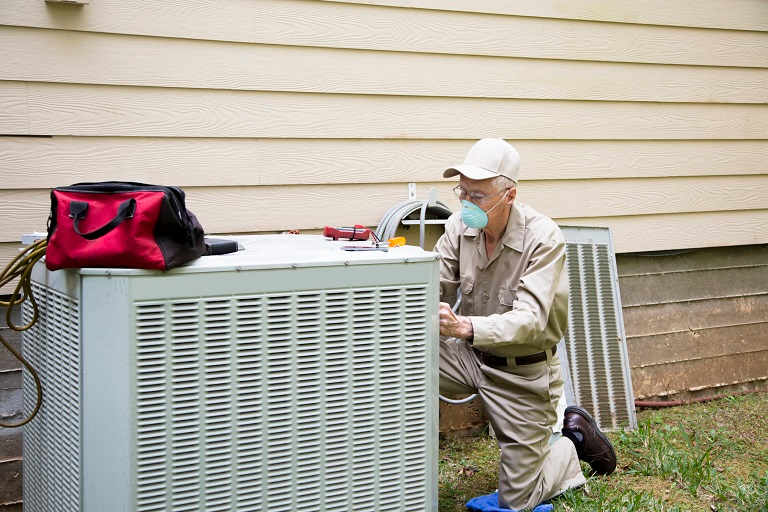
Squealing, rattling, thumping, or other loud noises from an air conditioner unit are usually a sign of trouble. Here’s when to call a professional.

Why is your ductwork popping when your furnace turns off—or on, for that matter? Here are several possible culprits of that mysterious knocking noise, and how to knock them out.

Sediment buildup and loose valves are common reasons for a hot water heater that’s making noise. Here are the most common causes and their fixes.

If your furnace is making loud noises, it could be the first sign something is failing. This guide will go over some of your furnace’s most noisy issues.