

Insuring your home protects you financially and satisfies your mortgage. Learn how much homeowners insurance could cost you.
We won’t gatekeep this information when the stakes are this high

Homeowners insurance coverage for fences depends on your policy's Coverage B, which protects secondary structures like fences from sudden damage caused by covered events.
Fence repair costs average $608, while homeowners insurance deductibles average $1,000, so filing a claim makes sense only when your damage exceeds the deductible.
Your fence needs to stay well maintained to qualify for coverage, and floods, earthquakes, and vehicle damage require separate insurance policies or auto claims.
Hiring a local fencing professional provides reliable support when you need estimates for insurance claims and ensures repairs meet your policy requirements.
Homeowners insurance is a policy that helps cover damage to your home, property, or belongings. While it mainly covers your home, it also extends to cover secondary structures outside your home — including your fence. But how much it covers and to what extent depends on your policy and the situation. Keep reading to understand what’s at stake when it comes to fence repairs and how your insurance policy can help.
Oftentimes, fences sit directly on a property line, which can cause uncertainty about who owns it—and therefore who’s responsible for maintenance and repairs. In these instances, we recommend talking to neighbors and clarifying who is ultimately responsible for the fence.

Homeowners insurance covers damage due to fire, theft, weather-related issues, and more. Most lenders require this policy as part of the mortgage approval process.
Home insurance is most commonly used to repair or replace items damaged by “Acts of God” — or events outside your control, like hurricanes, tornados, wind, snow, or hail. This coverage also protects you against lawsuits if someone is injured at your home or if you’re displaced due to a tornado.
Home insurance primarily protects your primary dwelling, but most policies also extend that coverage to cover “other structures.” This part of your policy, sometimes called Coverage B, may pay to repair or replace a fence up to a certain amount (like 10% of your policy’s dwelling coverage).
Depending on the type of fence you have and the extent of the damage, submitting a home insurance claim may not be worth it. Coverage B doesn’t typically payout as much as your main insurance, and you’ll still have to pay your deductible to get coverage.
So, consider these facts to decide if it’s worth submitting a claim:
The average homeowner’s insurance deductible is $1,000.
The average cost to repair a fence is $608.
Secondary coverage may pay as low as 10% of your total coverage.
If your damage is extensive (over $1,000) but not excessive to the point of hitting that 10% limit, submitting a claim may be worth it. But if it’s under the cost of your deductible, you’re better off hiring a fence contractor yourself and paying out of pocket.
There are times an insurance provider may deny your coverage, including:
If your fence wasn’t well maintained or in good condition. You must maintain your fence to receive coverage.
If the damage was caused by a flood or earthquake. This type of coverage is only available with secondary insurance policies, like flood insurance.
If it’s hit by a car. You’ll likely need to go through the driver’s auto insurance for this type of claim.
Your insurance coverage may also not cover certain additional costs like if you need a permit to build a fence. Check your homeowner's insurance policy to understand fence exclusions and when your policy won’t cover the cost.

Filing an insurance claim is pretty easy, as long as you nail down the details. Here’s how to do it:
Take photos of the damage.
Describe how the damage occurred.
Decide who to hire to build your fence.
Get estimates from local contractors.
Submit a claim with your provider.
After your insurance company receives the details of the damage, an adjuster will start working on your claim. He or she will contact you for more information and help schedule service and payout.
Typically, you will hire a contractor and submit an estimate for repairs. Some insurance providers may pay the contractor directly or reimburse you for the repair or fence removal cost.
A reliable team for moves across state. My switch to a new place needed careful lifting through tight hallways. The movers checked the doorway first, then carried heavier pieces with slow, controlled movements. Their patience helped prevent damage, and I?d choose them again.
We have used Window Warriors many times with no issues. They arrived on time and were very professional . We have pets and Window Warrior team treated them very well, well trusted team.
 Window Warrior of Columbus, Inc.
We have bought and sold numerous times over the past 50 years. Sherman Hall and Top Line are top notch. Thorough and detailed, he explains every possibility, probability, and eventuality. High class and pleasant. The best.
 Top Line Home Inspections, LLC
Our homes curb appeal skyrocketed thanks to Custom Paint Jobs LLC s exterior painting.
 Custom Paint Jobs, LLC
Window Depot did an amazing job on my deck. I wasnt sure what I wanted to do, but their composite decking was affordable and will last a long time. I am excited to have family over, and I am no longer embarrassed by my backyard. Jeff and the ground crew were polite, respectful, and caring for...
 Window Depot USA of Central Ohio
Storms Mobile Welding was great to work with. They were prompt, professional and did an overall excellent job on the project. I highly recommend.
Great job...edging and pre clean up went well with a great job with seal coat. Friendly, efficient and professional.
 All Star Paving and Sealing
Did an amazing job transforming my yard. Also installed sod in places, would recommend to everyone.
 Cardinal Landscaping & Construction LLC
We hired Andrew and the team from Midwest Lightscapes for a custom lighting design and installation on a Victorian Village home. The house had outdated low-voltage halogen outdoor lights and many of them were not working. Andrew designed and installed a new system including uplighting on the...
 Midwest Lightscapes
The work was completed in a day and a half. They cut small trees, pulled out an old swing set, pulled out railroad ties and left the place spotless when the job was complete. I am very happy with the fence and their efforts were above and beyond my expectations.
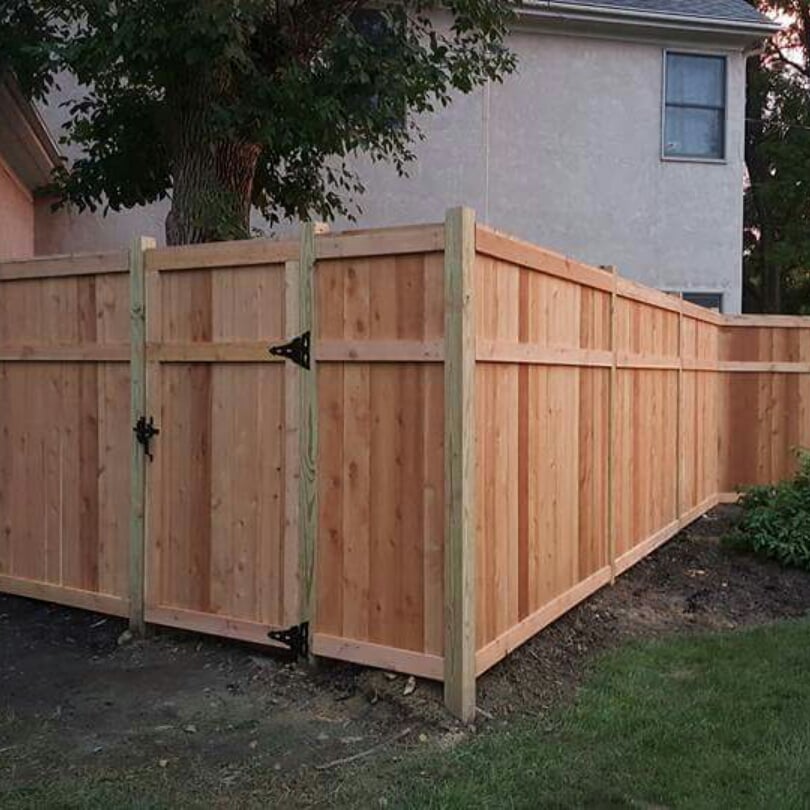 Elite Fence
From average costs to expert advice, get all the answers you need to get your job done.
Insuring your home protects you financially and satisfies your mortgage. Learn how much homeowners insurance could cost you.
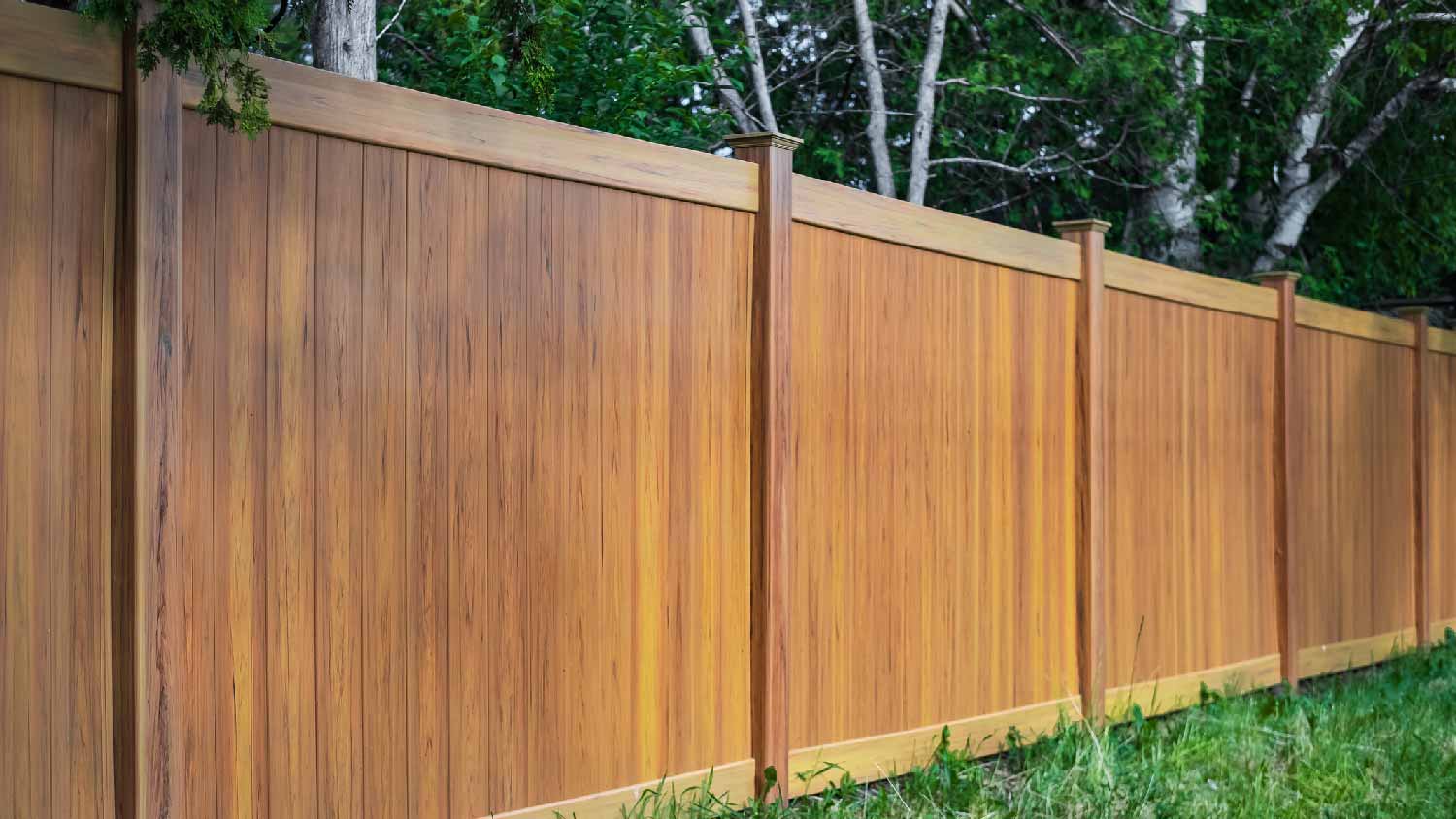
A board on board fence costs more than the typical privacy fence because of the increased materials and installation complexity. Estimate your cost with our guide.

Homeowners insurance is essential for protecting your home. But does it cover everything? Here’s what your insurance policy does and doesn’t cover.

Electrical wiring repair and installation projects can be expensive. Here’s how to know if your home insurance will cover them.

Most home insurance policies exclude pest control, but there are exceptions. Learn when damage might be covered and how to prevent infestations.

Does homeowners insurance cover solar panels? Find out what’s covered, how to add extra protection, whether you need to insure leased panels, and more.