

The cost of a new AC unit depends on the size and type. Our guide breaks down AC replacement cost factors so you can decide which option matches your budget.
The duct stops here

Replacing ductwork when changing your AC depends on your ducts' age, condition, and compatibility with your new system's sizing requirements.
Typical costs range from $455 to $2,180 for duct replacement and $130 to $2,000 for repairs, so addressing issues early helps.
Your AC unit and ductwork both last 10 to 15 years, so replacing both together saves you from future disruptions and repairs.
Hiring a local duct installing professional provides reliable support with sizing compatibility and damage assessment, keeping your new system running efficiently.
If you’re about to replace your home’s air conditioning system, you may wonder whether you should replace your ductwork. Most ductwork lasts between 10 and 15 years, which is about as long as ACs last. So, if your AC and ductwork are both toward the end of their life spans—or several years older—it’s often worth replacing your ductwork with your AC.
However, you don’t always need to replace your ductwork when you refresh your AC. How can you tell which camp you and your shiny, new HVAC system will be in? Here’s how to determine if you need to replace ductwork when replacing your AC.
Your ductwork is, put simply, your system of ducts—the tubes, often metal, that allow air from your HVAC system to circulate through your home and get into every room. Without ducts, your air conditioner would be useless because the chilled or heated air wouldn’t go anywhere (unless, of course, you have a ductless AC unit, like a window unit or some types of mini splits).

Here are some scenarios in which you may need to have your ductwork replaced alongside your AC unit.
In a similar vein, your ductwork may simply not be the right size to fit your new HVAC system or air conditioning unit, in which case your unit’s performance may be compromised, and your energy bills might go way up. Under these circumstances, it can actually be more cost-effective in the long run to have your ductwork replaced.
Even very sturdy ductwork doesn’t last forever, and if your ductwork is damaged or corroded, having your AC replaced may be a perfect opportunity to replace your ductwork, as well. Some signs that your ductwork may be damaged include:
Higher-than-average energy bills
Strange AC unit noises or odors
Uneven heating or cooling throughout your home
Excessive dust in your home
Noticeable debris or dirt around your air vents
These signs could indicate leaky ductwork that might allow mold and bacteria to grow or even become infested with pests. Long story short: If your ductwork has gone bad, you’ll definitely want to replace it (even if you’re not getting a new AC unit).
Uneven heating and cooling can indicate a problem with your ductwork or be reflective of an outdated design or poor maintenance.
For example, maybe your home has an addition that’s newer than the rest of the home, and the ductwork to that addition was retrofitted after the fact. If the installation wasn’t done properly, the addition might not get the same kind of heating or cooling effect as other parts of your home, a problem that may require a wholesale redesign of your ductwork (or, at the very least, some repairs).
Similarly, previous patch jobs on existing dated ductwork systems can mean cracked, aged, or leaky ductwork that doesn’t properly heat or cool your home. Inefficient or outdated ductwork can make your HVAC work harder and still not heat or cool your home properly.
Quality ductwork will increase the efficiency of your HVAC, sometimes by 20% to 30%. This is because there is reduced air leakage due to better insulation and more optimized airflow. This means your HVAC doesn't have to work as hard to keep the desired temperature, so it uses less energy.
If the idea of having your entire ductwork system replaced is making you sweat, rest easy: You may be able to simply have portions of your ductwork repaired instead. If your ducts aren’t very old or deteriorated, your local duct installer may be able to simply repair any problem portions and connect your new AC unit directly to your older duct system.
Keep in mind that your ducts will need replacing at some point, so it may make sense to do everything at once. The cost to replace ductwork can range between $455 and $2,180 while repairing ductwork costs between $130 and $2,000, on average. Prices will depend on the size of your home and the extent of the replacement or repair.
There are tell-tale signs that ductwork is in dire need of some TLC. Here are the biggest red flags:
Poor airflow: If the system struggles to send air throughout the home, a damaged duct could be the problem.
Strange noises: A damaged duct may sound like rattling, shaking, clamoring, or dinging.
Inconsistent temperatures: Poor airflow caused by damage also translates to inconsistent temperatures with plenty of dead zones.
Higher energy bills: When your ducts are damaged, your system has to work harder, increasing energy costs.
Foul odors: A damaged duct is often exposed to moisture, leading to mold and mildew buildup that causes an odor.
I have used Columbus Worthington Air for years and recommend them whenever I have a chance. The staff is quick, courteous, and well-trained.
 ARS Columbus Worthington Air
If you’re good people wanting to do business with good people, hire Matt. He is a consummate professional and utterly competent. He installed a water heater in my home at a price that beat competitors by hundreds of dollars with a promise to support the unit for its life (even after its 6 yr...
 Greene's Plumbing Services
Corey Carr was great. I had damage from a recent storm and needed to have my mast and other components replaced. The project entailed coordinating with AEP, and Corey helped make a stressful situation a lot less stressful. I really appreciated his dedication to service and the job very well done.
 Mr. Electric of Columbus
This service was great. My air conditioner went out during the heat spell that we had. My husband has health issues and they came out that night and at 9:30pm the air conditioner was fixed and running. We are sooo very thankful, this is the company I will be using from now on and would...
 Mr. Mechanical Ohio
Great company! Price was competitive, technician showed up on time and completed the job (exterior electric Radon fan replacement) quickly. Would hire them again.
 MaGen Property Inspections and Radon Mitigation
Raven and crew does absolutely fantastic job. They are very professional if any concerns were to occur with any of her work she always took responsibility and finished out with a great job. I have worked with her business for a year and have always been satisfied. Very trusted business and...
 Creations of Transformation LLC
I would recommend this company to anyone! He showed up on time, was friendly, completed a very difficult repair on our dryer vent cover, was responsive, and pricing was extremely fair and competitive. I would have him back to do any of our repairs or cleanings without hesitation!
 U.S.A. Dryer Vent, LLC
Ace Fireplace Services' chimney sweep service is truly exceptional. They used advanced technology to ensure a thorough cleaning process, and my chimney has never looked better. I highly recommend their services.
 Ace Fireplace Services
The technician was very professional and friendly. He answered all my questions and was very thorough. He left the fireplace area very clean . He inspected from the roof and advised me as to other work that might need to be done. There was no pressure there. I was very satisfied with the...
 Supreme brick & chimney
On time, clean and finished fast. Windows seem sturdy and the finish is good. Caulking was done with no smudges. Would recommend.
 Window Depot USA of Central Ohio
From average costs to expert advice, get all the answers you need to get your job done.
The cost of a new AC unit depends on the size and type. Our guide breaks down AC replacement cost factors so you can decide which option matches your budget.
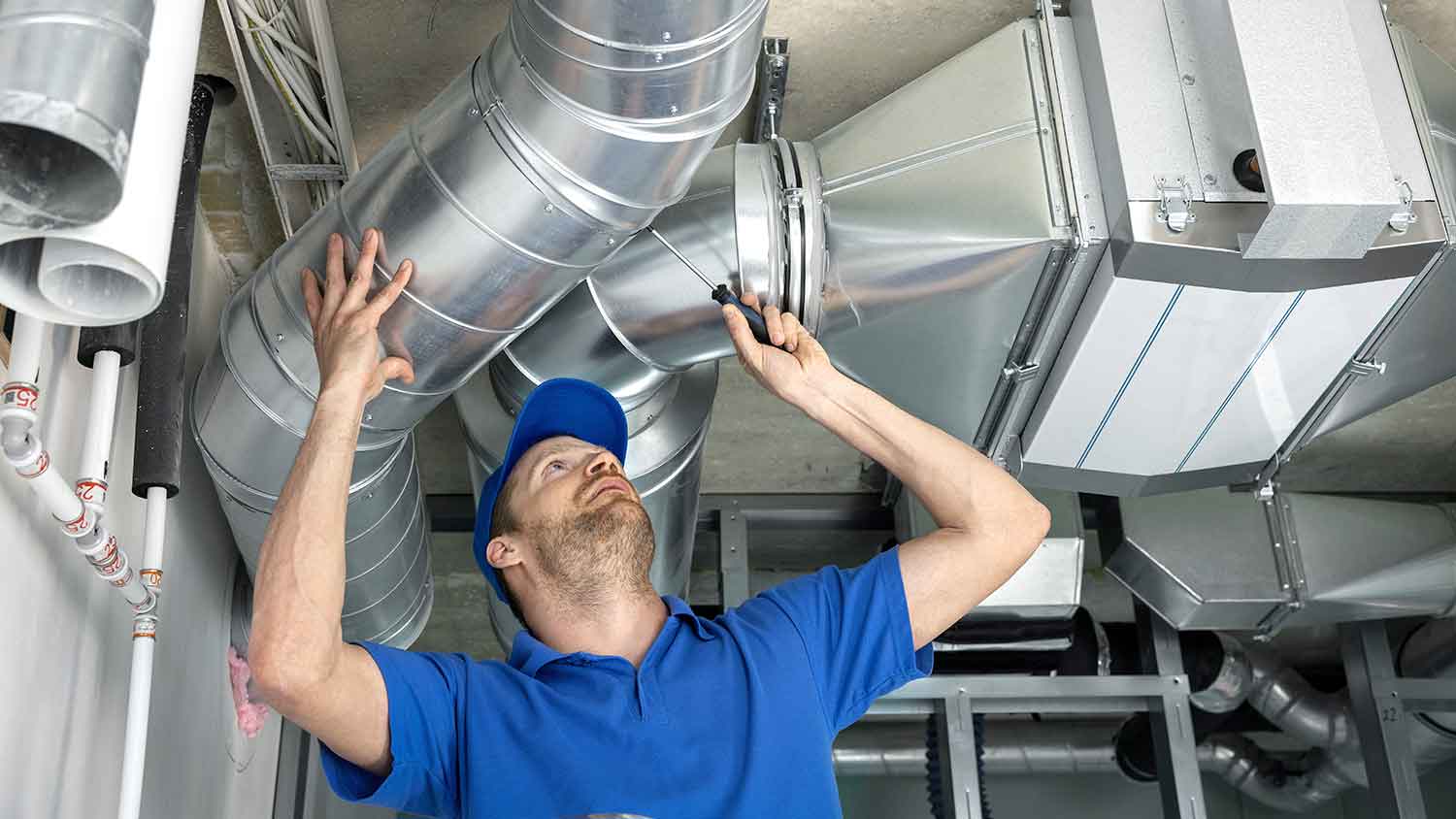
Discover the true duct replacement cost for your home. Learn about average prices, key cost factors, and tips to save on your ductwork replacement project.
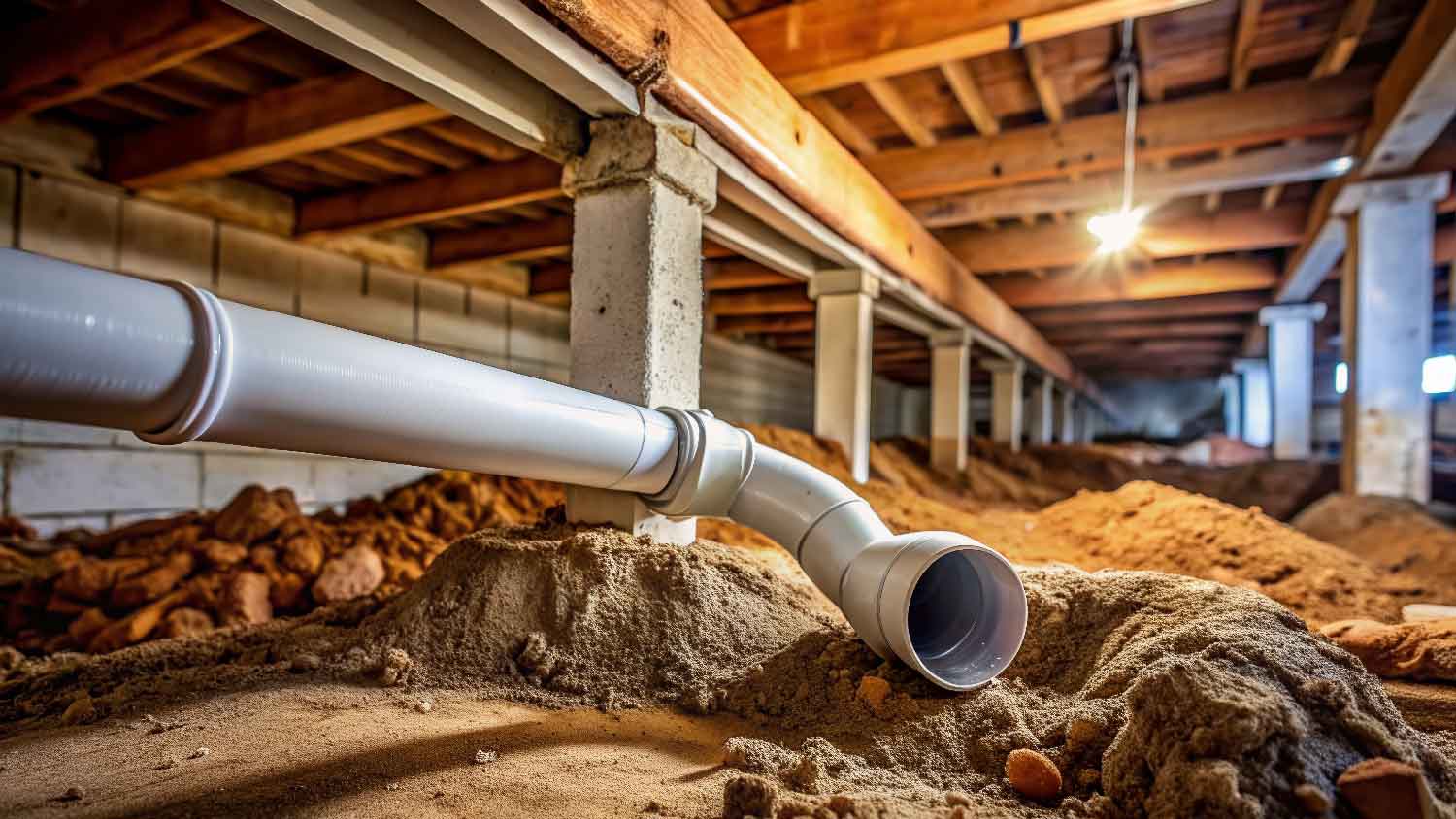
The cost to replace ductwork in a crawl space depends on accessibility, size, and whether or not your crawl space requires additional work.
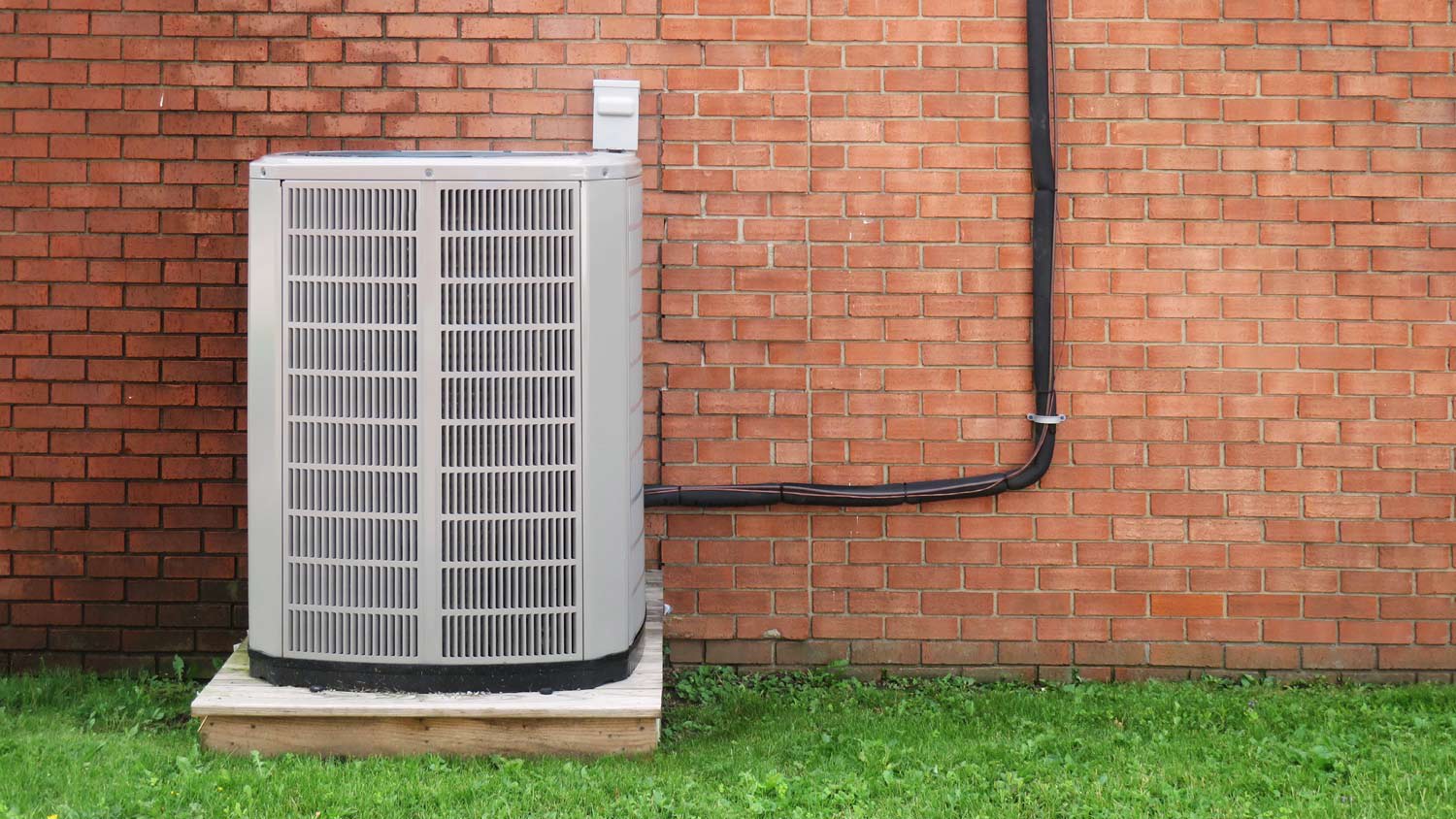
Properly maintained air ducts are essential to keep up the air quality of a home. However, it can be tough to know when to professionally clean an air duct, when to repair it, and when to chuck it and buy a new one.

Finding signs of bad ductwork could mean higher utility bills, a noisy system, and potential health risks down the line. Learn how to spot the signs.
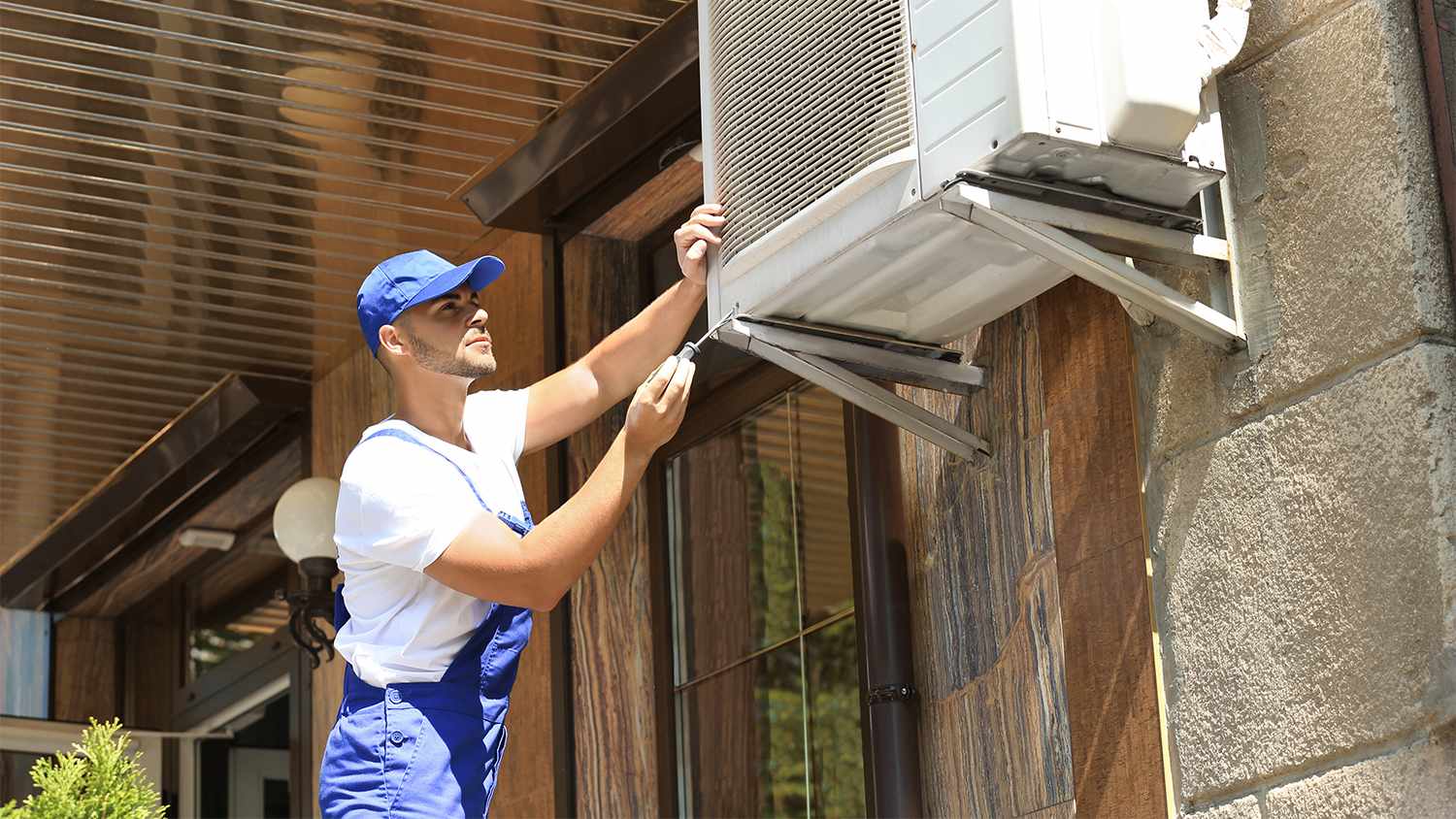
When deciding whether to repair or replace an AC unit consider the age of the unit, its overall performance, efficiency, and the cost of required repairs.