

Ipe decking costs vary based on size, construction, finish, and whether you hire a professional. Learn more about how to budget for this project.
Make your outdoor space last for deck-ades

Deck footings without digging include deck blocks, post anchors with base plates, and helical pile systems, each offering stability without excavation work.
Professional deck building costs average $8,100, ranging from $4,400 to $12,400, so choosing the right footing type helps control your overall budget.
Your local building code determines which no-dig footing options work for your climate, soil type, deck size, and whether you're attaching to your home.
Hiring a local deck building professional ensures your footing choice meets code requirements and provides the stability your deck needs for decades of safe use.
Whether you’re building a new deck or adding to your current setup, you may wonder if you can create deck footings without digging. While most methods of anchoring a deck involve digging, you can use deck blocks, post anchors with base plates, or a helical pile system. The type of footing you should use depends on your climate and local building code. Learn about deck footings without digging and how to choose the right option for your situation.
Yes, you can secure deck footings with deck blocks, post anchors with base plates, or ground screws, also called a helical pile system. The deck footing type must meet your local building code, which depends on your area's soil and weather conditions. No matter your municipality's guidelines, a taller or larger deck may require digging for your footings.
How do you build a deck without digging footings? By using one of these three alternative types of deck footings: deck blocks, post anchors with base plates, or a helical pile system. Always check your local code to ensure you meet building requirements for your location and climate. There may be specific guidelines for footing depth based on the size and height of your deck. If you live in a cold climate or an area that experiences earthquakes and high winds, you may need to use deck footings that are below ground.
| Deck Blocks | Post Anchors With Base Plates | Ground Screw/Helical Pile System |
|---|---|---|
| Easy to install | Easy to install | Requires professional installation |
| Great for decks low to the ground | Can support decks up to 8 feet tall | Can support most deck sizes and heights |
| Relatively affordable | Relatively affordable | Can be expensive to install |
| Unstable in high winds and earthquakes | Unstable in high winds and earthquakes | Stable in almost all weather conditions |

Deck blocks are precast concrete blocks with an indented area on top to hold a wooden beam or post. To install deck blocks, you or a pro can place the blocks on a level surface, such as a concrete pad. Then, you’ll attach the posts to the deck blocks with heavy-duty hardware to create a secure foundation.
Deck blocks are a solid DIY option and best for ground-level decks not attached to a house. Check if deck blocks meet local codes in your area and climate.
Easy to install
Relatively affordable
No digging required
Can be moved
Unaffected by frost and protects deck posts from rotting
Great for decks low to the ground
May not be stable enough for large or tall decks
May require more posts for stability
Not compatible with unpredictable soil conditions
Cannot hold heavy loads
May not meet local building code
Unstable in high winds and earthquakes
Should not be attached to a home
Requires a concrete slab or level area of compacted gravel
A post anchor with a base plate is a metal bracket that holds a deck post and has flanges that reach deep into the ground. You or a pro can pound the base plate into the soil using a jackhammer. Then, you’ll insert the post into the bracket and screw it in place.
Post anchors with base plates are DIY-friendly and a relatively affordable option. But make sure they can support the size and height of your deck. You’ll also need to see if they are permitted in your area and climate.
Easy to install
Protects deck posts from rotting
No digging required
Easier to build upon than deck blocks
Ties into the ground for extra stability
Can support decks up to 8 feet tall
May require more posts for stability
Unstable in high winds and earthquakes
Should not be attached to the home
Requires use of a jackhammer to ensure proper soil compaction
A ground screw or helical pile system involves screwing a steel shaft into the ground with a hydraulic motor or machine. The deep screw system anchors the deck’s foundation into the ground. With the right machinery, these footings are incredibly sturdy and quick to install. They require a professional and are more expensive than other deck footing options.
No drying or curing time
Works well with most soil types and climates
Extremely durable and reliable
No digging required
High installation and material costs
Requires professional installation
Digging holes for deck posts is arduous but might be required depending on your deck's size, height, and local building requirements. When choosing deck footings, consider a few key factors to ensure your deck meets the code and stands the test of time.
Check your local building guidelines before starting the project to see what’s allowed in your area. If your location is prone to hurricanes, earthquakes, high winds, or other severe weather conditions, you may only have one or two options for deck footings.
Wet or sandy soil is less stable than dry ground. Rocky mountain soil is more challenging to dig into. Consider the soil type on your property and consult a deck building pro if you’re unsure what type of footing to use.
If you’re on a steep slope, you must create a level and solid footing to provide a stable deck foundation.
You can't use deck blocks or post anchors if you attach the deck to your home. But if it's a freestanding deck, ensure your foundation is solid and not prone to shifting in weather conditions.
A large deck requires a stronger foundation than a small one. A tall deck also requires stable footings, often ones that require digging.
You can build a deck yourself if you have carpentry and concrete experience and the right tools. However, hiring a local deck builder can save you several days or weeks of labor-intensive work and ensure you meet local building codes (not to mention a pro can give you a rock-solid deck that lasts for decades). Building a deck can be strenuous work, so hiring a pro can reduce your risk of injury, too. The cost to build a deck falls around $8,100 on average but ranges from $4,400 to $12,400.
Supreme Brick & Chimney did a great job with a cleaning and inspection of the fireplace! He was efficient, on time, and very pleasant. The space was kept very clean, and the fireplace was spotless when he was done. He also performed a thorough inspection, and did a great job talking us...
 Supreme brick & chimney
Koby & team weâ re great! Moved our two bedroom apartment in about 4 hours, and weâ re super friendly, quick, and careful with are things.
 All My Sons Moving & Storage
We had our houses windows and back door replace this summer by Window Depot USA of Central. He gave us grate advise and saved my family lots money. The team did a fantastic job with installation. If you need help, they sure get job done right!
 Window Depot USA of Central Ohio
Wonderful. I am going to have them remove and replace my driveway in the spring.
 All Star Paving and Sealing
We were having 2”x 2” tile installed . There was a small installation error and the new additional replacement tile was from a different lot and the colors didn’t match. Joe assured us that he would rectify everything , which he did without hesitation. We decided to go with the 18” x 36” tile...
 CarifaTile
Did an amazing job transforming my yard. Also installed sod in places, would recommend to everyone.
 Cardinal Landscaping & Construction LLC
Ed did a great job in installing stone to the outside of our house at a fair price
 Ochoa Stoneworks
All around they have done a really great job. <br /> I have used JL Landscapes for the past 8 years. I own and operate my own commercial/residential real estate company where we own, operate, and maintain our own properties. JL Landscapes has been our exclusive landscaper for both our...
 J.L. Landscapes
Outstanding experience! I needed my yard/garden/patio prepared for a party the coming weekend. I contacted Rick and he was able to schedule service that same week. He and his crew did a wonderful job removing the fall foliage, weeding, trimming back plants and hedges, even cleaning up the...
 Distinct Designs Residential Enhancements
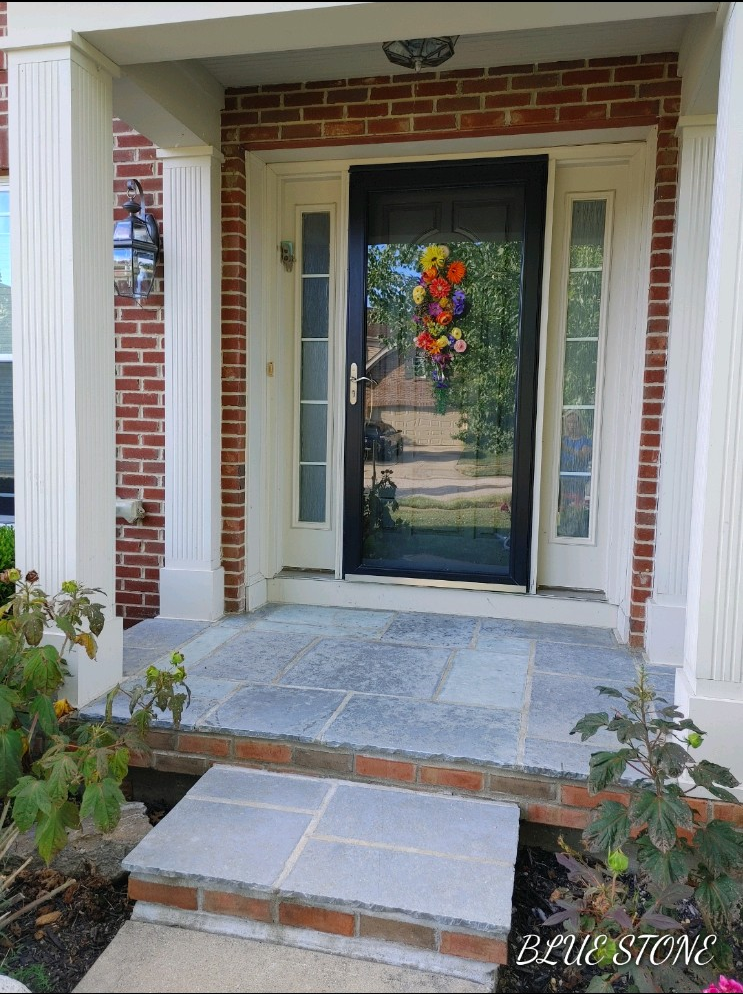
We first had Mark fix the back patio and liked his work so much we had him make a brick patio on the side of the house. When we decided to change our concrete walkway to brick, we wanted Mark to do the job because his prices were fair and he did such good work on t he other two projects.
 Mark Monnette Masonry
From average costs to expert advice, get all the answers you need to get your job done.
Ipe decking costs vary based on size, construction, finish, and whether you hire a professional. Learn more about how to budget for this project.
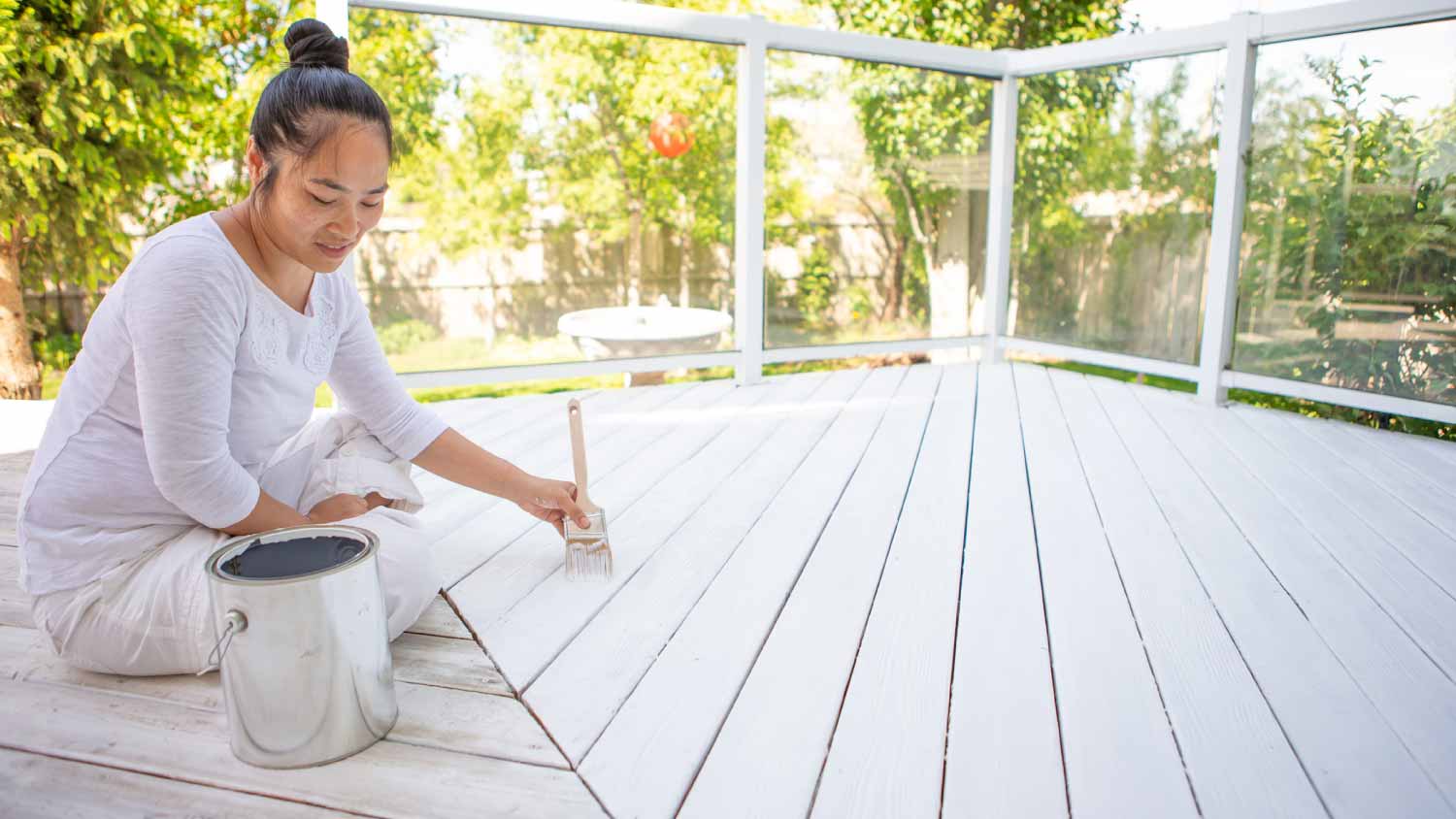
The cost to paint a deck depends on its size, design, and whether you DIY. Read this guide to help set the budget for your deck painting project.
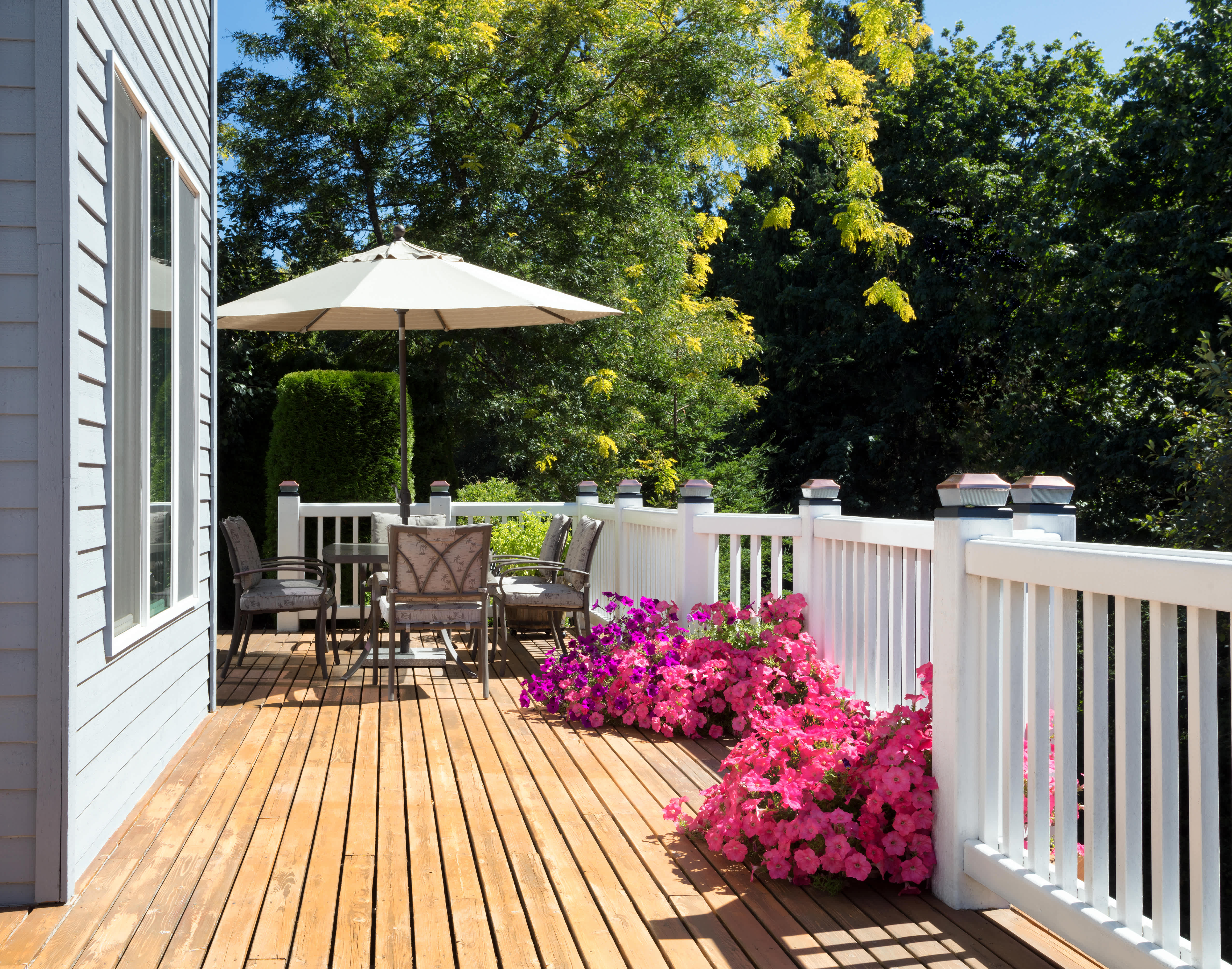
Cedar is a popular decking material, best known for its natural wooden look and resistance to rot. So, how much does a cedar deck cost? Find out in this guide.
Footings act as your deck’s base, making sure it’s safe and sturdy. However, not all footings are the same. Here’s how five types of deck footings compare.
When determining how to plan a deck, follow these tips to account for regulations, functional needs, landscaping issues, material differences, and more.
You might know about deck boards and railings, but what are the other parts of a deck? Here are the parts you should know before you build a new deck.