
Crawl space maintenance can help improve indoor air quality and avoid structural damage. Learn how much crawl space cleaning costs and when to schedule it.
Get to know this hidden but important part of your home

Your crawl space inspection checklist should include checking for moisture damage, pest activity, structural issues, and proper ventilation throughout the entire space.
Annual basement inspections help you catch problems early, and we recommend checking your crawl space twice a year if you've found issues before.
Your home inspection should include testing for radon using a detection kit, which you place in the crawl space for several days to three months.
Hiring a local home inspection professional provides thorough assessments when you find mold, structural damage, or other serious problems requiring expert evaluation and repair recommendations.
Your home’s crawl space is a fundamental but often forgotten component of your home’s safety and structural integrity. Crawl spaces are susceptible to water intrusion, pest problems, mold, radon, and structural damage. An annual inspection can help ensure your crawl space stays dry, clean, and safe. Use our crawl space inspection checklist to guide you through the process.
Homeowners should conduct regular crawl space inspections, ideally every year. The exceptions are if you suspect termites after heavy rain and flooding or if your crawl space smells. If you find issues during your inspection, consult a local professional inspector for a comprehensive assessment for fixes and repairs. It is a good idea to follow up on these issues at least twice a year. If you discover radon in your crawl space, you may need to continuously measure for it using an installed device.
Look for signs like cracks in the walls, floors, or foundation itself, doors and windows that stick or don’t close properly, and uneven floors. If you see any of these, it’s time for a professional inspection. While you can do a basic visual inspection yourself, significant findings should always be checked by a professional to assess the extent of any issues.
We won't sugarcoat the process. There is a reason why pros typically handle these inspections. You will face a barrage of dust, debris, and potential hazards that make this project physically demanding—equipping yourself with the right gear is the only way to handle any surprises. Supplies to have at the ready include:
Coveralls or work clothes
Gloves
Mask or respirator
Goggles
Moisture-resistant shoe covers
Knee pads
Flashlight or headlamp
Work light or portable floodlight
Portable exhaust
Tape measure
Moisture meter
Infrared thermometer
Small pry bar
Digital camera or smartphone
Notepad or inspection report forms
Ziplock bags
Swabs
Small airtight containers
Radon detector kit

One of the most common issues for crawl spaces is excess moisture. Moisture problems can form due to a few different factors, including groundwater intrusion, leaky plumbing or burst pipes, poor drainage, and cracks or gaps in the crawl space’s exterior walls.
Signs of excess moisture include:
Visible pools of water, especially around the perimeter of the crawl space or under plumbing pipes
Discoloration or staining on wood, concrete, or finished walls
Condensation on surfaces, including walls, ducting, and insulation
Evidence of pests, which are drawn to areas with high moisture levels
Using a moisture meter can help you determine if your crawl space moisture levels are too high. If they are, hire a crawl space contractor to assess the problem. You may need to install a dehumidifier or encapsulate your crawl space to keep moisture levels down.
Many crawl spaces have ventilation to reduce moisture levels, keep fresh air circulating, and vent out gases and vapors that the ground releases. Check to make sure your vents are clean, free of obstructions, and open to the recommended angle. Vents that aren’t working properly can cause mold growth and wood rot, so evaluating ventilation is a key component of crawl space maintenance.
Crawl spaces are particularly susceptible to mold growth, which is why it’s so important to ensure moisture levels are low and ventilation is working properly. Mold in the crawl space can spread further into the house, cause serious health problems, and lead to structural damage over time.
To check for mold, look for growth on crawl space components, especially on wood or insulation. Mold spores can be black, green, brown, gray, or white, so any color growth may be cause for concern. A moldy crawl space will also have a pungent, musty odor. Always wear a mask or respirator while inspecting your crawl space, but if you can smell a foul, musty odor through the respirator or outside of the crawl space, you likely have a mold problem.
Mold remediation should be handled quickly and by professionals. Do not attempt DIY mold remediation. Call a mold remediation specialist as soon as you find evidence of mold so that the problem can be handled safely and thoroughly.
High moisture levels, access to the outdoors, and a relatively undisturbed space make for a perfect environment for insects, spiders, rodents, and even small wildlife. If your crawl space provides all these appealing factors, pests will likely move in. Check for these signs of pests:
Spider webs, especially high up and in the corners of the crawl space
Nests made of organic matter, insulation, and other material
Droppings or urine stains
Gnaw marks or holes in crawl space components
Termite damage is the most dreaded type of pest activity, and crawl spaces are a common place for termites to start their destruction. Look for thin mud tubes extending up exterior or interior walls from the ground—subterranean termites use these to get from their nests into your house. Also, check for damaged or hollow-sounding wood. As termites eat their way through wood, they leave small holes, maze-like tunnels, and crumbling sections of wood.
Your crawl space gives you access to much of your foundation, so it’s a good idea to check all accessible structural elements during your inspection.
Foundation walls: Examine your foundation walls for cracks and signs of buckling, bowing, or shifting.
Floor joists: Look for joists that are warped, sagging, or show signs of termite or water damage.
Beams and support posts: Check that beams and support posts are straight, level, and properly connected. Also, look for signs of damage or rot.
Subflooring: Look for sagging or damaged subflooring and ensure subflooring is properly secured to the floor joists.
Check access doors and hatches to ensure they’re functioning properly and fully sealed to prevent pest and animal entry. Look for gaps around access points that could allow moisture into the crawl space.
Radon is a naturally occurring gas that can be emitted from the crawl space soil. Radon can cause serious health problems, so testing to ensure you don’t have radon in your crawl space can help keep you and your family healthy.
Purchase a radon test kit from your local home improvement store or check to see if your state offers free radon test kits. These kits are placed in the crawl space for several days or up to three months (check the test kit instructions). Once the test period is up, you’ll send the test to a lab for results.
Performing a visual crawl space inspection twice a year is something homeowners may be able to tackle on their own, but there are some situations that should prompt you to call a pro who can inspect your crawl space. Hire a professional home inspector if:
You are concerned about your health, safety, or physical ability to safely perform your own inspection.
You’ve found signs of mold, structural damage, or other serious problems.
You don’t have all the tools and equipment to complete a thorough inspection.
A crawl space inspection pro will be able to conduct a thorough inspection and will be well-versed in local crawl space code requirements. A pro can spot existing or potential problems and recommend any necessary repairs or upgrades. The cost of crawl space repairs is a small investment to keep your crawl space safe, dry, clean, and part of your home’s long-term well-being.
Positive experience. As previously stated, the replacement/repair could not be completed (no fault of the plumbing tech) b/c misinformation was rec?d by property management maintenance. Thanks to the plumbing tech for your efforts. Appreciate you!
 The Waterworks
Carpet repair done well. Scheduling was easy. Showed up on time.
 BR Flooring Installation
I would recommend this company to anyone! He showed up on time, was friendly, completed a very difficult repair on our dryer vent cover, was responsive, and pricing was extremely fair and competitive. I would have him back to do any of our repairs or cleanings without hesitation!
 U.S.A. Dryer Vent, LLC
Everything from initial contact to completion was absolutely top notch. We contacted the business during off hours to leave a message, and the owner still reached out to feel out the issue within minutes. We were scheduled and repaired within 48 hours. I cannot say enough about the...
 Supreme brick & chimney
Ace Fireplace Services came to the rescue for my chimney repair. They were quick to pinpoint the issue and worked their magic to fix it. My chimney is now in excellent shape, and I'm a satisfied customer.
 Ace Fireplace Services
On Sunday 2/26 I requested quotes via Angi from 4 refrigerator repair businesses. Northwest Appliance responded to me Monday morning (2/27) and my refrigerator was repaired by noon the same day. Great communication, they did everything they said they would. The technician had the parts on...
Great experience all together. Dog friendly, courteous, great results and honest with recommendations. Will certainly be using Cardinal in the future for any carpet repairs
 Cardinal Carpet Care & Repair
Description says they handle window repair including rotten hardwood - they called me back right away but didnâ t leave a voicemail. I followed up 3 days later and they said they donâ t do that kind of work.
 Window-Gurus
Chaz, the owner, was very responsive and he communicated with us throughout the entire process. The overall cost was in the middle compared to the three estimates we received. The installation crew was very professional. Chaz was considerate enough to send a crew back to our home to repair...
 Unique Hardwood Floor LLC
Great guys. Spend a lot of time repairing and prepping our walls before doing the new paint. Home looks great now.
From average costs to expert advice, get all the answers you need to get your job done.
Crawl space maintenance can help improve indoor air quality and avoid structural damage. Learn how much crawl space cleaning costs and when to schedule it.
A variety of factors can affect your total crawl space encapsulation cost. Here’s a breakdown of the cost of this project, whether you hire a pro or DIY.
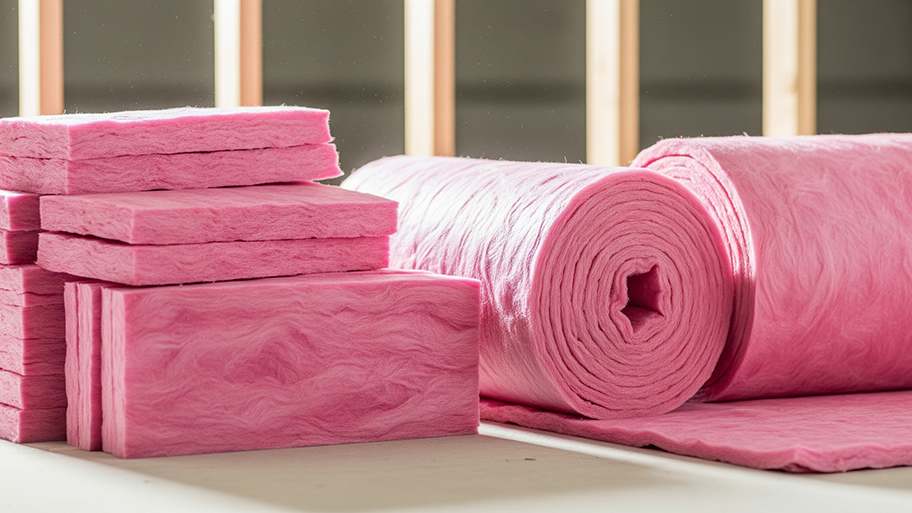
Crawl space insulation costs vary by size, insulation type, and material. Read this guide to learn how much your crawl space insulation could cost.
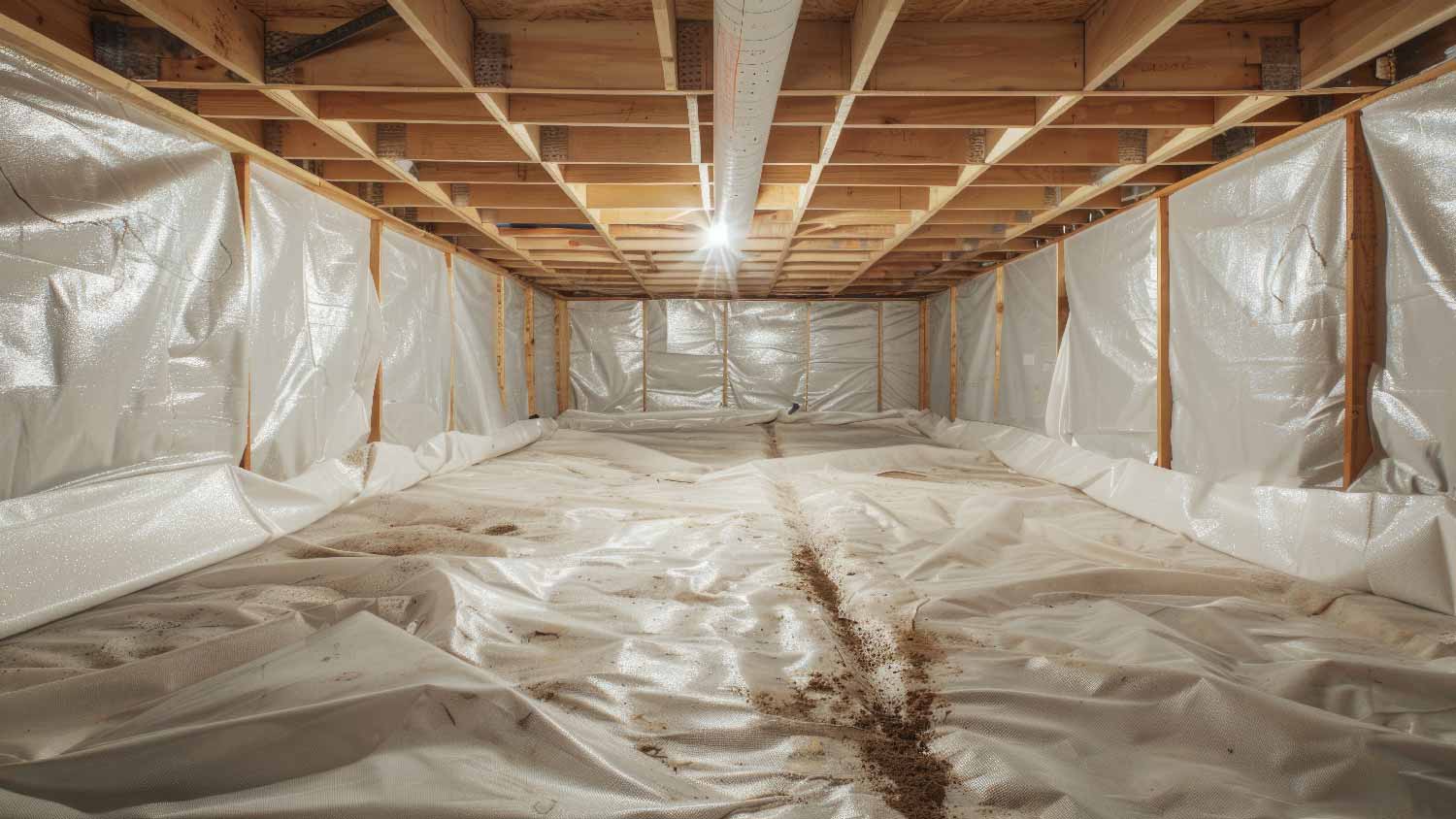
Crawl space inspections should be as commonplace as roof and chimney checkups. Here's who to hire to inspect your crawl space.
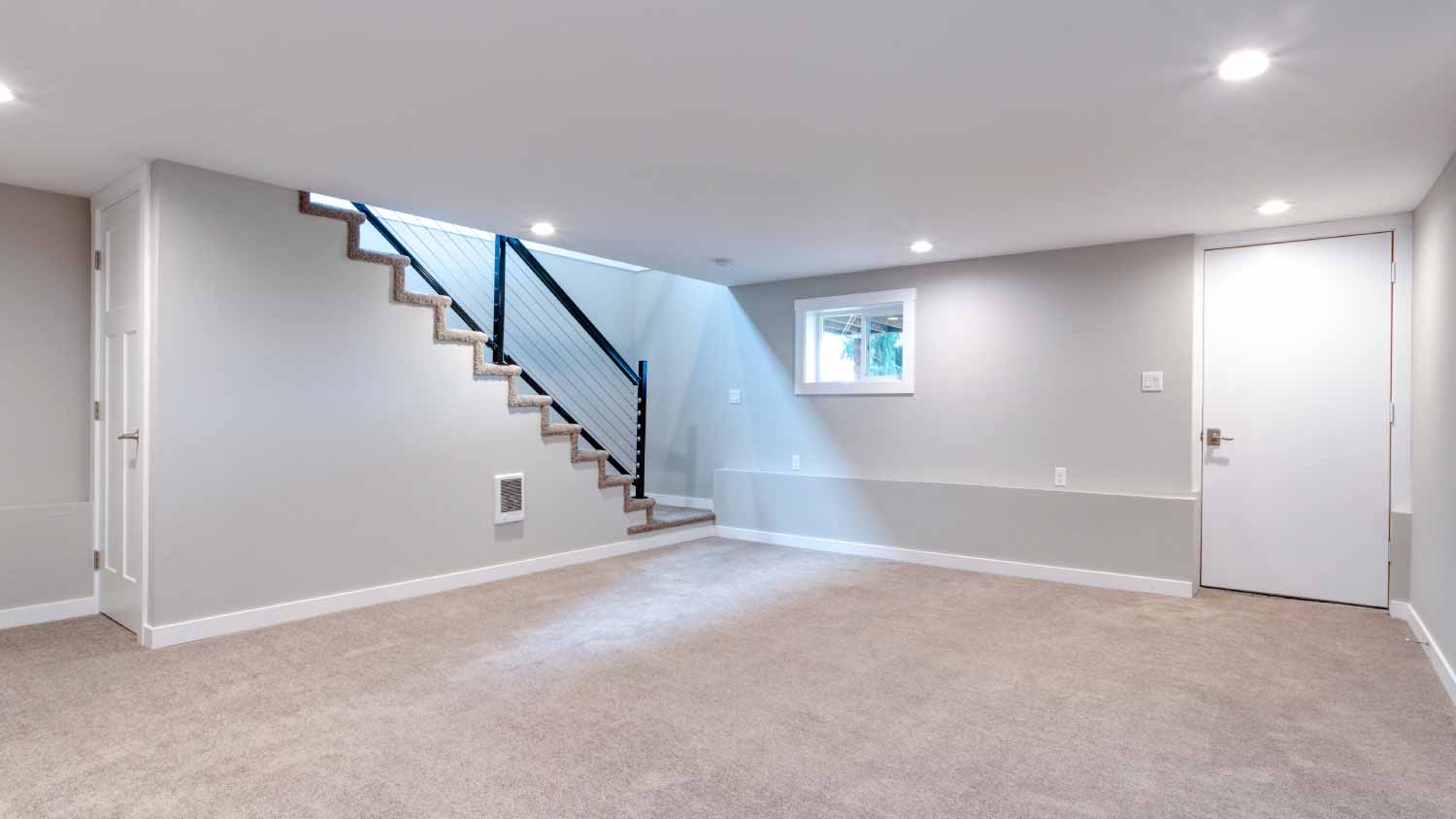
Unsure if a crawl space or a basement foundation is better? Learn about the pros and cons of each, how they compare, and which is better for your home.
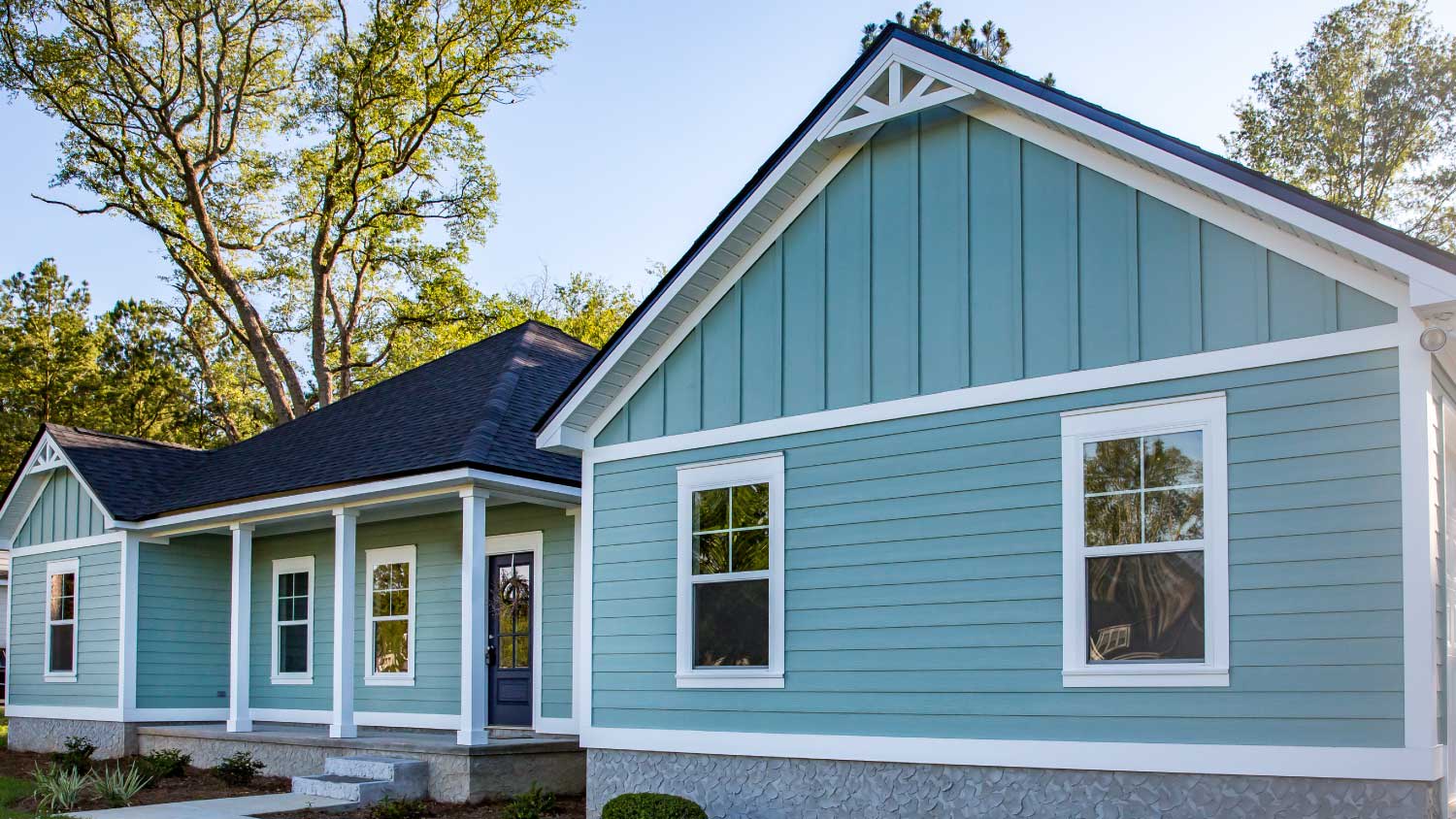
Crawl space code requirements exist for good reason. This small space provides a buffer between you, your home, and the damp, wet earth below. Here's what to know.