
•
Find out the average concrete delivery cost in Boston, MA. Learn what you can expect to pay for local concrete delivery and get your project started today.
Concrete driveway service costs depend on your project and location. Check with a local pro for your specific job.

Concrete slabs in Boston typically cost $4.33 to $8.66 per square foot, with higher prices for reinforced or thicker builds.
Older neighborhoods like Back Bay or South End can increase costs due to tight access and historic property restrictions.
Expect added expenses for frost-depth prep, drainage solutions, and permit fees if work impacts sidewalks or public streets.
Hiring a licensed Boston pro helps navigate permits, winter-proofing, and tricky site conditions without costly mistakes or delays.
When estimating concrete slab costs in Boston, MA, most homeowners pay around $5,848, with typical projects ranging from $3,899 to $7,798. Homeowners can often see costs climb due to compact lots, historic building constraints, and winters that put concrete to the test.
Pouring a slab in Boston, MA, can be a logistical puzzle. Between construction and centuries-old infrastructure, not to mention unpredictable weather, many local factors can influence your budget.
On average, a new concrete slab will cost between $4.33 and $8.66 per square foot or $119 per cubic yard. You could pay as little as $4.33 per square foot for thin slabs used in a concrete walkway or sidewalk. On the other hand, you might pay up to $19.49 per square foot per square foot for a thicker and more complicated home foundation.
The cost will be determined by the mixture’s design and the slab’s size and thickness. Other factors—such as subbase preparation, forms, finishing, reinforcements, and the local price of concrete—can also affect concrete slab costs.
| Concrete Slab Size | Square Feet | Average Cost |
|---|---|---|
| 10x10 | 100 | $650 |
| 20x20 | 400 | $2,599 |
| 30x30 | 900 | $5,848 |
Pre-cast concrete slabs often cost between $5.42 and $16.25 per square foot for standard applications, though specialized designs might cost at least $32.49 per square foot. These require minimal on-site labor, but delivery and installation equipment can add to your total bill.
Pre-cast components are often more affordable for designs with a high level of precision or repetition, like home foundations or sidewalk squares. Otherwise, a standard slab of concrete poured on-site might be more affordable; these cost between $4.33 and $13 per square foot.
Boston’s climate doesn’t mess around. Between nor’easters, freeze-thaw cycles, and salty winter roads, your concrete project needs to be tough enough to handle serious wear. That’s why many local contractors lean toward air-entrained mixes or reinforced options to help prevent cracking, especially for driveways, sidewalks, and other areas exposed.
Professionals use a few types of concrete for residential slab construction, and they vary slightly in price per square foot. The type of concrete that’s best for your project will depend on the load the slab needs to support, as well as Boston’s dense, often clay-heavy soils and coastal moisture, which can contribute to shifting and freeze-thaw stress.
Speak with a concrete professional near you to determine which type is best, and then use the table below to get an estimate for your total.
| Type of Concrete | Average Cost per Sq. Ft. |
|---|---|
| Standard | $6.50 |
| Rebar reinforced | $7.58 |
| High-strength | $8.66 |
| Fiber mesh | $10.83 |
What type of concrete slab you need depends on how you’ll be using it—for example, as a foundation for your home, to support an RV, or to define a backyard patio.
Keep in mind that prices will vary even within these categories. The cost of a concrete patio, for example, will total between $2.17 and $16.25 per square foot, depending on the type of finish. If you need additional drainage below your concrete, be sure to calculate the cost of adding sand or gravel under the slab.
Here's the average concrete slab cost by type of project:
| Project Type | Concrete Slab Size (Sq. Ft.) | Average Cost |
|---|---|---|
| Shed foundation | 80 | $520 |
| Parking pad | 200 | $1,300 |
| Patio | 450 | $2,924 |
| Garage floor | 350 | $2,274 |
| Driveway (1-car) | 240 | $1,560 |
| Driveway (2-car) | 500 | $3,249 |
| RV pad | 640 | $4,159 |
| Mobile home foundation | 1,620 | $24,562 |
| Home foundation | 2,050 | $39,963 |
The thickness of your concrete slab will affect pricing. Thicker slabs use more concrete per square foot, requiring more materials and labor to pour. How you intend to use the slab will determine the ideal thickness, which you can then use to estimate your total project cost.
| Project | Average Thickness (In.) | Average Cost per Sq. Ft. |
|---|---|---|
| Patio | 4–6 | $6.50–$9.75 |
| Walkway | 4 | $6.50 |
| Sidewalk | 4–6 | $6.50–$9.75 |
| Driveway | 4–8 | $6.50–$13.00 |
| Foundation | 8–10 | $13.00–$19.49 |
Labor costs between $2.17 and $3.25 per square foot to pour a concrete slab, which includes the price of building or setting concrete forms, delivering and mixing concrete, and pouring the slab. On average, labor makes up between one-third and one-half of the total cost of your concrete slab project.
Higher concrete grades are often recommended because Boston is a four-season city with some areas having uneven soil conditions. Homes in historic areas or near the waterfront may require stronger mixes to handle moisture, salt, and shifting ground.
Concrete grade indicates the minimum compressive strength that a concrete mix (made from cement, sand, water, and aggregates) is expected to achieve after 28 days of curing. It determines the concrete’s load-bearing capacity and durability. Higher grade numbers signify more durable concrete, which comes at a higher cost.
It's important not to confuse this with site grading, which refers to preparing the ground to ensure a stable, well-draining foundation before installing a concrete slab. Site grading costs can increase if the land has a slope, trees, large rocks, or other obstructions. The grading process involves excavation, leveling, and then adding and compacting a subbase, such as sand or gravel.
The concrete slab’s finish—or the surface treatment you choose—also influences pricing. Standard finishes (such as broom and smooth trowel) cost less than decorative finishes (such as stamped, stained, or polished concrete). Here’s how some types of concrete slab finishes affect the cost, noting that prices also vary based on project size, location, and installer rates:
| Concrete Slab Finish | Average Cost Range (per Sq. Ft.) |
|---|---|
| Broom finish | $1.08–$3.25 (or included in base price) |
| Smooth trowel finish | $1.08–$3.25 (or included in base price) |
| Exposed aggregate | $7.58–$16.25 |
| Stamped concrete | $10.83–$19.49 |
| Stained concrete | $8.66–$16.25 |
| Polished concrete | $3.25–$13.00 |
Locations that are difficult to access, like build sites with steep slopes or numerous trees, can drive up your concrete slab costs. Using a concrete mixer is the most cost-effective way to deliver and pour concrete for your home. If that’s not an option, professionals must move and pour the concrete manually, which will significantly increase labor costs.
Rebar is a popular choice for structural slabs across Boston due to the city’s harsh winters and risk of soil movement. While fiber mesh can work for lighter applications like patios, many contractors and homeowners prefer steel reinforcement for added durability.
Most concrete slabs benefit from reinforcement to prevent cracking and improve structural performance. There are two primary types of reinforcement: fiber mesh and rebar reinforcement.
Fiber mesh involves mixing synthetic fibers into the concrete to help control surface cracking and shrinkage.
Rebar reinforcement—the standard option for structural slabs—uses steel bars placed in a grid pattern within the slab to provide strength and resist cracking.
Here’s how the option you choose will affect your pricing:
| Concrete Reinforcement Type | Added Cost per Sq. Ft |
|---|---|
| Fiber mesh | $2.17–$3.25 |
| Rebar | $0.54–$1.08 |
If your previous concrete slab is on the cusp between repair and replacement, consider the cost of concrete repairs overall. Filling minor cracks and resealing concrete costs as little as $0.22 per linear foot, while full concrete resurfacing costs $3.25 to $5.42 per square foot. Both repairs are more affordable than the $6 or more per square foot you’d pay to pour a new slab—not including the added cost of demolishing and hauling away the old one.
On the other hand, if you’re dealing with serious damage—such as unlevel concrete, sinking, or structural issues—concrete replacement might be a better long-term option.
In Boston, costs cover muscle, materials, and red tape. For Bostonians, hiring a pro means factoring in permits, insurance, and city-specific requirements that come standard with working in one of the country’s oldest cities.
You’ll generally need a building permit for most concrete work that involves structural changes, new installations, or major excavation. Smaller jobs might slide under the radar, but anything affecting drainage, zoning, or public spaces, like sidewalks or curb cuts, can require additional permits. Fees typically run around $50 per $1,000 of construction value, so larger projects can add up quickly.
When hiring a concrete contractor in Boston, homeowners should be aware that these pros also carry essential protections like general liability insurance and workers’ compensation, which are often required for licensing and job-site safety. These costs are built into your estimate and ensure your project doesn’t turn into a liability drama.
In a very competitive housing market like Boston, yes, pouring a new concrete slab can make a noticeable difference in home value. Functional upgrades like driveways, a rare luxury in some neighborhoods, or spanking new patios can boost both usability and curb appeal.
For instance, the ROI for a new concrete driveway can reach up to 80%, delivering a solid return and often increasing property value by several thousand dollars. Meanwhile, the ROI for a new concrete patio, perfect for those short but sweet New England summers, can be even higher, up to 90%.
To help homeowners plan their next project, Angi provides readers with carefully researched cost data and upholds strict editorial standards. We start with national average project costs, which we collect by analyzing competitor information, retailer material costs, and input from professional contractors. We then apply local price index data to calculate location-specific estimates that reflect what homeowners typically pay in their local area. To do that, we use data from the U.S. Bureau of Economic Analysis (BEA), including its Regional Price Parities (RPPs), which measure price differences across cities. This helps us account for differences in labor, materials, and overall cost of living, so estimates in higher- or lower-cost areas better reflect real-world local pricing.
Every estimate undergoes a thorough editorial review to verify accuracy, consistency, and alignment with observed market conditions.
Want to help us improve our cost data? Send us a recent project quote to [email protected]. Quotes and personal information will not be shared publicly.
The care and detail the team put into their work was beyond appreciated. Love the new look of my driveway.
 Brickstone Masonry, Inc.
There guys were so great they were very polite and professional with their work carried out on my Chimney. I needed a new concrete crown and some tuck-pointing done And was very happy with The result definitely will be using them again for any other projects
 Pegasus Home Restoration, Corp.
The crew showed up on the date scheduled and got the work completed in two days. Quality of work was good. The clean up was also good. Anything I wanted changed or fixed he did without any questions asked. I would recommend them for any concrete work or replacement that you need in your home.
 Flexible Roofing & Construction LLC
I hired Stonecare Paving and Masonry to do some repairs on the concrete foundation on my home. They did a great job I was very happy with the work. Very professional company they kept us updated throughout the whole process. Everything was done in a professional manner. Definitely...
 Stonecare Paving and Masonry
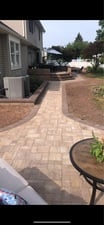
I just had this company to do our massive concrete driveway. Their crew did an amazing job from start to finish! They provided a great price and quality work and got the job done in 1 DAY!! Overall this is a great company and very professional. I highly recommend this company for all your...
 Uneed Home Improvements
Some of the best and most professional workers Iâ ve seen they were extremely clean and always left the place spotless when the left I booked in a new driveway with them for next summer
 Mallet Construction
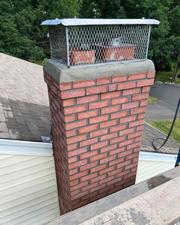
Their craftsmanship is unparalleled. They are the epitome of professionalism. We're thrilled with our new brick driveway. The team showcased skill, precision, and a keen eye for aesthetics. Truly a five-star service! Highly commendable!
 T Masonry and Construction
Excellent customer service! Always provide great service. The Masonry Contractor transformed our old driveway into a work of art with their intricate brick designs. The team's commitment to quality is evident in every brick laid. Two thumbs up!
 Top Tier Masonry AND WaterProofing Corp
Eds masonry & construction was fast and furious in getting our driveway into shape and installing a new driveway they responded to my inquiry very timely and were out to see the project the next day they gave a reasonable quote and started the job the following week this was a great...
 Edds Construction & Masonry
Great service, highly recommend great team, Will always use this service again very happy with my driveway repair. 10/10 guys
From average costs to expert advice, get all the answers you need to get your job done.
Find out the average concrete delivery cost in Boston, MA. Learn what you can expect to pay for local concrete delivery and get your project started today.
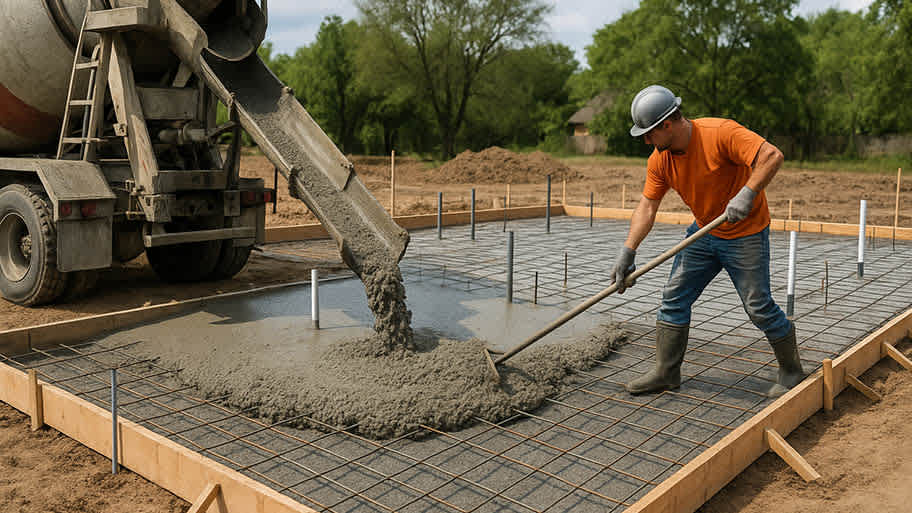
A foundation for a new-build home averages around $8,287. Find out all the factors that affect the cost of a foundation in Boston, MA and how to save money.
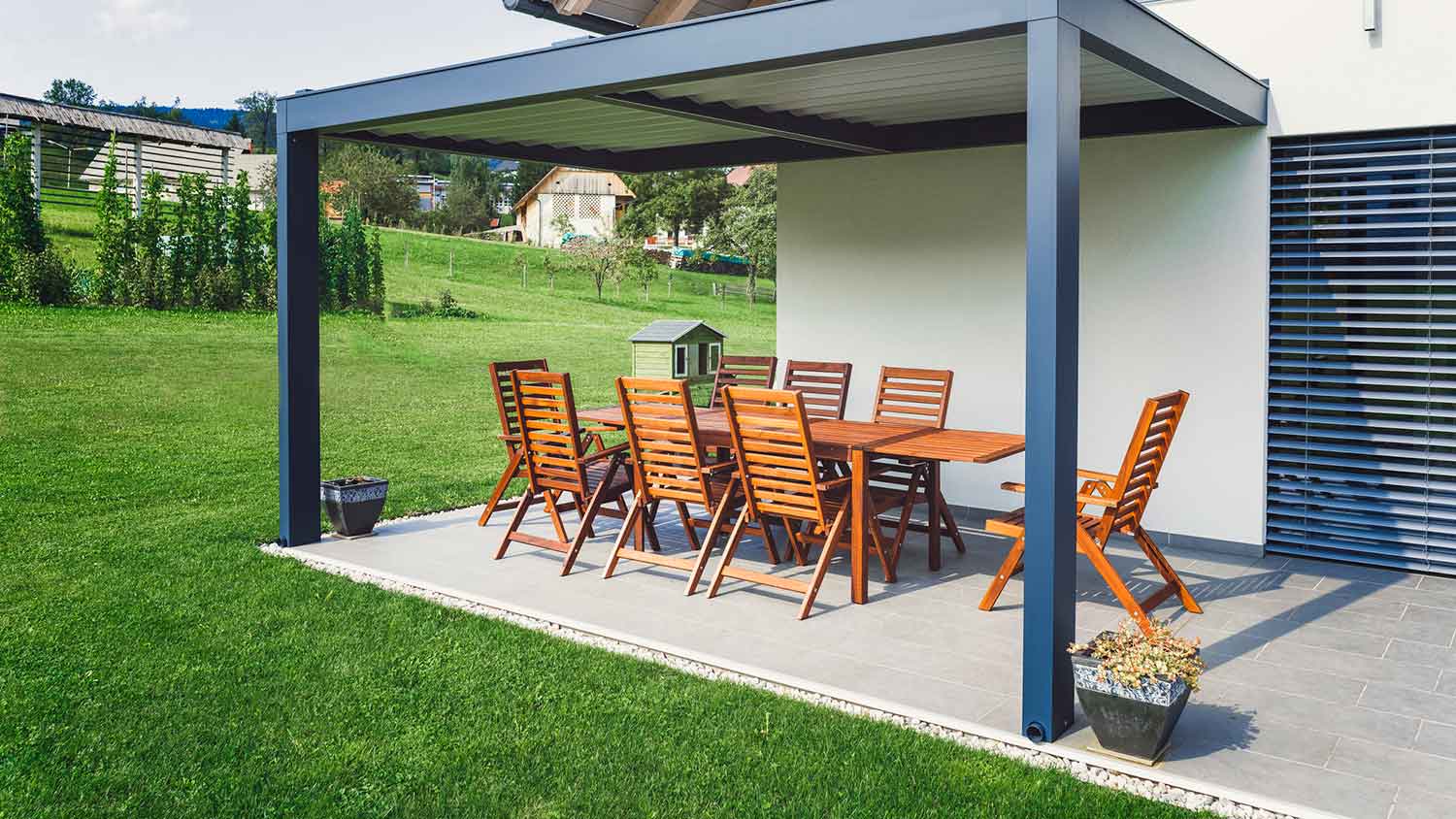
A concrete patio adds outdoor living space to your home. Learn how much a concrete patio costs in Boston, MA, and the factors affecting the project price.
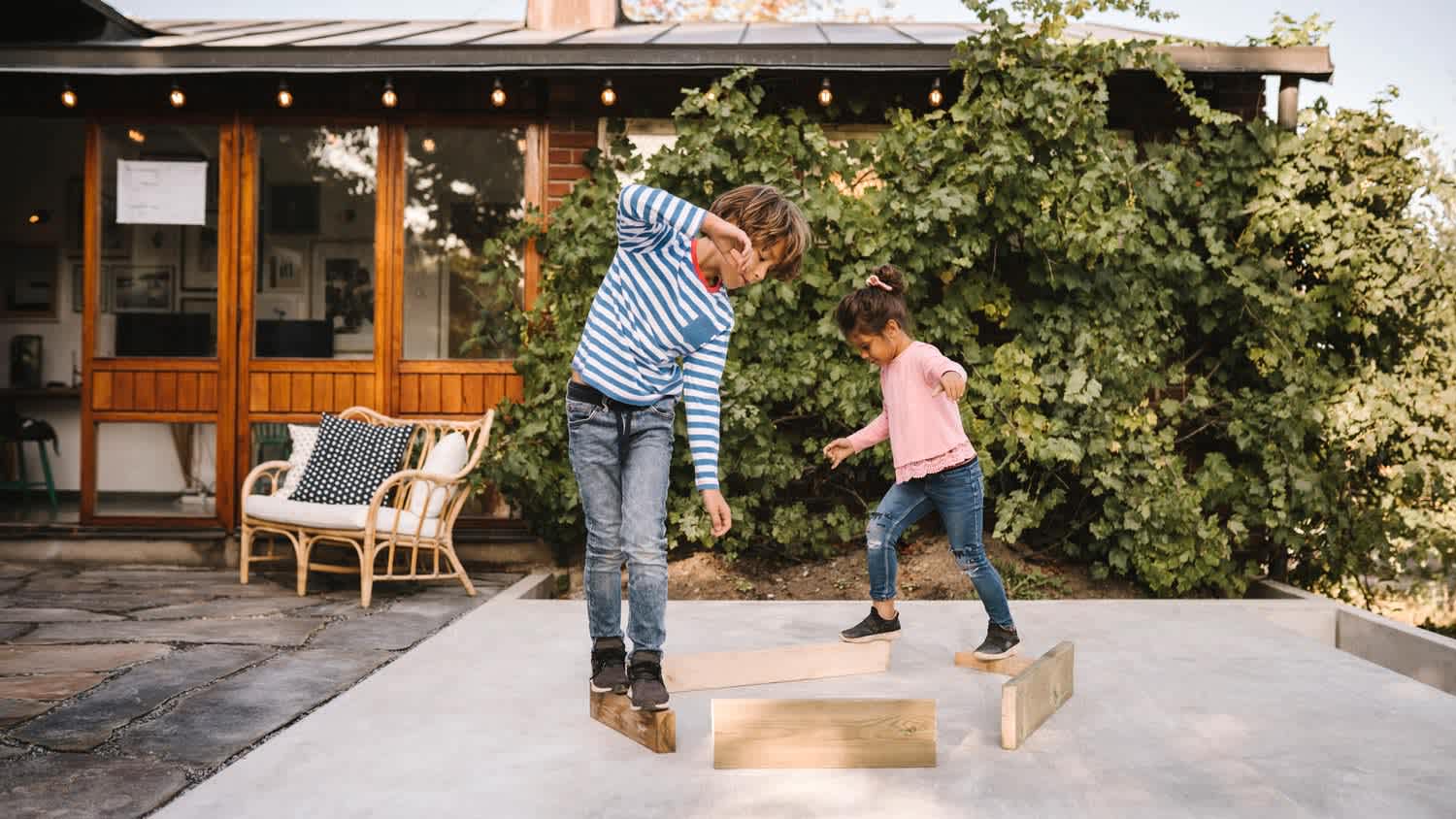
When your patio, driveway, or walkway needs a new look, can you pour concrete over concrete? Read on to learn when it does—and doesn't—work.
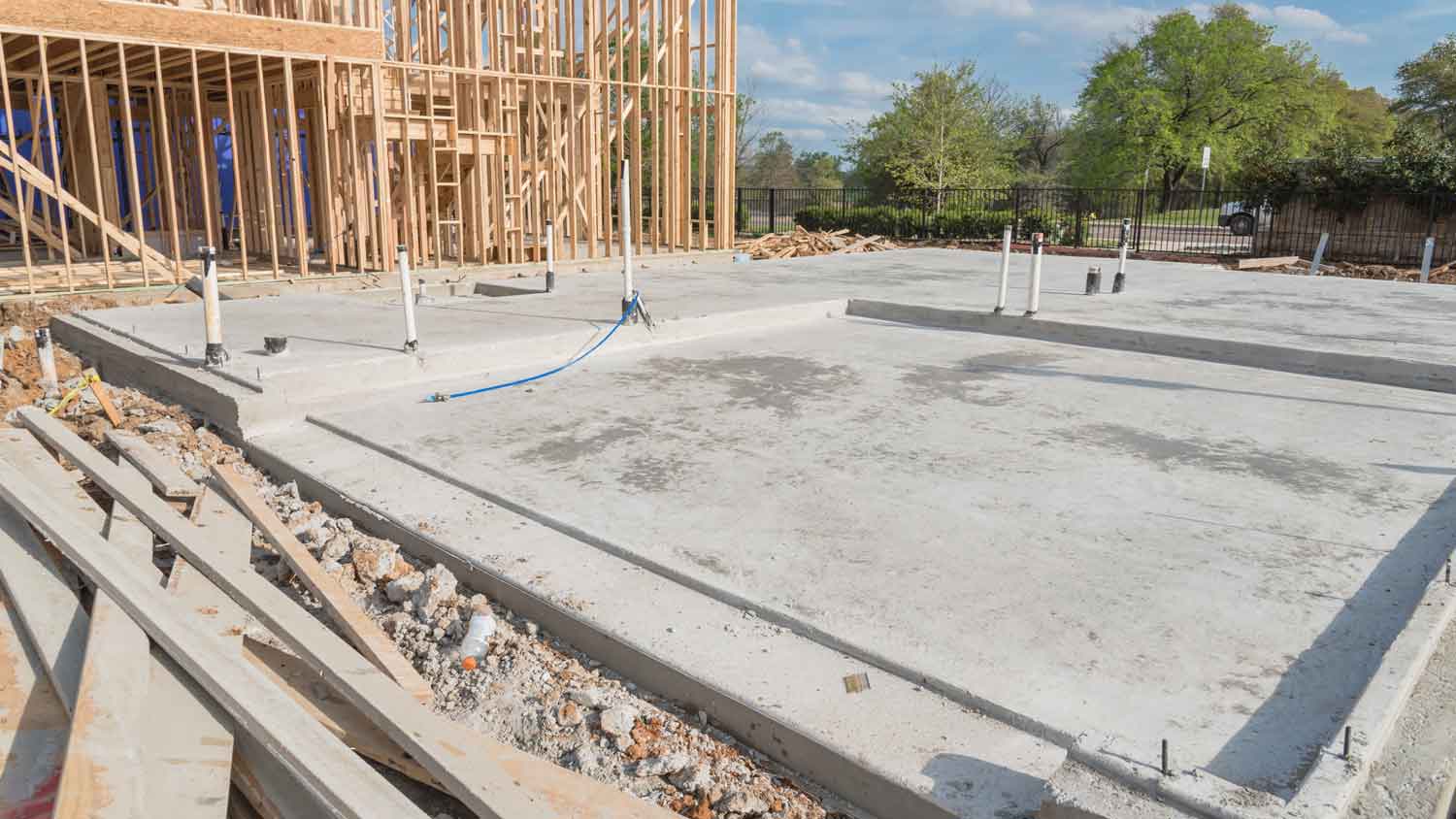
Unsure of what the different foundation types are? This guide explains what a slab-on-grade foundation is, when it’s appropriate, and some pros and cons.
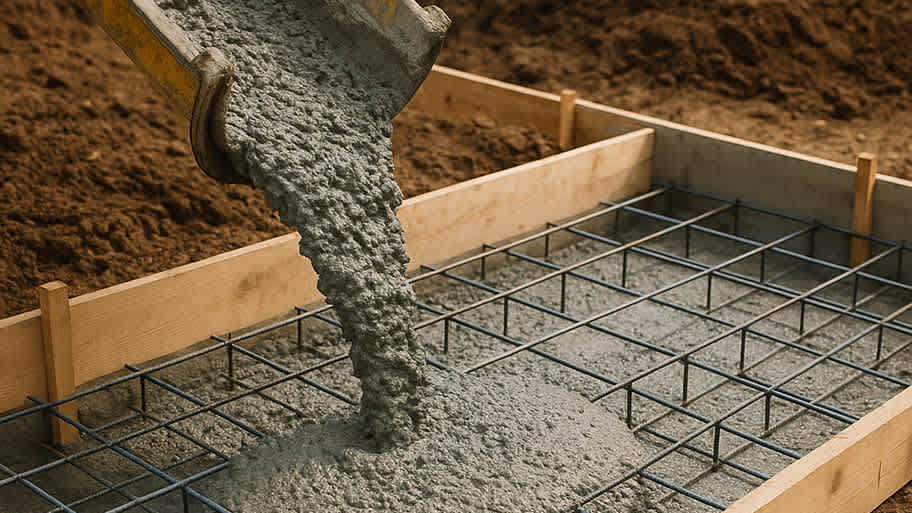
When it comes to comparing a slab vs. crawl space foundation, each has its pros and cons. Read on for a breakdown of these two foundation options.