
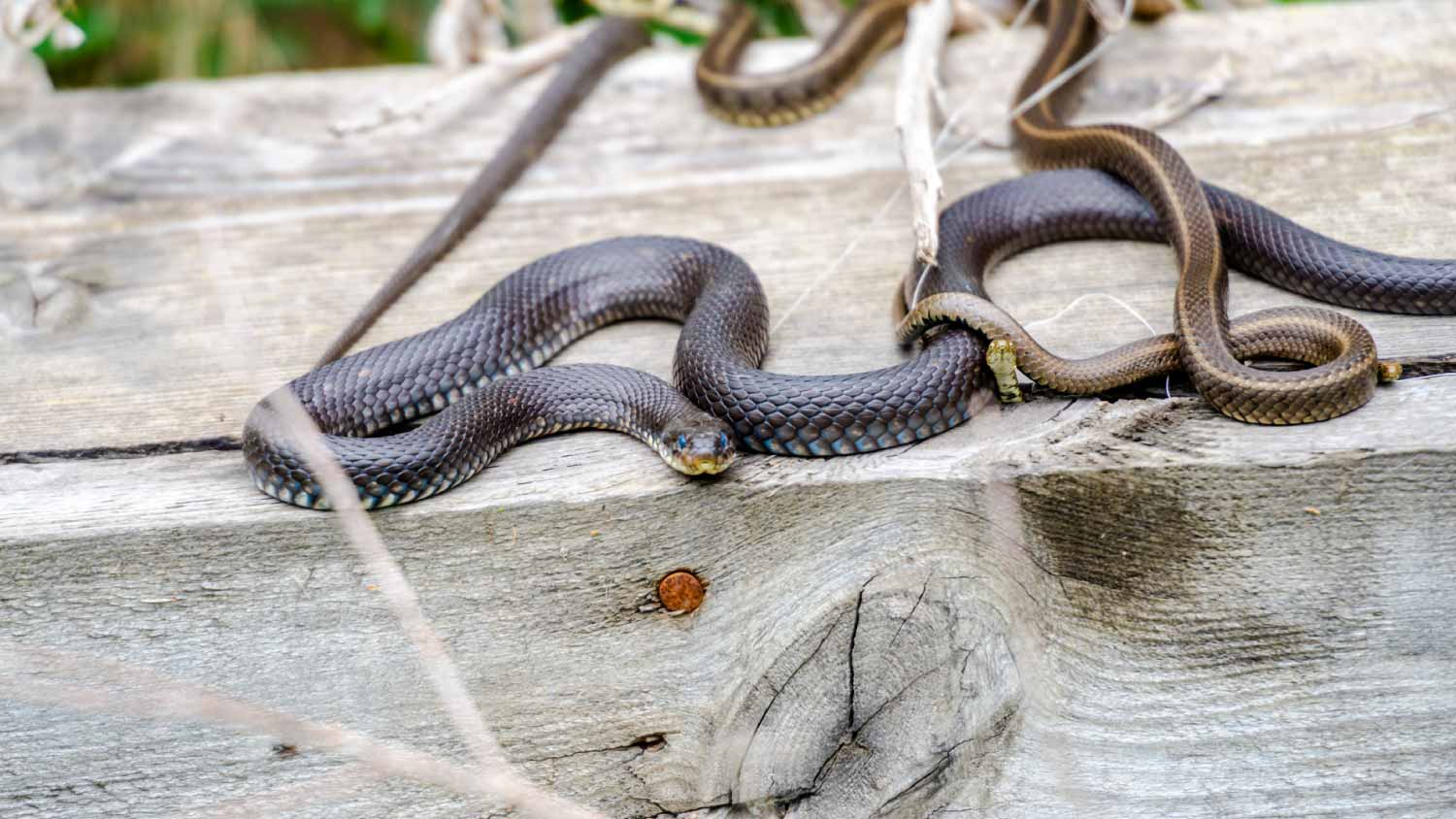
Snake removal cost comes down to the type and number of snakes you’re dealing with and where they’re located inside your home. This guide breaks it down.
Slither or scurry? Learn how to spot the difference

Snake holes measure 2 to 4 inches wide with smooth surfaces, while chipmunk holes are smaller at 1 to 2 inches and show fresh dirt from digging.
Chipmunk holes appear near bushes, gardens, or patios where food is available, while snake holes sit near foundations, stone walls, or grassy fields your yard provides.
You can spot chipmunk activity through paw prints and chewed nuts near holes, while snake holes show little evidence except occasional shed skin around the entrance.
Hiring a local exterminating professional helps you manage chipmunk or snake issues safely through effective removal strategies, prevention guidance, and ongoing yard protection.
You’ve spotted a hole in your backyard and wonder what lies below the surface. Is it a chipmunk hole or a snake hole? Let’s review how to identify which critter is responsible for the digging (or slithering) so you can get rid of chipmunks or snakes safely.
The key difference between chipmunk and snake holes is that snakes burrow in pre-existing systems while chipmunks build their own. This leads to identifying factors that set the two apart, including size, location, depth, activity, and prevention.
| Type of Difference | Chipmunk Hole | Snake Hole |
|---|---|---|
| Size | 1–2 inches | 3–4 inches |
| Location | Near bushes, gardens, patios | Near foundation, stone walls, grassy fields |
| Activity | Paw prints, food shavings | Shed skin |
| Prevention | Sealing entry points | Eliminate food source |

One of the easiest ways to tell chipmunk holes from snake holes is by looking closely at their size, shape, and surroundings.
Depending on the size of the snake, most snake holes measure 2 inches to 4 inches wide. This is bigger than the average chipmunk hole, which tends to be 1 inch to 2 inches wide. If the hole looks bigger than a chipmunk, it likely belongs to a snake.
Since snakes slither in and out of their holes, they leave behind a smooth surface where they burrow. They also inhabit existing rodent burrow systems, so there’s no mess involved. On the flip side, chipmunks dig their own holes, so you can expect to find fresh dirt nearby or evidence of digging.
Chipmunk tunnels are surprisingly deep and complex, often extending several feet underground with multiple chambers for nesting, food storage, and escape routes.
However, snake holes are usually shallow and simple, often an entry point into an existing rodent burrow or a small cavity for shelter. While chipmunks invest in a full underground home, snakes are more like short-term tenants, using whatever space is available.
Snake holes are commonly found near your home’s foundation, stone walls, or in grassy fields. On the other hand, chipmunk holes are found near bushes, gardens, patios, or trees. You can find them in areas that provide a source of food or shelter for the small rodents.
You won’t find signs of much activity near a snake hole, but you will find evidence of livelihood near a chipmunk hole. Check for paw or claw marks, as well as chewed nuts, acorns, or acorn shells near the entrance.
If you see any of those signs, it’s safe to say there’s a chipmunk in your yard. On rare occasions, you may find evidence of shed snake skin near a snake hole, though it’s less common.
When it comes to prevention, chipmunks and snakes call for different strategies. Chipmunk holes can be managed by sealing entry points near foundations, installing garden fencing, and reducing access to food sources like seeds or nuts.
Snakes are less interested in your landscaping itself and more in the prey living there. Keeping rodent populations under control, mowing tall grass, and clearing wood or rock piles makes your yard less appealing to them. If you have trouble getting rid of or preventing either critter, it’s time to call your local exterminator.
A reliable team for moves across state. My switch to a new place needed careful lifting through tight hallways. The movers checked the doorway first, then carried heavier pieces with slow, controlled movements. Their patience helped prevent damage, and I?d choose them again.
This company does it right. Firstly, I want to say that Landan was a joy to work with. He was so kind, transparent, and had everything under control. His entire team showed up ready to work and they were all very respectful of the fact that we were in an office space. A little backstory – we...
 Krumlauf Floors
I had FabClean 614 clean my apartment, and she did an outstanding job. She was so professional and efficient. My apartment looks absolutely spotless every surface, every corner, all cleaned to perfection. Definitely highly recommend FabClean 614 if you're looking for top-notch cleaning...
 Fab Clean 614
Raven and crew does absolutely fantastic job. They are very professional if any concerns were to occur with any of her work she always took responsibility and finished out with a great job. I have worked with her business for a year and have always been satisfied. Very trusted business and...
 Creations of Transformation LLC
I would recommend this company to anyone! He showed up on time, was friendly, completed a very difficult repair on our dryer vent cover, was responsive, and pricing was extremely fair and competitive. I would have him back to do any of our repairs or cleanings without hesitation!
 U.S.A. Dryer Vent, LLC
Best cleaning I've had at my property
Ace Fireplace Services' chimney sweep service is truly exceptional. They used advanced technology to ensure a thorough cleaning process, and my chimney has never looked better. I highly recommend their services.
 Ace Fireplace Services
This company went above and beyond with their work, chimney sweeps are usually pretty messy, but the clean up was spot on.!! Josh explained every thing that he was doing, and the things that he was checking to make sure the chimney was safe for me and my family. He was very professional,...
 Supreme brick & chimney
Good workers and they do a good job.
 Mira Construction
Mary Cleaning Service is fantastic! The entire team is professional and pay a great deal of attention to detail. They do such a thorough job of cleaning my house. I would definitely recommend!
From average costs to expert advice, get all the answers you need to get your job done.
Snake removal cost comes down to the type and number of snakes you’re dealing with and where they’re located inside your home. This guide breaks it down.
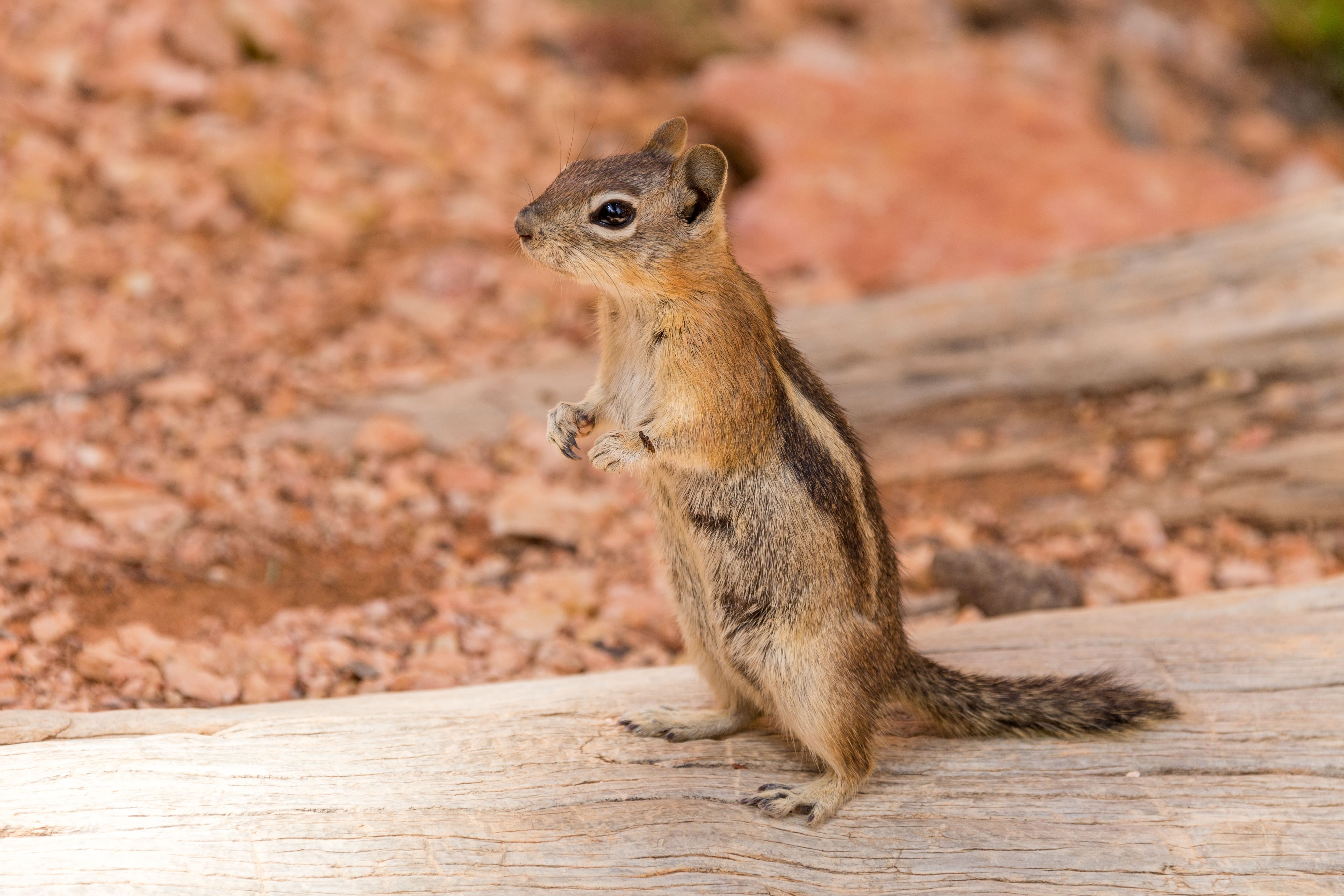
When chipmunks start swinging from the bird feeder, it's time to take action. Here’s how to get rid of chipmunks, from natural repellent to barriers.
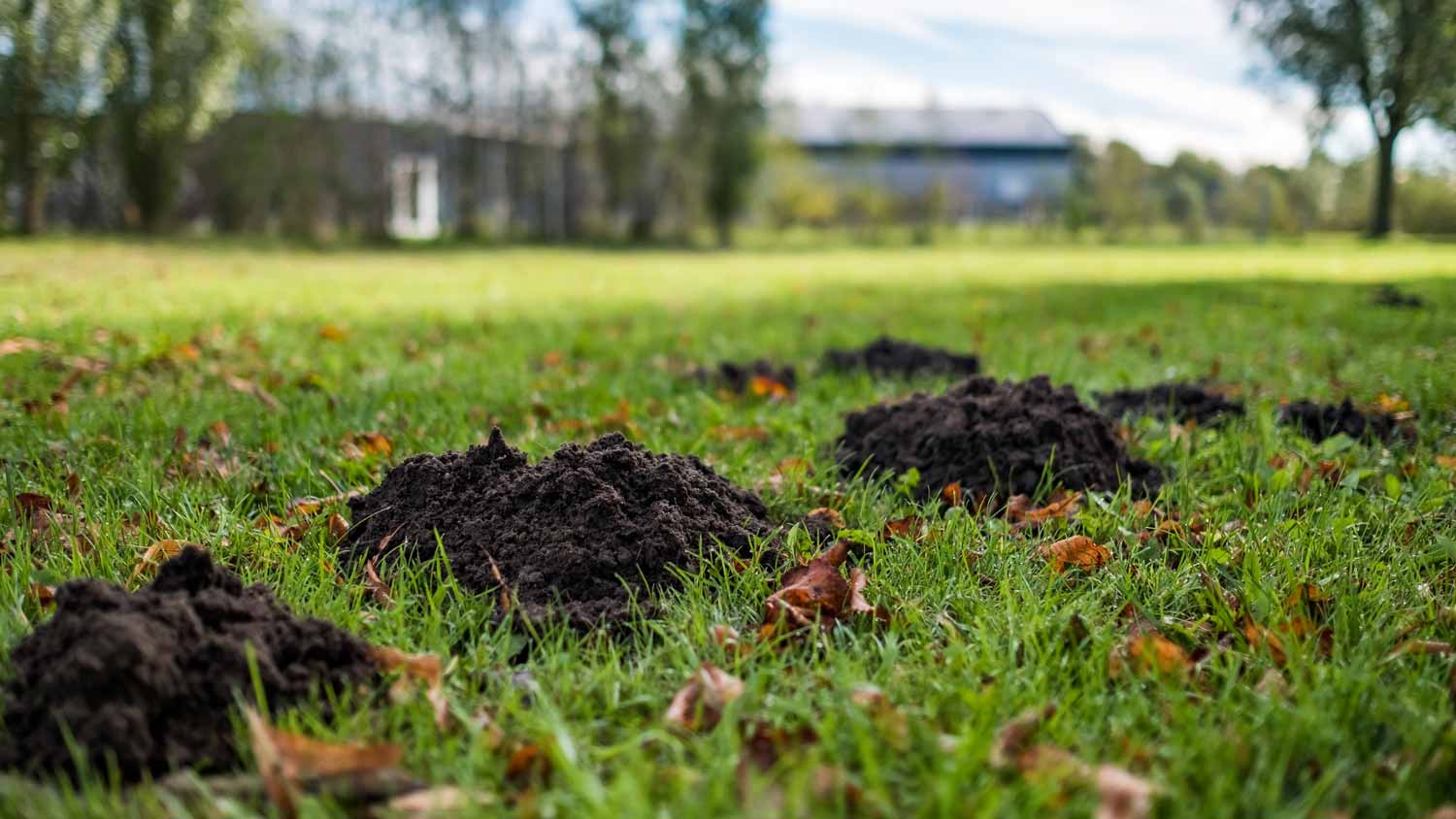
If you're stumped about what animal is digging holes in your yard, use this guide to identify the signs of different species and stop them from causing damage.
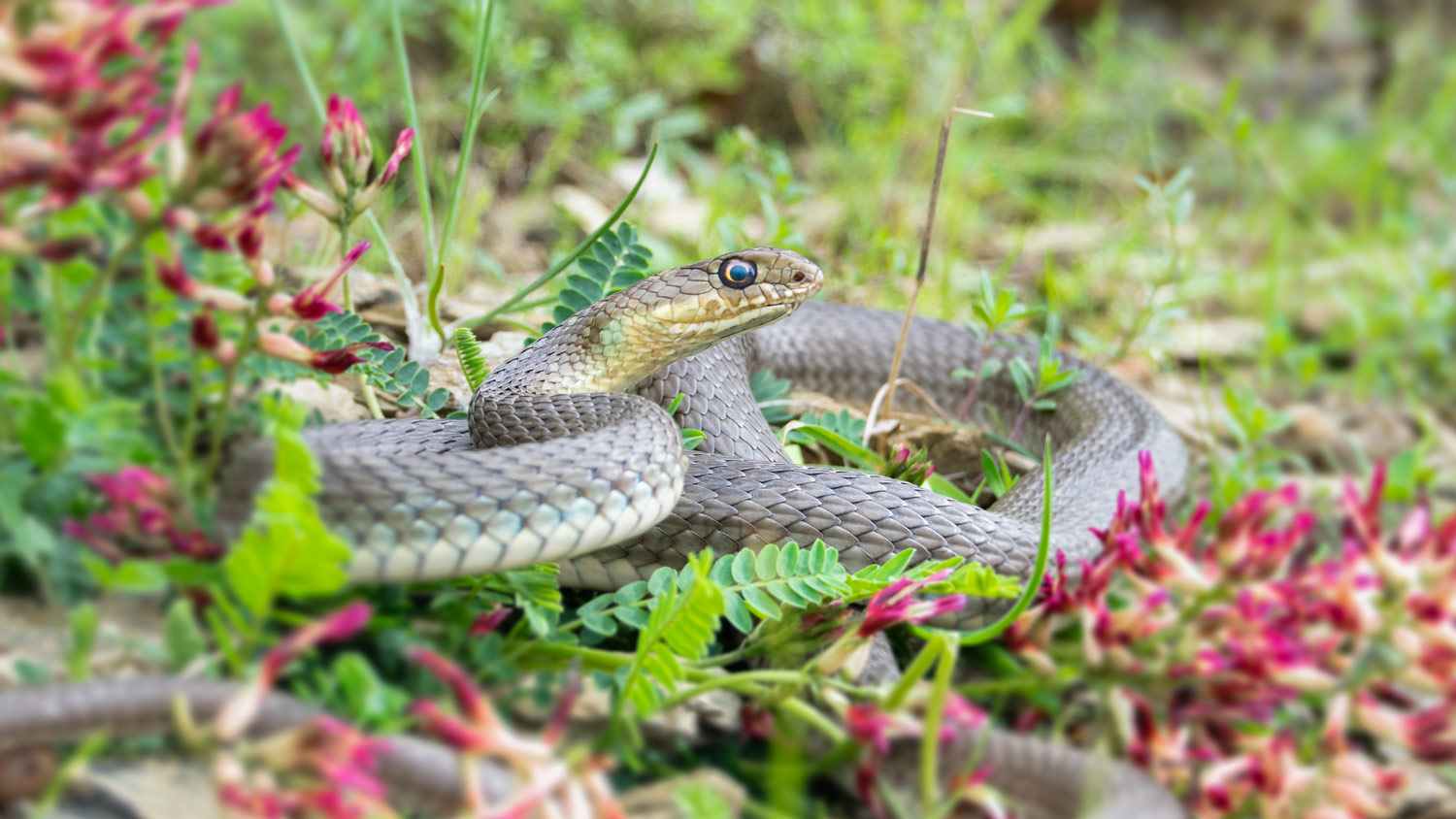
If you have them, then you most likely want to know how to get rid of snakes for good. Here are tips to get them off your property in a humane manner.
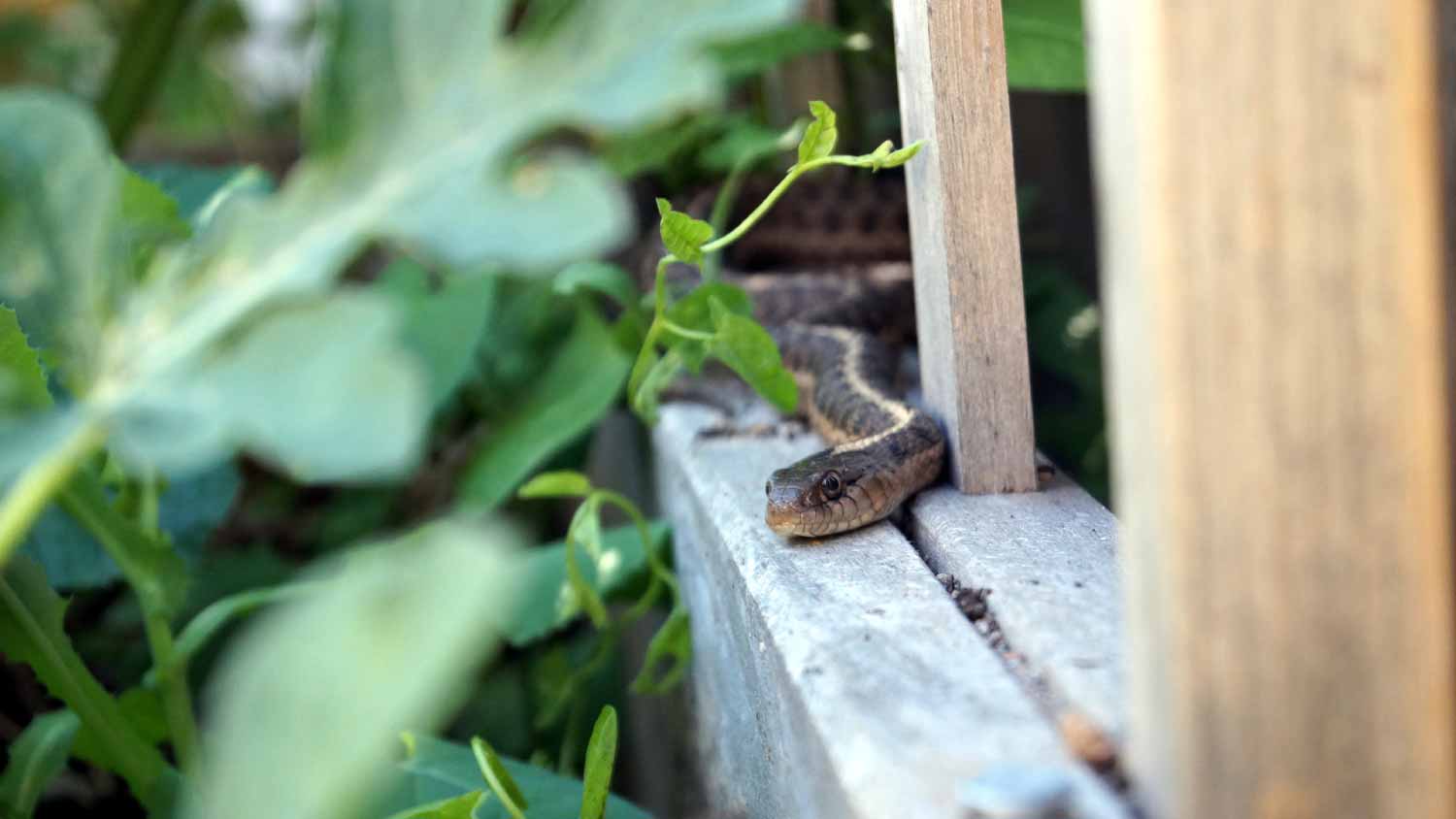
When picking the best bait for snakes, first identify the type of snake to learn more about its natural diet, then choose one of these.
Clogs can keep drains backed up and build up odors in kitchens and bathrooms. Learn how to use a plumbing snake, a simple solution to clearing clogs.