

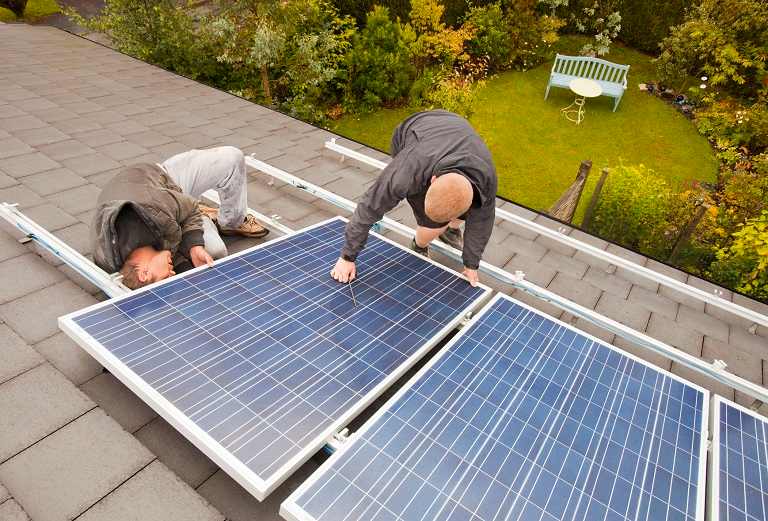
There are a few factors to consider when it comes to solar panel repair costs. This guide breaks down the prices of solar panel removal, repair, and replacement.
Solar panel service costs depend on your project and location. Check with a local pro for your specific job.

Solar battery systems cost between $6,000 and $12,000 on average, with capacity measured in kilowatt-hours driving your final price.
Your home's energy usage, climate conditions, and whether you need whole-home or partial backup power determine the battery capacity you need.
Account for electrical wiring upgrades, inverter installation, critical load panels, and solar panels or shingles if your home doesn't have them yet.
Hiring a local electrical professional ensures your solar battery installation meets building codes and keeps your household safe from electrical hazards.
In 2026, the national average cost of a solar battery system is $10,000, including the battery and installation labor. Most homeowners spend between $6,000 and $12,000, with the total cost driven by battery capacity, home energy needs, and installation complexity.
The brand you choose for your solar battery directly affects what you pay, and even batteries of the same size carry different price tags across manufacturers. The table below breaks down average starting prices by solar battery brand:
| Solar Battery Brand | Average Starting Cost in 2026 |
|---|---|
| EG4 | $8,500 |
| Enphase | $9,500 |
| Franklin | $10,500 |
| Generac® | $12,400 |
| Growatt | $8,200 |
| HomeGrid | $9,000 |
| LG | $6,000 |
| Panasonic | $7,000 |
| SolarEdge | $11,500 |
| sonnenCore+ | $10,500 |
| SunPower® | $12,000 |
| Tesla | $9,500 |
While the size of your home is an important factor in determining battery capacity, you also need to consider your lifestyle and how much electricity you normally use. A smaller home that relies on air conditioning most of the year and has an EV may need a larger battery than a homeowner in a cooler climate.

Capacity is the single biggest cost driver for a solar battery system, with most systems priced at $400 to $750 per kilowatt-hour (kWh), which works out to $4,000 to $7,500 for a typical 10 kWh battery before installation. You can also purchase individual batteries for smaller partial systems or scale up for homes with higher energy demands. To find the right fit, talk with a solar pro to learn how many solar batteries you need to power your house, since the right capacity depends on your usage patterns and backup goals. Here’s how solar battery costs vary based on capacity:
| Solar Battery Capacity (kWh) | Average Cost in 2026 |
|---|---|
| 1 kWh | $400–$750 |
| 3 kWh | $1,200–$2,250 |
| 5 kWh | $2,000–$3,750 |
| 10 kWh | $4,000–$7,500 |
| 15 kWh | $6,000–$11,250 |
| 25 kWh | $8,000–$15,000 |
Labor adds $2,000 to $3,500 to your solar battery system cost, with smaller installations coming in at the lower end and larger systems pushing toward the higher end.
Where you live affects your solar battery installation cost because local utility fees, climate conditions, and regional labor rates all vary by state. Many states also offer incentives, such as tax exemptions and rebates, that can meaningfully reduce your out-of-pocket expenses. The table below shows average installation costs and available incentives for states with active solar battery programs:
| State | Solar Battery Incentive | Average Installation Cost in 2026 |
|---|---|---|
| California | Self-Generation Incentive Program (SGIP) | $8,200 |
| Hawaii | Battery Bonus Program | $10,500 |
| Maryland | Maryland Energy Storage Income Tax Credit (MESITC) Program | $10,000 |
| Massachusetts | Solar Massachusetts Renewable Target (SMART) Program | $11,200 |
| New York | NY-Sun Initiative | $12,100 |
| Oregon | Solar + Storage Rebate Program | $14,000 |
Beyond brand, capacity, labor, and location, several additional factors can shift your total solar battery cost, and understanding them will help you build a more accurate budget.
The type of solar battery you select can shift your system cost by $2,000 to $15,000, making battery chemistry one of the more consequential choices you will make. The most common options are lead-acid, lithium-ion, and lithium-iron-phosphate, though lead-acid is no longer used in modern installations. The table below breaks down whole-house costs and key properties for each solar battery type:
| Solar Battery Type | Average Cost in 2026 | Properties |
|---|---|---|
| Lead-acid | $5,000–$15,000 | Most affordable and oldest option, but requires extra maintenance |
| Lithium-ion | $7,000–$30,000 | Long-lasting and low-maintenance, but moderately priced |
| Lithium-iron-phosphate | $9,000–$30,000 | Long-lasting, efficient, and low-maintenance, but higher price tag |
The total number of batteries in your system directly determines your overall cost, and your solar provider can recommend the right quantity based on your home's energy usage and the storage capacity of the batteries you select. It’s also worth thinking ahead, because installing the minimum number of batteries today may save money upfront but could mean higher installation and product costs later if you need to expand your system.

If your solar battery will be installed away from existing wiring and outlets, you may need to hire an electrician near you to rewire your home at $6 to $10 per square foot, with simple rewiring projects costing around $1,600. Batteries installed close to your existing electrical system are straightforward for installers, while those located far from it add complexity and cost.
If your solar battery system stores DC energy without a built-in inverter, budget an additional $1,000 to $1,500 for a solar power inverter to convert DC electricity into the AC electricity your home appliances require.
A critical or backup load panel costs between $1,000 and $2,000 on average and is especially important for households that rely on essential technology or medical equipment during a power outage.

Solar batteries work in tandem with solar-energy collectors, so if you do not already have solar panels or solar shingles, you will need to install them to generate electricity for your battery system. Solar panels are by far the more common choice, with costs ranging from $18,400 to $36,400, while solar shingles run $21,000 to $50,000 for homeowners who prefer an integrated roofing solution.
It always pays to shop around and get at least three quotes for your project. A solar installer can help estimate how many solar shingles or panels you’ll need for your roof.

Owning a solar battery system entails long-term costs beyond the initial installation, including routine maintenance and occasional repairs, which you should factor into your overall budget.

Hiring a local solar repair pro to inspect and maintain your battery system costs between $150 and $300 on average, and solar installation contractor Vincent Curcie recommends scheduling this service every one to two years for firmware updates and diagnostics. A typical maintenance visit covers an inspection, battery rotation, and terminal cleaning, and some manufacturers also offer remote monitoring and support between visits.
Fully integrated solar battery systems often come inside a protective storage container, which can be convenient and discreet, but also more challenging to repair if the box itself breaks. You might also need to contact a professional through the company you purchased your solar battery system from to avoid nullifying any warranties.
The cost to replace a solar battery depends on the capacity of the battery in question. You’ll usually pay for the cost of the battery itself, and any installation costs if you need to hire a pro to replace it. Some smaller batteries can be replaced without a pro.
Keep in mind, this price may be significantly lower if you’ve used a combination of solar batteries in your system rather than a single, high-capacity battery. However, most solar batteries last between 10 and 15 years, so when it’s time to replace your batteries, you may be better off replacing the entire system if all of your batteries have expired. If you only have one faulty, low-capacity battery in your system, replacing it could cost less than replacing the whole system.
Many solar battery systems are versatile, meaning you can replace an old battery with a new one with relative ease. Just like with standard batteries, you should avoid mixing and matching the type of batteries you have in your system. For example, if you use lithium-ion batteries of one amp-hour capacity, don’t replace one old battery with lead-acid batteries that have a different capacity.
The 2022 Inflation Reduction Act provides homeowners with a 30% tax credit for installing solar panels and battery systems, which can bring the cost of an average system down to around $8,000. This credit is available now but will step down to 26% in 2033 and 22% in 2034 before expiring entirely in 2035, so acting sooner captures the full benefit.
You should never attempt to install a solar battery on your own. Instead, hire a licensed and well-reviewed solar installer near you.
If you’re adding a solar battery to your home’s solar power system, you should always hire a certified solar installer. Here’s why:
Working with solar power and electrical systems typically requires a permit and always requires a thorough understanding of local building codes. Solar installers in your area can navigate the permit process for you and ensure the solar battery installation is up to code.
In many cases, a solar battery’s warranty may require professional installation, and you may not be eligible for rebates if you attempt to install the battery yourself.
Working with any solar equipment requires specialized knowledge, training, and tools. Even handy homeowners likely do not have the breadth of experience required to work with solar equipment.
There’s often electrical work involved, which includes risk of shock and electrocution if you don’t know what you’re doing.
Solar batteries are also often tied to the local grid; this also requires special permits and knowledge. It may also trigger a formal inspection.
A professional solar installer can also guide you through the selection process, finding the right type of battery and the correct capacity.
There’s no question that solar batteries are a major investment. As such, you’ll want to find ways to reduce the cost. Here are a few tips for saving money on solar batteries.
Install solar batteries with solar panels: You can save money by installing solar panels along with the solar batteries in a single installation rather than separately.
Apply for the federal solar tax credit: With this tax credit, you can save 30% on the cost of your solar battery system, so be sure to file for it on your tax return.
Look for local rebate programs: Some states, like California and New York, offer different compensation programs, so always check with your local government and utility companies for solar incentives.
Compare solar company brands: When comparing different solar battery brands, look at customer reviews, warranty offerings, and product quality. A more expensive brand might offer better energy efficiency and a longer life span, providing better value in the long run.
While solar batteries can make use of excess solar energy from your solar panels, they’re not for everyone. You can explore the pros and cons of solar battery storage and decide if it’s the right fit for your home. That said, solar batteries may be worth it if you:
Live in a state with time-of-use electricity pricing
Live in an area prone to power outages
Energy independence is a priority
Work from home and need access to your devices and internet, rain or shine
Want to lower your carbon footprint and have a zero-energy home
Don’t have net metering
Don’t want to use your solar panels directly without a battery
Live off-grid and depend on backup storage
Depend on a backup battery for your medical equipment
Net metering programs allow you to offset your utility bills, but not all states have the same net metering policies, and some states don’t offer a mandatory net metering program at all. A few examples of states with fewer net metering incentives include Georgia, Mississippi, Idaho, and Texas. You can go to the Database of State Incentives for Renewables and Energy Efficiency (DSIRE) to search for local incentives.
A home solar battery can save you $700 to $1,100 per year, and with a standard system priced around $10,000, most homeowners can expect a payback period of six to 10 years after applying the 30% federal tax credit. Local rebates and net metering programs can shorten that timeline to as little as five years, so it is worth checking with your local utility and municipality for additional savings available in your area.
Take advantage of the fact that your solar installer has specialized knowledge. Ask for their recommendations on battery type, brand, and capacity to make the best choice for your home and energy consumption.
They should also weigh in on how many solar batteries you need.
You can also ask them for maintenance tips to get the most out of your solar panels and the battery itself.
Ask about what permits and inspections are required and if those are already reflected in their installation quote.
Home is the most important place on earth, which is why Angi has helped more than 150 million homeowners transform their houses into homes they adore. To help homeowners with their next project, Angi provides readers with the most accurate cost data and upholds strict editorial standards. We extensively research project costs to develop the pricing data you see, so you can make the best decisions for you and your home. We rely on reputable sources, including the U.S. Bureau of Labor Statistics, academic journals, market studies, and interviews with industry experts—all to ensure our prices reflect real-world projects.
Want to help us improve our cost data? Send us a recent project quote to [email protected]. Quotes and personal information will not be shared publicly.
If you’re good people wanting to do business with good people, hire Matt. He is a consummate professional and utterly competent. He installed a water heater in my home at a price that beat competitors by hundreds of dollars with a promise to support the unit for its life (even after its 6 yr...
 Greene's Plumbing Services
1 tree was cut down and 5 others including a large willow tree were trimmed. The Grant Tree Service men were professional and cleaned up afterwards. The cost of the 6 trees were affordable. I am very happy with the results. I would hire them again.
 Grants Tree Service
As usual with ECO, tech Jordan was outstanding, very professional, very knowledgeable, and very thorough with repairs made to tankless water heaters. Very highly recommend ECO!!!
 Eco Plumbers, Electricians, and HVAC Technicians
I conferred with 2 other contractors before Armstrong Electric. Nick and his crew showed me that the project was not as convoluted as the other contractors made it appear to be. They completed the entire project on time. They were professional, friendly and cleaned up after at completion. I...
 Armstrong Electric LLC
Window Depot did an amazing job on my deck. I wasnt sure what I wanted to do, but their composite decking was affordable and will last a long time. I am excited to have family over, and I am no longer embarrassed by my backyard. Jeff and the ground crew were polite, respectful, and caring for...
 Window Depot USA of Central Ohio
The techs on my project, Shawn and Cliff, were great. They were prompt, courteous, and efficient. I am very happy with the results and would definitely contact Mr. Electric for any future electrical projects.
 Mr. Electric of Columbus
Wonderful. I am going to have them remove and replace my driveway in the spring.
 All Star Paving and Sealing
Look forward to them getting started in our basement here soon. Extremely professional, very detailed and was a pleasure to have around. Anything we needed to work on or change in the middle of the project, they were open and willing to work with me.
 Jones & Sons Construction LLC
Manuel Calvillo is the best option in the area for roofing and you won't be disappointed.
There were some unsatisfactory issues with the product quality, no fault of Panel Town. They were handled quickly and professionally and in the end, exceeded my expectations. I believe that is a measure of a quality merchant. <br />
From average costs to expert advice, get all the answers you need to get your job done.
There are a few factors to consider when it comes to solar panel repair costs. This guide breaks down the prices of solar panel removal, repair, and replacement.
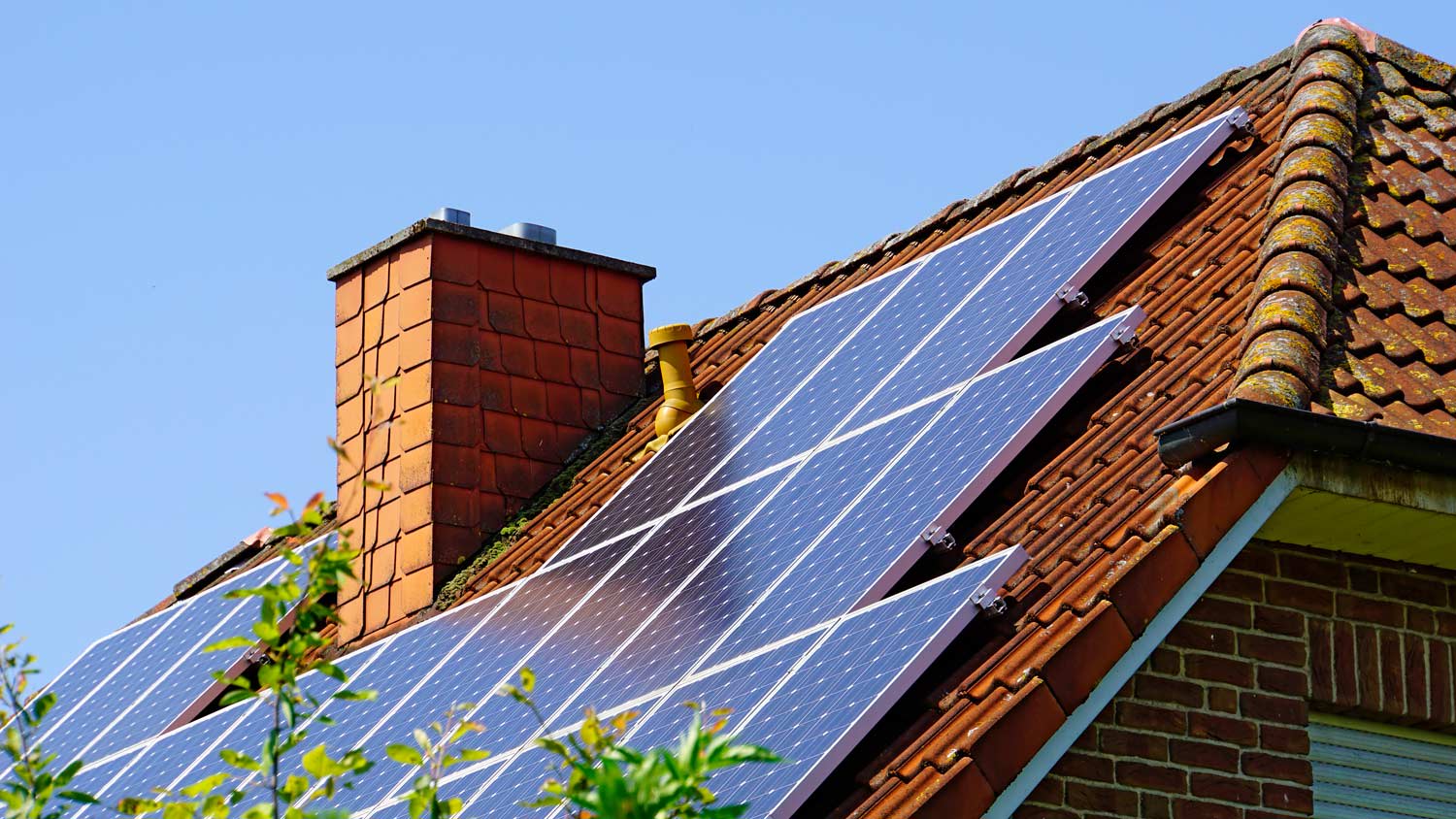
Discover the average solar panel installation cost, key price factors, and expert tips to help you budget for your solar project.
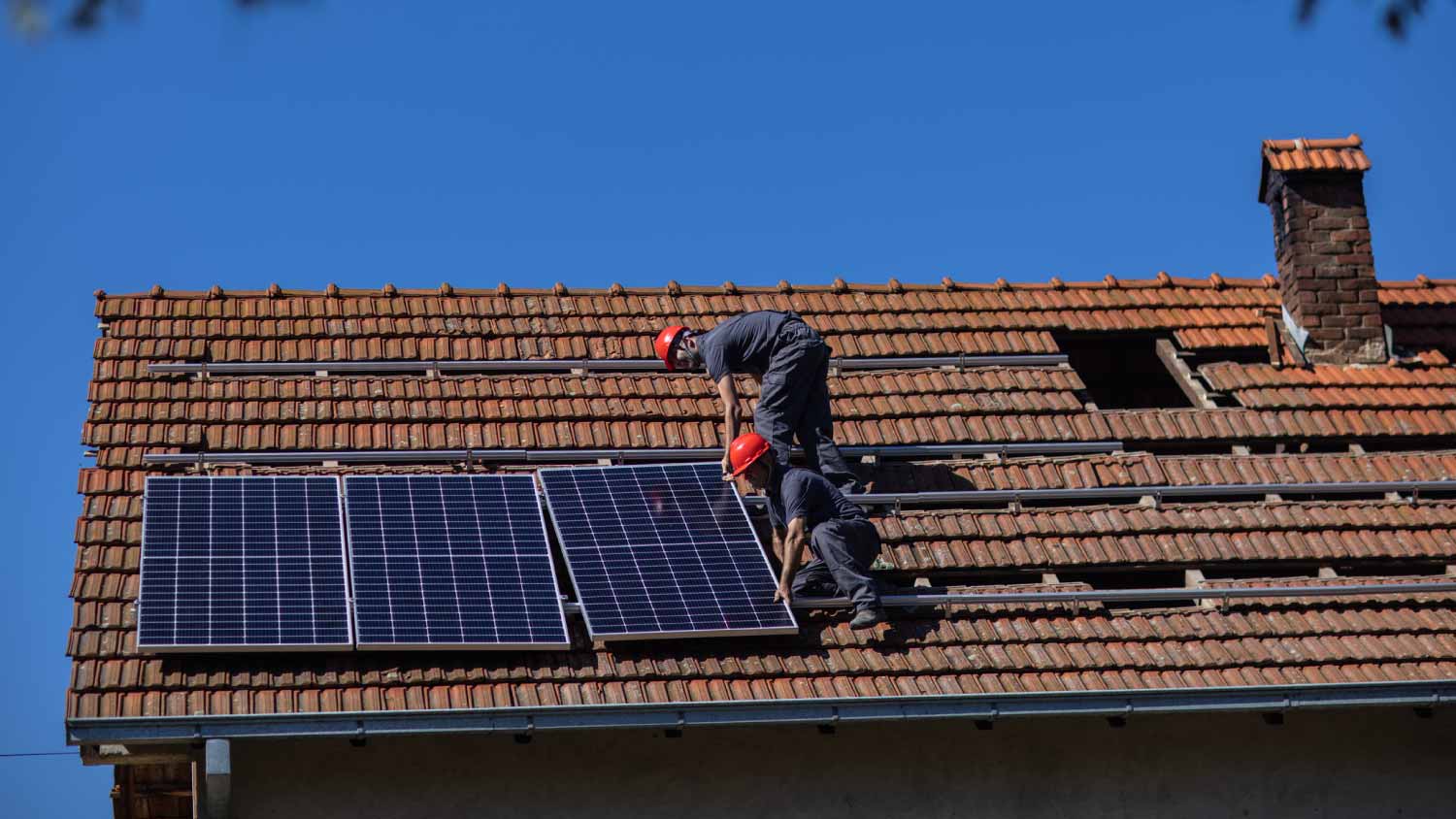
Solar inverters are a crucial part of your solar energy system. This guide breaks down solar inverter costs so you can estimate the price of your project.

Solar batteries store excess energy from the solar panels for later use. If you want to learn more about how solar batteries work, you’ve come to the right place.
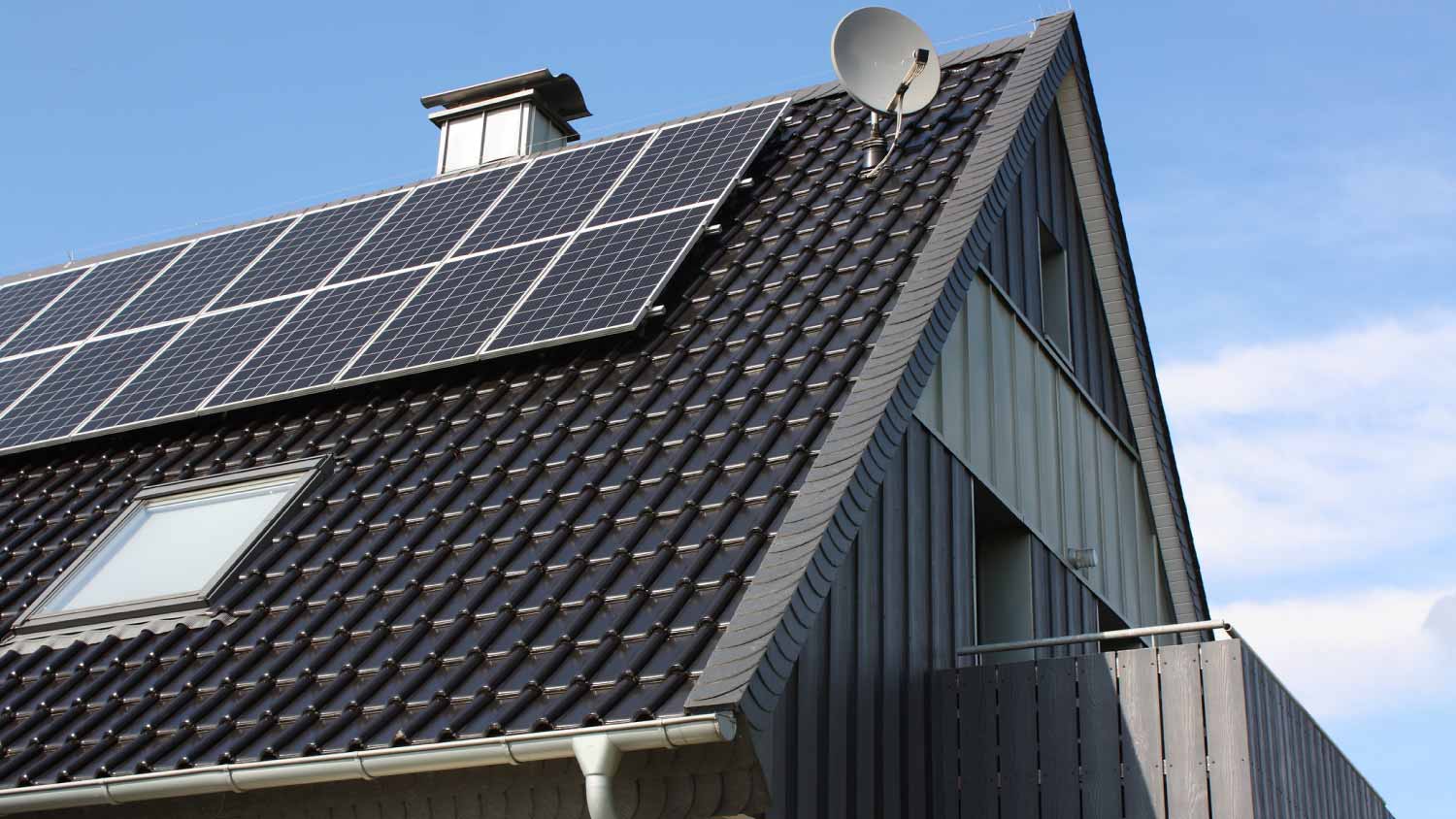
There are three main types of solar batteries, but which one is best for your home? We’ll walk you through the different types and how to make your decision.
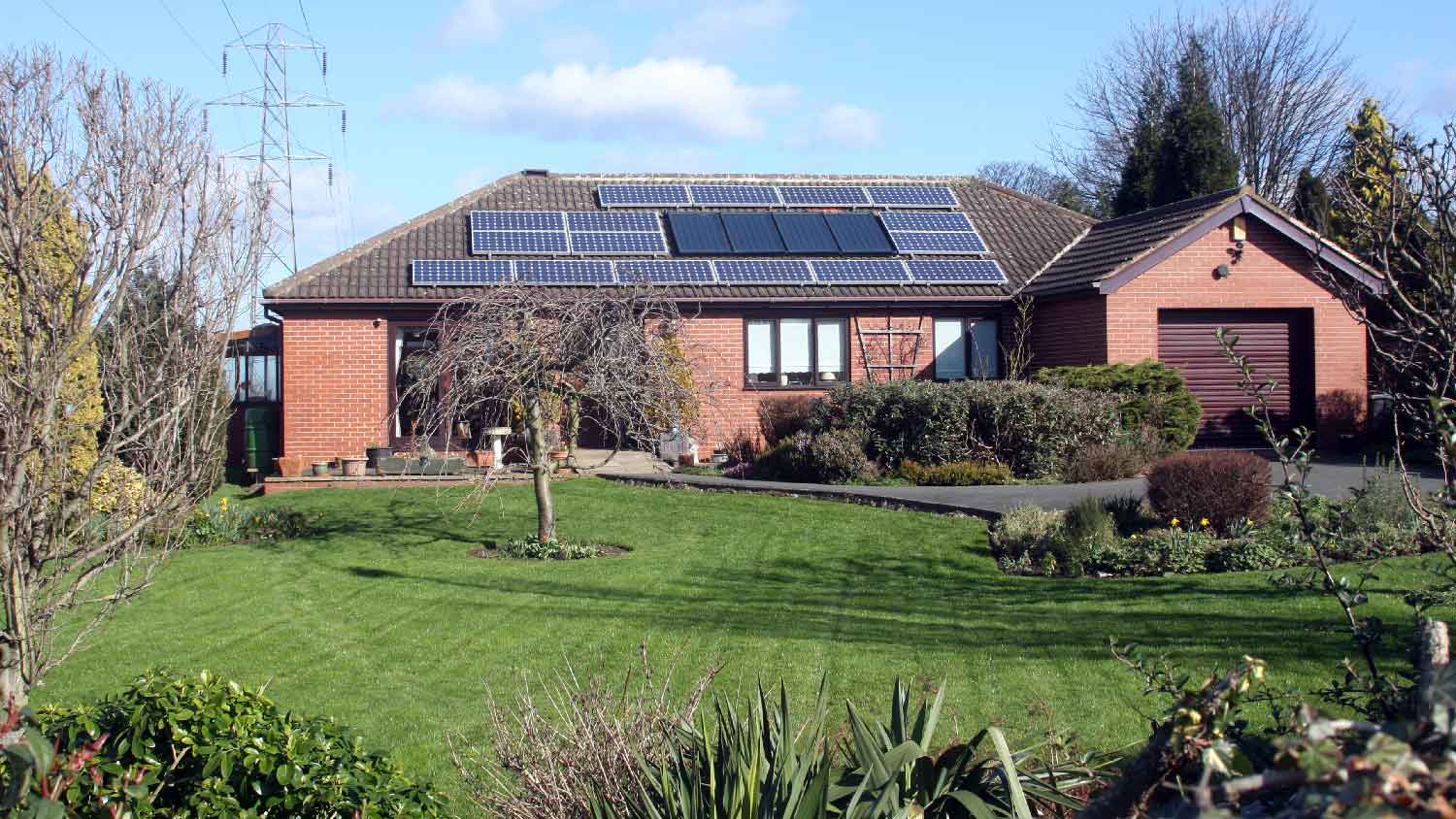
Solar batteries allow you to store excess energy from your solar panels, but what are the pros and cons of solar battery storage? We break it all down.