

Need to fix basement water problems or safeguard your home from damage in the future? Use this basement waterproofing cost guide to budget appropriately.
Waterproofing your basement involves many strategies on the interior and exterior to eliminate moisture


Basement waterproofing methods keep water and moisture away from your foundation, protecting your home from structural damage, mold growth, and poor indoor air quality.
Expect to pay $1,000 to $30,000 for professional basement waterproofing, with average costs around $5,500 depending on your home and the solutions needed.
Your waterproofing plan works best when you combine preventative exterior solutions like French drains with reactive interior options like sump pumps and dehumidifiers.
Hiring a local basement waterproofing professional provides reliable guidance on drainage systems and moisture control, keeping your home protected from water damage and foundation issues.
Basements can add value to your home and serve as either additional storage space or living area, but they’re prone to moisture build-up and water intrusion that can eliminate their usefulness entirely. Not only is a damp basement inconvenient, but it can also be dangerous, causing structural damage to your home and decreasing your indoor air quality. In this guide, we’ll explain what basement waterproofing is, how it can solve your moisture issues, and the different methods of waterproofing you can use.
The term “basement waterproofing” refers to any number of techniques homeowners can use to keep water away from their foundation and remove any water or moisture that does get inside. There are a wide variety of foundation waterproofing methods you can use, with the best one usually depending on the underlying issue and how moisture is getting into your basement.
Basement waterproofing works a few different ways. Some of the most effective and permanent methods for waterproofing a basement involve keeping runoff and groundwater away from your foundation walls entirely. These are considered preventative measures.
French drain
Footing drain
Gutter, downspouts, and downspout extenders
Damp proofing
Soil gradation
Waterproof foundation paint
Vapor barrier
There are also reactive measures that you can use on their own or in combination with preventative measures to remove any moisture or water that does get inside.
Sump pump
Basement floor drain
Dehumidifier
Since most basements leak or allow moisture in at some point, basement waterproofing is not only beneficial but is usually necessary to keep your underhome area dry. You’ll mostly benefit from waterproofing your foundation, but there are some downsides to consider as well.
Keeps your basement dry
Reduces the risk of mold growth
Reduces the risk of rotting building materials
Reduces the risk of related structural damage
Often lowers your electric bills
Makes your living area more comfortable
Improves your indoor air quality
Makes basement safe to use for storage or as living area
Can be quite expensive
Can require time-consuming excavation around your basement
Potentially dangerous if it involves mold removal
Often requires help from a professional
There is a wide variety of basement waterproofing solutions you can employ, and the right options for you will depend on the underlying problem, the extent of the issue, your soil quality, the climate in your area, and more. Ultimately, there isn't a one-size-fits-all approach. Often a combination of factors are at work, and you’ll need to use more than one waterproofing technique for long-term effectiveness.
Unless you’re an expert, this isn’t a project you’ll want to handle yourself. We recommend you contact a basement waterproofing company near you to determine which of the following interior and exterior basement waterproofing methods would combine to keep your underhome area protected and dry.
There are quite a few things you can do inside your basement to help mitigate moisture issues and keep the space dry.
Install a sump pump to remove standing water.
Install a basement floor drain to remove standing or pooling water.
Install a dehumidifier to remove moisture from the air.
Interior basement waterproofing techniques rarely require as much work as exterior solutions because there’s usually easy access to the area without excavation. For the same reason, they’re generally more affordable. Since these options all deal with water and moisture that have already gotten in through your concrete floor or foundation walls, they’re all considered reactive solutions.
Applying a waterproof paint or sealant to your basement's interior walls and floors is simple and economical, and it can prevent moisture from seeping through any fine cracks or small holes in the foundation.
This preventative solution usually isn’t enough on its own, as it doesn’t address the underlying reason for the water seepage. Also, these sealants don’t form tight seals on painted walls and won’t work on wide cracks, so many foundation contractors couple this with crack sealant for full protection from moisture.
Plus, waterproof paint can sometimes be problematic in its own right. “Many times, sealants will trap water in the foundation walls and can create more problems down the road,” says Angi expert John Bryant of AquaGuard Waterproofing Corp in Beltsville, MD.
A vapor barrier is a plastic sheet that a contractor installs over the walls and floor of the basement to encapsulate it and prevent moisture from accumulating in the air.
Vapor barriers are generally only suitable for unfinished basements, and they aren’t a great solution because moisture can still get trapped between the foundation and the barrier. However, they should improve your home’s energy efficiency and your indoor air quality.
Exterior waterproofing solutions are generally proactive because they deal with water and moisture before they have a chance to interact with your concrete foundation and seep inside. There are a few options for exterior waterproofing.

Exterior waterproofing solutions are often the most expensive and complex methods and require professional help. Some require excavation, which can be time-consuming and costly, and depending on how much excavation you need, you could end up with large dirt patches in your yard that require regrowing grass.
There are two exterior sealing techniques a waterproofing professional can use to reduce the risk of water in the soil interacting with your concrete foundation.
Waterproofing membrane
Waterproof foundation paint or damp proofing
A waterproofing membrane is a solid rubber sheet that sits between your foundation and the soil. This keeps moisture away, but it isn’t a standalone solution in most cases because it won’t protect against deep moisture or hydrostatic pressure from expanding soil. Waterproof foundation paint is similar to the interior paint mentioned above.
Both of these methods require excavation around your entire foundation, which is time-consuming and expensive. Plus, if the soil isn’t backfilled and compacted properly by a professional, you could end up with structural damage.
The first step to keeping water out of your basement is identifying the cause of the basement water issue, and there are quite a few things that can cause water and moisture build-up in basements.
Clogged or broken gutters
The existing exterior waterproofing medium is no longer effective
Deterioration in sewer lines or main water lines
Poor soil, landscape sloping, or drainage issues preventing water from flowing away from your home
Cracks or other imperfections in your basement walls, floors, or windows
Clogged drains
Foundation shifting
Condensation from excess humidity or dampness
Poor initial foundation construction
Tree roots or shrubs holding water against your foundation
Interior plumbing leaks
Moisture from basement bathrooms or kitchens
Moisture from basement exercise areas
According to data from Angi, the most common foundation problem is basement flooding, making up around 29% of reported issues. Another 20% of homeowners reported issues with excessive dampness, while 15% mentioned problems with mold, mildew, and fungus.
The average cost for a complete basement waterproofing solution is around $5,500, but your total could range anywhere between $1,000 and $30,000, depending on how extensive your problem is and the number of the solutions discussed above your home demands.
It’s possible for just about any homeowner to tackle some of the basement waterproofing methods mentioned above, but others you should always leave to the professionals. Some of the things you can probably handle yourself include:
Grading soil away from your foundation
Sealing hairline cracks in your foundation
Installing downspout extenders
Some basement waterproofing methods are complicated and can cause additional damage to your foundation if done improperly. We recommend leaving the following methods to a professional:
Installing a footing drain
Installing a sump pump or basement floor drain
Installing damp proofing
Installing an exterior foundation membrane
Installing a vapor barrier
Sealing wide or uneven foundation cracks
Installing a gutter system
Setting up a dehumidifier
Additionally, it’s a good idea to have a professional carry out a basement inspection to assess your home and determine which waterproofing methods will work together to solve your water or moisture issues, even if you end up doing some of them yourself to save on labor costs.
Finished Basements Plus was wonderful from beginning to end! First, they came out quickly for an estimate. I had 4 estimates and theirs was by far the best. (2 of the estimates were more than $20K higher than for the exact same work). Beyond their fair pricing, the work was excellent. They...
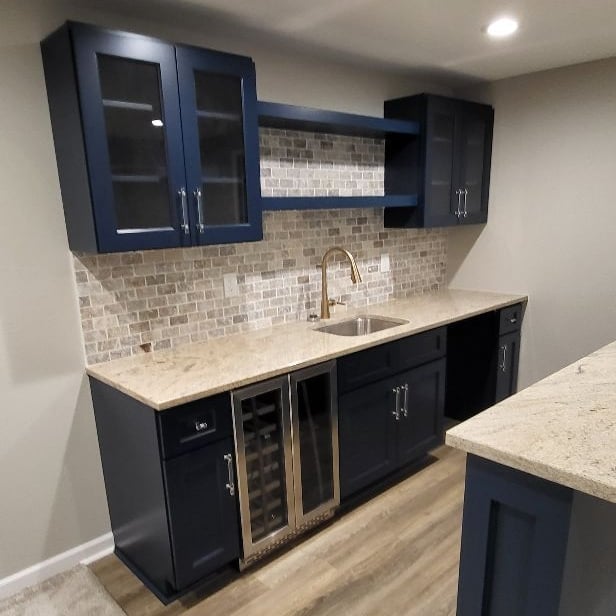 Finished Basements Plus Inc.
Amazing job. Efficient and quick without compromising quality. Basement feels brand new. Would use them again in a heartbeat.
 AffordaPro Restoration
Window Depot did an amazing job installing the windows in my basement! The process from start to finish was by far more than what I expected. I would highly recommend Window Depot if you want professionalism from the the consultation to the installation. Dont settle for mediocre when you can...
 Window Depot USA of Central Ohio
They cleaned my very dirty basement. They were prompts, quick, thorough and their price was fair.
 JDE House Cleaning LLC
I am very pleased with the services performed by OTS. Bless my late Mother, but she was a bit of a pack-rat. The basement of her home was crammed with 40+ years of "stuff," and the other companies I contacted were concerned with possible mold contamination of the items due to the musty smell...
The company was very easy to work with. My family is now able to enjoy a space that at one point, only collected junk!!!! I feel like i have a whole new addition to the house!!! Wonderful work Blurock on our basement, will recommend!
 BluRock Services, Inc.
Excellent work. Opted for the service contract which provides spring and fall checkups and deduction on maintenance charges which seems to be a good value. Initial dehumidifier for our large basement was undersized. They replaced unit after it failed with a larger unit and charged only for...
 Total Comfort Heating & Cooling Inc
We had water in our basement and Roto Rooter was original contact to evaluate the situation. We were informed that our sewer main was fractured and needed repair. We received their estimate and then looked for counter offers. Ohio Basement Authority came with the best quote for the work. Once...
 Ohio Basement Authority
Called Mark on a Thursday morning. Not really knowing if he could help me or not. I was having driveway, flooding issues due to a clogged channel drain and I was trying to figure out what direction to take. Heavy rains had come on Monday and again on Thursday leading to flooding in my garage...
 Mark Rodgers Construction
Due to major obstruction they could not unclog thd drain without tearing up the basement floor. <br /> <br />
 #1 Plumbing Repair LLC
From average costs to expert advice, get all the answers you need to get your job done.
Need to fix basement water problems or safeguard your home from damage in the future? Use this basement waterproofing cost guide to budget appropriately.

An unfinished basement has a lot of potential for a family room or guest suite. So how much does it cost to finish a basement? Read on for all cost factors.

Dealing with a damp basement? Follow these steps for DIY basement waterproofing to keep water and moisture out and boost your home’s energy efficiency.

Ever wonder how much groundwater contributes to water problems in your basement? Stay in the know by understanding the cause and effects of groundwater issues.

Is basement waterproofing worth it even if you’re experiencing some or no water-related issues? Find out more about this preventive measure here.
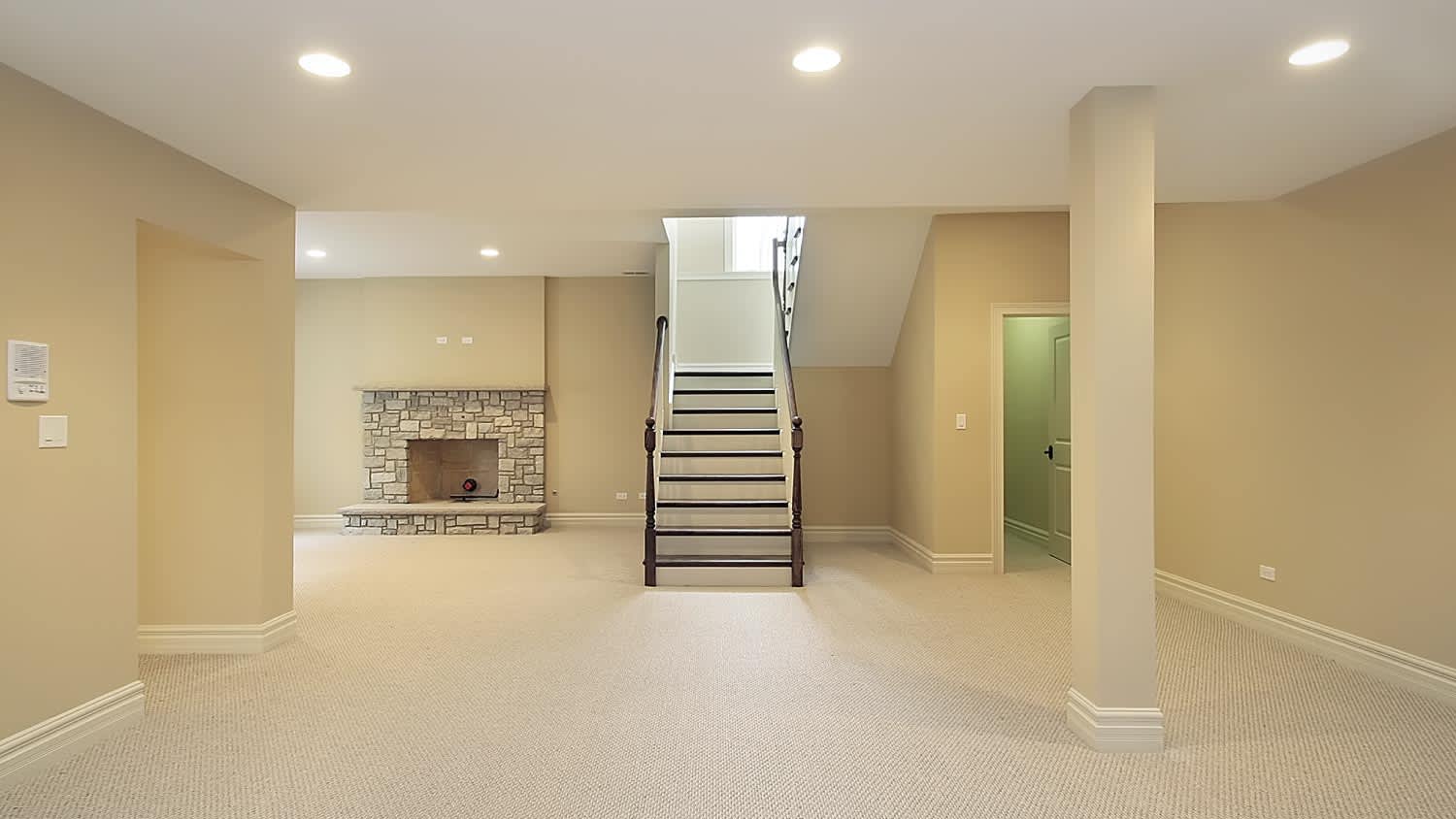
Can’t seem to get rid of the moisture and mold in your basement? Learn why basements tend to hold moisture and how to get rid of moisture in the basement.