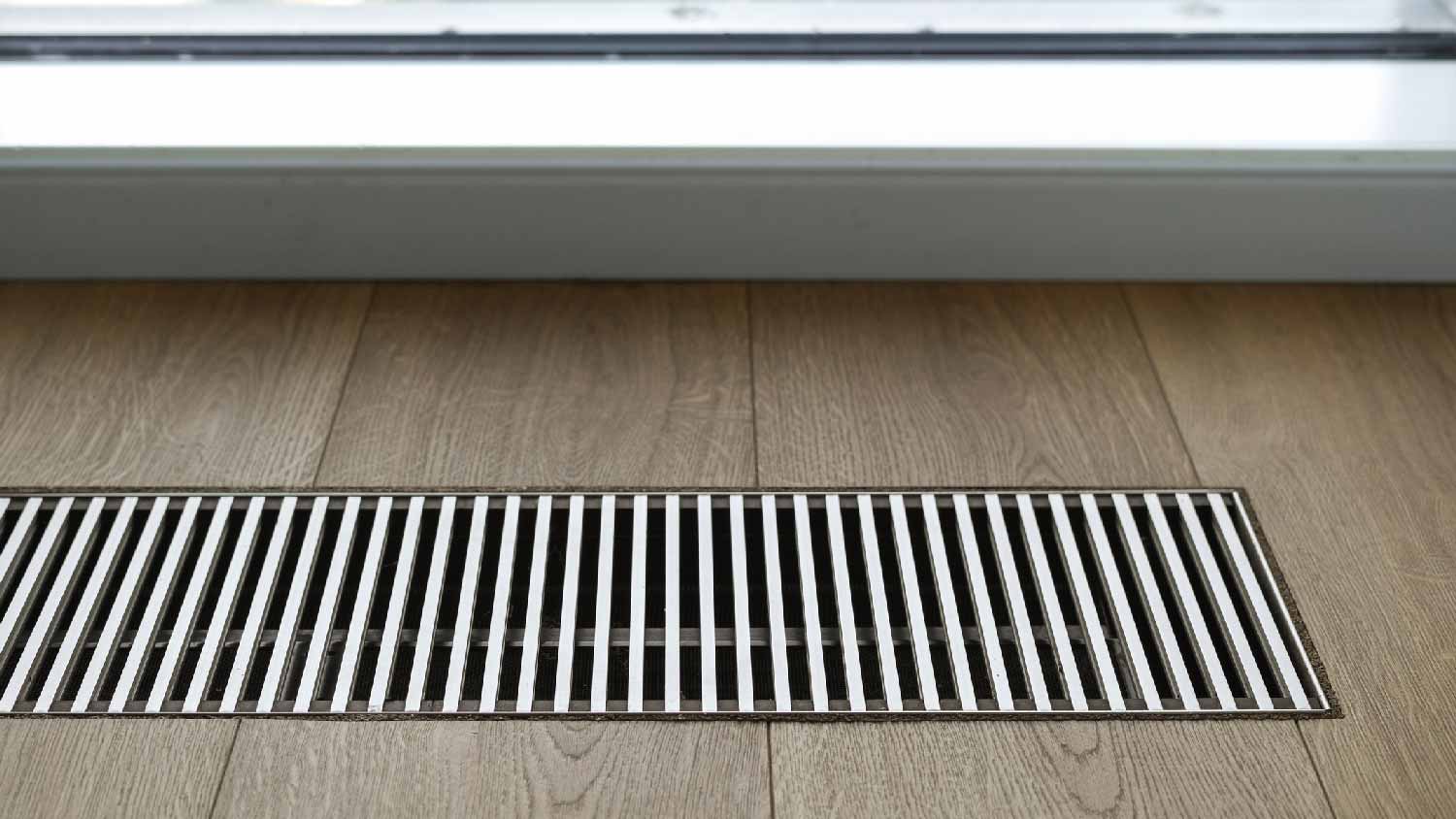
Air duct inspections ensure your ductwork is in tip-top shape. Learn all the air duct inspection cost factors that impact what you’ll pay.
Dust bunnies have no place in your air ducts

Scheduling an Angie's List duct cleaning service becomes important when you sneeze every time your HVAC turns on, even after replacing filters.
Air duct cleaning costs $270 to $500 on average, with pros charging $90 to $125 per hour for thorough cleaning and evaluation.
Removing clutter around vent locations before your appointment simplifies access for the pro and helps lower costs when ducts are hard to reach.
Hiring a local air duct cleaning professional provides reliable support for evaluating ductwork condition and removing built-up allergens that affect your indoor air quality.
If you’re sneezing every time your HVAC system turns on, even after replacing filters, it may be time to schedule an air duct cleaning maintenance. This service includes cleaning and an evaluation of the overall condition of the ducts and vents. Here are common questions you should ask about ductwork systems and how to keep them in tip-top shape.
Ducts come in different materials, and how to clean each varies depending on the type of ductwork in your home. Common ductwork systems include flexible air ducts, sheet metal ducts, fiberglass, and fiberboard.
Sheet metal ducts are generally easy to clean and they are the most energy-efficient option, but may leak air from the joints and seams. Flexible air ducts are popular and budget-friendly, but their accordion design makes them hard to clean. Fiberglass is used primarily in commercial venues and can release fiberglass particles in the air without reinforced plastic. Fiberboard ducts are susceptible to mold and mildew in humid climates and may need more frequent cleaning for mold prevention.
Schedule an appointment if you haven’t done a duct cleaning in a few years. If it’s not urgent, consider scheduling a duct and vent repair in the spring or fall to avoid working in extreme heat or cold temperatures.
This is also the best time to prepare your HVAC system’s ductwork and ventilation system for heavier usage by removing allergens that have built up after months of minimal use and repairing or replacing any broken parts. Once you have a cleaning and evaluation, the service professional will tell you when to schedule the next one.
Most ducts are inside the walls and you can spot them by identifying the vent location in each room. If your ductwork and vents are in hard-to-reach locations—such as high up on the ceiling—access can be more challenging. Air duct cleaning costs fall around $270 to $500 on average, and many ductwork pros charge an hourly rate ranging from $90 to $125 an hour. To lower costs and simplify the process, remove the surrounding clutter that could prevent your pro from quickly accessing the ductwork system.
The first thing a professional needs to do is remove the vent cover. These are usually secured with caulk into place and will need to be separated from the wall. Then, the screws are removed and the cover will come off the wall.
A duct cleaning professional has cleaning tools, including a power vacuum that will go into the duct system. The scope of your ductwork project determines how you should approach talking with a local air duct cleaner. Do you need any repairs? Ductwork repairs cost anywhere from $200 to $2,100. You’ll pay between $450 and $2,200 to replace air ducts.
Any work that needs to be done before cleaning ducts and vents can add time and money to your project. To avoid hidden surprises, talk to a professional beforehand. Should you want a new ductwork route or system, or an entirely new HVAC unit in a better location, schedule a separate consultation with an air duct cleaning pro near you.
If you’re good people wanting to do business with good people, hire Matt. He is a consummate professional and utterly competent. He installed a water heater in my home at a price that beat competitors by hundreds of dollars with a promise to support the unit for its life (even after its 6 yr...
 Greene's Plumbing Services
Corey Carr was great. I had damage from a recent storm and needed to have my mast and other components replaced. The project entailed coordinating with AEP, and Corey helped make a stressful situation a lot less stressful. I really appreciated his dedication to service and the job very well done.
 Mr. Electric of Columbus
This service was great. My air conditioner went out during the heat spell that we had. My husband has health issues and they came out that night and at 9:30pm the air conditioner was fixed and running. We are sooo very thankful, this is the company I will be using from now on and would...
 Mr. Mechanical Ohio
I normally do not leave reviews, but my experience with Worthington Air was extremely frustrating and disappointing. About 30 days ago, I had a consultation done for an HVAC replacement and was quoted approximately $15,079. Based on that quote, I applied for financing through their company...
 ARS Columbus Worthington Air
Great company! Price was competitive, technician showed up on time and completed the job (exterior electric Radon fan replacement) quickly. Would hire them again.
 MaGen Property Inspections and Radon Mitigation
As usual with ECO, tech Jordan was outstanding, very professional, very knowledgeable, and very thorough with repairs made to tankless water heaters. Very highly recommend ECO!!!
 Eco Plumbers, Electricians, and HVAC Technicians
Raven and crew does absolutely fantastic job. They are very professional if any concerns were to occur with any of her work she always took responsibility and finished out with a great job. I have worked with her business for a year and have always been satisfied. Very trusted business and...
 Creations of Transformation LLC
I would recommend this company to anyone! He showed up on time, was friendly, completed a very difficult repair on our dryer vent cover, was responsive, and pricing was extremely fair and competitive. I would have him back to do any of our repairs or cleanings without hesitation!
 U.S.A. Dryer Vent, LLC
Ace Fireplace Services' chimney sweep service is truly exceptional. They used advanced technology to ensure a thorough cleaning process, and my chimney has never looked better. I highly recommend their services.
 Ace Fireplace Services
The technician was very professional and friendly. He answered all my questions and was very thorough. He left the fireplace area very clean . He inspected from the roof and advised me as to other work that might need to be done. There was no pressure there. I was very satisfied with the...
 Supreme brick & chimney
From average costs to expert advice, get all the answers you need to get your job done.
Air duct inspections ensure your ductwork is in tip-top shape. Learn all the air duct inspection cost factors that impact what you’ll pay.
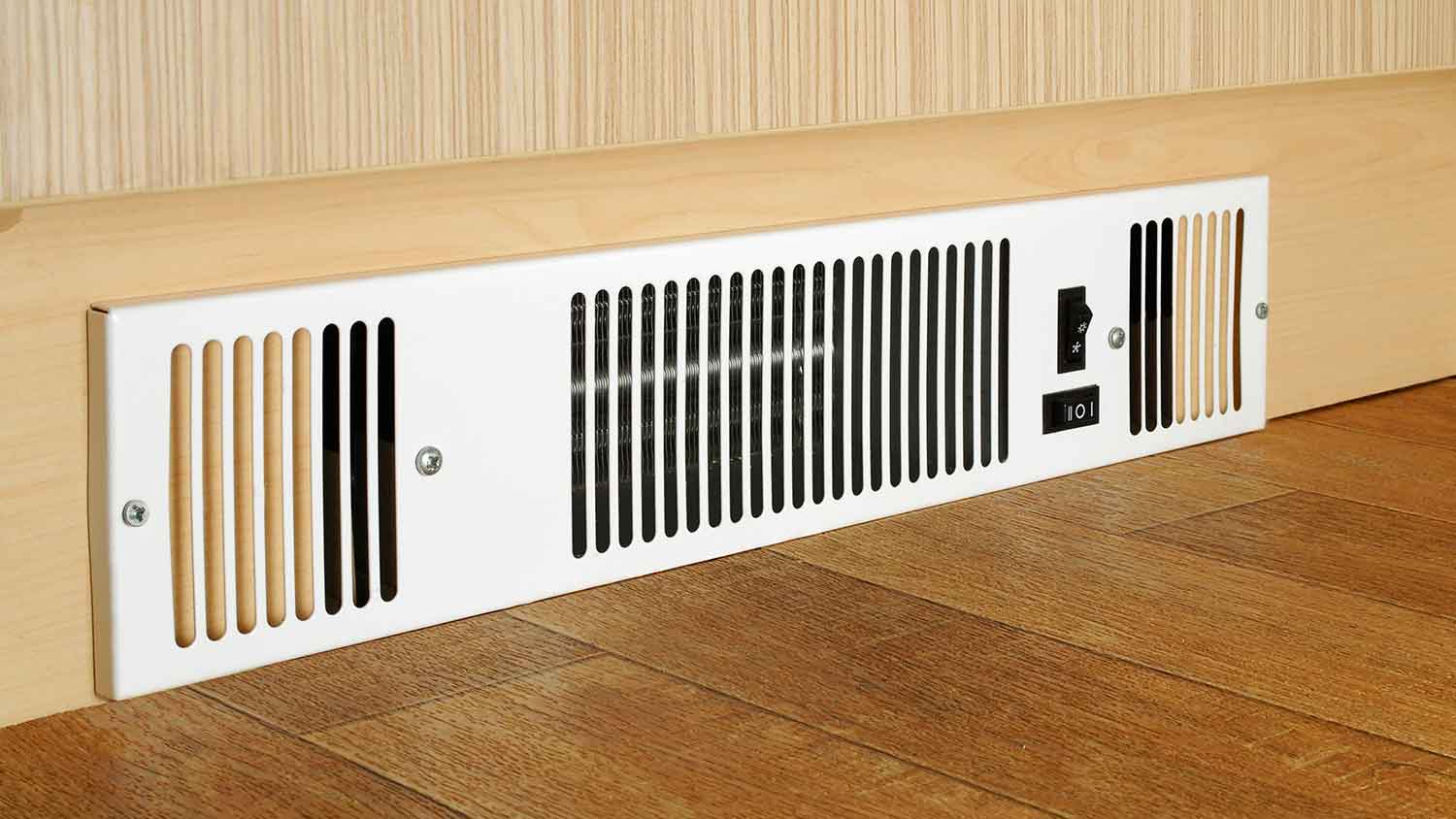
If certain rooms in your home run too hot or too cool, a duct booster fan may help with the issue. Learn the costs to expect from duct booster fan installation.

Do you know what it will cost to reroute ductwork in your home? Discover the cost factors and other considerations of this HVAC project.

Air duct cleaning is a service for homes affected by mold, pests, or excess dust. Use this guide to find a good air duct cleaning company.
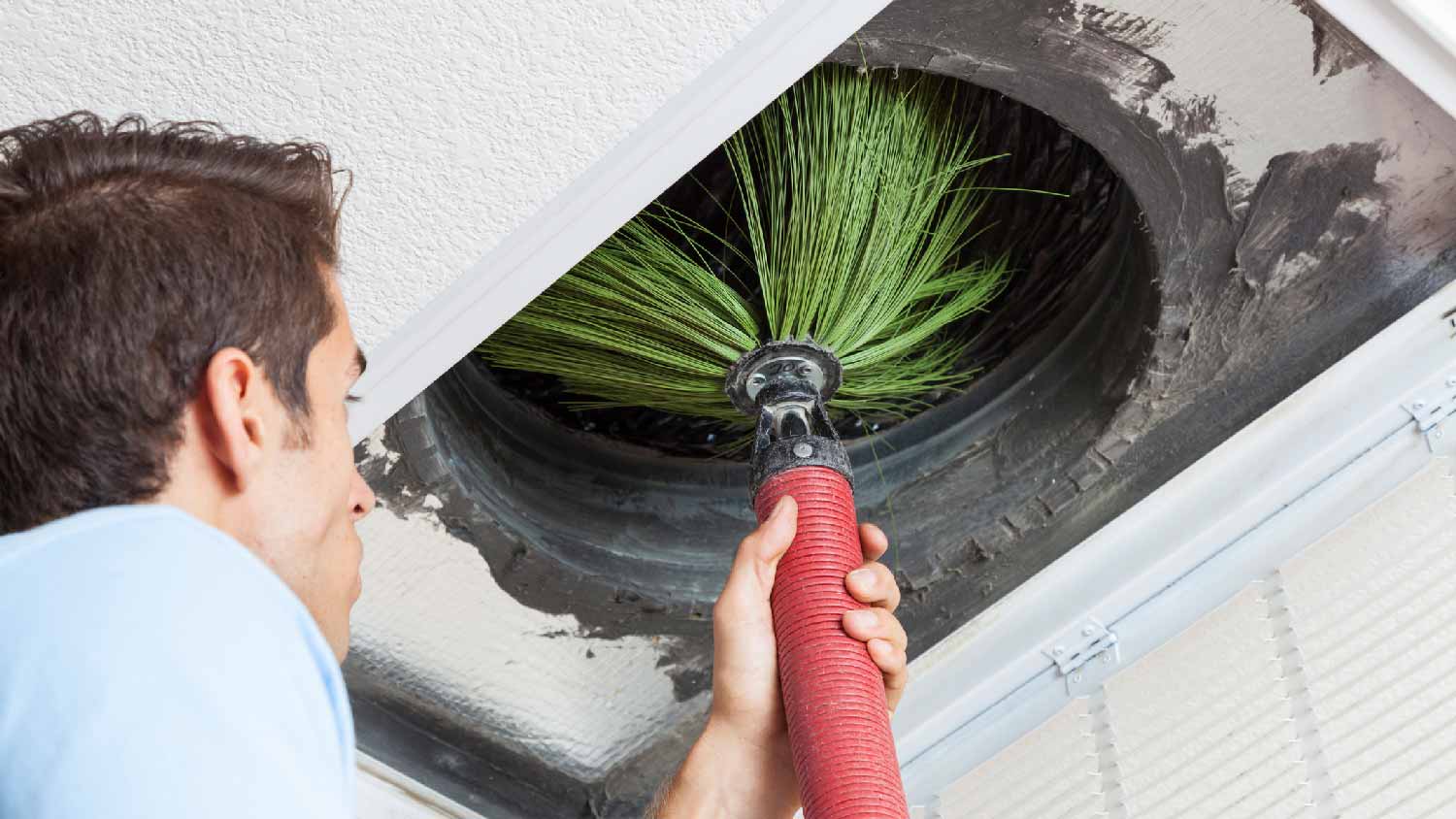
Cleaning air ducts and vents requires knowing their location and the type of system. Keep reading to learn about air duct cleaning questions to ask a pro.
Thinking about getting your air ducts cleaned to improve energy efficiency? Read these duct cleaning guidelines all homeowners should know before they do.