
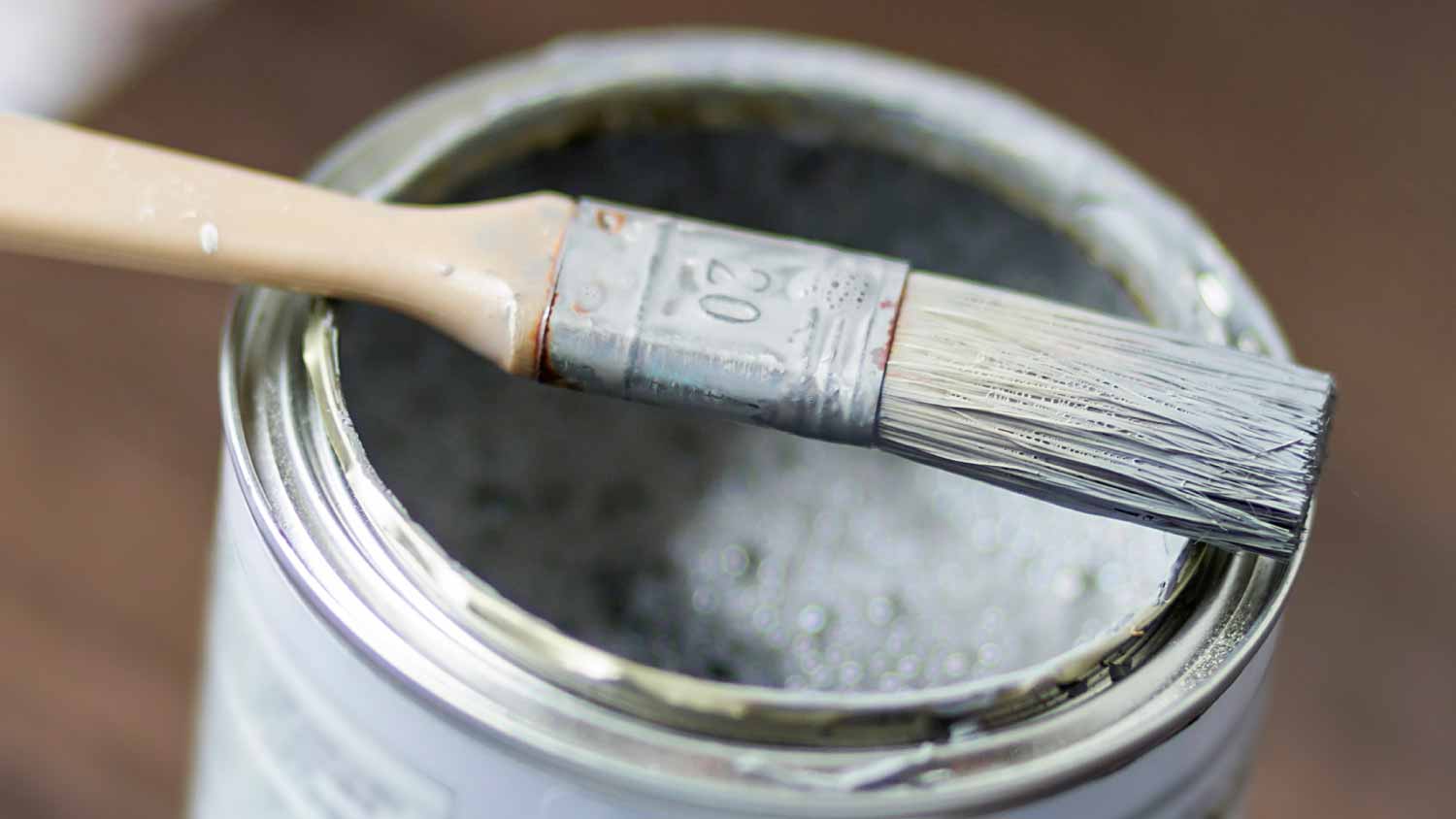
Need to get rid of old paint but not sure where to turn? Learn who disposes of old paint to avoid illegal dumping fees and prevent damage to the environment.
Oops, you did it again—you bought more paint than you needed

Returning paint to Home Depot is tough because most paint is custom-mixed to your specific color and sheen, making store returns unlikely.
You can donate leftover paint to local theaters, schools, churches, or other nonprofits that need small amounts for sets, classrooms, or community projects.
Latex paint lasts up to 10 years when stored properly, so you can save it for future touch-ups, craft projects, or accent walls around your home.
Hiring a local garbage collection professional provides clear guidance on recycling options and proper disposal methods, helping you handle leftover paint responsibly.
In the history of painting, virtually no one has ever purchased exactly the right amount of paint for the job and not an ounce more. The odds are good you’ll have some paint left over after your walls are colored the perfect, not-too-purple shade of gray. The next question is what to do with leftover paint. The answer largely depends on how much you have left, but we have some ideas.
Often, paint is mixed to your specific sheen and color, so you can’t return even full, unused cans to the store. However, you might be able to give it away. Theaters or drama departments at schools might use it for building sets. Schools, churches, and other non-profits might be able to use it for small projects, just to name a few examples.
List your leftover paint on local Buy Nothing sites or other neighborhood message boards. Someone else might be looking for that perfect shade of gray and would happily take the remainder of the samples you used to find your perfect match. If you have any other cans of paint or supplies hanging around, mention these too.
No takers on the free sites? The next option is to recycle paint, particularly if the can is still pretty full. Check with your local recycling or waste management company for recycling guidelines. You can also check Paintcare for paint drop-off sites near you. In some states, paint retailers might be required to take the paint back—even if you didn’t buy it there—so call around and ask.

Let’s be real: At some point, you’re going to nick the wall or scuff it up and need to repaint a section. Save your leftover paint for the inevitable. Leftover latex paint can last up to 10 years in your storage room, so you might as well hold onto it for a while. If it formed a skin on top, you might have to skim that off first, but that doesn’t mean the paint has gone bad.
There are plenty of uses for paint besides coloring walls. If you loved the periwinkle you used in the baby’s room, perhaps you could use it on a wooden stool when they start potty training. It might be a fun way to update old furniture and incorporate the color in other areas of your house.
Once you’ve used up all the paint, you’ll have to properly dispose of the paint cans.
A leftover can of paint might be just enough to give your front door a pop of color, add an accent wall, or freshen up that dingy wall in the laundry room. You could even get creative in your home office. Take a tour of your own home and see where else you might use the paint. Follow these painting tips and tricks to get it just right.
If you have several leftover paint cans, but no two colors are the same, you could mix them up. You might end up with a fine color to paint your unfinished basement or backyard shed. Just make sure that you're blending latex-based paints only.
When there’s only a tiny bit left, or you’ve explored all the creative options, you can dry out the rest. Leftover latex or acrylic paint is generally not considered hazardous waste and can usually be dried and set out for collection with the regular household waste. However, regulations vary by municipality, so make sure you first check local ordinances.
To dry paint out, leave the lid off and let it sit somewhere away from kids, pets, and curious adults for a couple of days. You can also add clay-based cat litter to help speed the drying process. When it’s dry, it can go in your regular trash for weekly pickup.
Leftover paint must be properly recycled or disposed of because it can damage the environment. If you’re stuck with cans of oil-based or alkyd paint, check with your local waste disposal company to learn how to dispose of hazardous materials properly.
Ideally, you won’t buy more paint than you need for your project. Online calculators can help you determine how much paint you need to cover your wall. A professional painter can also help you get pretty close and help you avoid common painting mistakes.
Custom Paint Jobs LLC is the go-to choice for all your painting needs. They painted both the interior and exterior of my house flawlessly. Their work speaks for itself!
 Custom Paint Jobs, LLC
Beginning with the estimate, Larry and Peyton were super helpful in getting my new condo's interior re-painted. Not only was the job well done, but also done in a super timely manner as promised.
 Five Star Painting of Plain City and Powell
The Dither painting crew did an awesome job! They were reliable, knowledgeable and professional. We highly recommend Dither Painting!
 DITHER PAINTING
Eric and his crew executed very well on the job of painting interior walls for me. Eric was timely and efficient and did what he said he would do. They cleaned up after the job was done as one would hope. I was given a very fair price and they did great work. Eric was also professional and...
 Fine Line Painting
From average costs to expert advice, get all the answers you need to get your job done.
Need to get rid of old paint but not sure where to turn? Learn who disposes of old paint to avoid illegal dumping fees and prevent damage to the environment.
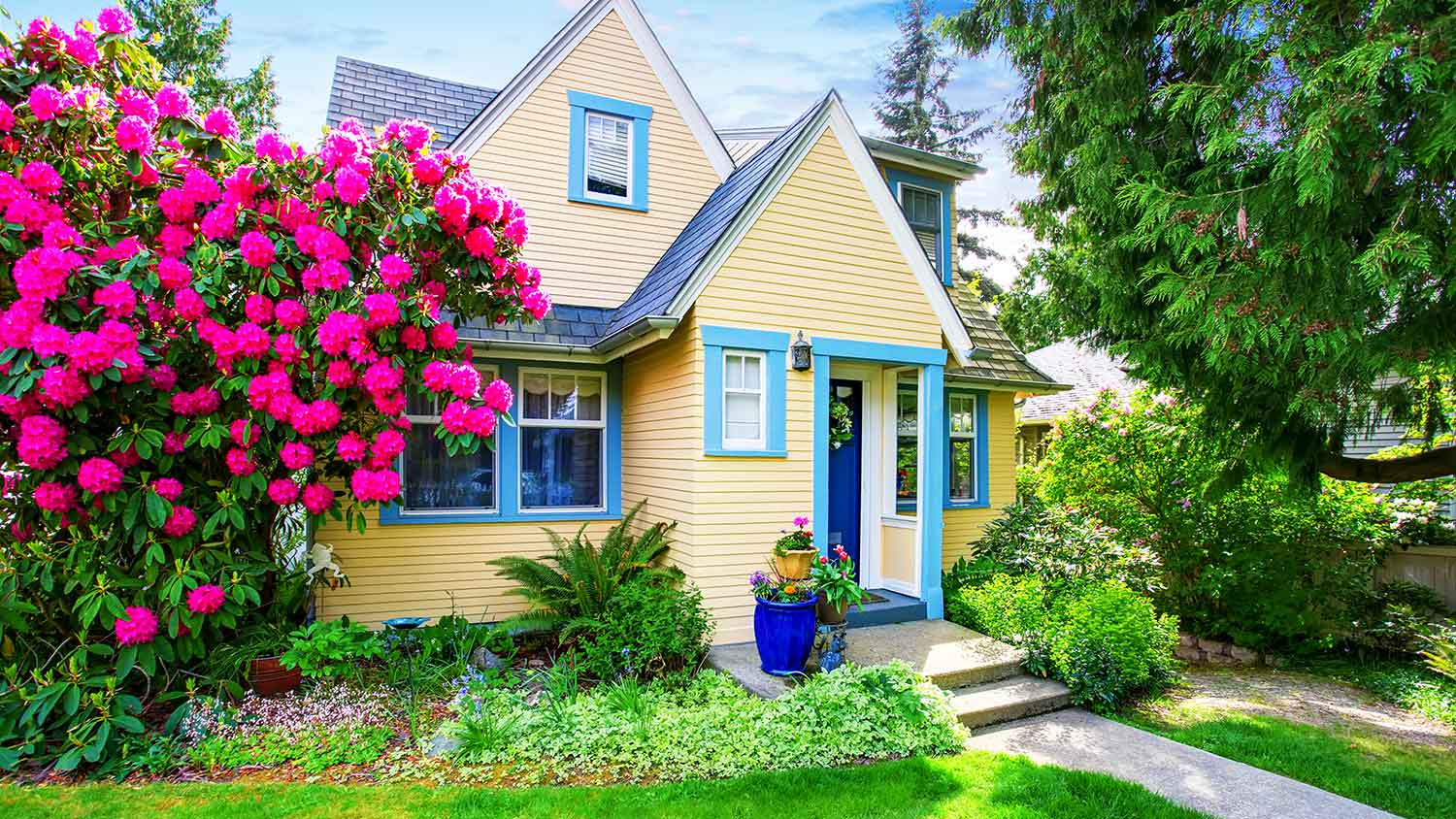
Can you use exterior paint inside? Yes, but you may not want to after learning more. Find out the downsides to using exterior paint inside your home.
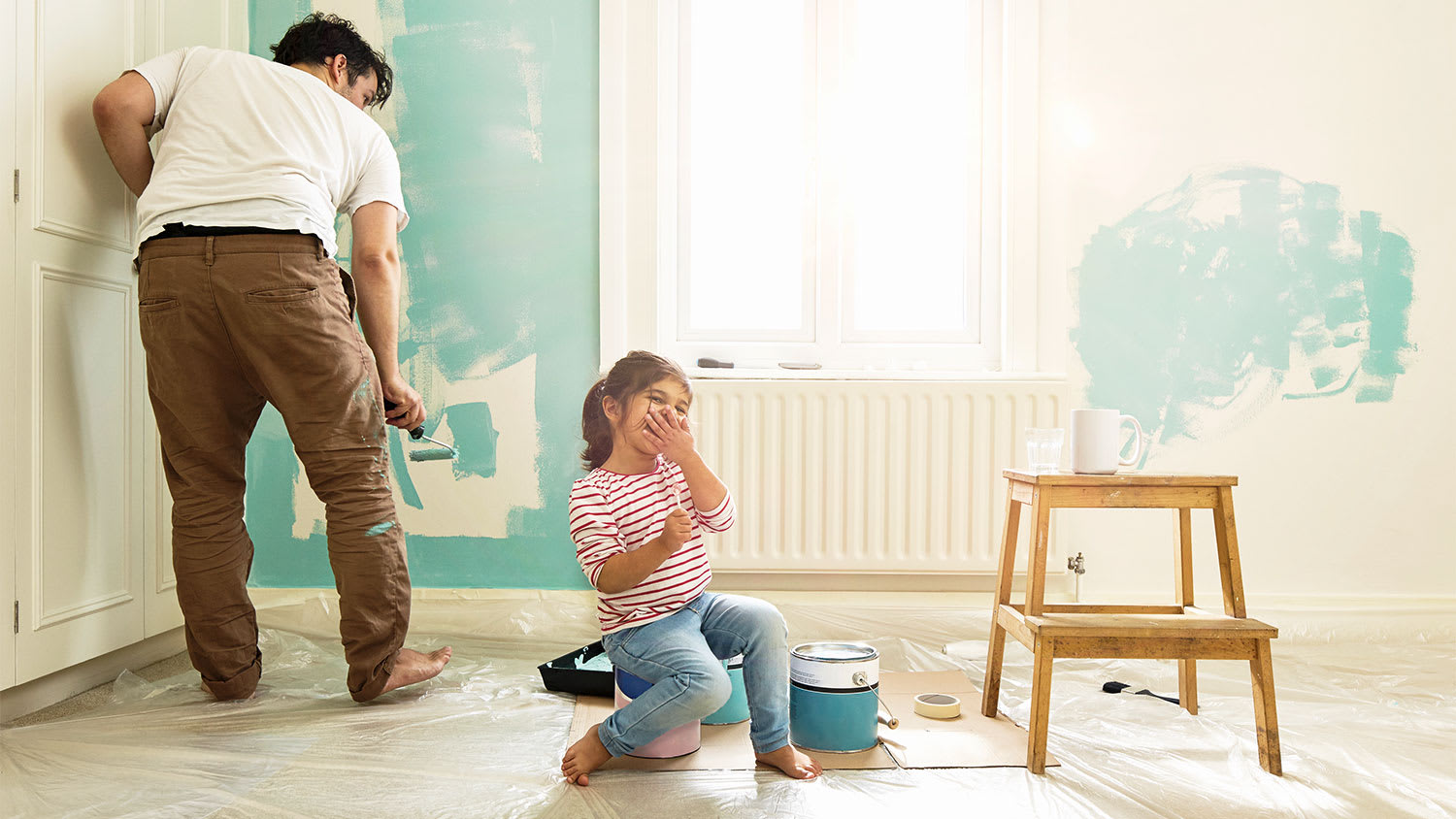
If you’re a homeowner, you likely have an old paint can or two lying around. Get inspired to reuse them with these crafty uses for empty paint cans.
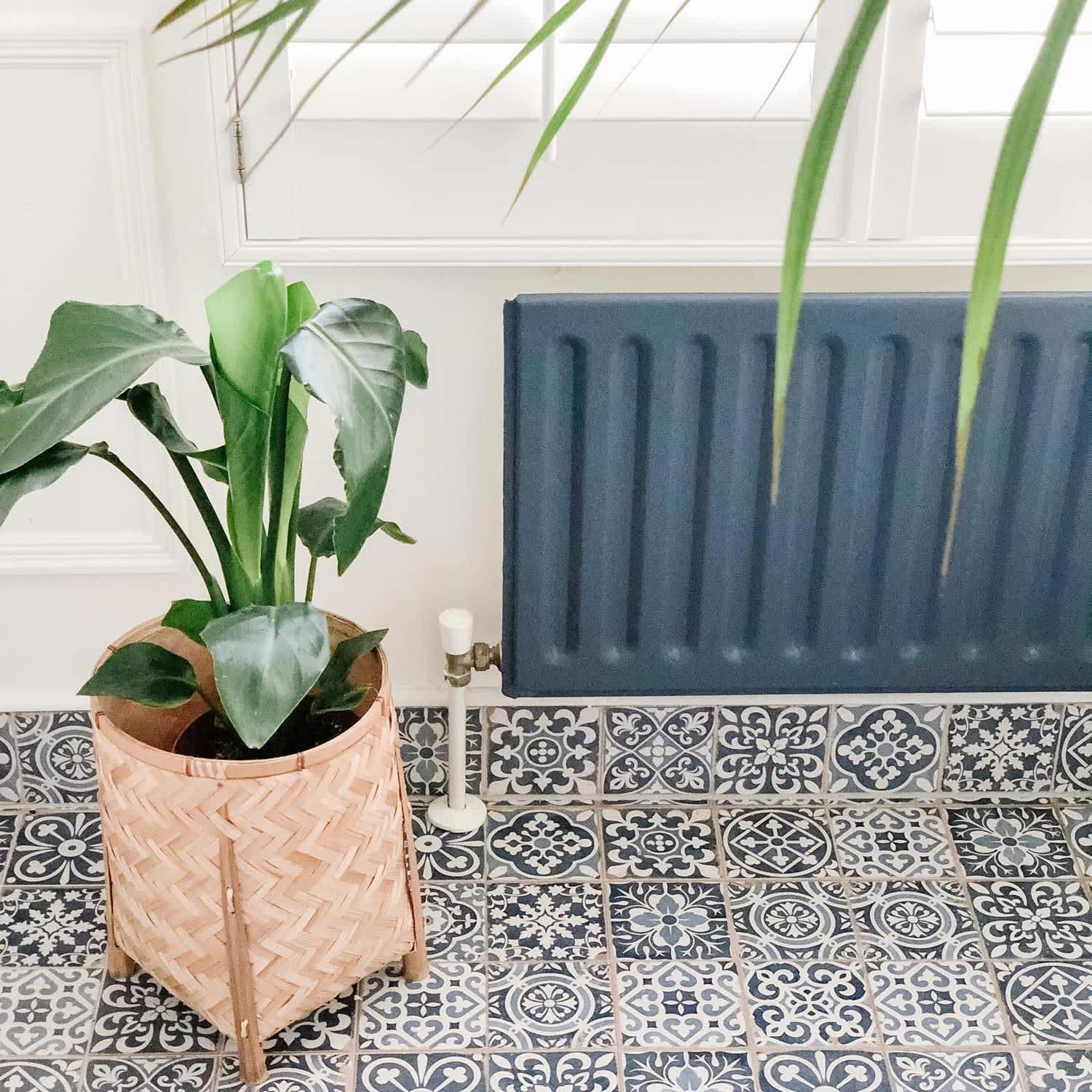
Slate blue paint is ideal for creating calm and tranquil environments. Use this inspiration to find the perfect spot in your home for this peaceful color.
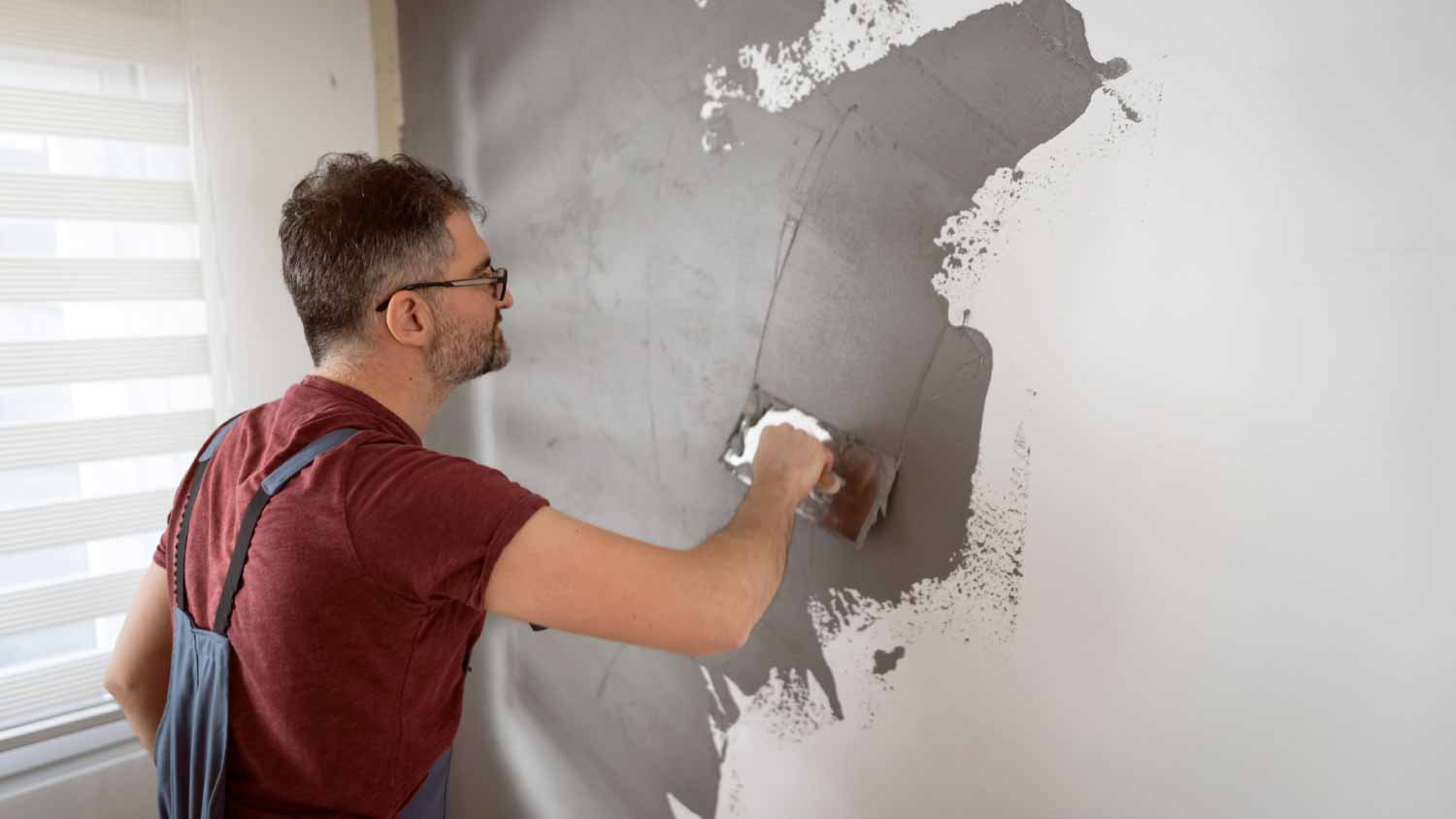
Wondering whether you can use a trowel to paint interior walls? Learn when to use this unique approach and how it compares to traditional painting methods.

Paint primer can help you get the best results from your home painting project. Learn about the different types of primer and how to choose the right one.