
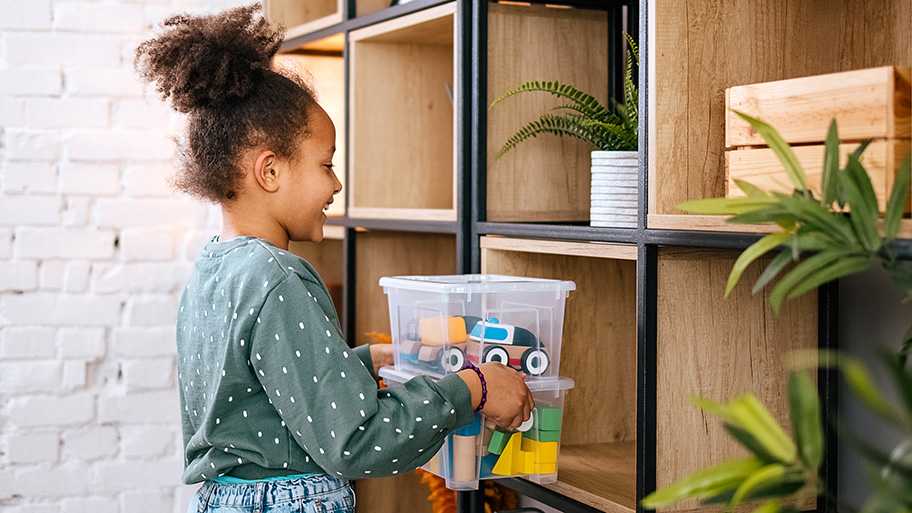
Discover 7 household organization tips to declutter, save space, and create a home that feels functional, calm, and easy to maintain.
Recycle while you reclaim your home from clutter

Items to recycle during home organization include electronics, batteries, treated glass dishware, plastic toothbrushes and razors, wire hangers, crayons, and physical media like CDs.
You can recycle clothing, linens, mattresses, and number five plastics through specialized take-back programs, donation centers, and mail-in recycling services beyond curbside pickup.
Your recycling options expand when you explore municipal recycling centers, freecycling networks, and special programs that accept pre-sorted materials not included in curbside collection.
Hiring a local waste removal service professional simplifies large decluttering projects by handling pickup, sorting, and proper disposal of recyclable materials and unwanted items.
Maybe you’ve got bags piled high with unwanted belongings after a busy spring cleaning. Or perhaps you’ve been putting off decluttering your home because you have no idea what to do with those old appliances. We’ve got good news: You can recycle more than you may think, as long as you’re willing to go beyond curbside pickup.
This guide will run you through some common things to recycle when decluttering and teach you how to give these household staples a second home.
Most printed matter, including old magazines, newspapers, and books, can be included in your municipal recycling bin (though in some cities, only paperback books are accepted, so check your local regulations).
However, keep in mind that many books and other bound volumes (like scholarly journals) can be sold to used bookstores or donated to a nonprofit like Better World Books, which hosts book recycling drop-off boxes in many locations.
You can recycle old technology like laptops, cell phones, and televisions. In many cases, they must be recycled, as they may emit dangerous pollution and incur fines if sent to a landfill.
If your tech is too old to sell, or you’d rather give it away, many charitable organizations can repurpose your old electronics for someone in need. If the items are too old to donate to charity (but not old enough to donate to a museum of technology), you can recycle them with a municipal e-waste program or at some big box stores. The same goes for all the old cords, outdated headphones, and mystery remote controls piling up in your darkest drawer.
Batteries are another hazardous item that you can’t throw in the trash. There are drop-off locations for battery recycling around the country, including major chain stores like Staples. If there is no drop-off box or recycling center in your area, you can also recycle them by mail—for a small fee—through the Big Green Box program.
While it may seem like glass items are easy to recycle—just throw them in the recycling bin with your paper and plastic—most curbside recycling services will only accept container glass, used in products like beverage bottles. The glass used in dishware or items like vases is treated with chemical and mechanical processes, meaning it needs to be melted at different temperatures than your old iced tea bottle.
However, you shouldn’t just throw it in a landfill either. Call 311 or search online for local facilities that recycle treated glass and give a new life to unwanted dishware, vases, and other items.
Note: Items like windows and mirrors often include non-glass materials and can only be processed by construction and demolition centers that primarily do business with contractors.
Plastic items like toothbrushes and razors often pile up in landfills because they are made of synthetic materials that will never decompose. The good news is that in recent years several programs have emerged to facilitate the recycling and repurposing of such waste.
Terracycle operates programs for recycling toothbrushes and other oral care products, as well as razors. Preserve—a company that produces recycled toothbrushes—also accepts plastic oral care recycling through its Gimme 5 initiative.
Wire hangers can accumulate without you really knowing how: You’ve never bought one in your life, but when spring cleaning rolls around, you’ve got more of them than you can carry.
In most places, you can’t put them in your curbside recycling bin since they can damage the equipment at single-stream facilities. But that doesn’t mean you should throw them in the trash: Most dry cleaning outfits will take them back for reuse or be collected with their scrap metal. If that fails, charity shops will likely take them.
Just because your child has graduated to watercolors doesn’t mean you need to dump their old crayons into the trash during your next big declutter. Instead, pack them up and send them to the National Crayon Recycling Program, which works to keep thousands of unnecessary pounds of waste out of landfills by repurposing these colorful implements.

If you’ve replaced your rusty old bike with a sparkling new bicycle, you don’t need to toss the old one. Second-hand bikes and bike parts are in high demand worldwide, and many organizations accept donations to redistribute them to those in need. Use Earth911’s recycling search to find one in your local area.
After not having a Christmas tree for years, you finally accepted during your last decluttering spree that those old Christmas lights don’t spark joy. Don’t dump them in the trash—send them to Holiday LEDs’ Christmas Lights Recycling Program.
There are large secondary markets for physical media of all kinds. If you have decided to go all-digital, you can sell your old CDs, DVDs, and the like to a local retailer or an online marketplace. In some cases, you may have items worth a significant amount of money.
If you’d rather save the hassle, charity shops will always accept these kinds of resalable materials. You can also mail them to media recyclers like GreenDisk. Just make sure to remove cardboard packaging and paper sleeves first, which can be more efficiently recycled with your curbside pickup.
Much of your clothing, bedding, and linens can be donated or resold. For those that can’t be, the good news is that most clothing, fabric, and linens are recyclable. Use Earth911’s recycling locator to find a collection point nearest you. There are also a number of clothing companies—including Patagonia, Reformation, and H&M—that operate take-back programs, accepting old items from consumers to be reused or recycled.
For apparel that doesn’t have a recycling market, there are often reuse programs to which you can donate. There are many such programs for shoes, including those for sneakers and sandals. The Bra Recyclers accepts brassieres and other similar items for reuse by people in need.
Mattresses are a nightmare to move, and they take up huge amounts of space in landfills. If you’ve got an old mattress that isn’t a condition to sell or donate, recycle it through a program like Bye Bye Mattress.
If you live in a city that accepts number five plastic recycling, you can include it with your curbside pick up (though, unfortunately, even if they pick it up, it will probably still end up in a landfill). The Gimme 5 program accepts clear number five plastic, including many plastic leftovers containers. There are also mail-in recycling options through a joint initiative from Terracycle and Rubbermaid.
Recycling doesn’t only happen in the blue bin you place out on the curb every week. You can open the door to a much wider range of recycling options with a little effort.
In most parts of North America, there are now curbside pick-up services from local waste management organizations for many kinds of paper, plastic, and glass recycling. The precise specifications for which items you can include in your curbside recycling vary from place to place, so check with your city or county’s sanitation authority to find out what you can and can’t put in the recycling bin.
Recycling centers often take a wider range of pre-sorted materials than single-stream pick-up services. Some are focused on particular types of materials, like e-waste or steel, while others accept a broader array of items. Check with local waste removal services and nearby trash haulers and junk removers to learn your full range of options.
Throughout the country, there are active communities of people who try to avoid buying or selling goods and exchange for free as much as possible. Find one in your area by searching the Freecycling Network or the Buy Nothing Project—or else via neighborhood social media.
If you limit yourself to curbside pickup and freecycling, you’ll be sending a lot of materials to the landfill that might otherwise be recycled. A wide range of programs exists to facilitate the recycling of many types of household items. Search the Earth911 database to find out where you can recycle almost anything in your area.
Finished Basements Plus was wonderful from beginning to end! First, they came out quickly for an estimate. I had 4 estimates and theirs was by far the best. (2 of the estimates were more than $20K higher than for the exact same work). Beyond their fair pricing, the work was excellent. They...
 Finished Basements Plus Inc.
Jason has helped me with multiple household projects, with the most recent being new door installation. He has always showed up on time and organized and has done an incredible job! Jason is very professional and he's now my go-to for anything around my house that needs to be fixed or...
 Huff Garage Rescue, LLC
Raven and crew does absolutely fantastic job. They are very professional if any concerns were to occur with any of her work she always took responsibility and finished out with a great job. I have worked with her business for a year and have always been satisfied. Very trusted business and...
 Creations of Transformation LLC
1st Choice Renew is simply the best! We hired them for a complete home renovation, and they transformed our space into something truly amazing. The team attention to detail and commitment to quality were evident throughout the project. They were easy to work with, very responsive, and always...
 Save A Dime
Couldn't ask for a better company. Josh and Dee were Very professional, efficient, courteous and takes major pride in their work. They will travel to come to your home and will still give you a fair price. They are honest and trust worthy. Their focus is on their work and their work is...
 Supreme brick & chimney
Custom Paint Jobs LLC made our home feel warm and inviting. Their expertise is evident.
 Custom Paint Jobs, LLC
Wonderful company to work with. Very easy to get in touch with and communicate with. The cleaners do an excellent job and pay close attention to detail. Fair pricing, always dependable which I truly appreciate. They show up when they say they will, and my home is immaculate when they finish....
 Sparkle Machine Clean Co.
I had Window Depot USA of Central recommended from a friend and it was a great referral. From the first visit to the final install,my wife and I were very very satisfied. I was updated throughout the whole process. It was a pleasure doing business in a timely professional manner. We have...
 Window Depot USA of Central Ohio
Working with Mike on our first home purchase was an absolute pleasure. Mike put us at ease and made the process of buying a home fun. Mike is knowledgeable, honest, professional, and punctual. He worked with our busy schedule and always made time for us. When a home came on the market that...
 Michael Marshall - Buyer's Resource Realty Svcs.
They work that 360 did on my kitchen cabinets is nothing short of amazing. I still cannot believe the difference from before and after. Jon and Jeff were both so incredibly professional throughout the whole process and their communications with me were constant and consistent. These guys...
 360 Painting Columbus
From average costs to expert advice, get all the answers you need to get your job done.
Discover 7 household organization tips to declutter, save space, and create a home that feels functional, calm, and easy to maintain.

Learn how to declutter your home, once and for all. Here are 11 decluttering tips to keep the piles away for good so you can enjoy your home.

Hanging on to plastic utensils and broken crayons? Clear out those junk drawers and the garage that haunts you, and start this year out with a clean space.

Don’t waste an inch of space or another dollar because your home is unorganized. Our organizing tips will save you time and money; you’ll have a place for everything and be able to find what you need quickly. So, grab your label maker, and let’s go.
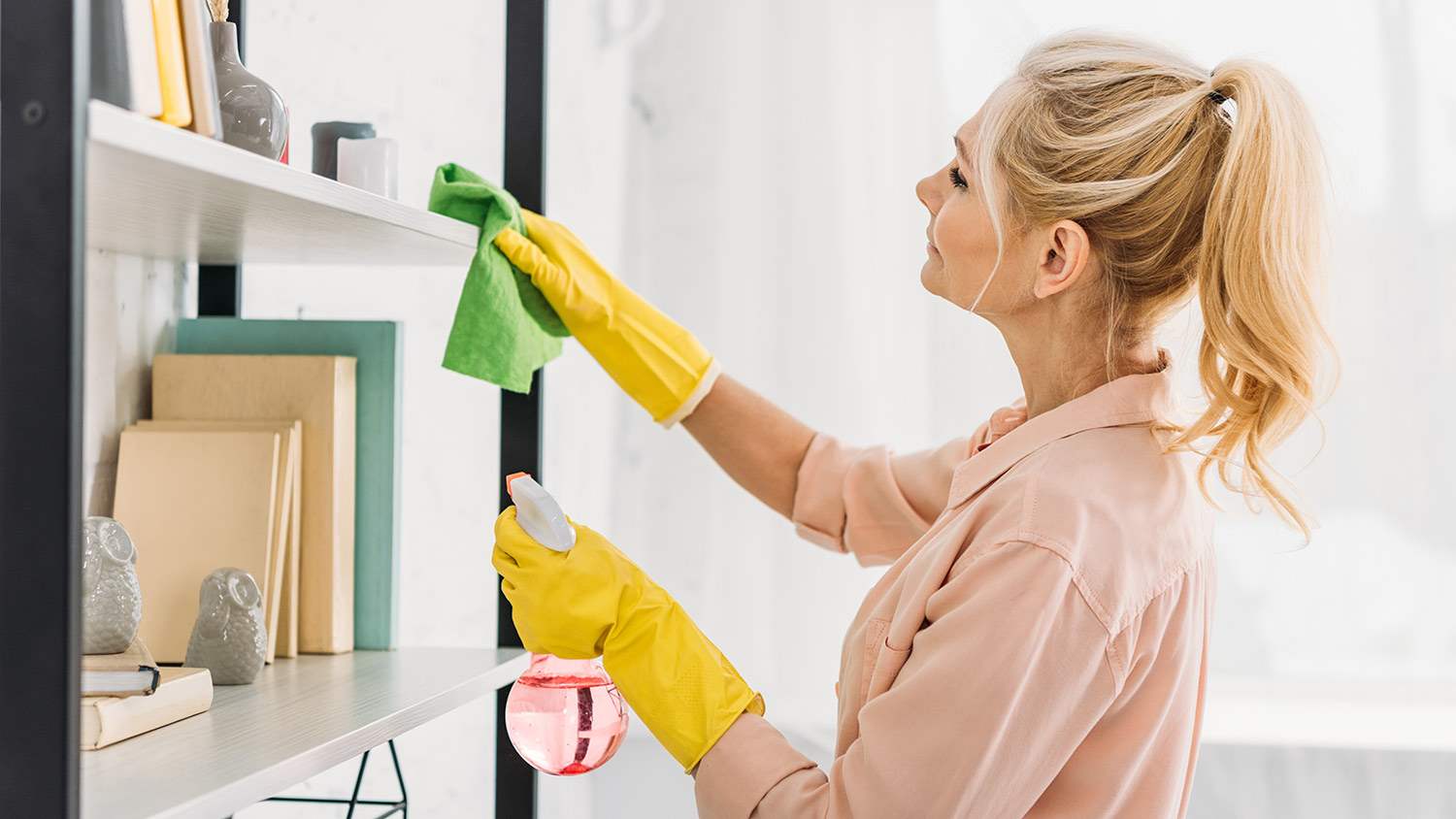
This guide covers the best tips for storing and organizing all your home cleaning supplies, whether you’re looking to deep clean or complete the daily chores, to save you space and time and ensure toxic chemicals are stowed away where they belong.

Declutter and maximize your space with these eight smart storage tips for messy closets, cupboards, and drawers around your home.