
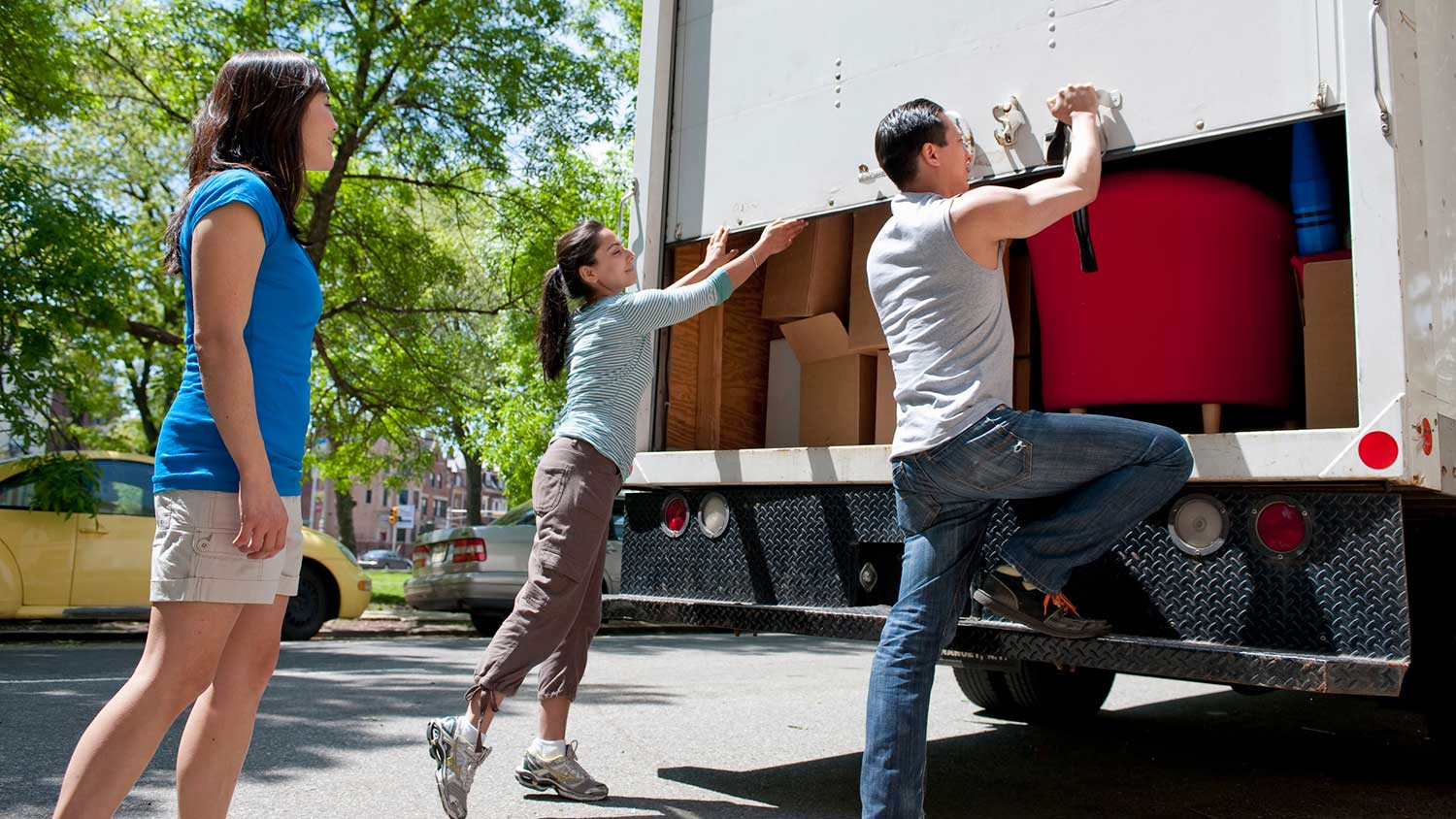
Moving during the peak of summer heat? Keep cool and get the work done efficiently using these ten summer moving tips.
We know your pets are everything—here’s how to care for them during a move

Planning a move with pets requires confirming your housing details early, as apartments and rentals often restrict certain breeds, exotic animals, or reptiles.
Crate training takes time and patience, so start practicing with your pet weeks before moving day to help them adjust comfortably to travel.
Keeping your pet's daily routines consistent during the move helps reduce their stress, so stick to regular feeding times, walks, and one-on-one interaction.
Hiring a local moving company provides peace of mind on moving day by handling the heavy lifting while you focus on keeping your pet safe and calm.
Moving is different for pet owners—after all, you’ll have your fur babies in tow. But it’s OK, with plenty of planning and prep work, you can calm their anxiety.
These tips help keep your pets safe and comfortable during air or ground travel so you can rest easier knowing you’ve taken care of everything they need.
Although you’ve found the perfect apartment for your lifestyle, always check the pet policies because many restrict reptiles, exotic animals, and certain breeds. Make sure you confirm in your lease that your pet is allowed and under what terms. You’ll also want to verify pet deposits, pet rent, or pet fees required before move-in day.
The same goes if you’re moving into a rental house. Communicate your pet’s exact details with your landlord and clarify what the landlord expects from you and your pet. For instance, they might require additional cleaning before you move out.
Before signing a sale contract on a new house, check local laws and your Homeowners’ Association about pet ownership in your new city and neighborhood.
If you think flying your pet is the best way to move, research the airlines’ pet travel policies well in advance, especially for international travel. Compare multiple airlines, as they each have their own pet policy.
Amelia Wieber, CPDT-KA, CCBC, owner of Caring Behavior Animal Behavior Consulting and advisory board member at Daily Paws recommends doing thorough research, especially if you’re putting your pet in cargo.
“Reach out to the specific airline and ask about temperature control and all safety precautions they take to be sure your pet arrives safely,” she says. “I would also ask to take a tour, if possible.
“It can be a very loud and scary experience for your pet,” she continues. “But airlines will usually not let your pet fly if they are on sedatives since no one is there to monitor them during the flight. You may want to talk to your vet about other safe anxiolytic options that should be tested prior to the flight to watch for any adverse reactions.”
If you’re flying with a pet, here are some more things you’ll need to think about:
Fees
Size, weight, and breed restrictions
Crate and carrier requirements
Heat and summer travel bans
Layovers
Water, food, and comfort items
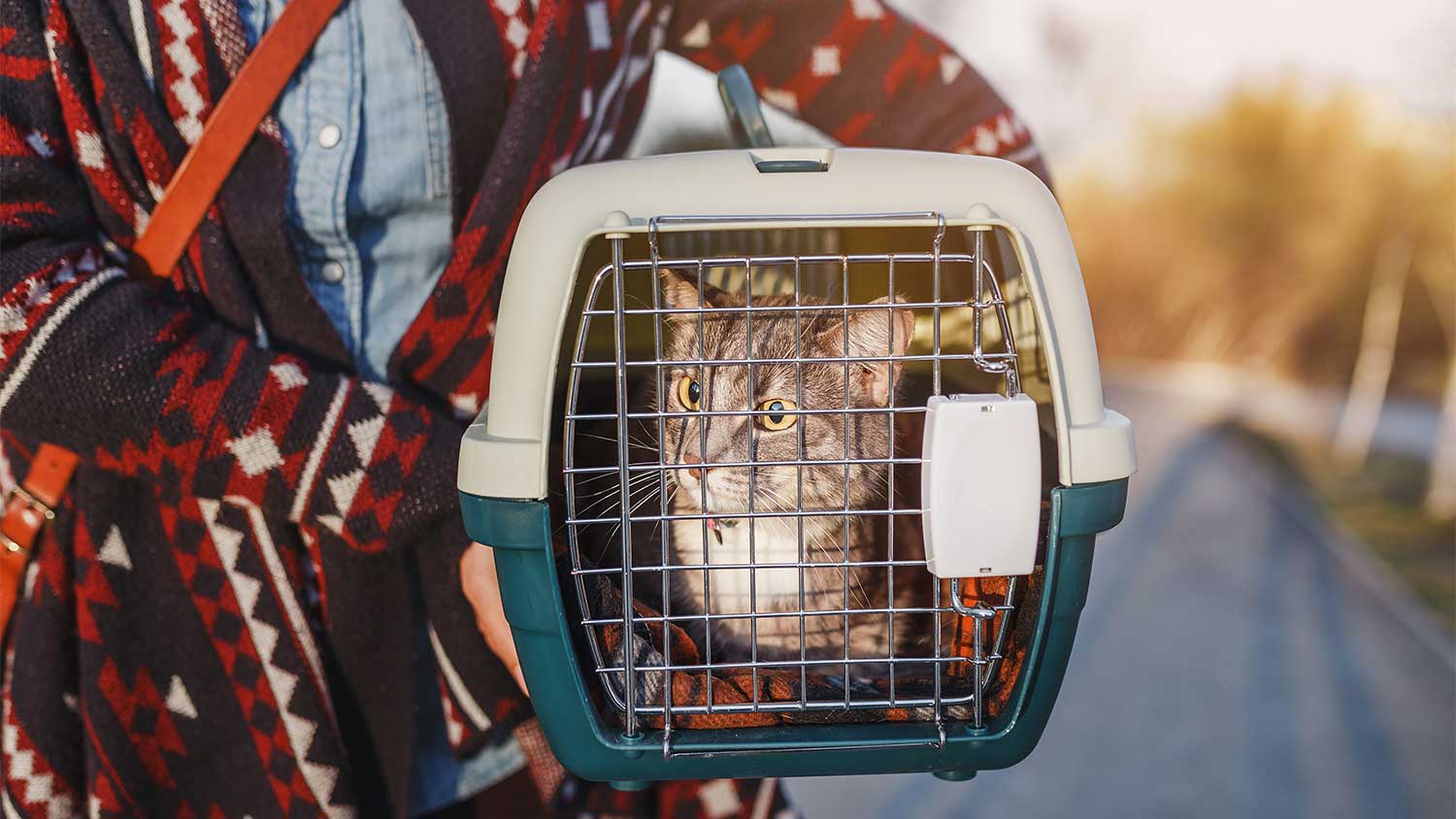
If your dog or cat hasn’t used a crate or pet seat belt, plan for plenty of time to practice. Crate training takes some time to perfect. Your fur baby might learn to love the comfort of the travel crate, but only if you start early, so they can get used to the change.
Wieber offers these tips for successful crate training and happy pets and humans.
“First just get your pet used to seeing the carrier out and about the home,” Wieber says. “If they are already fearful of it, take the top off if you can so it's just a bed shape. Leave treats in there for your pet to find and a cozy bed. Once they are comfortable going into the carrier for treats, you can begin to start feeding meals in there and eventually closing the door for brief moments and slowly build duration.”
Wieber emphasizes that it's important to make sure you never push your pet to the point of concern during this training.
“If this is a carrier that you will be carrying like for a cat or small dog, you will also want to practice pairing picking the carrier up with getting treats,” she says. “The last step is to make short trips in the car to get your pet used to the feeling of movement. If they drool or vomit, you can talk to your vet about remedies for that.”
Leslie Sinn, CPDT-KA, DVM Specialist in Behavior and Daily Paws advisory board member, adds, “the bottom line for any pet is that they must be used to staying comfortably in their carrier or kennel. No attempts should be made to close the pet in until it is voluntarily entering on its own.”
Pet seat belts are a safe way to travel with your dog if a crate is too large for your car. Give yourself and your pup time to get familiar with the straps and harness. Practice driving short distances first, and then ease into longer distances. Test drives are a good way to find out if your furry friend is prone to car sickness, too.
Connect with your vet to talk about any ongoing issues your pet has and how to continue care in the future. Let your new vet know your arrival plans and share your contact information and your pet’s picture in case of an emergency.
Talk to your vet about these topics before you travel:
Vaccines and microchip contact information
Medical record release
Medication refills
Health certificates for international travel
Travel tips
Anxiety concerns
Your fur baby thrives on routine and knowing what to expect, so keep up with their daily walks (and don’t forget to pick up after your dog), feeding times, and other everyday activities. The routine helps them know they’re still loved and protected even though there are so many moving boxes.
Sinn advises sticking to a regular schedule and providing plenty of exercise and one-on-one interaction each day. It’s also helpful to bring a favorite blanket or bed from the previous home for extra comfort. She suggests talking to your vet about calming pheromones such as CEVA's Adaptil for dogs or Feliway for cats—they may help your pets adjust faster.
Ask a friend for a playdate or find temporary care for your pet during move-out day. The commotion will likely stress out your pet. The constant opening and closing of doors also invites door dashers to make their great escape.
It’s never been easier to travel long and short distances with pets. There are plenty of pet-friendly hotels to choose from, and pet travel gear has come a long way. But one moving tip has stayed true: Always have accurate contact info on their ID tags or collars.
Many hotels advertise they’re pet-friendly, but it's up to each property to define pet-friendly. They could restrict their welcome by the dog’s weight, the kind of animal, or if the pet needs crating while you are out of the room. Call to confirm the rules and how much pet fee you’ll pay.
Your pet might not need every item, but here’s a list to help you remember.
Travel food and water bowls
Bottled water
Food and treats
Leash and collar
Medications
Seat belt
Crate
Comfort items
Cleaning supplies for accidents
While you might want to book it down the interstate and drive the 18-hour journey all in one go, you need to be attentive to your fur baby.
Give your pet as much space as possible if they’re using a seat belt. They need room to rest comfortably without packed items tumbling down. If they use a bed or blanket, tuck it with them in their seat. Their favorite toys also help keep them calm.
Check the backseat speakers and heat and air vents. Are they positioned right where your pets lie? Less noise and discomfort could help them relax faster.
After riding for hours, you’ll probably want a break, and your pet does too. You might even need to plan for more breaks than usual for your pet to get exercise or let their tummies settle. Water and some playtime help break up the day. If you have the time, stop at a pet-friendly store like Petsmart to give everyone a change of scenery.
Before you let your pet explore their new yard, make sure the fence is secure. You don’t want your pet lost in a new neighborhood.
Show them around your house and set up their living arrangements first so they begin to feel comfortable. Once they find their beds, toys, and food bowls, they’ll start to recognize their new home. Add in walks and playtime, and they’ll adjust to their new life right alongside you.
“Create a ‘safe zone’ for your pet, an area or room where you have their familiar bed and toys,” Wieber says. “For cats, I recommend a separate room where you can put a few cat trees, cozy resting places, litter boxes, food, and water. Once your pet is comfortably set up in their safe zone, you can allow them to explore the home when they are ready. For cats, this may take a few days if not a week or more.”
Wieber also recommends taking a day or two off work to make sure your pets feel safe before leaving them alone in the new house.
My furniture was delivered today, and the whole move went smoothly. The final cost matched the original quote with no extra charges. The movers were friendly, professional, and handled everything with care. Even after the long distance, everything arrived in perfect condition. I’m very happy...
 Moving of America
Showed up on time and cleaned carpets well, but didn?t move furniture.
 Voda Cleaning & Restoration of Columbus
A reliable team for moves across state. My switch to a new place needed careful lifting through tight hallways. The movers checked the doorway first, then carried heavier pieces with slow, controlled movements. Their patience helped prevent damage, and I?d choose them again.
**Would rate a 0 if i could** NEVER USE THIS COMPANY!!!!! They shattered my tv console and dresser, lost a mirror, and never finished the move. The broken furniture cost me over $600 to replace. They left me with 6+ hours of personal labor moving my 1BR apartment, when I was quoted a FULL...
 All My Sons Moving & Storage
I could not have moved without the help of Jen Stover! I was in my house for nearly 20 years, so the thought of clearing it out while working full time was overwhelming. Jen takes great joy in sorting and organizing while asking the hard questions with patience and compassion. Jen is...
 Go and Stow Home Organizing
Excellent experience for me! They helped me a lot with my move. very reasonable price. Good communication with the office manager is excellent.
 Goodview Moving and Storage
I was concerned about my possessions safety throughout the move but Bridge View Van Lines took all necessary security measures to make sure everything arrived in mint shape I am really appreciative of their effort and commitment They made my long distance move seem simple
 Bridgeview Van Lines
This moving company is the best in Columbus, Ohio! They rescued me when my movers didnâ t show up. Do not ever use Plane Movers! They never showed up for my move, claiming that I never signed the contract. They didnâ t call me to follow up, communication was awful. The people that work for...
 All My Sons Moving & Storage
Ozie and Tyquese were great and worked fast. It was a good move
 All My Sons Moving & Storage
Just moved from PA to Columbus in a studio apartment and needed help with some heavy furnitures because I couldn't do it alone. I called Hyremovers and they did a great and timely job and also left my apartment walls intact. Great service!
From average costs to expert advice, get all the answers you need to get your job done.
Moving during the peak of summer heat? Keep cool and get the work done efficiently using these ten summer moving tips.

Take these seven steps to create the ultimate moving budget by estimating the cost of movers, anticipating hidden expenses, and more.
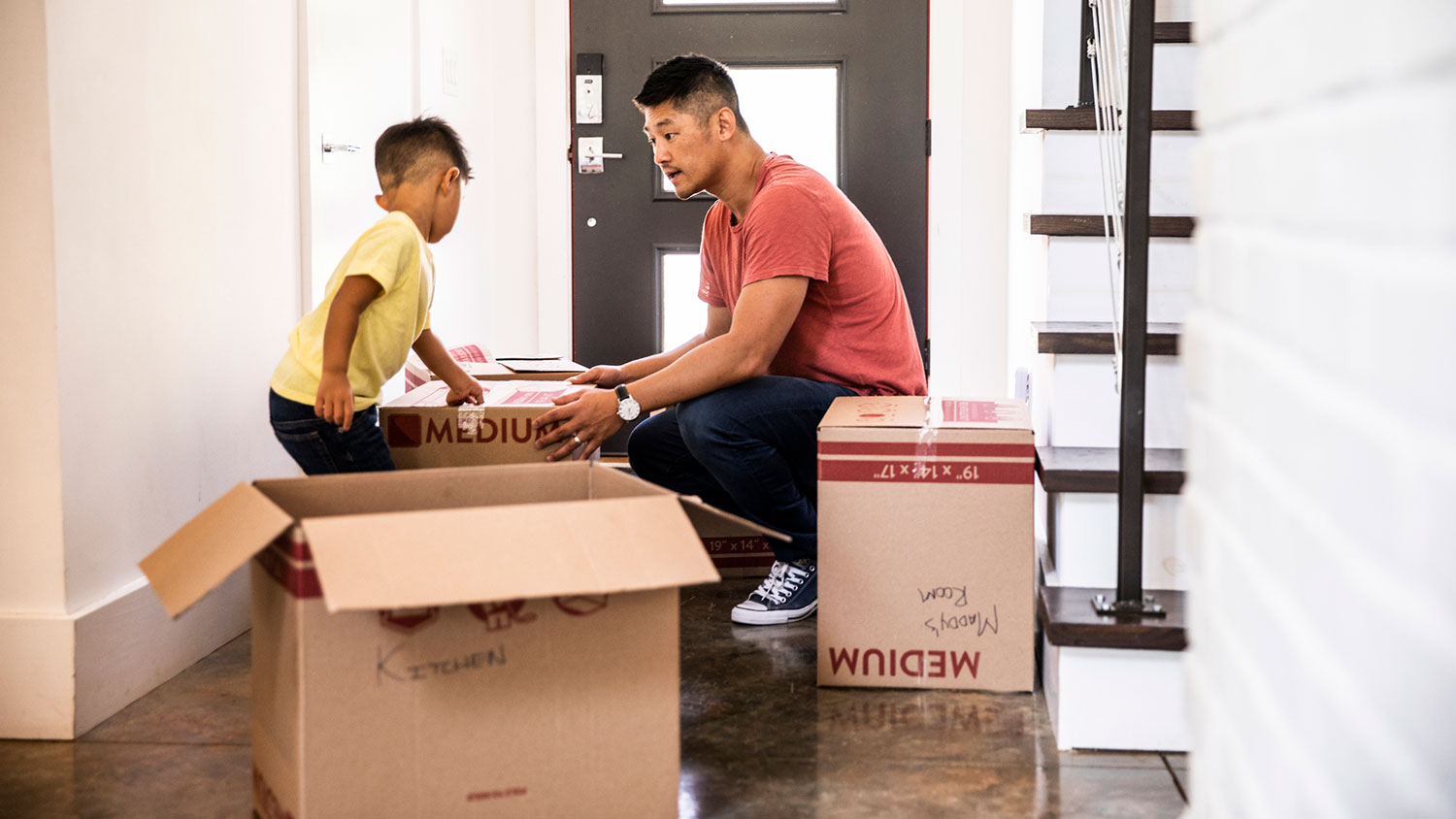
Moving requires patience, time, and money, but some costs aren’t obvious. Read on to learn about hidden fees and how to make more informed decisions throughout the process.
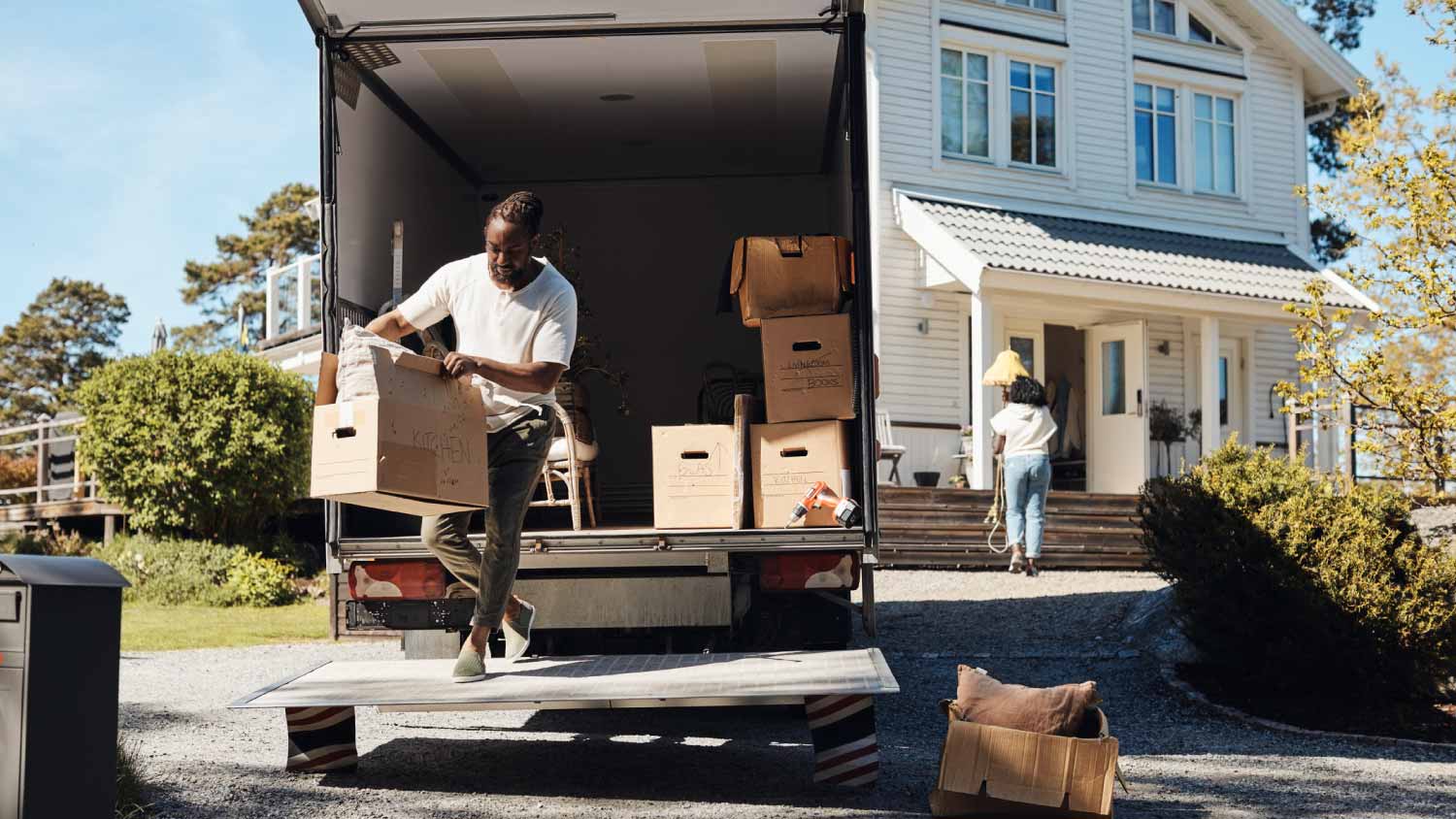
Whether you’re moving across the country or down the street, consider these tips as you prepare for movers to haul and transport your things.

Moving from an apartment into a house can be exciting and scary. Read on to learn how to use these four tips to make the process much easier.

Are you wondering how to move by yourself? Use these top 10 tips for an efficient do-it-yourself move.