Great Lakes Film and Shade LLC is a residential and commercial dealer for LLumar and 3M window film products. Whether you are a homeowner with a glare issue from one window, or a property manager trying to control heat gain through hundreds of windows, Great Lakes Film and Shade, LLC, is the company to call. Residential and commercial customers throughout Southern Wisconsin and Northern Illinois will receive the same professional service accompanied by quality products.
"Sales process was good, courteous and helpful. Installation instructions were easy to follow. Did have a small issue with one sensor which was easily solved with a call. Control panel is easy to use and well constructed. Phone app is the best part. Not a big fan of a 2 year contract and the monthly rate feels a little high, but definitely a decent system. I had emailed them a question pertaining installing on double hung windows and never received a reply, but other than that their phone support prior to that was good."
Triple J's Construction is a premier construction company servicing the entire state of Wisconsin. Each job is done on time, every time, with satisfaction guaranteed. Call us today for a quote!
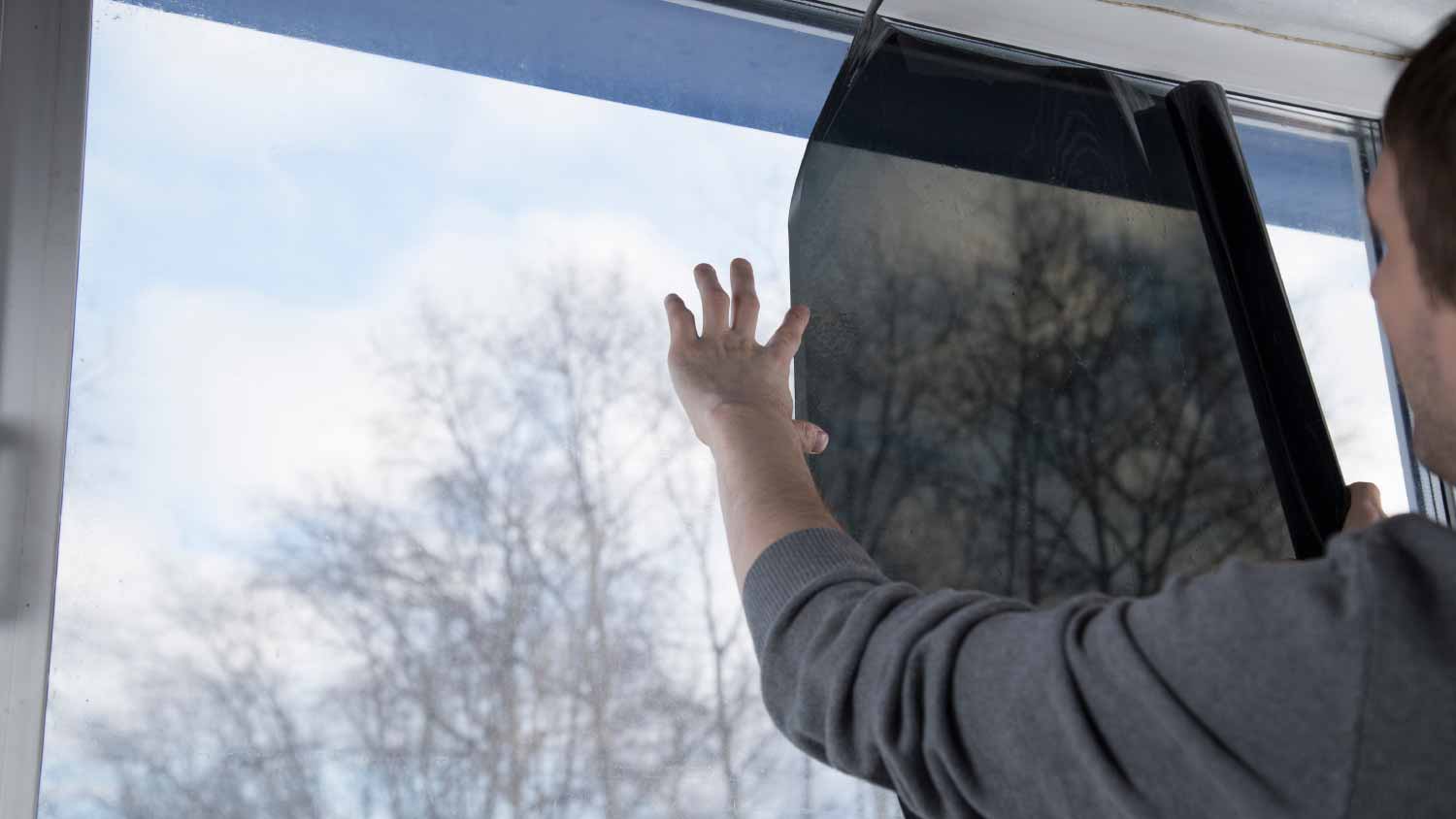
Most window installation and repair companies can handle putting tint film over your existing windows, but it’s best to hire a company that specializes in window tinting. This decision will result in the best application for the cleanest look, and it usually means you’ll get a better professional opinion about the type of tint and tint level that makes the most sense for your home and personal preferences.
The most popular tint percentage for home windows is 35%. Generally, most homeowners choose a visible light transmission (VLT) between 50% and 35%, where lower numbers mean less sunlight enters the home. A 35% tint blocks over half the incoming light while still allowing plenty of natural light, which can improve energy efficiency and comfort. If privacy is a primary concern, you can opt for a tint of 50% or lower to make it more difficult for people to see inside. However, keep in mind that very dark, thick tints may offer fewer energy-efficiency benefits.
Unlike cars, there are no laws regulating window tint percentages on homes, so you can choose what you think is best. It is often a good idea to hire a professional, as they can show you samples of how different tint levels will look in your specific property, helping you make the right choice.
Replacing a window frame will improve your home’s energy efficiency if the old frame is cracked or damaged in a way that allows unconditioned air from the outside into your living space or if you upgrade to a more energy-efficient window frame material. Aluminum is the least energy-efficient window frame material, followed by vinyl and wood. Fiberglass and composite frames are the most energy-efficient.
Some frosted glass sprays can handle the outdoors, but most of them aren't built for it. Sprays made for exterior use will say so clearly on the label. Anything marked “interior use only” can't hold up against rain, UV exposure, or changing temperatures without peeling, fading, or yellowing. Outdoor-rated sprays are typically more durable, but even then, proper prep and application matter. Before spraying anything outside, double-check the product instructions. If it doesn’t specifically mention exterior use, skip it.
The most energy-efficient windows are double—or triple-pane windows with low-emissivity (Low-E) coatings and gas fills between the panes. These windows reduce heat transfer, prevent drafts, and help maintain a consistent indoor temperature. But if replacing windows isn’t in your budget, pairing your existing windows with insulating window treatments can still make a noticeable difference in home comfort and monthly bills.
The South Range, WI homeowners’ guide to window tinting services
From average costs to expert advice, get all the answers you need to get your job done.
Tinting your home’s windows can add privacy, increase energy efficiency, and block damaging UV rays. Find out who tints home windows so you can hire the best.