"I've had them for probably a year. I had to have them come out once and they were very good. They were excellent. They did what they said. One of the things they fixed didn't work so well and they came back immediately. It was on a garbage disposal, but they were excellent. I haven't run into any problems. The quality of work is excellent. Nice people come out. It was fine. Everything worked out really well with them. I wish it was cheaper, but what am I going to do? It's within my reach. I'm retired and I don't have a budget. It's still reachable. It's understandable, even though you don't want that."
Install Garbage Disposal questions, answered by experts
The most common garbage disposal size in the U.S. is 1/2 horsepower. This size is ideal for households with three or fewer people or those that don't produce much food waste. Although 1/2 horsepower can't handle the typical food waste load for a household of four (which is about 250 pounds of food waste annually) as effectively as 3/4 horsepower, it remains the most common size of garbage disposal on the market.
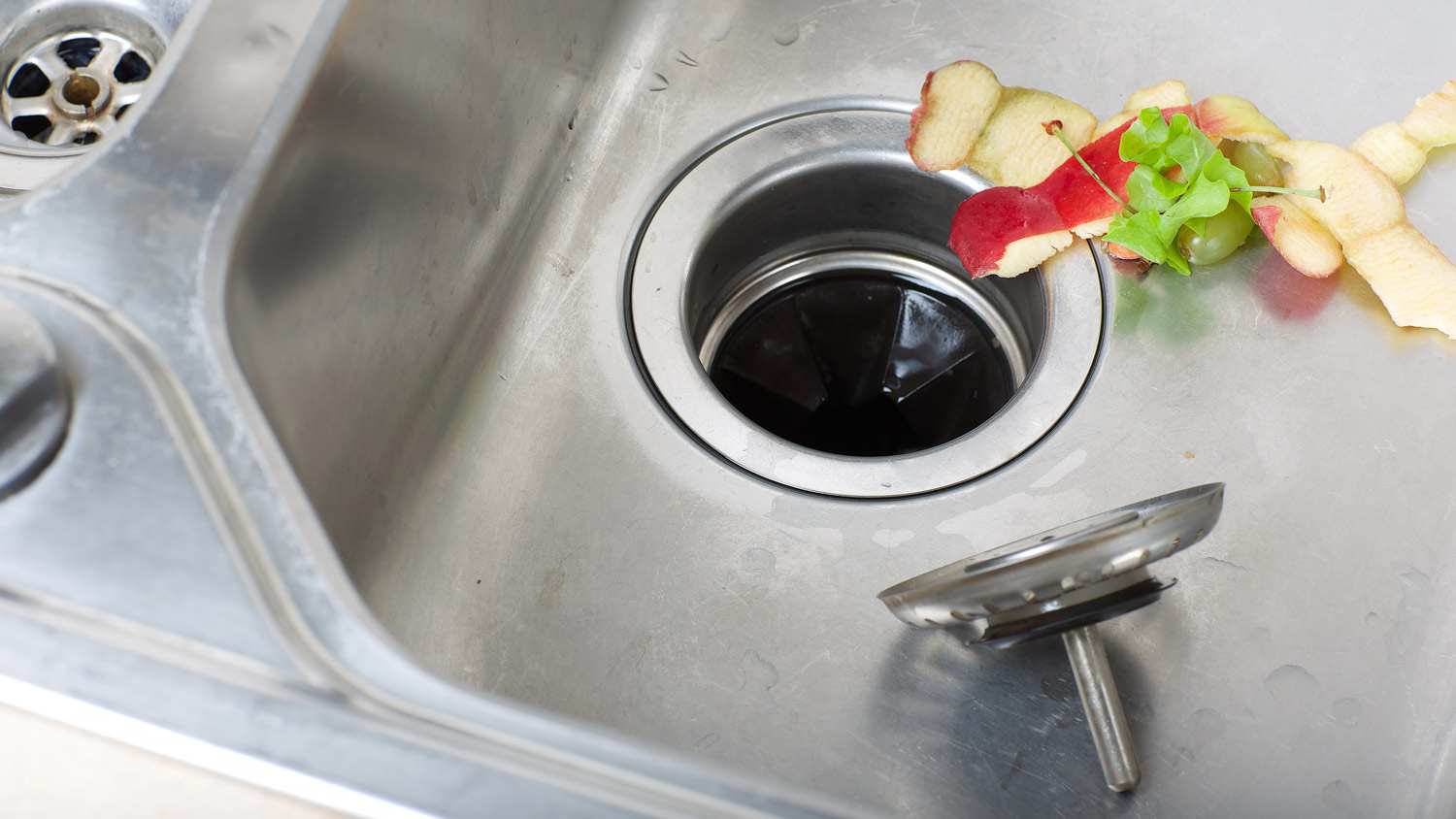
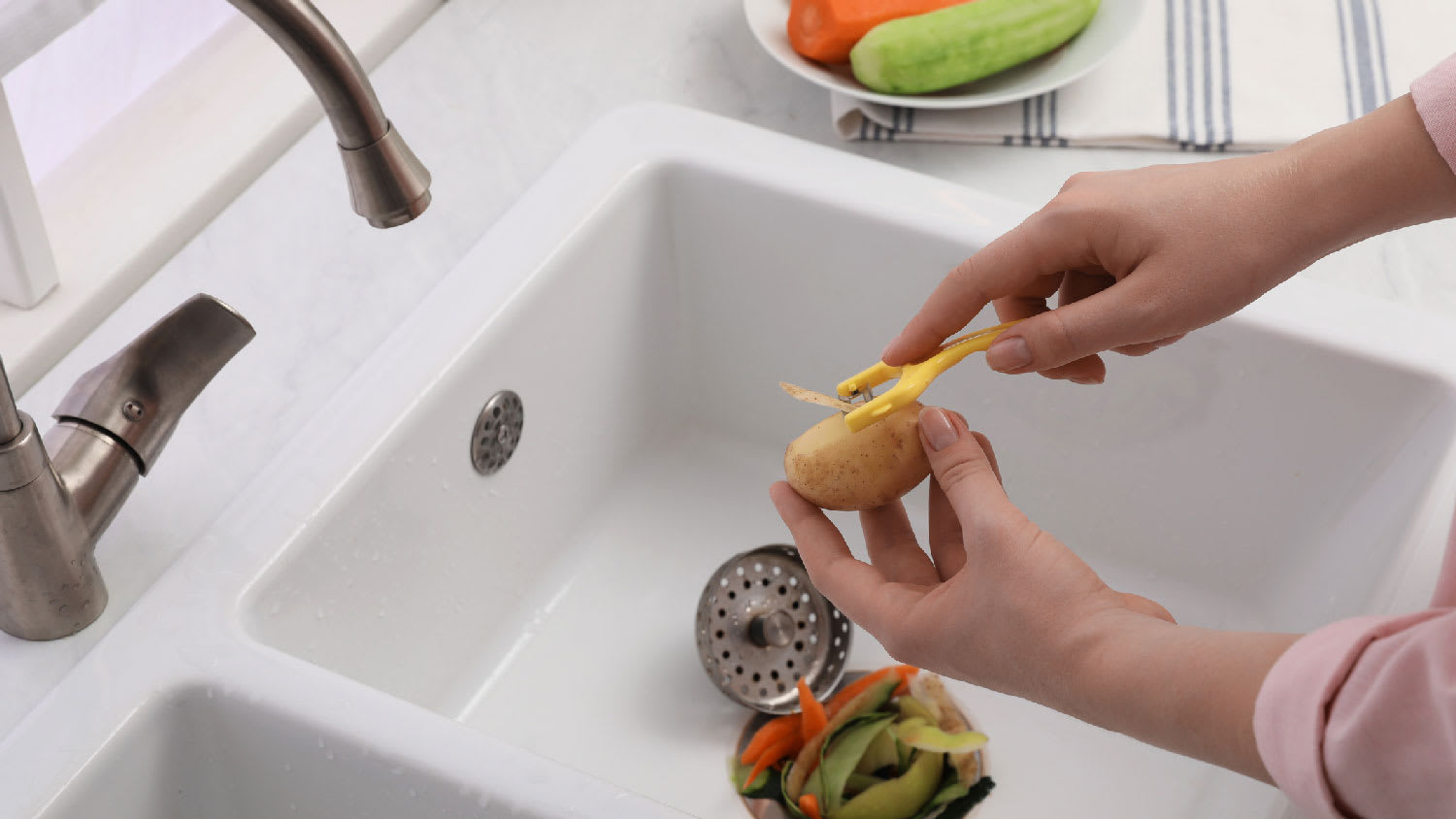
As with many appliances, proper maintenance is key to maximizing your garbage disposal’s life span. If everyone in your household is on board with proper care and maintenance, like running water while operating the disposal, you should get plenty of years out of your unit. Avoid putting the wrong food items down the disposal, including pasta, rice, bread, and more.
Continuous feed garbage disposals are the favorite model for many homeowners for a reason. As opposed to batch feed models, add food scraps to the drain whenever the disposal is running. This variety is also typically less expensive, more convenient, and easier to clean.
Soil is just one of the items you shouldn't put down a garbage disposal. Garbage disposals are only meant for soft, non-fibrous foods. Large amounts of topsoil, dirt, or rocks will damage the blades of your garbage disposal or clog the pipes. If a small amount of dirt goes down the drain as you repot a plant, you shouldn't have to worry, but never dump a whole pot of soil in the sink for fast disposal.
If your garbage disposal powers up and you can hear it hum, but the arms inside aren’t moving, the problem might be a stubborn clog, a build-up of grease, or a jam of the impeller plate. To troubleshoot these, ensure your unit is off and disconnected from its power source before checking inside the drain or attempting to manually rotate the impeller arms or plate from the underside of the unit. A hex wrench can help.
The Hingham, WI homeowners’ guide to garbage disposal installation services
From average costs to expert advice, get all the answers you need to get your job done.
Sometimes the smallest home luxuries make the biggest difference. Installing a new garbage disposal is a relatively low-cost project with the option to DIY. Upgrade your kitchen by checking out the common costs associated with garbage disposal installation
Garbage disposal repair costs depend on the specific issue, but you can save money if you DIY. Read on to learn which problems you can fix yourself and which require a professional.
Garbage disposals last five to 10 years, and replacement is preferred over repairs. Here’s everything you need to know about replacing your garbage disposal.