"Sales process was good, courteous and helpful. Installation instructions were easy to follow. Did have a small issue with one sensor which was easily solved with a call. Control panel is easy to use and well constructed. Phone app is the best part. Not a big fan of a 2 year contract and the monthly rate feels a little high, but definitely a decent system. I had emailed them a question pertaining installing on double hung windows and never received a reply, but other than that their phone support prior to that was good."
Top Dog Concrete & Excavation, LLC proudly serves its customers with pride, integrity, and attention to the details that matter most to you. This is one Please give us a call for all of your land management needs. We specialize in dozer work not tractor work.
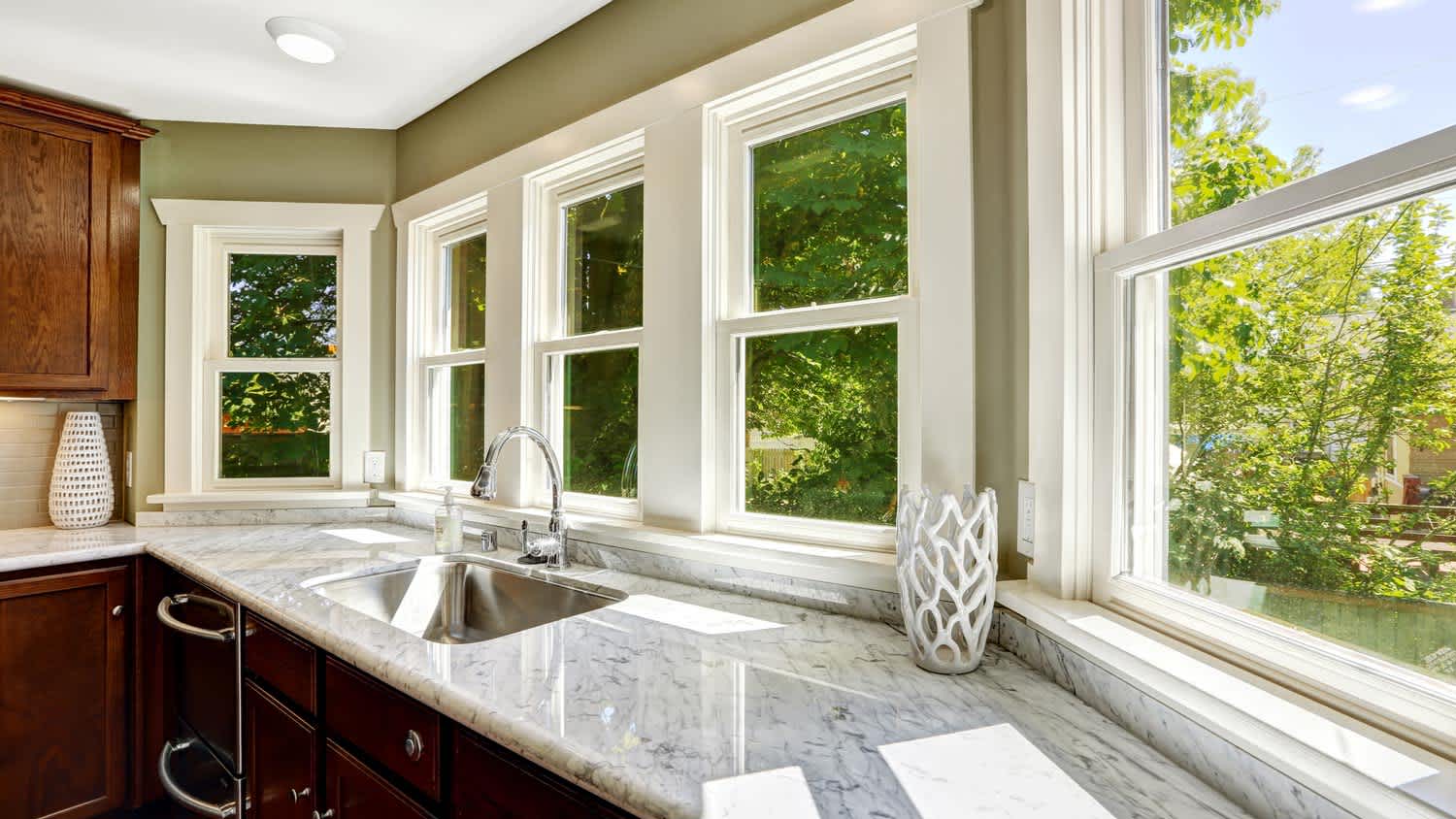
Replacing a window frame will improve your home’s energy efficiency if the old frame is cracked or damaged in a way that allows unconditioned air from the outside into your living space or if you upgrade to a more energy-efficient window frame material. Aluminum is the least energy-efficient window frame material, followed by vinyl and wood. Fiberglass and composite frames are the most energy-efficient.
The best windows to tint are those that get the most direct sunlight—particularly sunroom windows or windows facing the south or east where the sun shines most brightly throughout the day. If your pets have favorite windows to lie in front of, you may want to consider those, as well, to protect their skin from sun damage.
Upgrade to double-glazed glass or apply energy-efficient coatings to reduce heat loss and utility costs.
The lifespan of window tinting depends on several factors, but a high-quality, professionally applied tint can last anywhere from 5 to 25 years, with premium tints lasting at least 15 to 20 years. Key factors influencing longevity include the quality of the film, the professionalism of the installation, and the type of window. Some companies offer lifetime warranties, while others may only provide a one-year warranty or none at all, so it's wise to verify this with your service provider. To prolong the film's life, clean it gently with a microfiber towel and mild cleaning solutions. Avoid harsh, abrasive, alcohol-based, or ammonia-based cleaners, as well as sharp tools or scrubbers, which can damage the surface.
Tinting your windows will make your house darker since it will prevent some sunlight from getting inside. While you can choose a window film that is on the lighter side, there will still be reduced sunlight. If natural light is important to you, tinted windows might not be the best choice for your home.
The Spearfish, SD homeowners’ guide to window tinting services
From average costs to expert advice, get all the answers you need to get your job done.
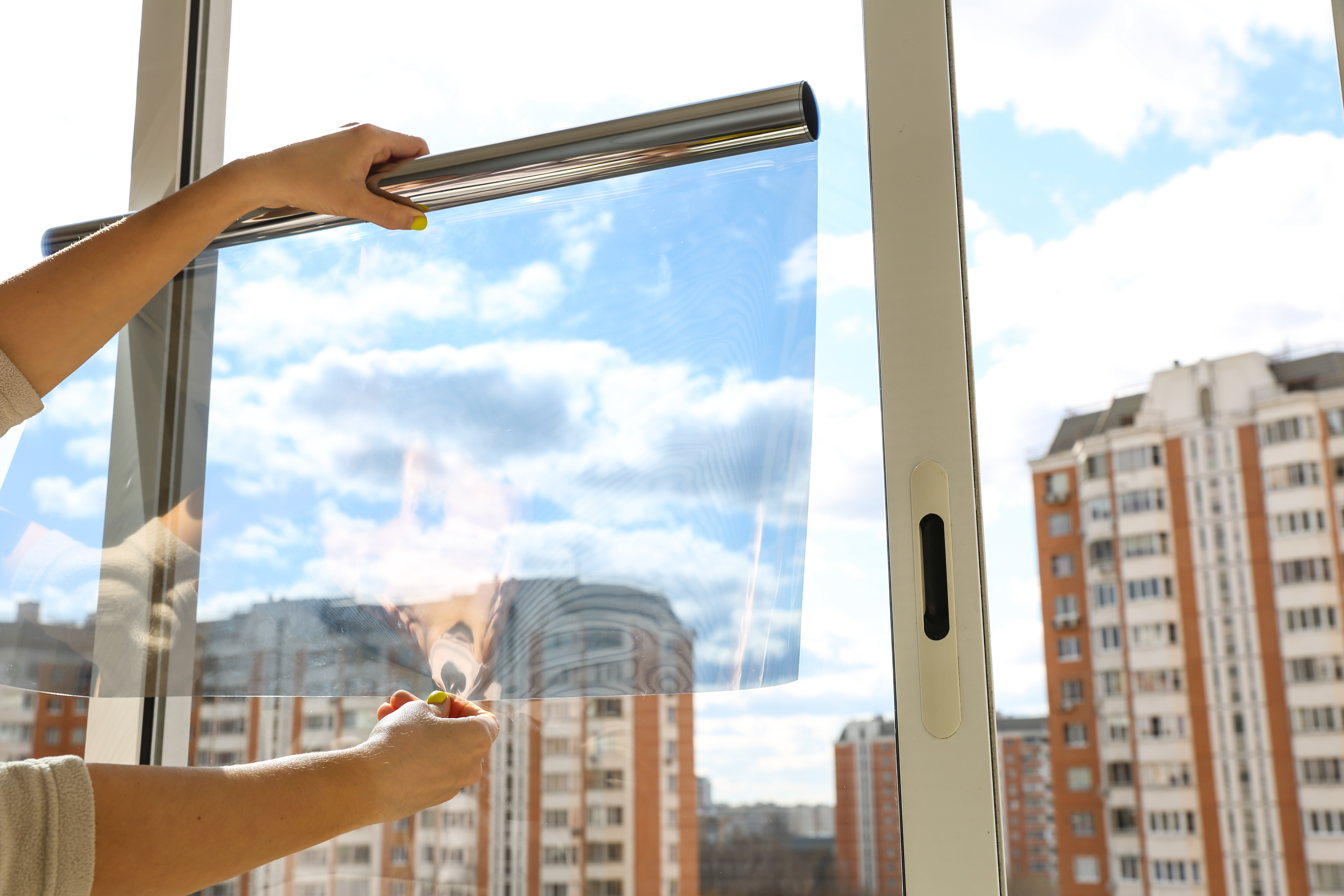
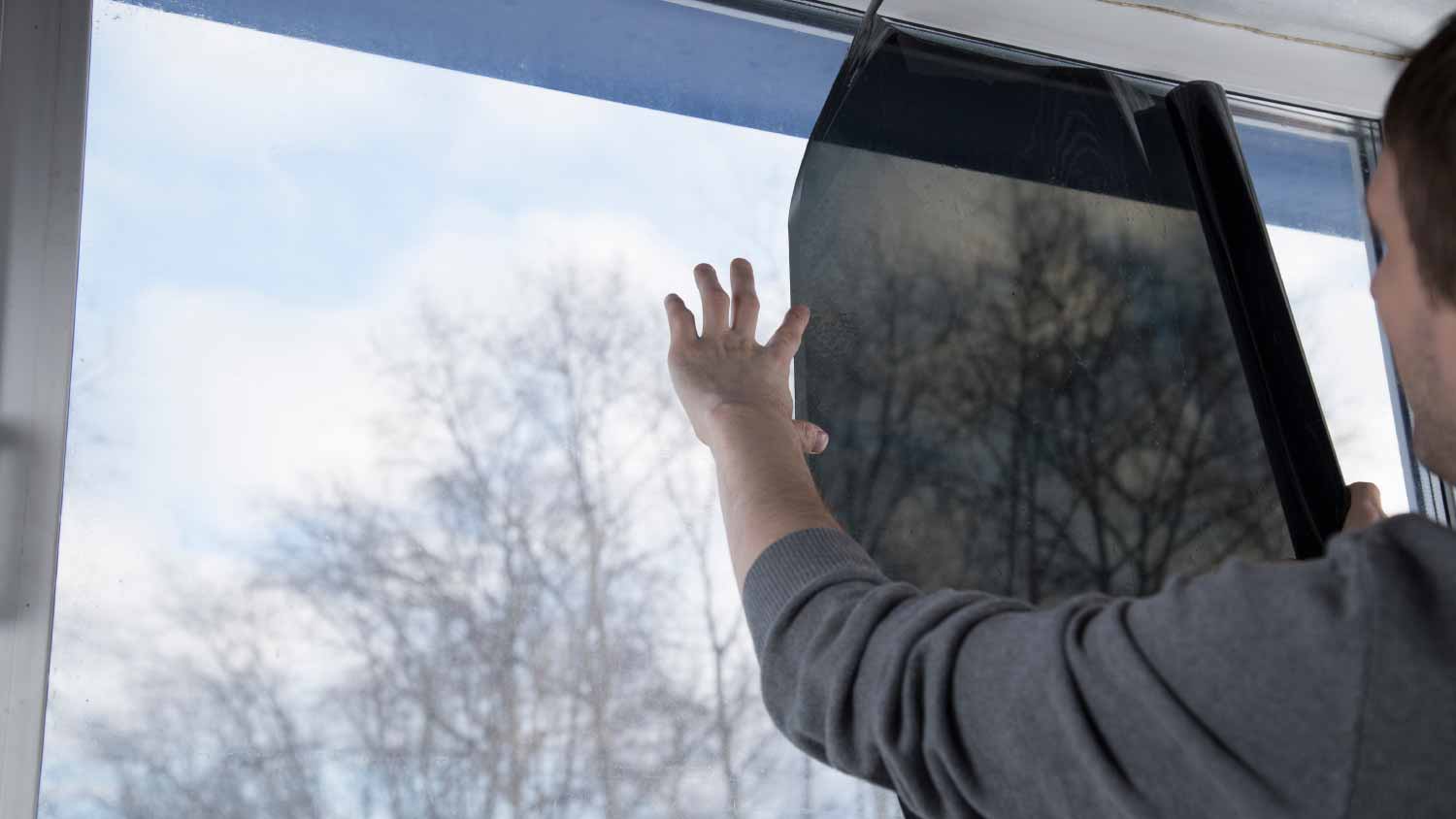
Tinting your home’s windows can add privacy, increase energy efficiency, and block damaging UV rays. Find out who tints home windows so you can hire the best.