Woehl Welding Services LLC is committed to excellence in every aspect of our business. We uphold a standard of integrity bound by fairness, honesty, and personal responsibility. Our distinction is the quality of service we bring to our customers. Accurate knowledge of our trade combined with ability is what makes us true professionals. Above all, we are watchful of our customers interests and make their concerns the basis of our business.
We are committed to excellence in every aspect of our business. We uphold a standard of integrity bound by fairness, honesty and personal responsibility. Our distinction is the quality of service we bring to our customers. Accurate knowledge of our trade, combined with ability, is what makes us true professionals. Above all, we are watchful of our customers' interests and make their concerns the basis of our business
You can indeed open your awning in winter. It’s a misconception that you can only open retractable awnings in the warmer months. In fact, modern awnings are strong enough to offer a little respite from the snow if you’re someone who enjoys sipping hot cocoa outside on a beautiful winter day. But if a big storm is coming, such as a hurricane or a blizzard, it’s best to close your awning until the weather calms down.
Acrylic, polyester, and vinyl are common options. Choose based on durability, UV resistance, and style.
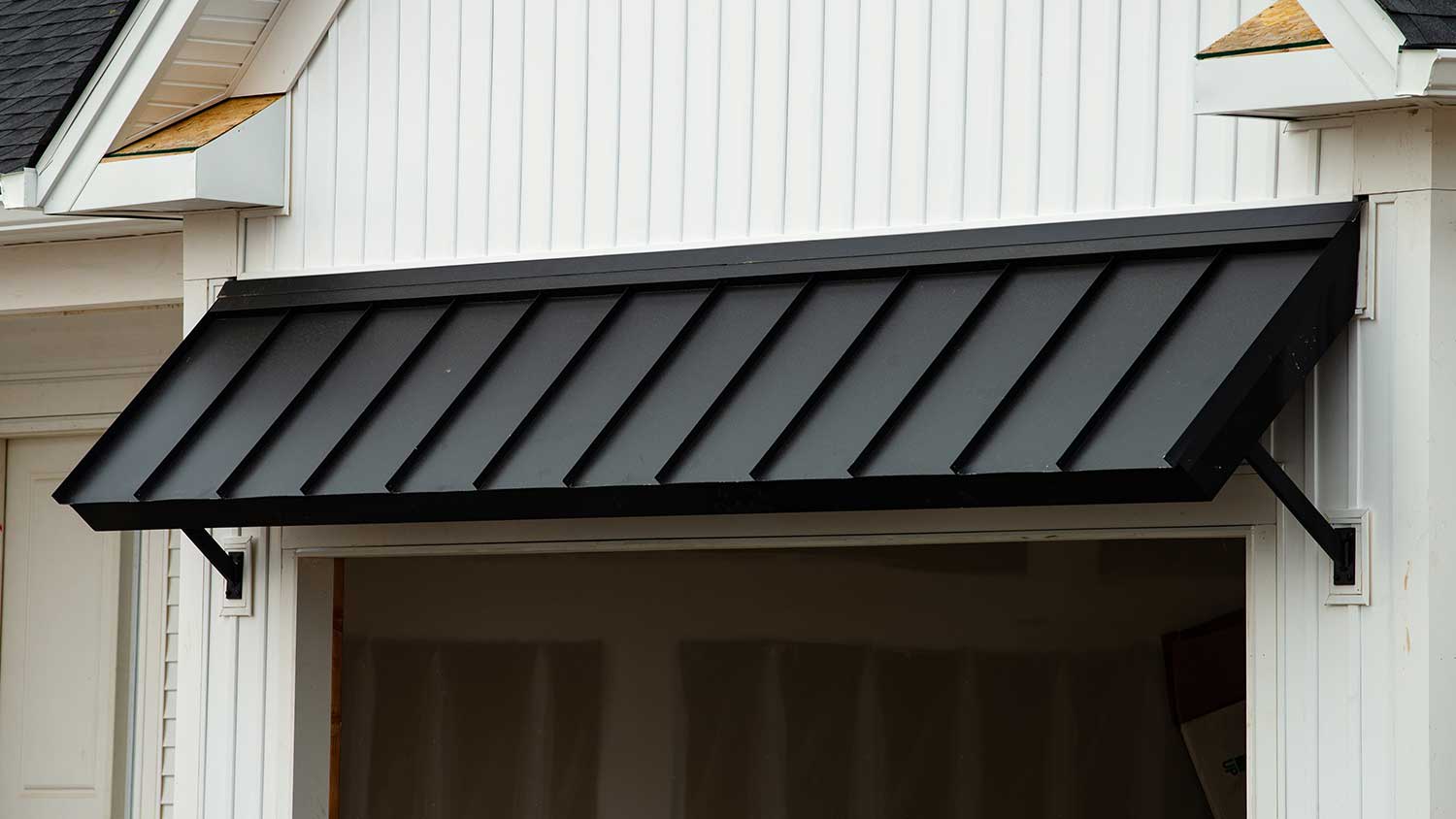
Yes, you can convert a fabric awning to a metal one. You just need to swap the fabric for metal panels, which are more durable and weather-resistant. However, the support frame will probably need reinforcement to handle the added weight. You should consult a pro to address any structural concerns.
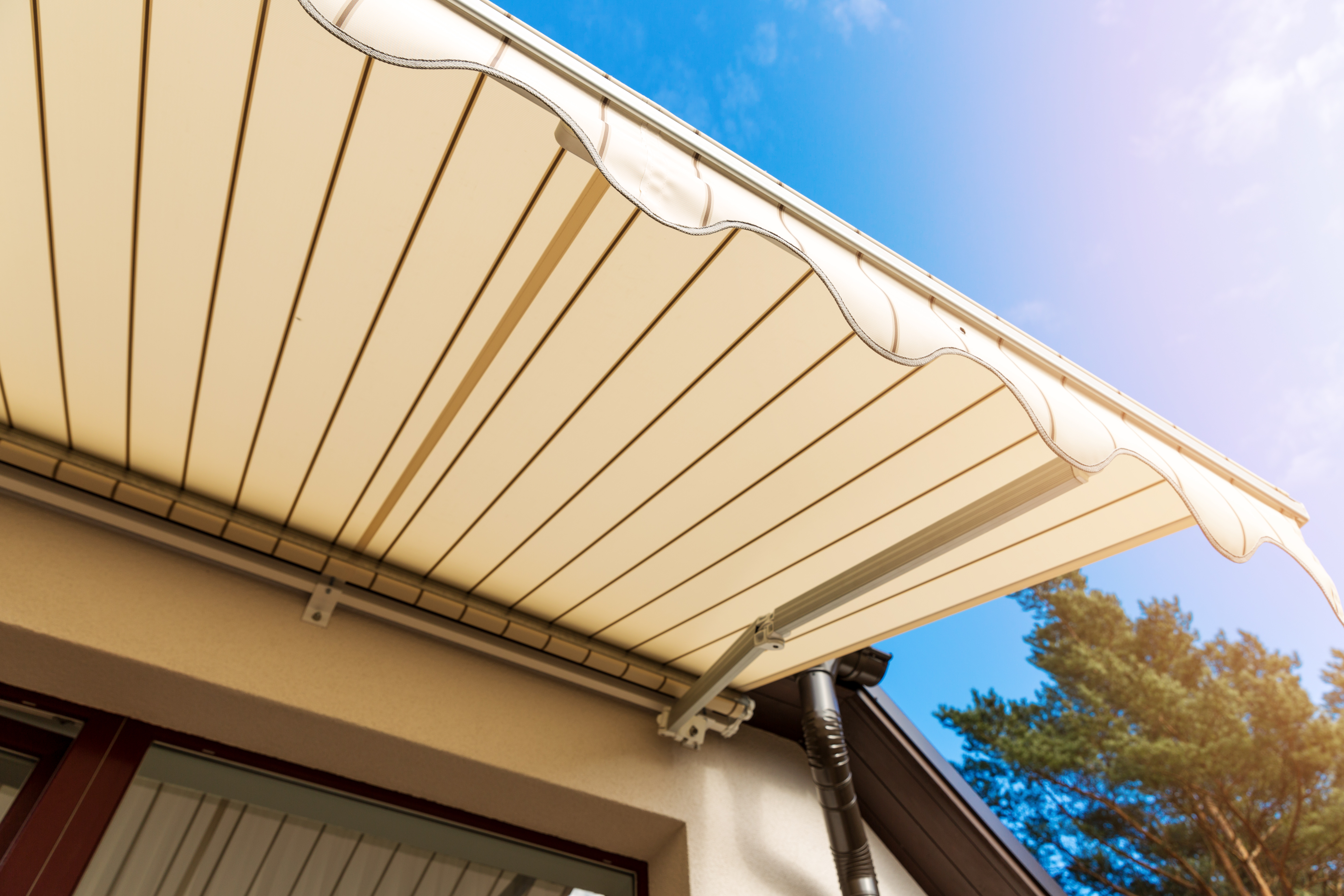
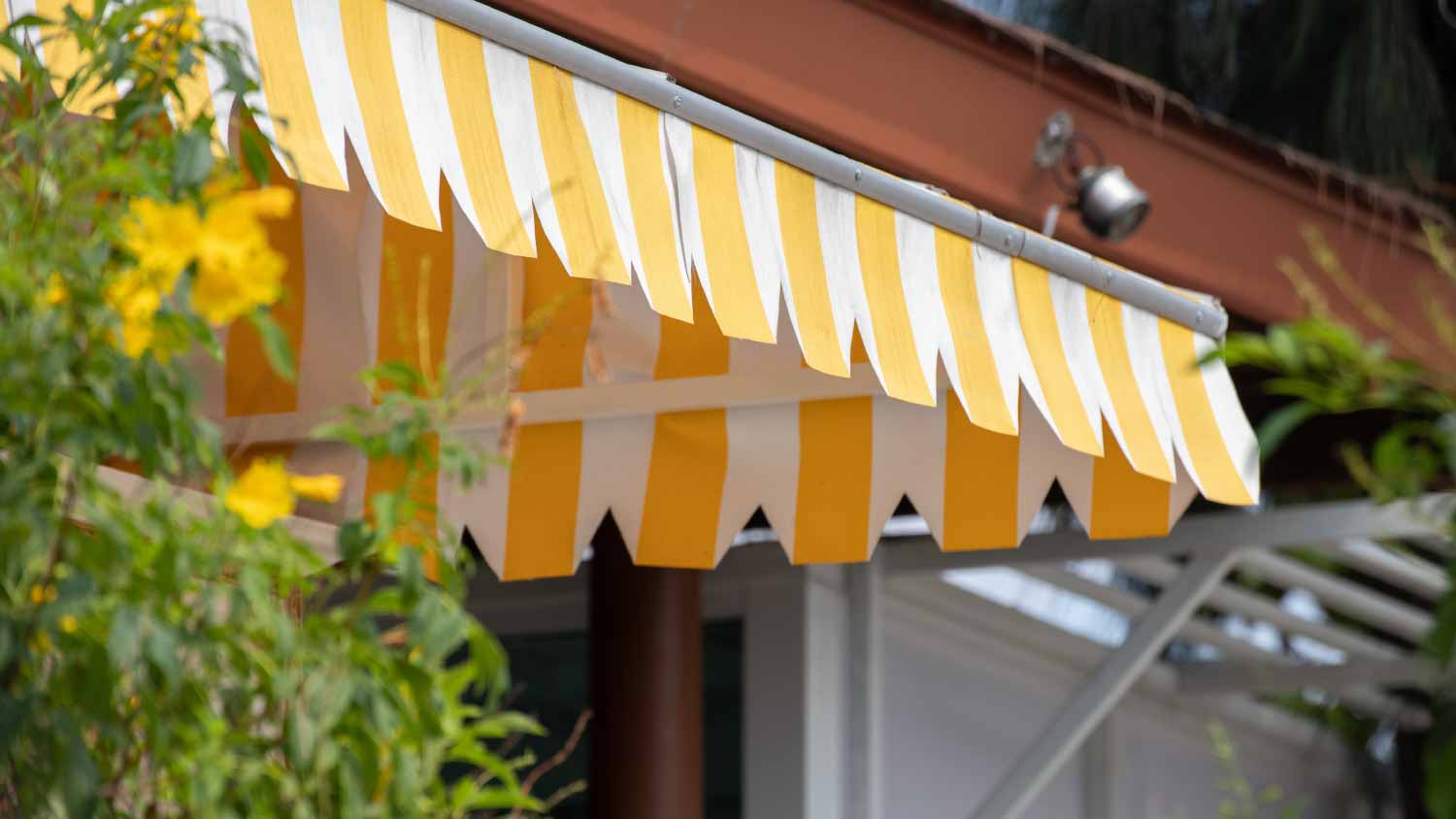
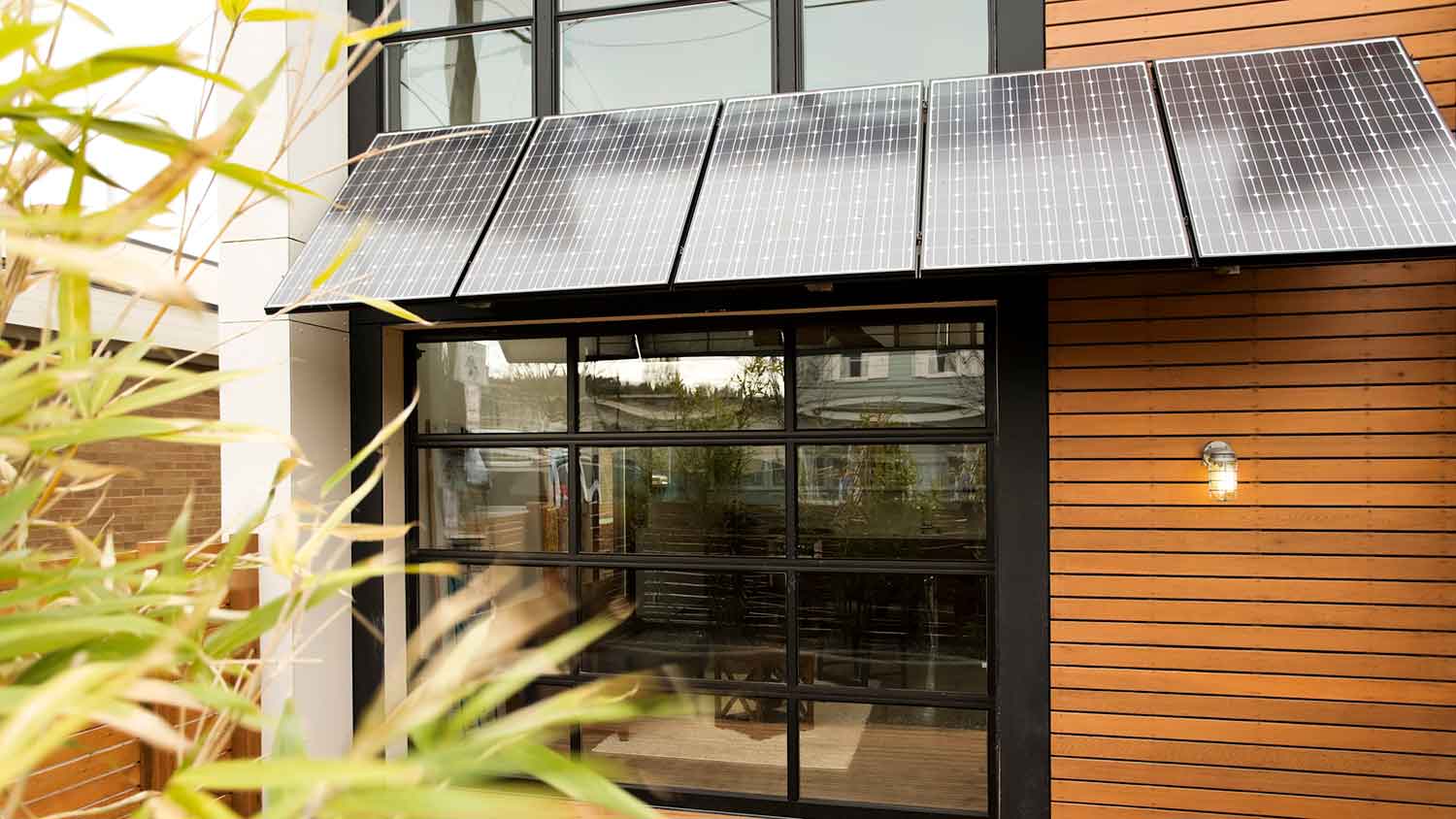
Awnings are either fixed or retractable and can be paired with a variety of cover materials. Fixed awnings are a permanent outdoor feature of a building. These are highly durable and require ongoing maintenance. Once installed, the position of this awning cannot be changed.
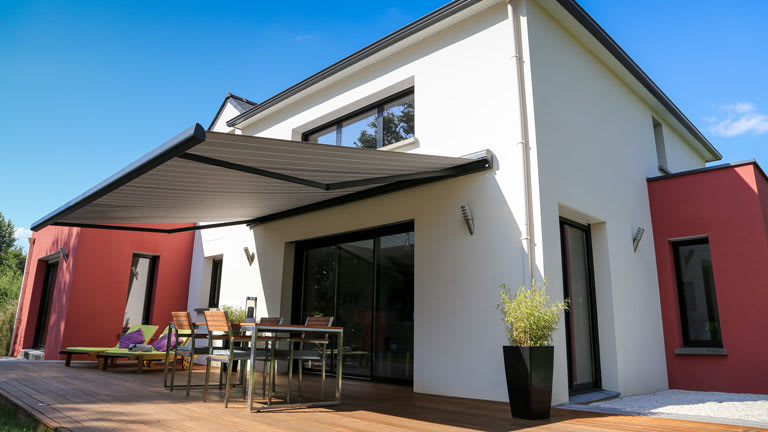
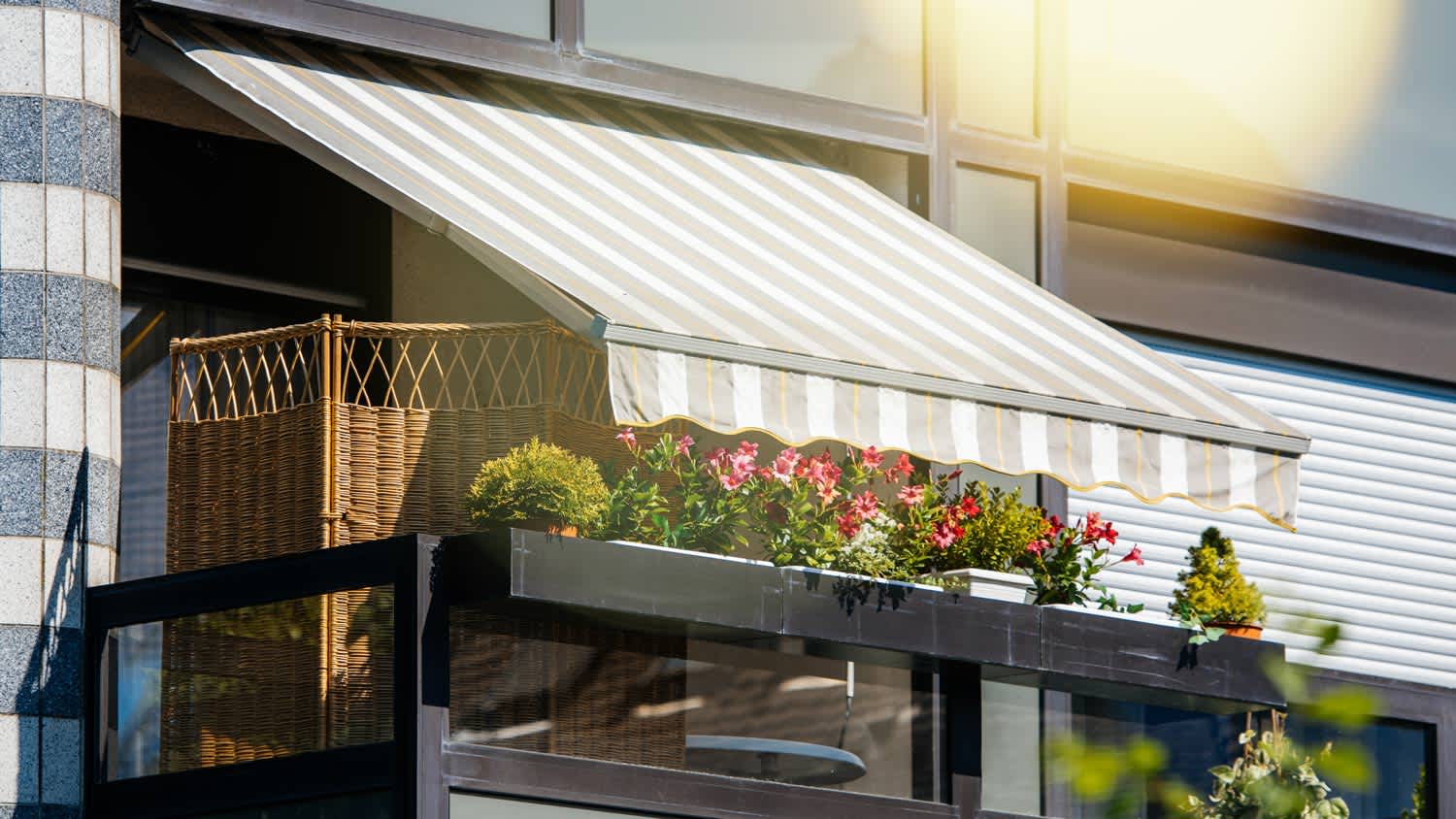
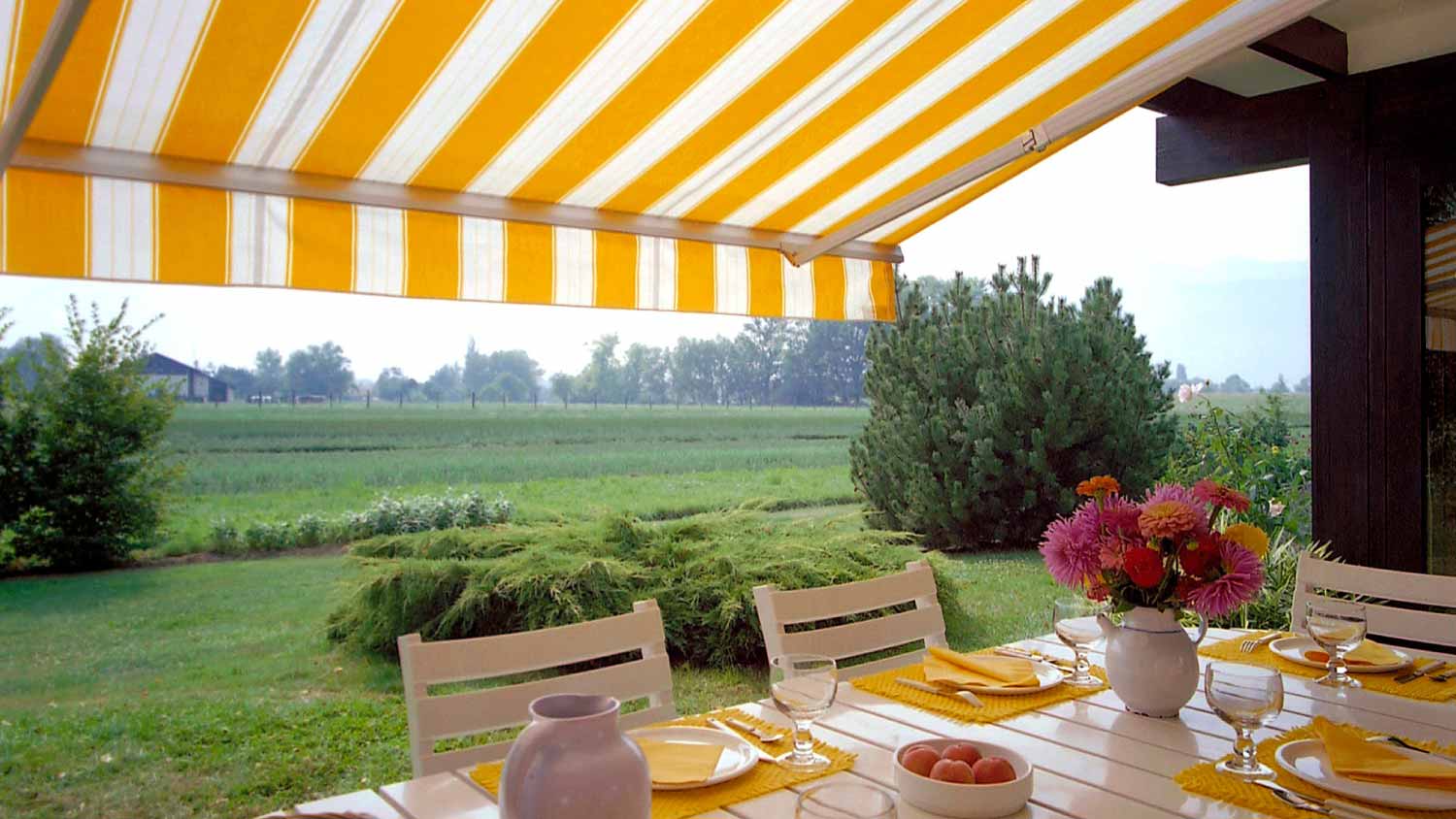
Retractable awnings are more popular than fixed awnings since the cover can open and close. This allows homeowners to open and close the awning, depending on the weather. When not in use, it can be closed to allow for extra space.
Clean regularly with mild soap and water, and retract during severe weather to prevent damage.
The Kimball, SD homeowners’ guide to awning services
From average costs to expert advice, get all the answers you need to get your job done.
Need an awning that provides shade, comfort, and maybe some privacy from nosy neighbors? Use this guide to find the best awning for your home and lifestyle.