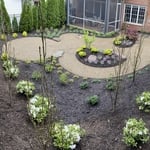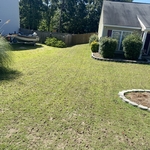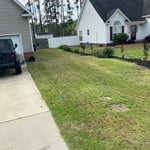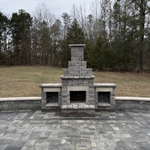









Top-rated landscapers.

Get matched with top landscapers in Jefferson, SC

Enter your zip and get matched with up to 5 pros

Need a pro for your landscaping project in Jefferson, SC?

Select your specific project to find the pro for you.

TRUSTED BY JEFFERSON, SC HOMEOWNERS

  • Average homeowner rating star icon4.8
    Average homeowner rating
  • Verified reviews icon22
    Verified landscaping services reviews

Find Landscapers in Jefferson

Rays'D Right
New to Angi
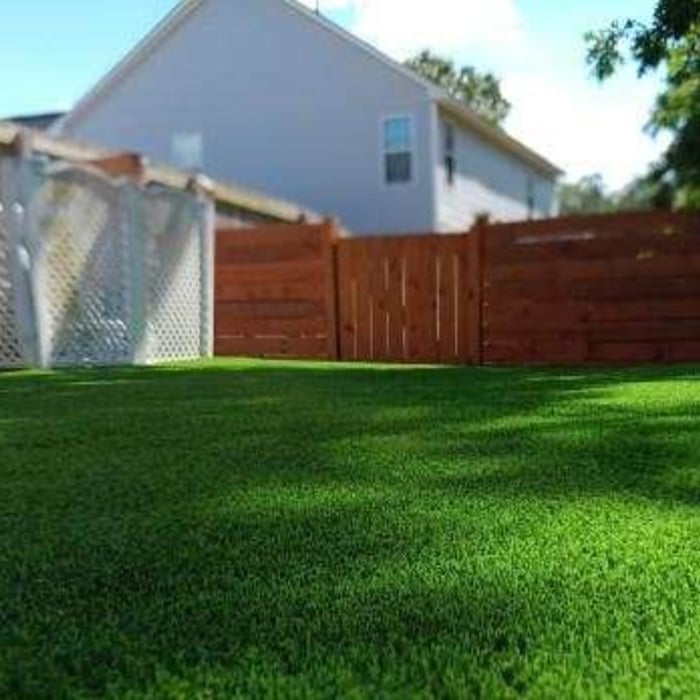
Lawn Care - Maintain and Mow a LawnLandscape - Install Landscaping for Yard or GardenLandscape - Install Synthetic Grass for Putting Greens, Play Areas, etc.+4 more

Serving Jefferson, SC and surrounding areas

Approved

Free estimates

Emergency services offered

Small jobs welcome

RAYS’D RIGHT Landscaping provides clean, dependable service with professional results. Based in Mineral Springs, we serve Waxhaw, Weddington, Indian Trail, Monroe, Ballantyne, and Charlotte. Services include lawn care, core aeration and seeding, mulch, pine straw, hedge trimming, sod installs, bed makeovers, pressure washing, and seasonal cleanups. Fair pricing, clear communication, and work done the right way.

5 neighbors recently requested a quote
...
Showing 1-10 of 261
Landscaping questions, answered by experts

Yes, you can landscape in the rain, but you should take some precautions to keep yourself and your tools safe. Avoid using electric landscaping tools during rainfall, and don’t mow, thatch, aerate, or rake in the rain, as your tools can more easily tear out roots in the loose soil. Be careful when working on wet grass, and take your time to avoid slipping. Avoid putting in new plants before a particularly bad storm, as heavy rain and strong winds can damage or uproot plants that aren’t yet established.

Plant privet hedges at least 1 foot apart in a trench about 2 feet wide and 2 feet deep. It’s important to space privet hedges relatively far apart due to how quickly they grow to significant sizes and heights. You don’t want to crowd privet plants, or they could overcrowd each other, causing unwanted damage.

Grass is the most popular and safest option for planting over a septic drain field, but you can also plant small flowering plants and other lightweight plants that don’t have woody or deep roots. Avoid trees and bushes within 10 feet of the field, as the woody roots can crack the perforated pipes. You should also avoid planting vegetable or fruit gardens over your drain field, as a leak from the pipes could contaminate the soil and put anyone who eats the produce at risk.

The best landscaping for a septic drain field is shallow-rooted grass or native vegetation that helps prevent soil erosion while allowing water to evaporate efficiently. Avoid planting trees, shrubs, or deep-rooted plants near the drain field because the roots can infiltrate pipes and cause blockages. Using mulch or gravel sparingly can also help retain moisture and protect the system without restricting airflow.

While you can leave roots in the ground, if you don’t want the shrub to regrow again over time, it’s best not to leave any roots behind. Ensure you remove as much of the shrub as possible, including the root ball and any main roots you can see, to prevent new growth. Some gardeners opt for using a chemical treatment to prevent the stump from growing back, but this can kill beneficial microorganisms living in your soil.
The Jefferson, SC homeowners’ guide to landscaping services

From average costs to expert advice, get all the answers you need to get your job done.