



"Job was complete with one visit. Vacuum works great. Service was fast and efficient.
I had trouble finding anyone to work on central vacuum systems. But thanks to home advisor all problems were solved in finding Rockey. He is central vacuum specialist.
Thanks to Rocky for a great job with great service.
E Swindal"
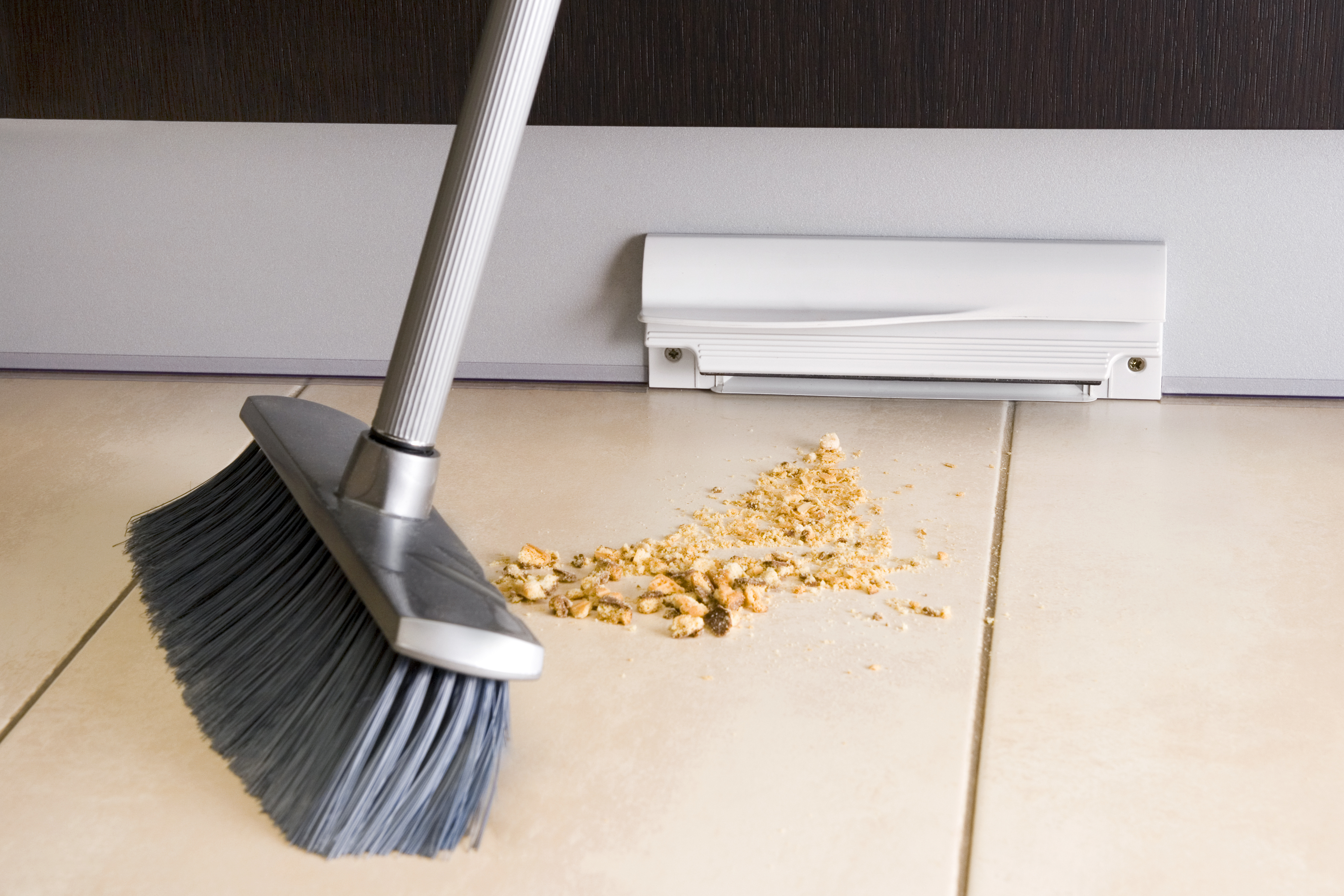
"They installed a central vacuum in my new home. The hose plugs were all contemporary and matched the hardware in my kitchen and door handles. Absolutely in love with the quality and suction on my new central vacuum. Christopher and his team are the best and now I know why."
I am a small business owner, wanting to grow with my customers to fulfill their needs. I am willing to do anything to make them happy and also to make sure the job is done right.
Alternative Air Solutions (AAS) specializes in residential and commercial central vac and air purification systems. Visit our website at www.aashhi.com
Central Vacuum Systems questions, answered by experts
It can be difficult to know right away if your central vacuum is clogged since it operates quietly compared to regular vacuums. However, there are a couple of signs you can look for. If you feel like it’s losing suction or isn’t cleaning effectively, then there’s likely a clog somewhere.
Make sure you turn the vacuum on and feel the end of the hose handle. If you don’t feel any suction, then you’re dealing with a clog in the hose. You can see if the clog is further down in the system by attaching the hose to each outlet until you find the one with the least amount of suction.
Before deciding whether or not to install a central vacuum system, consider the pros and cons to determine if it’s right for you.
Pros
Increased suction power
Improved air quality
Reduced noise pollution
Longer lifespan than traditional self-contained vacuum units
Cons
Higher upfront installation costs
Expensive repairs
Requires significant storage space
The best way to clean central vacuum pipes is to use a maintenance sheet to dislodge clogs and wipe the inside of the pipes clean. Alternatively, a professional can clean your central vacuum pipes for you.
If your central vacuum has lost suction, you probably have a clog in the system. You can remove a clog yourself using a portable vacuum cleaner or central vacuum maintenance sheets. Stubborn clogs or damage to the system require a specialized technician to repair.
While caulking is handy for quite a bit of jobs, it’s still limited. Any crack or gap larger than 1/4 inch is best left for a more intensive repair job. When you hire house painters, they should run a thorough check to see what they need to repair before they start the job.
Large repairs that caulking typically won’t do well with include cracks or holes larger than a 1/4 inch, rotted wood, or metal surfaces, such as garage doors.
The Brunson, SC homeowners’ guide to central vacuum system services
From average costs to expert advice, get all the answers you need to get your job done.
Get transparent information on central vacuum repair costs. Learn what impacts price, compare repair types, and see how to save on your central vacuum repair.
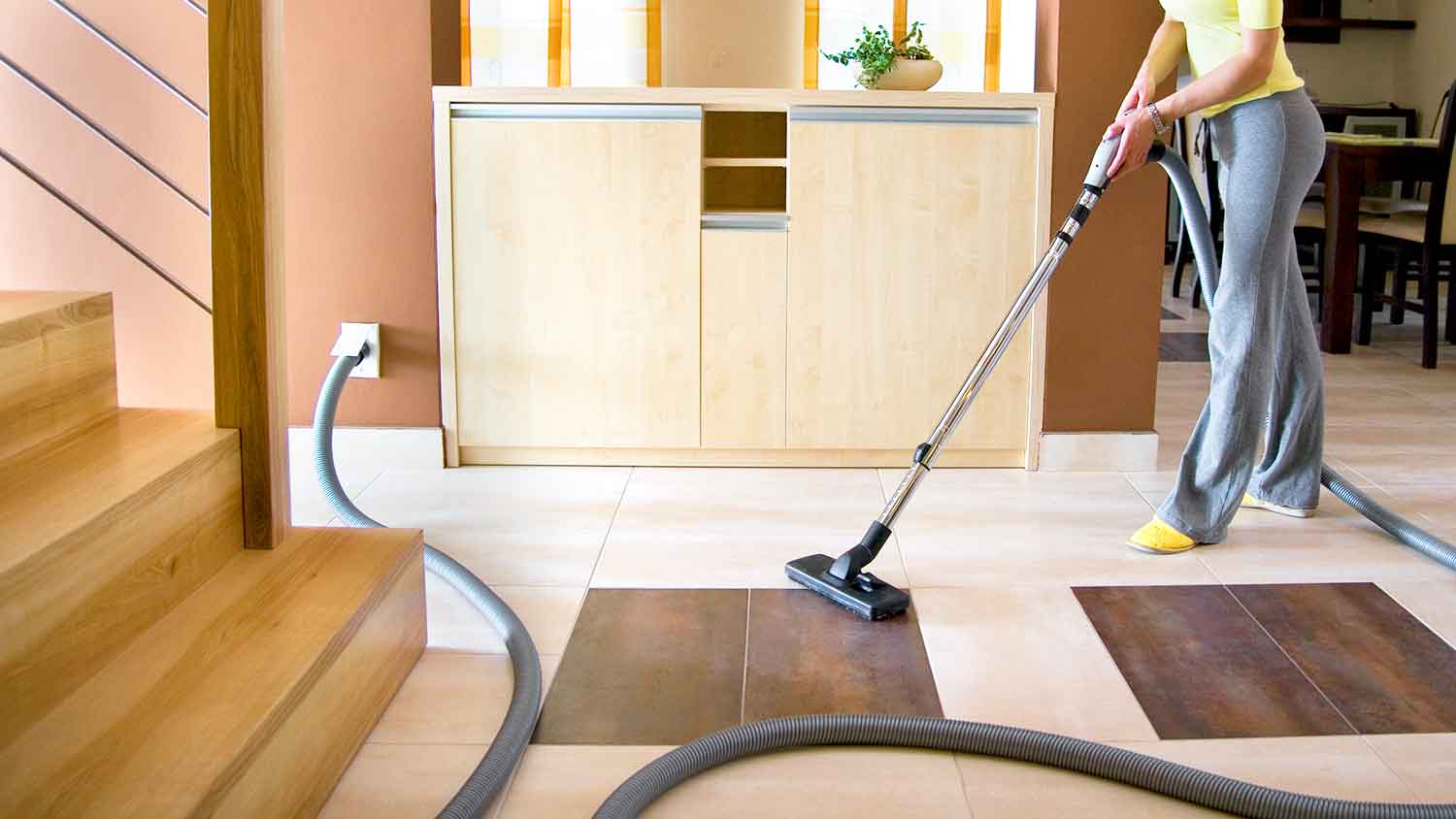
What is a central vacuum system? It can enhance your cleaning efficiency with ease—but is it right for your home? Learn pros, cons, installation costs, and more to make your decision.
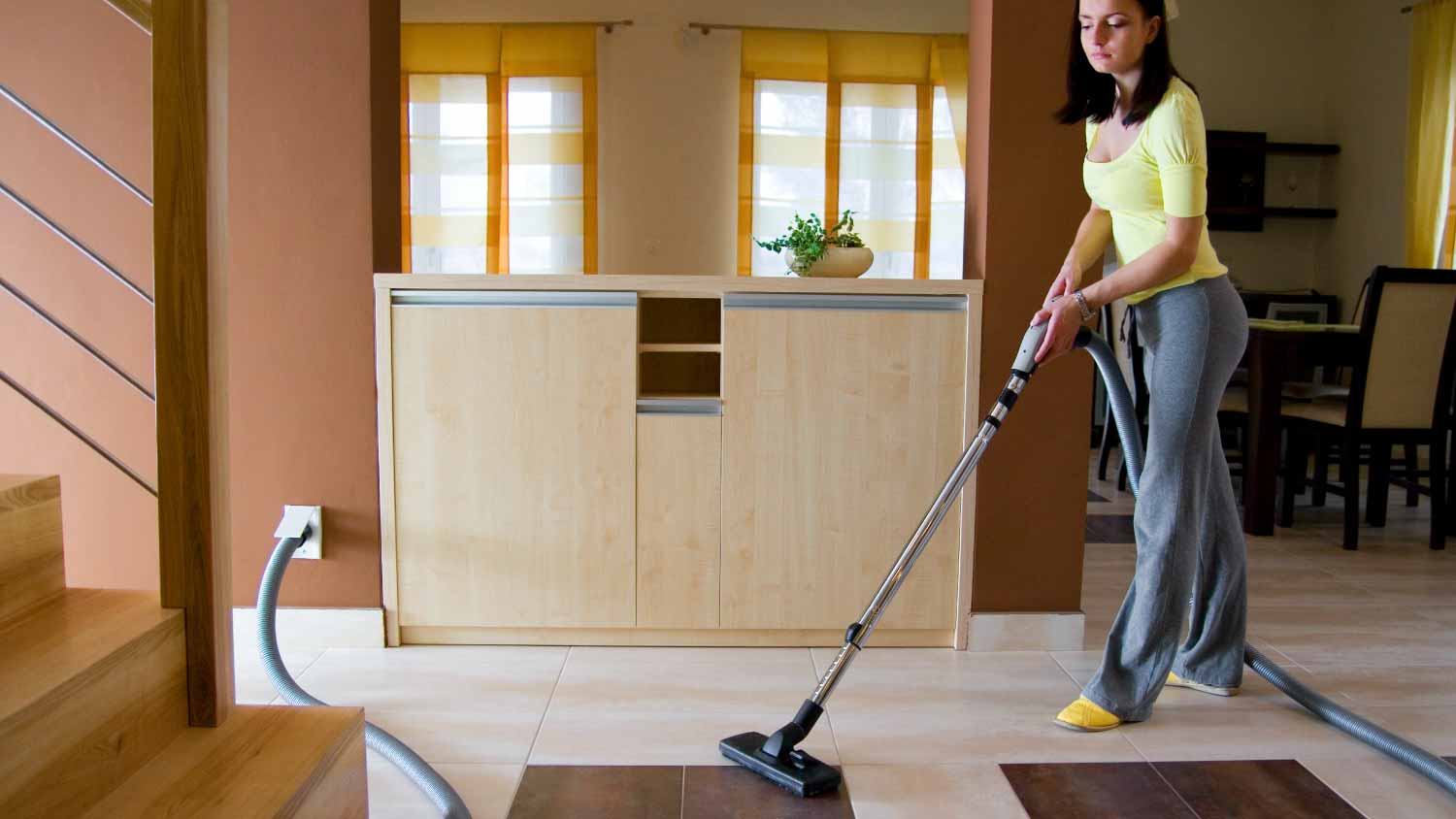
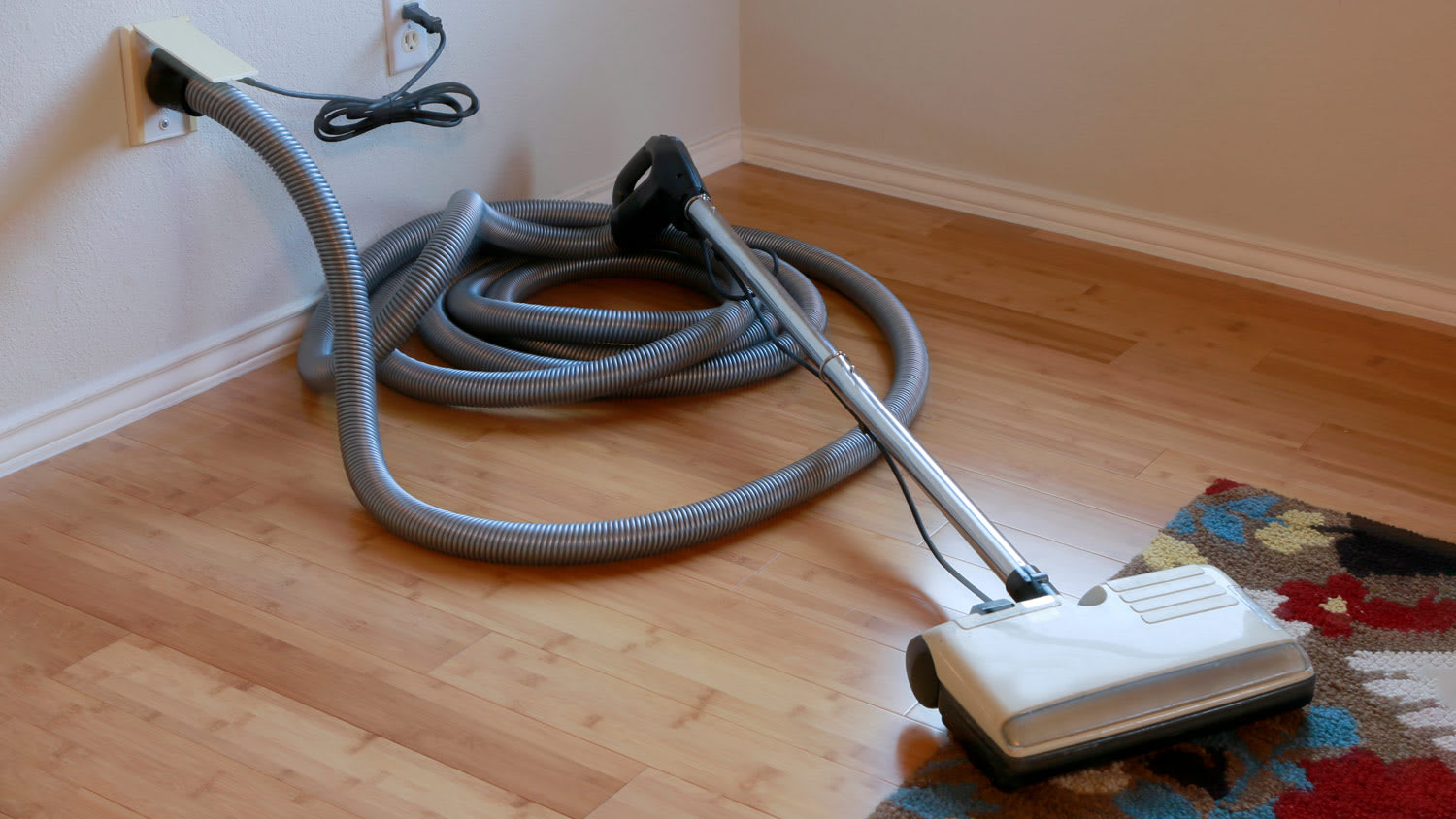
A central vacuum system is a strong, durable, and effective alternative to traditional vacuums. Use this guide to determine whether or not a central vacuum is right for your home.
Find the best central vacuum service repair pro for your home. Learn what questions to ask, qualifications to check, and how to hire a reputable technician.