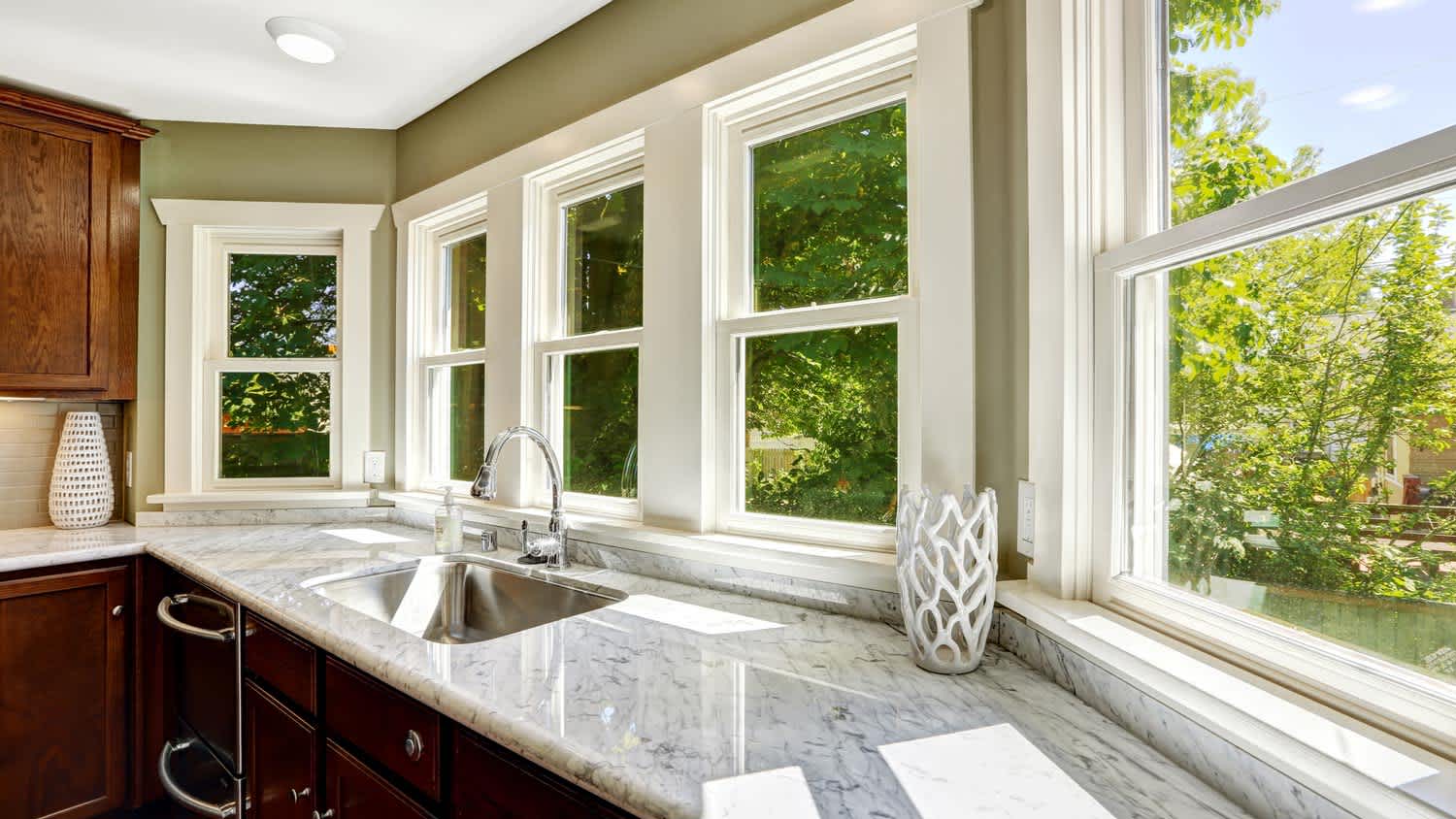
SC Vinyl is your area leader for all of your Residential and Commercial window Film needs. If you are dealing with Glare, Faded Furniture, and Hot spots in your Home, Window Film may be a good solution for you.\nWe offer top quality work with unmatched customer service, call SC Vinyl Today!\nThank you.
"Sales process was good, courteous and helpful. Installation instructions were easy to follow. Did have a small issue with one sensor which was easily solved with a call. Control panel is easy to use and well constructed. Phone app is the best part. Not a big fan of a 2 year contract and the monthly rate feels a little high, but definitely a decent system. I had emailed them a question pertaining installing on double hung windows and never received a reply, but other than that their phone support prior to that was good."
Yes, you can remove window tint from house windows. You can either use heat to loosen the film before peeling or scrape it away with a blade. You’ll also use a solution to wipe away any adhesive that still clings to the window.
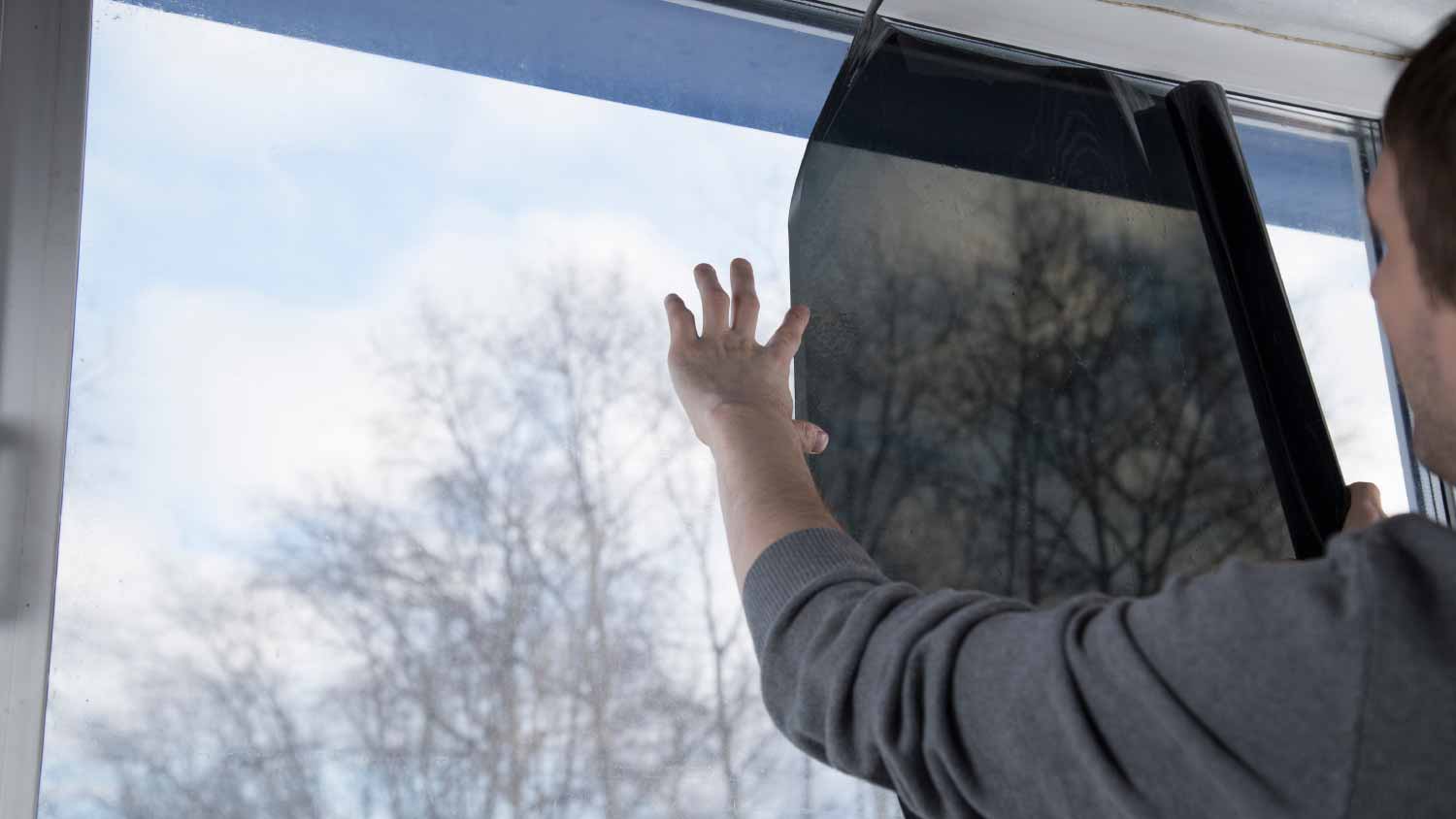
While it is possible to install home window tint yourself, it is a challenging task that is often best left to professionals. The process can be tedious and time-consuming, requiring steady hands and a great deal of patience, especially for a first-time installer.
Common mistakes in DIY applications include visible bubbles, imperfections, and film that either hangs over the edges or doesn't fully cover the glass. These errors not only look unprofessional and detract from your home's curb appeal but can also reduce the tint's effectiveness in blocking sunlight and heat. If you have struggled with applying protective films to smaller items like phones or tablets, you may find this task particularly difficult.
Attempting the installation yourself and making a mistake can lead to wasted material and the additional cost of hiring a professional to fix the issues or redo the job. Although hiring a professional involves labor costs, it typically guarantees a high-quality, seamless appearance and saves you from having to do the work over again.
Applying window security film yourself is possible, but we don’t recommend it. This task is simple in theory, but getting the product to sit on your windows evenly and without bubbles underneath is challenging for DIYers who lack the necessary experience and tools. You might save money on labor by applying it yourself, but you might also end up with a film that doesn’t look appealing, prompting you to start over and spend the money on a professional installation anyway. Plus, most window film manufacturers will void your warranty if you install the product yourself.
Most window installation and repair companies can handle putting tint film over your existing windows, but it’s best to hire a company that specializes in window tinting. This decision will result in the best application for the cleanest look, and it usually means you’ll get a better professional opinion about the type of tint and tint level that makes the most sense for your home and personal preferences.
Do not use Windex or any glass cleaner when applying window film. These products contain ammonia, which will damage the film. Instead, use the application solution provided with the installation kit. If there is no solution, make your own using 1 teaspoon of baby shampoo and a gallon of bottled water.
The Mill Hall, PA homeowners’ guide to window tinting services
From average costs to expert advice, get all the answers you need to get your job done.
Tinting your home’s windows can add privacy, increase energy efficiency, and block damaging UV rays. Find out who tints home windows so you can hire the best.