






Top-rated pool table assembly pros.

Get matched with top pool table assembly pros in Rutland, NY

Enter your zip and get matched with up to 5 pros

Need a pro for your pool table assembly project in Rutland, NY?

Select your specific project to find the pro for you.

TRUSTED BY RUTLAND, NY HOMEOWNERS

  • Average homeowner rating star icon4.4
    Average homeowner rating
  • Verified reviews icon109
    Verified pool table assembly services reviews

Find Pool table assembly pros in Rutland

Avatar for Ashwood Drywall
Ashwood Drywall
New to Angi
Handyman for Multiple Small Projects

Serving Rutland, NY and surrounding areas

Approved

In business since 2010

Free estimates

Credit card accepted

Ashwood Drywall is dedicated to providing our customers with the best quality and\ncraftsmanship. We are here to build relationships with our customers and communities and to provide\nour employees with a great place to work. We look forward to working with you!

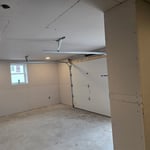
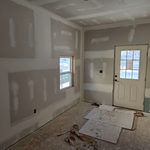
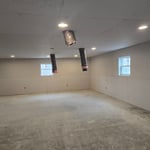
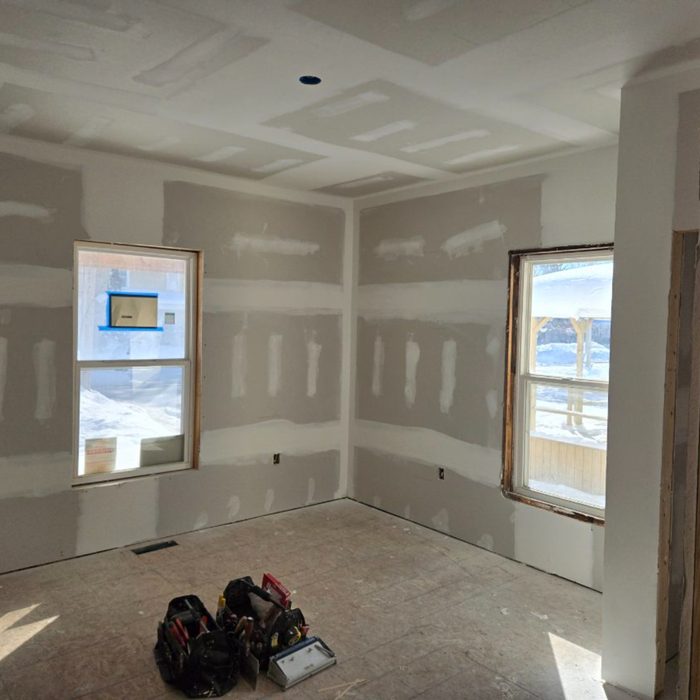
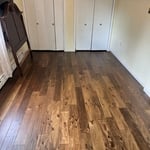
Project Photos
Project Photos
Project Photos
Project Photos
Project Photos

+4

2 neighbors recently requested a quote
...
Showing 1-10 of 83
Pool Table Assembly questions, answered by experts

A few factors influence the time it takes for a pool to heat up, including the size of your pool, the temperature outside, and how much direct sunlight is hitting the water in the pool. With these factors in mind, it takes 12 to 72 hours to raise the temperature in a pool by 20 degrees Fahrenheit.

While you can run a pool heater all day, it is advised only to run it during the day, as it is more energy efficient. At night, it is better to purchase a solar pool cover to retain the heat within the pool.

Building a pool yourself will take at least eight to 12 weeks. After all, this is the building timeline after hiring a pool contractor who knows how to draw up plans, analyze your landscape, and apply for proper permits. If you choose to tackle any part of the process alone, assume building a pool will take two to three months at a minimum.

No, pool jets should not have air coming out. While it’s a common problem, making it seem like air coming out is the norm, bubbling pool jets are a sign of loose bearings or fittings, or low water levels. You should get to the bottom of your jets releasing air bubbles because it could be a sign that there’s air entering the pump, which can shorten the lifespan of your pump or lead to costly repairs.

Pool leaks most commonly occur at joints or where different materials meet. The most frequent leak spots include:

  • The Pool Skimmer: Where the plastic skimmer meets the pool's liner or shell.

  • The Pool Liner: Tears can develop in vinyl liners, especially those between 5 and 20 years old. Leaks also occur around the liner's edge.

  • Fittings and Accessories: Areas around return lines, the main drain, and pool lights are common culprits.

  • Pool Equipment: The pump, filter, and filter housing can also leak.

While leaks in underground pipes are less common, they can be costly to fix. It's usually best to check the more common spots before investigating the plumbing system.

It depends on your priorities. Many homeowners enjoy the health benefits of a swim spa. The heated water boasts the benefits of a hot tub, which some people find helps relieve pain, increase circulation, and aid in stress relief. You’ll also be able to use it for exercise like you would a lap pool. It’s a two-in-one product.

The Rutland, NY homeowners’ guide to pool table assembly services

From average costs to expert advice, get all the answers you need to get your job done.