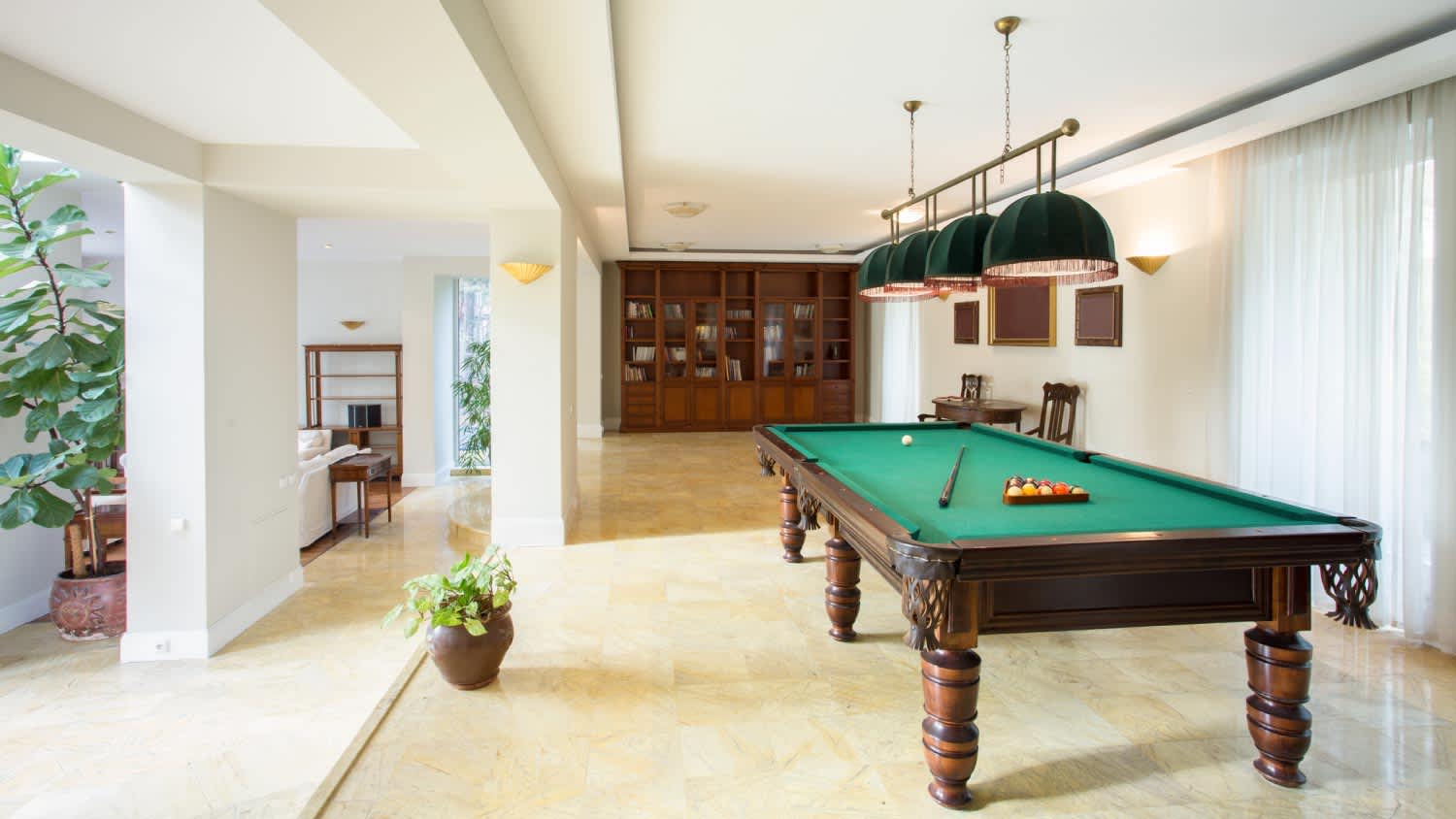




Top-rated pool table assembly pros.

Get matched with top pool table assembly pros in Pawnee City, NE

Enter your zip and get matched with up to 5 pros

Need a pro for your pool table assembly project in Pawnee City, NE?

Select your specific project to find the pro for you.

Find Pool table assembly pros in Pawnee City

Avatar for Anointed Power
Anointed Power
2.5(
27
)
Handyman for Multiple Small Projects

Serving Pawnee City, NE and surrounding areas

In business since 2007

Free estimates

"I hired Donald to build a sundeck around my pool, that was in dire need of repair. Not only was he prompt and curtious, but he was very helpful and gave me suggestions that I hadn't thought of! Kudos to this company, and his attentive and helpful crew! Thank you Anointed Power!!!"

cleaning and trash out

+136

Recommended by70%of homeowners
Pool Table Assembly questions, answered by experts

There are three types of pool filters—cartridge, sand, and D.E. (diatomaceous earth). Cartridge and sand filters are the most popular types and are affordable and easy to maintain. D.E. filters are more expensive and require more maintenance, but they are also very good at filtering out small particles.

An aboveground pool should be level within 1 inch—and it starts to become unsafe after a couple of inches. Any slope will lead to an uneven distribution of water, which will put pressure on your pool’s structure, wearing down the pool liner. In certain cases, it could cause your pool to collapse. Even if you’re within a safe window, you may still notice that the water level is uneven.

No, shock and chlorine are not the same thing, though they are related and both are used for pool maintenance. Regular chlorine, often in the form of tablets, is a sanitizer used for routine, day-to-day maintenance to keep a steady chlorine level. Pool shock, however, is a highly concentrated dose of chlorine used periodically for a more intense cleaning. It rapidly raises chlorine levels to fix issues like cloudy water or algae growth and also eliminates chloramines, which are byproducts of regular chlorination. Because their purposes and concentrations differ, they are not interchangeable, and proper pool care typically requires using both.

Calcium lumps in a pool are calcium deposits that form when a pool's water parameters are not in the normal range. They can float around on the surface of the pool water, making it look and feel dirty. The most common causes of calcium lumps in pools are calcium hardness above 1,000 ppm, alkalinity over 120, and a pH over 7.8. Keeping your pool’s calcium levels, alkalinity, and pH levels within the normal, safe ranges is the best way to prevent calcium lumps and other problems, including damage to the pool surface.

The depth of your pool depends on its intended use, the size of your lawn, and whether you opt for an in-ground or aboveground pool. Aboveground pools tend to be between four and six feet deep while in-ground pools range anywhere from three to eight feet. Permanent installations also have the option of shallow and deep ends.

The Pawnee City, NE homeowners’ guide to pool table assembly services

From average costs to expert advice, get all the answers you need to get your job done.