






Top-rated fountain pros.

Best fountain pros near Rugby, ND

Enter your zip and get matched with up to 5 pros

Need a pro for your fountain service project in Rugby, ND?

Select your specific project to find the pro for you.

Top-Rated Fountain pros in Rugby - Updated Nov 2026

Avatar for Bagwells Landscaping and Lawn Maintenance, Inc.
Bagwells Landscaping and Lawn Maintenance, Inc.
4.5(
20
)
Water Feature - Install a Fountain or Waterfall

Serving Rugby, ND and surrounding areas

In business since 1996

Free estimates

Emergency services offered

"Hired to remove snow from my roof. Attention to detail and attitude was amazing considering they worked in -30 degree wind chill. Job was completed in a timely manner with excellent results. They even cleaned my driveway and sidewalk leading to my backyard as part of the project. Excellent work and I'd highly recommend Bagwells to anyone. We have another winter storm coming, so I'll be hiring them again. Outstanding!"
Spring/fall clean up
Trees trimmed fall clean up
Fall cleam up
New porch with walk ways and rock beds
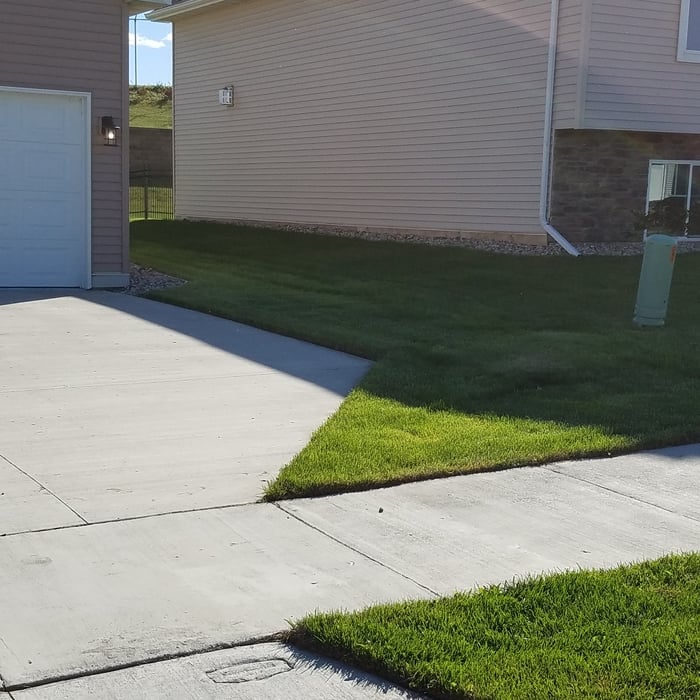
Lawn maintenance

+7

Response time1 day
Recommended by94%of homeowners
Fountains FAQs, answered by experts

Frogs may love your yard and want to take up residence for several reasons. Yards can offer a moist environment or access to water. Frogs also eat insects—your yard may offer a steady stream of their preferred diet, such as grasshoppers, crickets, fruit flies, and more.

Lifespans vary by material and manufacturer, but pond liners last anywhere from 10 to 75 years. For example, polyvinyl chloride (PVC) pond liners have a life expectancy of up to 20 years. Other types of pond liners, including those made of high-density polyethylene (HDPE) and ethylene propylene diene monomer (EPDM), can last 40 to 50 years.

A good rule of thumb is to change 5% to 15% of your koi pon’s water every week. Partial water changes help keep your koi healthy, and replacing small amounts at a time prevents causing stress for the fish.

In addition to length and width, pond liners also come in various thickness levels. Thickness is measured in mils, a unit of measurement equal to one-thousandth of an inch, with most pond liners ranging from 15 to 60 mils in thickness. The smaller the number, the thinner (and weaker) the liner. To prevent rips and tears, it’s best to choose a pond liner that’s at least 30 mils thick.

While they’re popular and have a lot of pros, the cons of river rocks include the following:

  • River rocks don’t break down or provide nutrients to plants. 

  • These stones can get hot and scorch nearby plants. 

  • River stones may heat the surrounding soil to inhospitable temperatures. 

  • Rocks can block rainwater from seeping into the ground if installations are too thick or tightly packed.

Most downsides occur when using river rock as mulch in gardens and flower beds. However, you can still incorporate river rocks into your landscape as long as you use them in the correct ways.

The Rugby, ND homeowners’ guide to fountain services

From average costs to expert advice, get all the answers you need to get your job done.