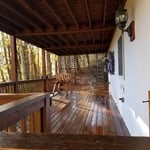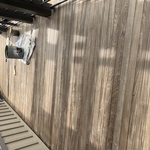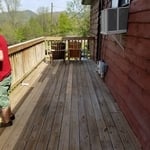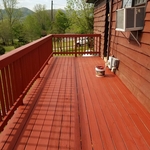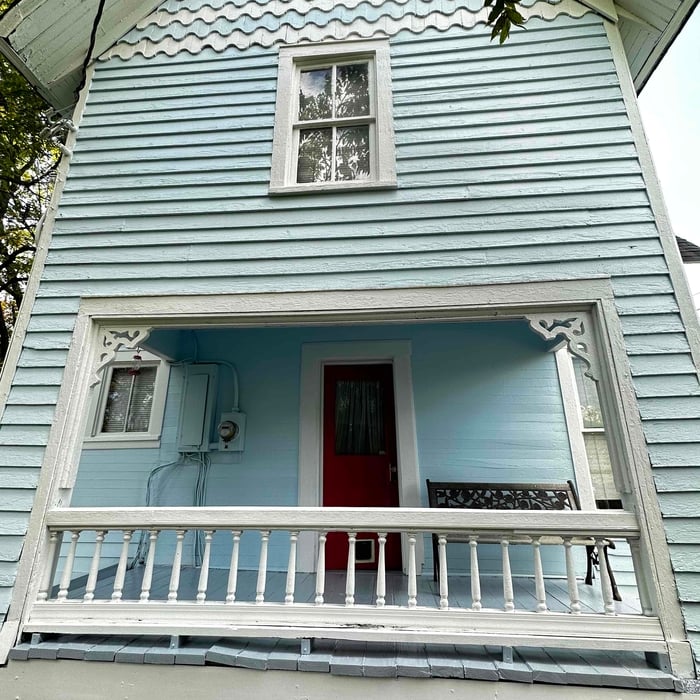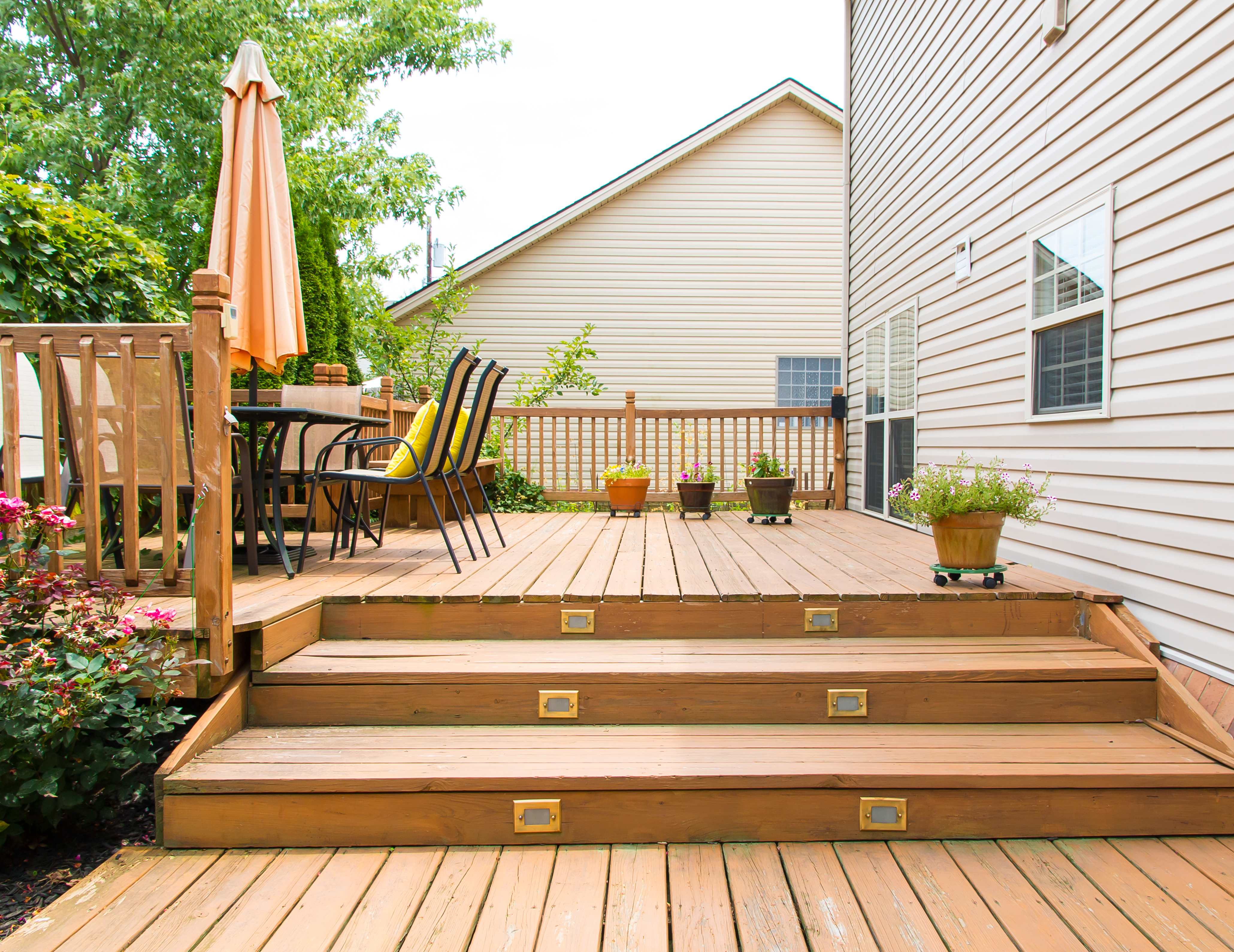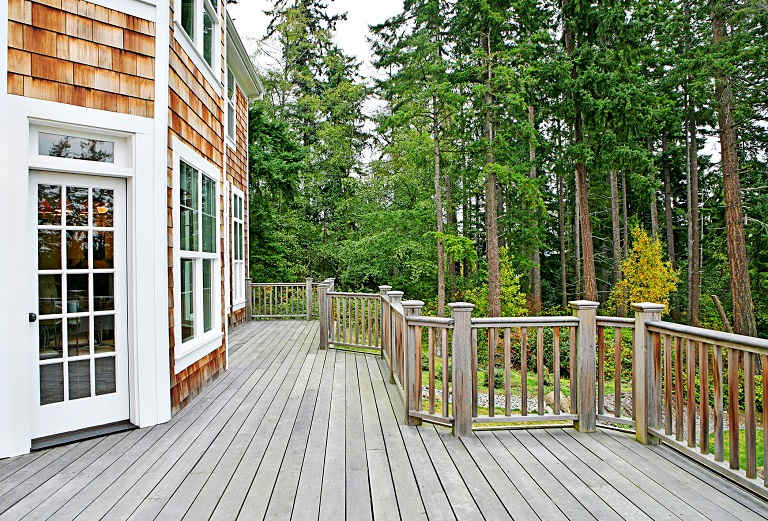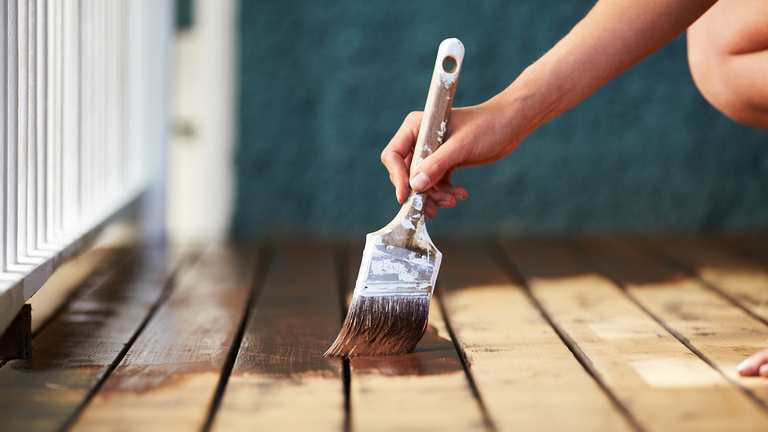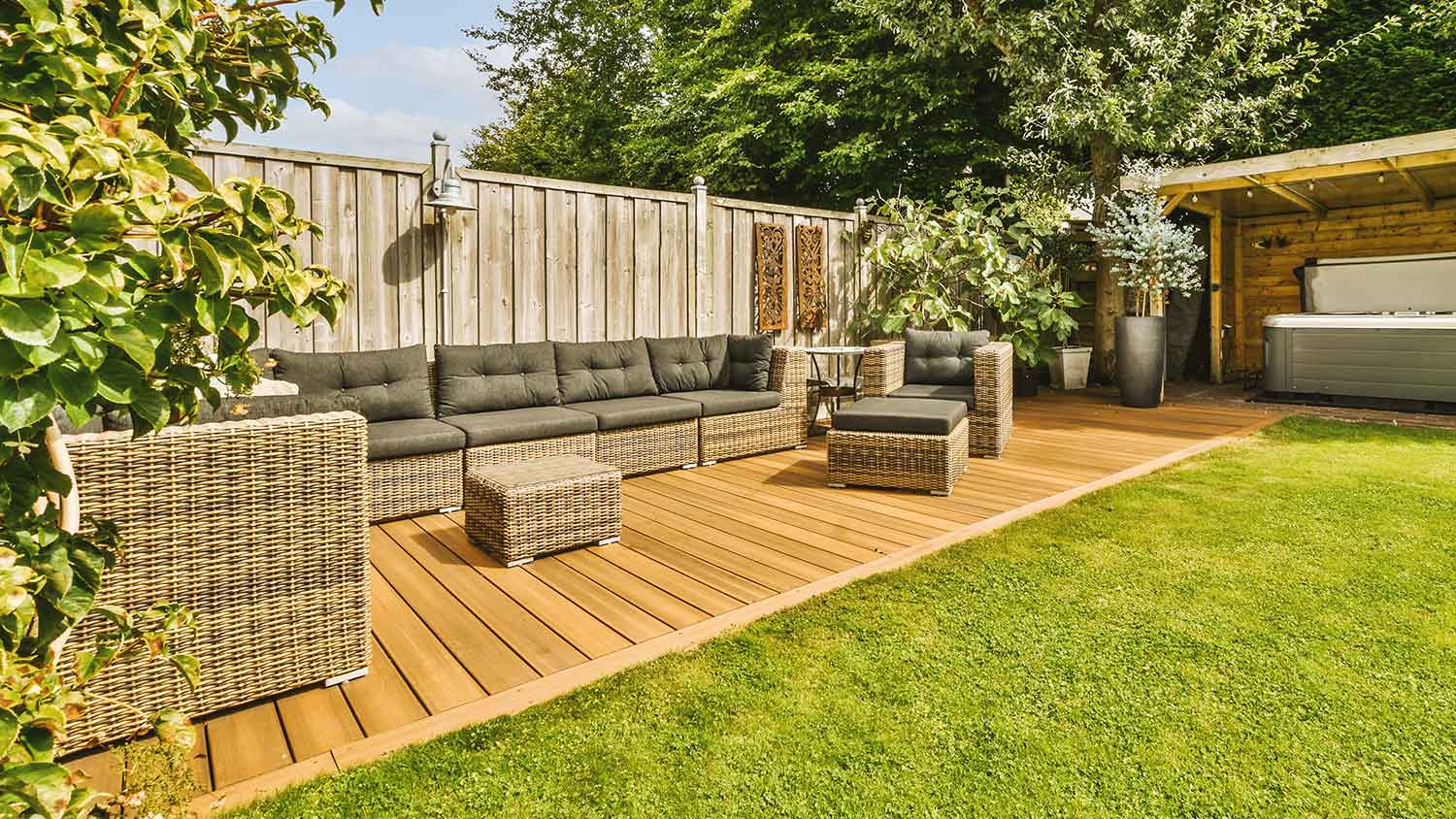




It’s a good idea to sand your porch before painting. This will remove loose or chipped paint and debris, and give you a cleaner surface so that your new paint goes on smoothly. But if the existing surface is in good condition, it’s not necessary to sand your porch before you paint.
Applying a sealer or topcoat after staining wood is highly recommended, though not always strictly required. A sealer protects the wood from moisture, UV rays, and weather-related issues, which is especially important for outdoor surfaces like decks and fences. It also enhances the stain's durability, prevents fading over time, and gives the wood a cleaner, more professional-looking finish. For some indoor applications, a sealer may not be necessary, depending on the type of stain used and the level of protection needed. It's always best to check the stain manufacturer's recommendations and consider the wood's intended use and exposure when deciding whether to apply a sealer.
For homes in areas with extreme weather, high heat, or intense sun exposure, high-quality acrylic paint is the best option. Acrylic paint is durable, resistant to both heat and cold, and provides a protective barrier with excellent UV resistance. For best results, look for acrylics that contain natural earth pigments, which are better suited for resisting sun damage. While oil-based paint is also durable, it can be prone to fading in high heat and can become too viscous to apply easily in cold temperatures. Additionally, choosing a neutral or light color like gray, beige, or white can help, as these colors absorb less heat than darker shades.
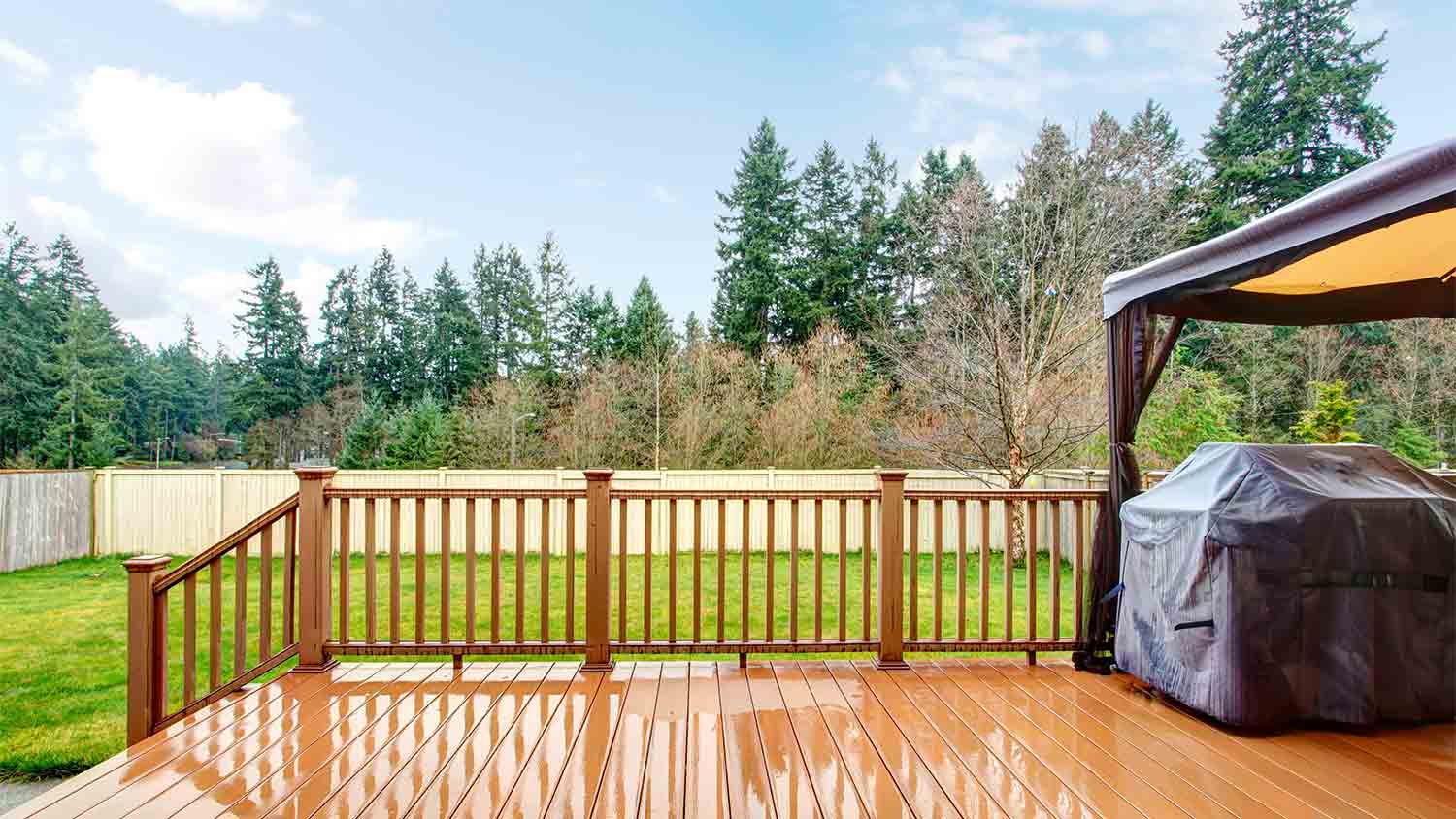
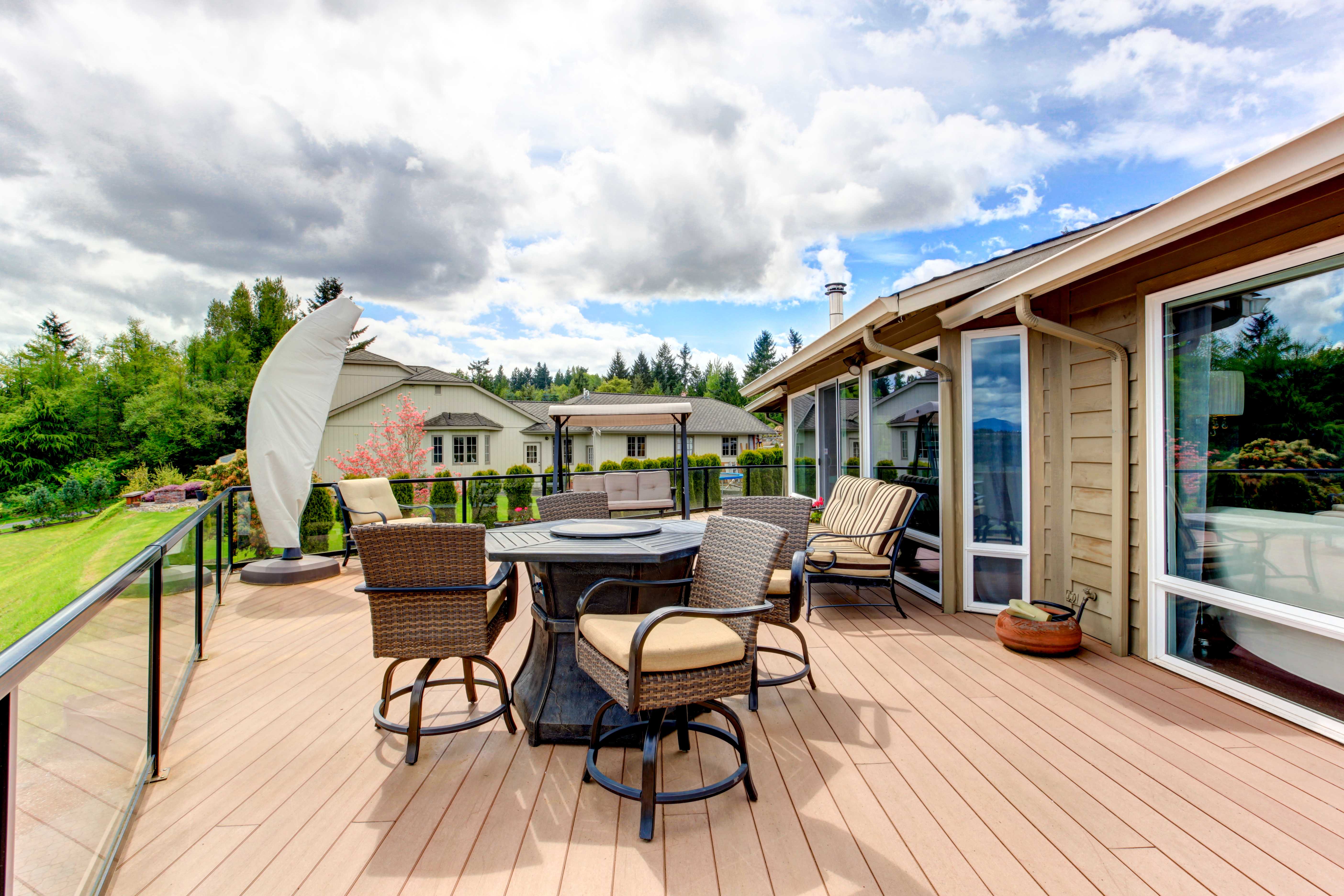
Satin paint is generally considered a better choice for woodwork—including trim, baseboards, cabinets, and doors—than flatter finishes like eggshell or matte. Its soft sheen enhances architectural details and stands up well to frequent cleaning and daily wear. Compared to eggshell and matte finishes, satin is more durable for high-touch areas because it is less porous and doesn't absorb dirt as easily. Matte finishes, in particular, are prone to scuffs and are harder to clean, making them less practical for surfaces like doors and cabinets.
Avoid using cleaning products that are abrasive or contain bleach or acidic components on composite decking to avoid discoloration. Early-generation Trex decking isn’t designed to handle pressure washer cleaning—and if you use them on second-generation boards, always use a low setting to avoid the risk of damage that can risk voiding your warranty.
The Lenoir, NC homeowners’ guide to deck staining services
From average costs to expert advice, get all the answers you need to get your job done.
Cedar is a popular decking material, best known for its natural wooden look and resistance to rot. So, how much does a cedar deck cost? Find out in this guide.
It's important to know the right terminology when taking on the task of staining your deck. Take a look at the deck maintenance terms every homeowner should know.