





Top-rated drapery cleaners.

Get matched with top drapery cleaners in Terry, MS

Enter your zip and get matched with up to 5 pros

Need a pro for your drapery cleaning project in Terry, MS?

Select your specific project to find the pro for you.

Find Drapery cleaners in Terry

Showing 1-10 of 22
Drapery Cleaning questions, answered by experts

First, ensure your clothes are clean before you pack them. When packing, make sure they’re folded and stored within the container with enough room to breathe. For extra protection, try using cedar chips or lavender sachets, which naturally repel bugs. Lastly, periodically checking in on your clothes will help you stay aware of their condition.

You should avoid using a pressure washer on any surface or item that could be damaged by the high-pressure spray, as some materials are too delicate to withstand the force.

Key items and surfaces to avoid include:

  • Electrical Components: Never pressure wash electrical systems, as water can cause short-circuits and create a safety hazard. This includes utility meters, breaker boxes, electrical outlets, generators, and HVAC or air conditioner units.

  • Delicate and Fragile Materials: Fragile items can crack, shatter, or be stripped by the pressure. Avoid pressure washing windows, glass, light fixtures, shingled roofs (especially asphalt), and stucco.

  • Painted, Stained, or Sealed Surfaces: Unless your goal is to strip the finish, do not pressure wash painted surfaces, stained wood (like decks), or anything with a protective seal that could be stripped away. Be especially cautious with older surfaces that may contain lead paint.

  • Soft Woods and Certain Decking: Delicate surfaces like softwood, composite decking, and antique or wooden patio furniture can be etched or damaged. If you must wash wood, use a lower-powered pressure washer with a wide-angle nozzle to prevent damage.

  • Living Things: Never use a pressure washer on people, pets, or plants. The force can cause serious injury and will destroy landscaping.

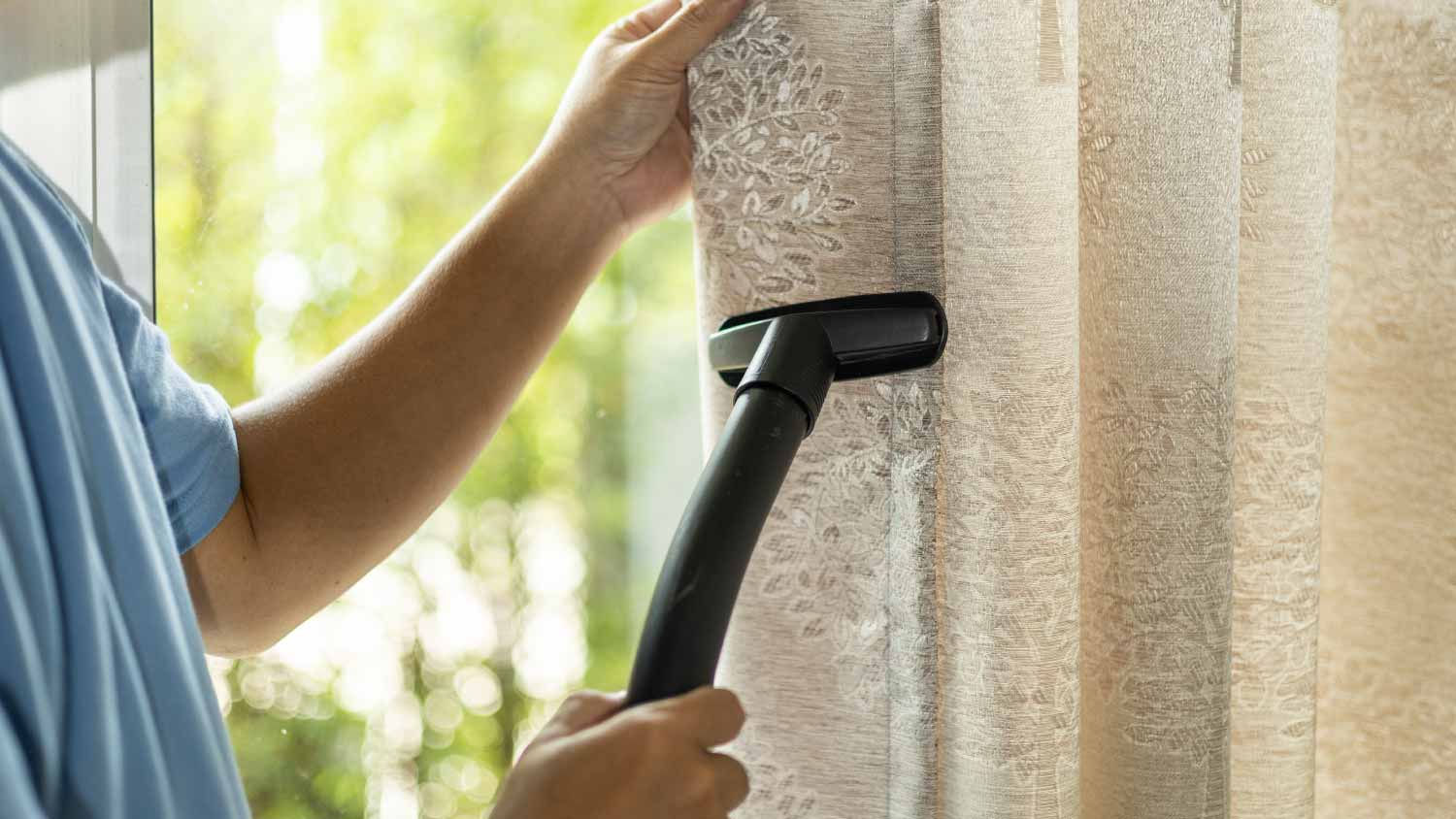
Regular vacuuming, spot cleaning, and dust-resistant sprays can help maintain freshness and prolong the time between professional cleanings.

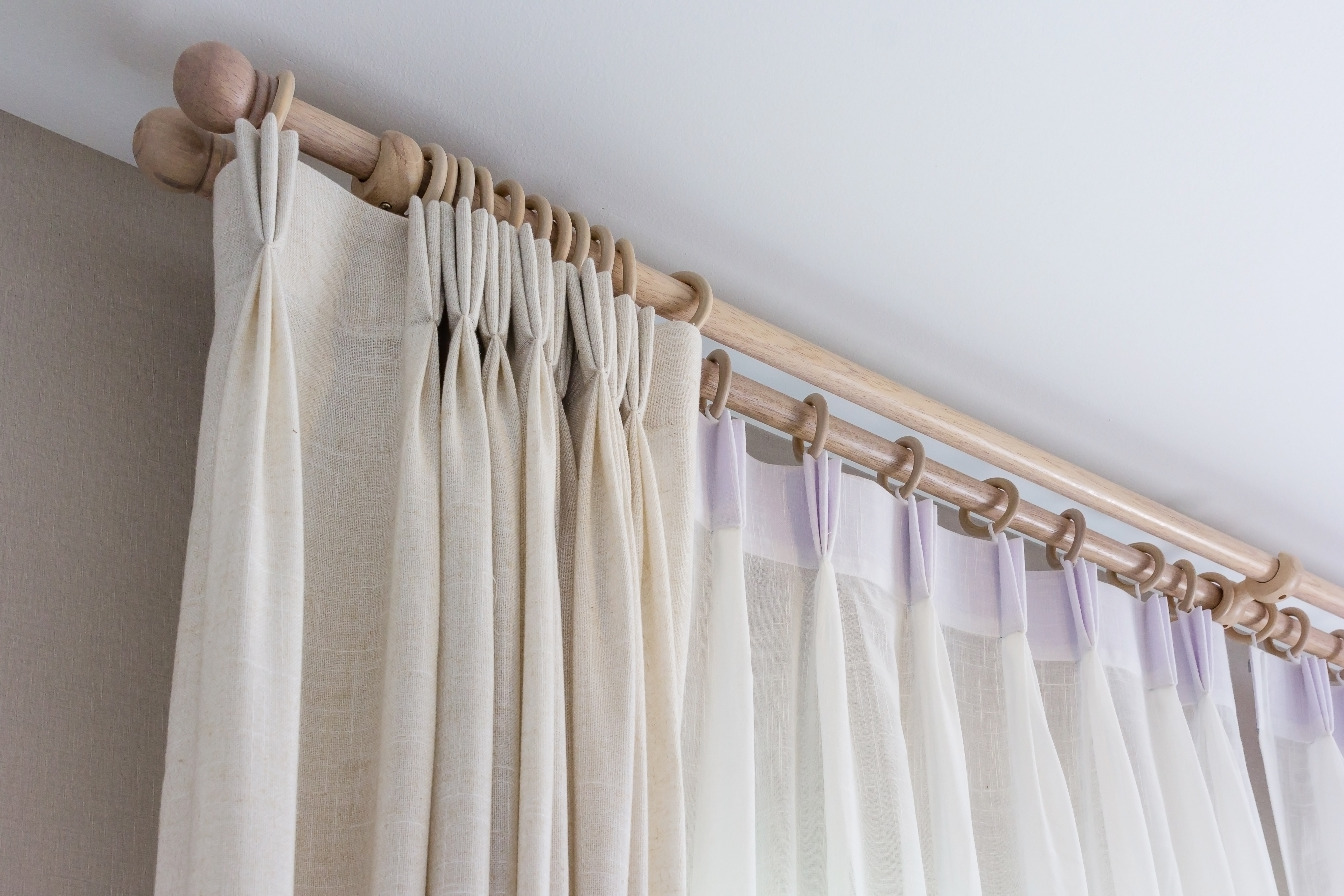
The best way to clean drapes or curtains depends on the fabric. Always check the care tag for instructions before attempting to wash them.

You can typically clean drapes yourself if they are made of durable materials like cotton, cotton blends, polyester, or burlap, which can often be machine-washed. However, some fabrics can be hand-washed.

For delicate materials such as linen, silk, velvet, lace, sateen, or wool, it is best to hire a professional drapery cleaner. These fabrics are often dry-clean only and can be damaged, shrink, or be destroyed by machine washing or using the wrong cleaning solutions.

If the care tag is missing, the drapes are old, thin, brittle, or have existing damage like pulls or tears, it's safest to have them professionally cleaned. A professional will use the correct methods and solutions for a safe, deep cleaning.

You probably have mold on your shower curtains because mold and mildew thrive and spread in warm, dark, wet, and unventilated spaces. Your shower is the perfect environment, especially the shower curtains, because they trap water in the folds and creases, plus they’re exposed to the most water spray. The best way to ensure mold stays off your shower curtains is to keep it dry so it doesn’t have a place to grow. Doing this can also help keep mold off your bathroom ceiling.

The Terry, MS homeowners’ guide to drapery cleaning services

From average costs to expert advice, get all the answers you need to get your job done.