



Top-rated window tinters.

Get matched with top window tinters in Eagleville, MO

Enter your zip and get matched with up to 5 pros

Need a pro for your window tinting project in Eagleville, MO?

Select your specific project to find the pro for you.

Find Window tinters in Eagleville

Avatar for Frontpoint
Frontpoint
4.7(
8,819
)

Serving Eagleville, MO and surrounding areas

In business since 2007

Free estimates

Emergency services offered

"Sales process was good, courteous and helpful. Installation instructions were easy to follow. Did have a small issue with one sensor which was easily solved with a call. Control panel is easy to use and well constructed. Phone app is the best part. Not a big fan of a 2 year contract and the monthly rate feels a little high, but definitely a decent system. I had emailed them a question pertaining installing on double hung windows and never received a reply, but other than that their phone support prior to that was good."
Recommended by93%of homeowners

Avatar for Sharp's Construction
Sharp's Construction
New to Angi

Serving Eagleville, MO and surrounding areas

In business since 2022

Free estimates

With years of experience in the construction industry, we are the experts you need to take care of your home. We handle all of your home improvement needs with great care. We will treat your home as we would treat our own. Give Sharp's Construction a call today, we look forward to working with you!

Vacation home
Vacation home
Vacation home
Vacation home
Vacation home

+19

Response time30 mins
Window Tinting questions, answered by experts

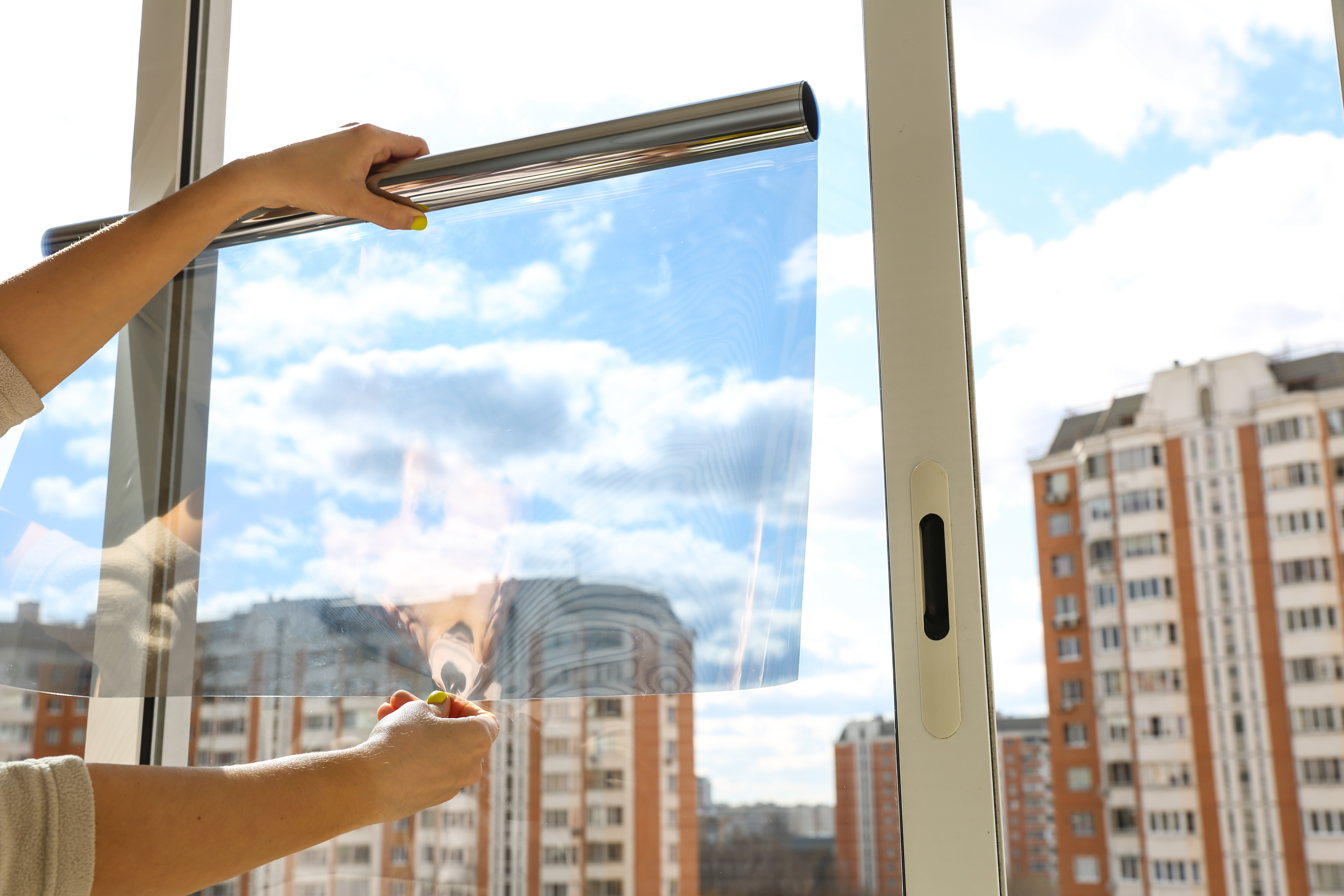
Whether window film is better depends on individual preferences and specific needs. In some instances, window film can be much less costly to install. Aesthetics is also a deciding factor. Window film may have a more significant appeal for design minimalists looking for a clean and streamlined look without the heaviness that comes with curtains. On the flip side, they can also appeal to design maximalists looking for creative expression in the form of color, patterns, and texture. Choosing between window film and traditional window coverings depends on factors like desired functionality, aesthetics, and personal preferences.

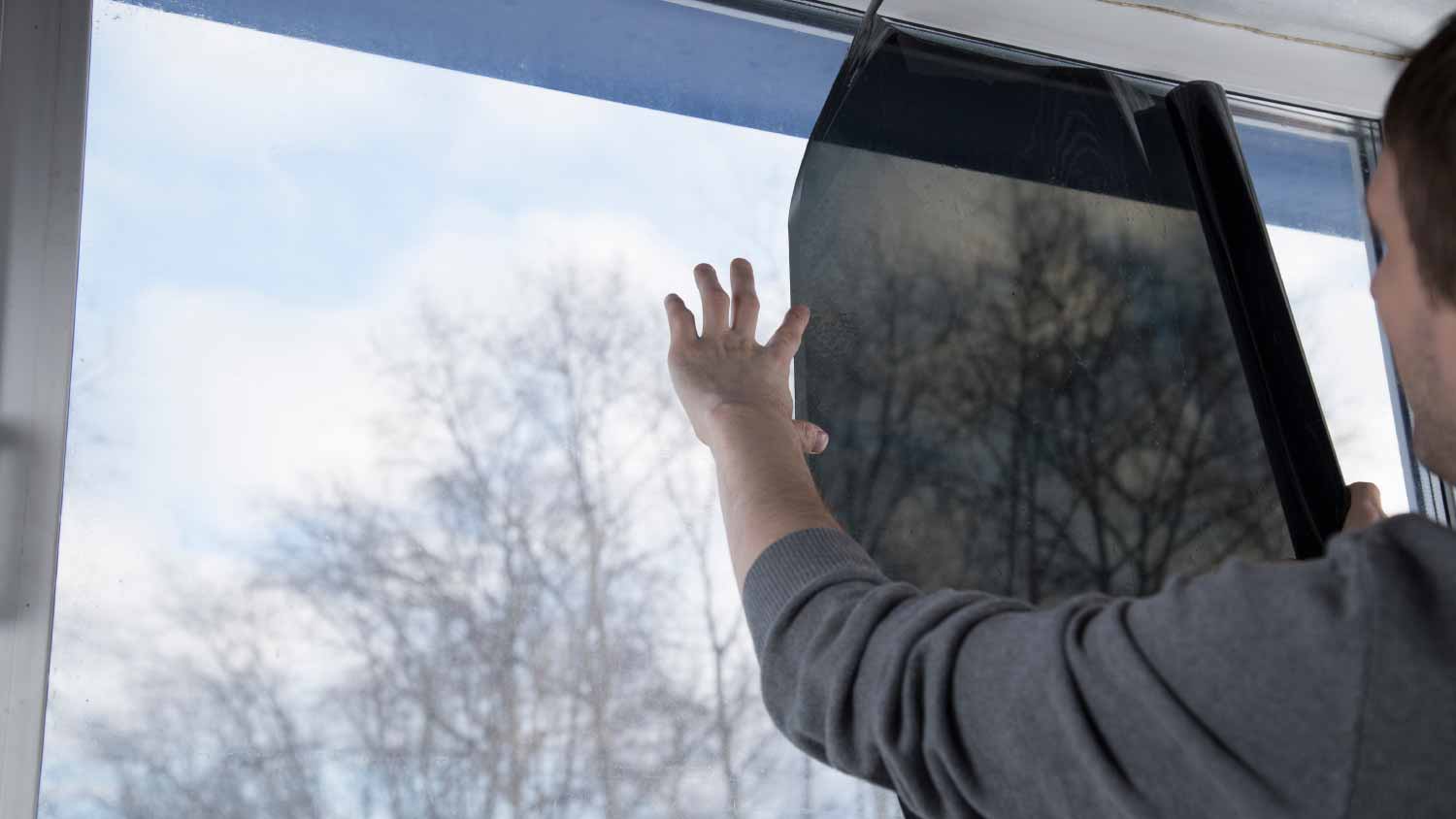
DIY is possible, but professional application ensures even adhesion, bubble-free results, and longer-lasting performance.

The lifespan of window tinting depends on several factors, but a high-quality, professionally applied tint can last anywhere from 5 to 25 years, with premium tints lasting at least 15 to 20 years. Key factors influencing longevity include the quality of the film, the professionalism of the installation, and the type of window. Some companies offer lifetime warranties, while others may only provide a one-year warranty or none at all, so it's wise to verify this with your service provider. To prolong the film's life, clean it gently with a microfiber towel and mild cleaning solutions. Avoid harsh, abrasive, alcohol-based, or ammonia-based cleaners, as well as sharp tools or scrubbers, which can damage the surface.

The most popular tint percentage for home windows is 35%. Generally, most homeowners choose a visible light transmission (VLT) between 50% and 35%, where lower numbers mean less sunlight enters the home. A 35% tint blocks over half the incoming light while still allowing plenty of natural light, which can improve energy efficiency and comfort. If privacy is a primary concern, you can opt for a tint of 50% or lower to make it more difficult for people to see inside. However, keep in mind that very dark, thick tints may offer fewer energy-efficiency benefits.

Unlike cars, there are no laws regulating window tint percentages on homes, so you can choose what you think is best. It is often a good idea to hire a professional, as they can show you samples of how different tint levels will look in your specific property, helping you make the right choice.

Energy-efficient windows are judged on their performance according to a few different factors, including heat transfer, air leakage, light transference, and condensation resistance. If you're unsure whether a window is energy-efficient, look for an ENERGY STAR® label from the U.S. Environmental Protection Agency (EPA). If various products, including windows, meet energy-efficiency standards set by the federal government, the EPA issues this label to help consumers identify energy-efficient products.

The Eagleville, MO homeowners’ guide to window tinting services

From average costs to expert advice, get all the answers you need to get your job done.