"Sales process was good, courteous and helpful. Installation instructions were easy to follow. Did have a small issue with one sensor which was easily solved with a call. Control panel is easy to use and well constructed. Phone app is the best part. Not a big fan of a 2 year contract and the monthly rate feels a little high, but definitely a decent system. I had emailed them a question pertaining installing on double hung windows and never received a reply, but other than that their phone support prior to that was good."
Here at Onyx Window Tinting, we are locally owned and operated. No job is too big or too small. Call us today for a free estimate! We are looking forward to going above and beyond on your project soon!
Sun Solutions., For all your Heat, Glare & Fading problems call the professionals. My name is Phil Birdsye I have been in the window film indutry for 20 years. I formed Sun Solutions in 2004 after I sold Elite Tinting & Graphics in Duluth, MN, since then I regained ownership of Elite & now have both companies under one roof. My websites are www.sunproblems.com & www.elitetintingandgraphics.com. I carry Vista, LLumar & Enerlogic Window Films. We sell Halcyon & sheere-weave sunshades and ship to all states. Sun Solutions Installs window film in Minnesota & Wisconsin as well as all other states through our dealer network of professional Vista window film installers.
I take great pride in our experience, expertise, quality, and customer service that I provide to meet the consumer's needs. It is my mission to provide excellent workmanship and complete customer satisfaction from start to completion of a project. In order to understand the needs and expectations of my customers, we take great care to work and communicate with every customer in a professional manner. My reputation is based on service, safety, and quality, regardless of how large or small the job.
Window security film won’t prevent break-ins or stop your window from shattering from impact during extreme weather like hurricanes or tornadoes. However, applying security film is relatively inexpensive, and it can make breaking into your home significantly harder—often hard enough to deter burglars entirely—and keep your window from shattering on your floor after impact. For these reasons, window security film is often a worthwhile investment that helps protect your property.
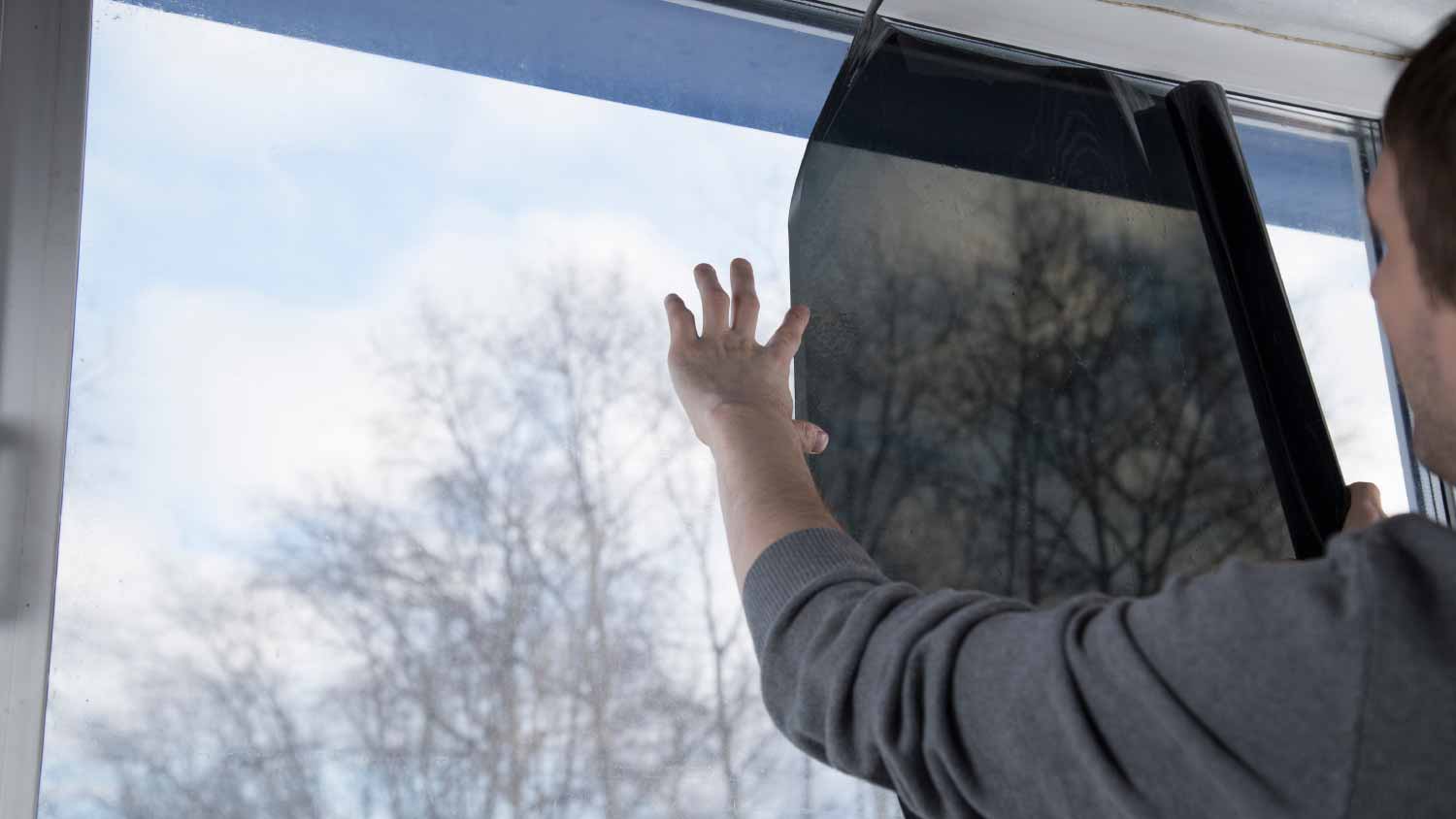
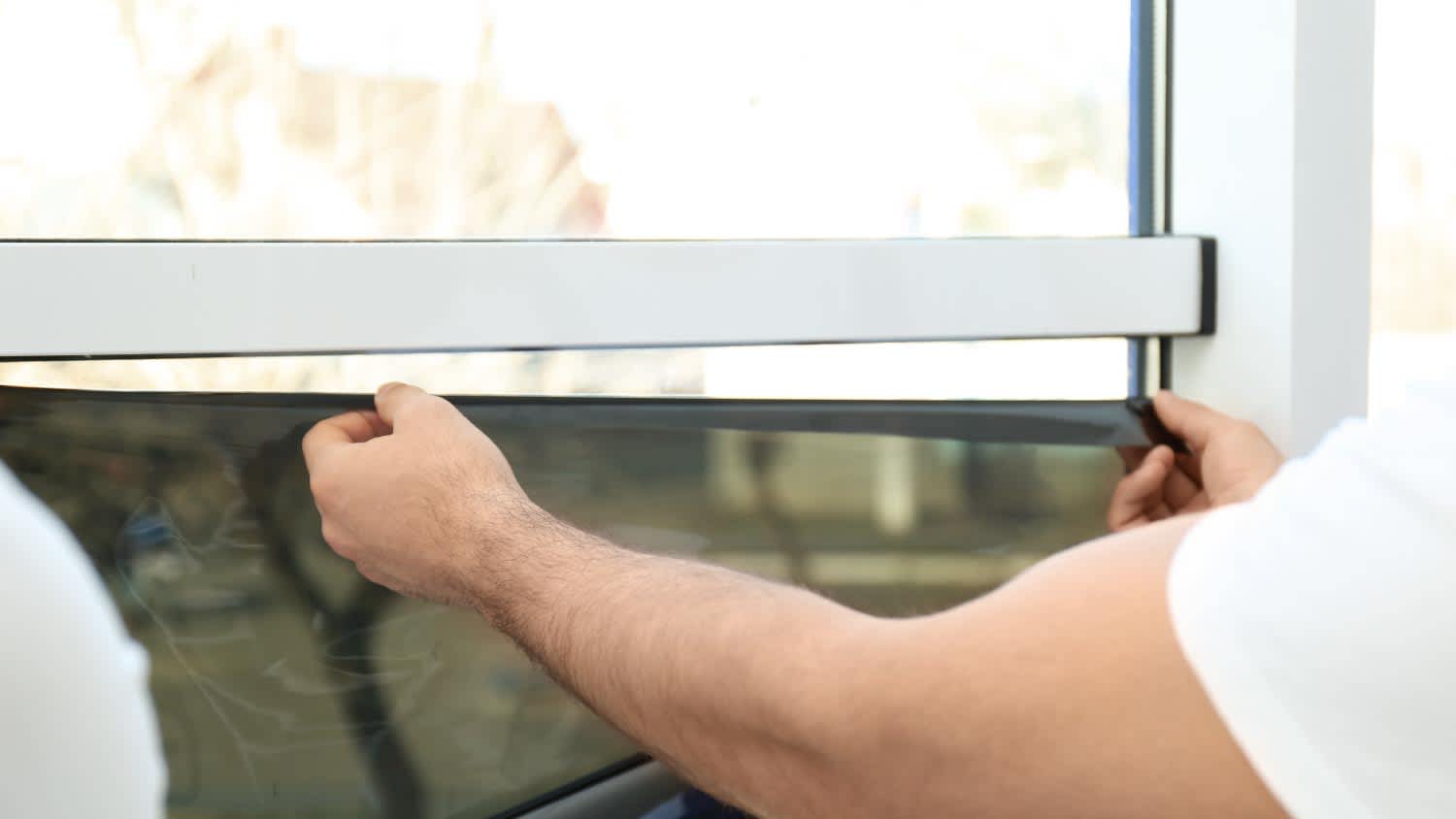
Do not use Windex or any glass cleaner when applying window film. These products contain ammonia, which will damage the film. Instead, use the application solution provided with the installation kit. If there is no solution, make your own using 1 teaspoon of baby shampoo and a gallon of bottled water.
Most installations take 1-3 days, depending on the number and size of windows.
Expert installation optimizes insulation properties, cutting energy costs and enhancing home comfort year-round.
Energy-efficient windows are judged on their performance according to a few different factors, including heat transfer, air leakage, light transference, and condensation resistance. If you're unsure whether a window is energy-efficient, look for an ENERGY STAR® label from the U.S. Environmental Protection Agency (EPA). If various products, including windows, meet energy-efficiency standards set by the federal government, the EPA issues this label to help consumers identify energy-efficient products.
The Foreston, MN homeowners’ guide to window tinting services
From average costs to expert advice, get all the answers you need to get your job done.
Can I tint my house windows? Home window tinting is a small upgrade that can yield major benefits. Here’s everything you need to know before taking the plunge.