"I reached out to Wise Choice to have my old fence and driveway gate replaced and they absolutely delivered! I was very impressed with the level of customer service and the quality of the work performed. They've helped me with multiple projects this summer from fencing to roofing and I would gladly hire them again for my next project!"
J&M was created as a business that will eventually be handed down to my sons. The tasks the business handles are those that require general building and maintenance skills. Any skills acquired for these jobs were ones that I learned from my dad or grandfather, both of which were licensed builders. I stand behind all work the business does with a 100% money back guarantee.
"Just one word to describe their service.... Awesome! I was in an urgent need to fix my bathroom glass door. I live in the suburbs and despite traffic and same day rush, they arrive and fixed the door. They are very professional and service is top quality. I certainly recommend giving them a call if you need someone to do the job once and well done."
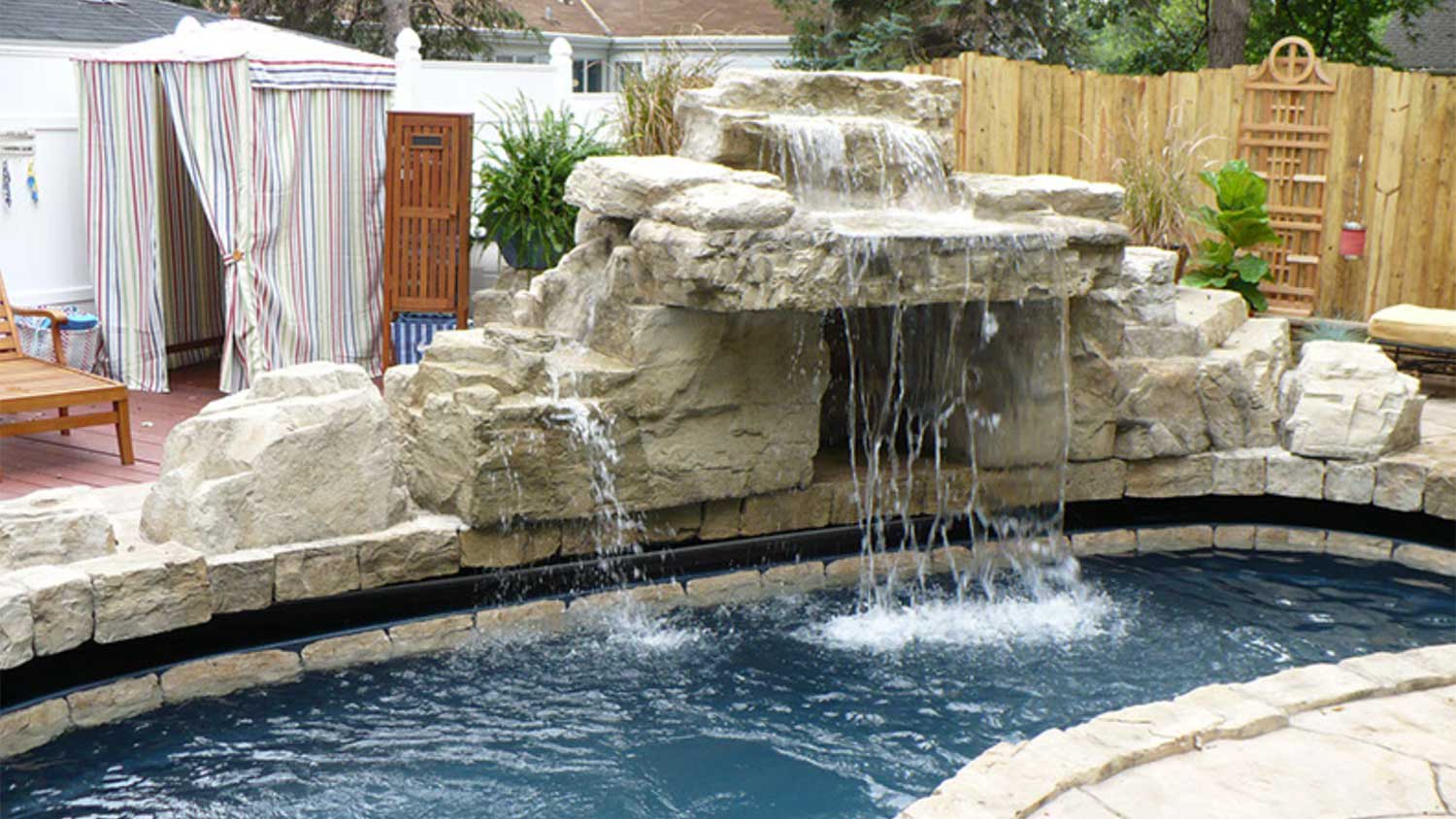
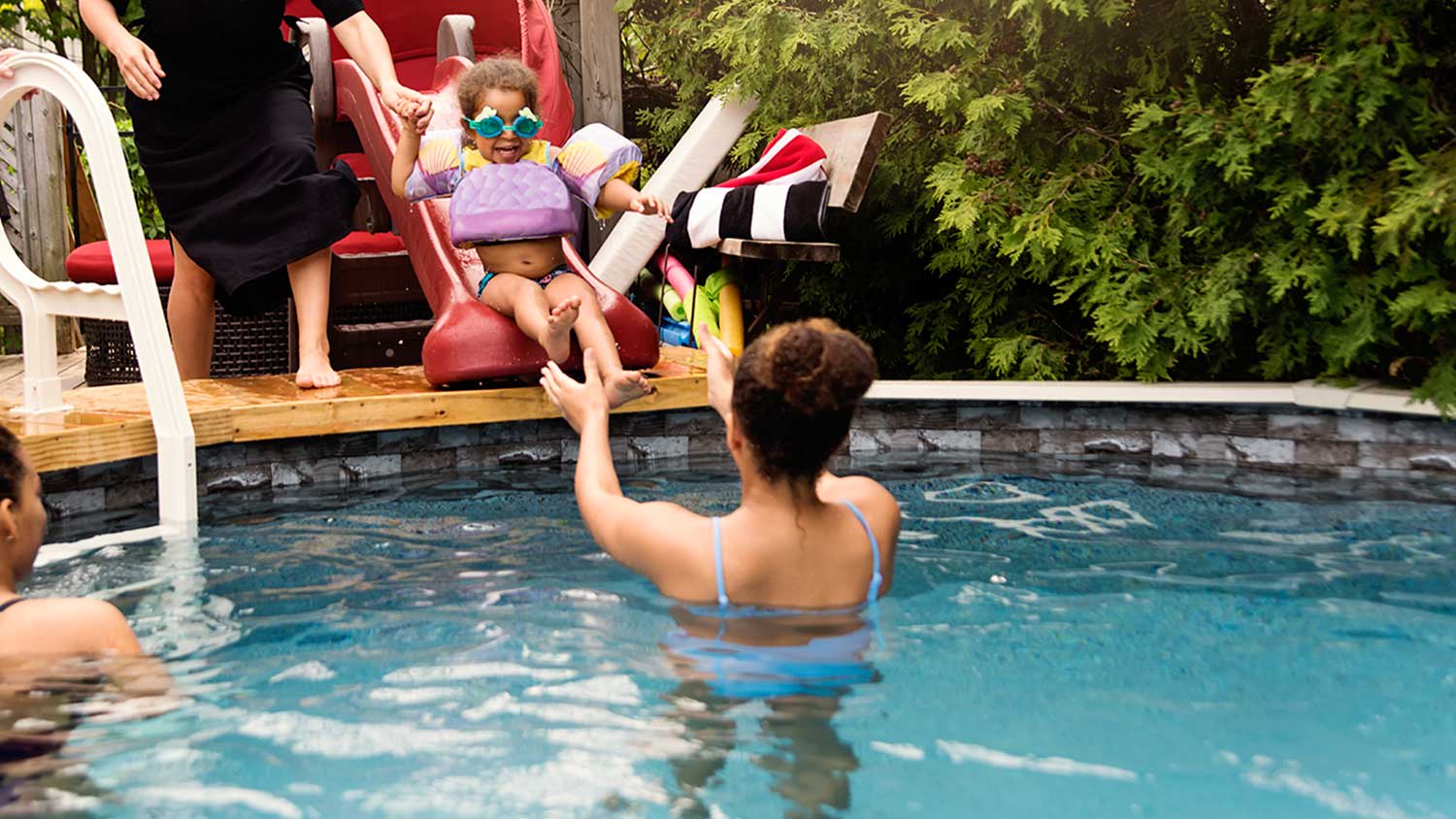
Yes, it’s possible to DIY a plunge pool and shave labor costs off of the project total. If you’re considering a DIY build, keep in mind that you will be responsible for pool installation and landscaping (which may require excavation). This type of DIY project is best left to particularly handy homeowners who have prior pool installation experience.
DIY kits exist, but professional installation ensures proper filtration, landscaping, and leak-proof construction.
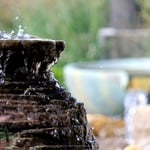
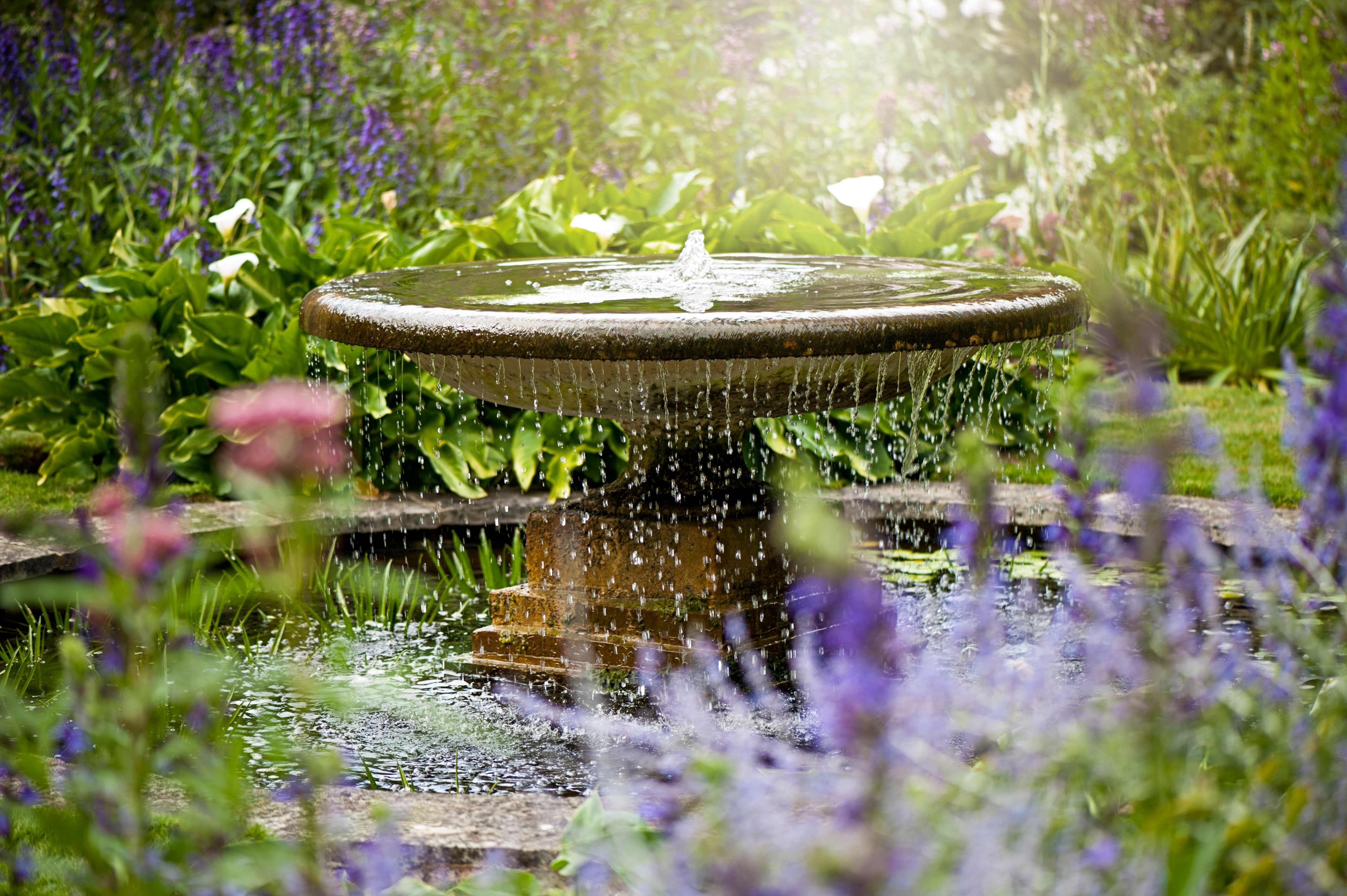
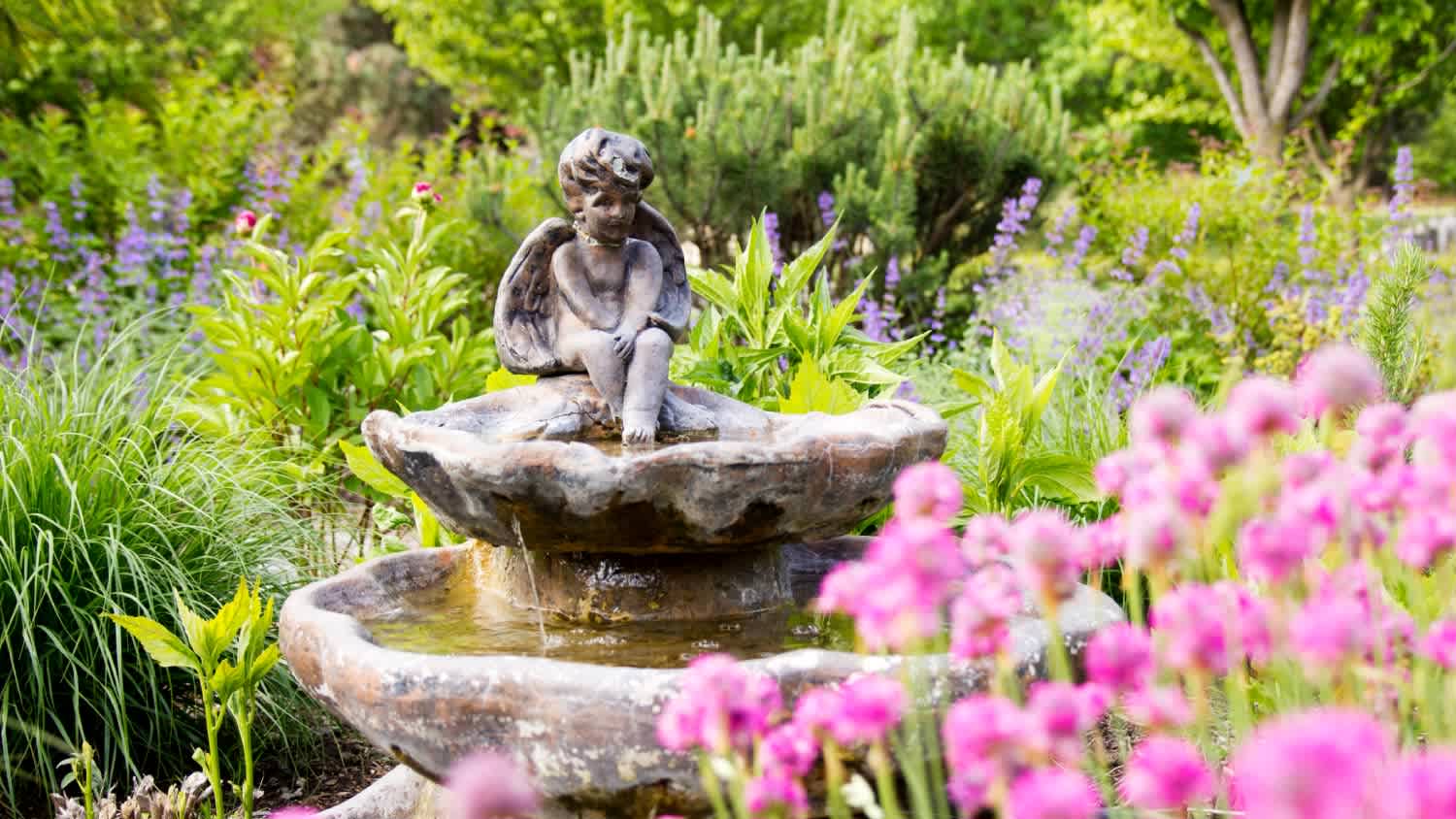
Smaller, pondless water features like bird baths, self-contained fountains, and bubbling rocks are much lower maintenance than their counterparts that include ponds. Pondless features help you avoid high pond maintenance costs and allow you to spend more time enjoying the water feature and less time on upkeep.
You have several options for your pond by getting your yard ready for the winter. You can winterize your koi pond by ensuring it’s at least 5 feet deep so it doesn’t freeze completely, installing a pond heater or aerator and having it run at all times, and installing a deicer if temperatures are dangerously low for an extended period. You can also choose to shut down your pond for the winter by removing all the wildlife in it and bringing it indoors, cleaning out the filter and pump, and then covering the pond with a tarp.
Koi fish should be in the shade and can’t be directly exposed to the sun. Consider building your koi pond in a shaded spot or hanging an awning over the top to control the amount of sunlight coming in. Learn how to design a landscape properly.
The Martin, MI homeowners’ guide to fountain services
From average costs to expert advice, get all the answers you need to get your job done.
Discover the cost to install a fountain in your pond, including average prices, key cost factors, and tips to save money on your pond fountain installation.
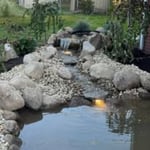
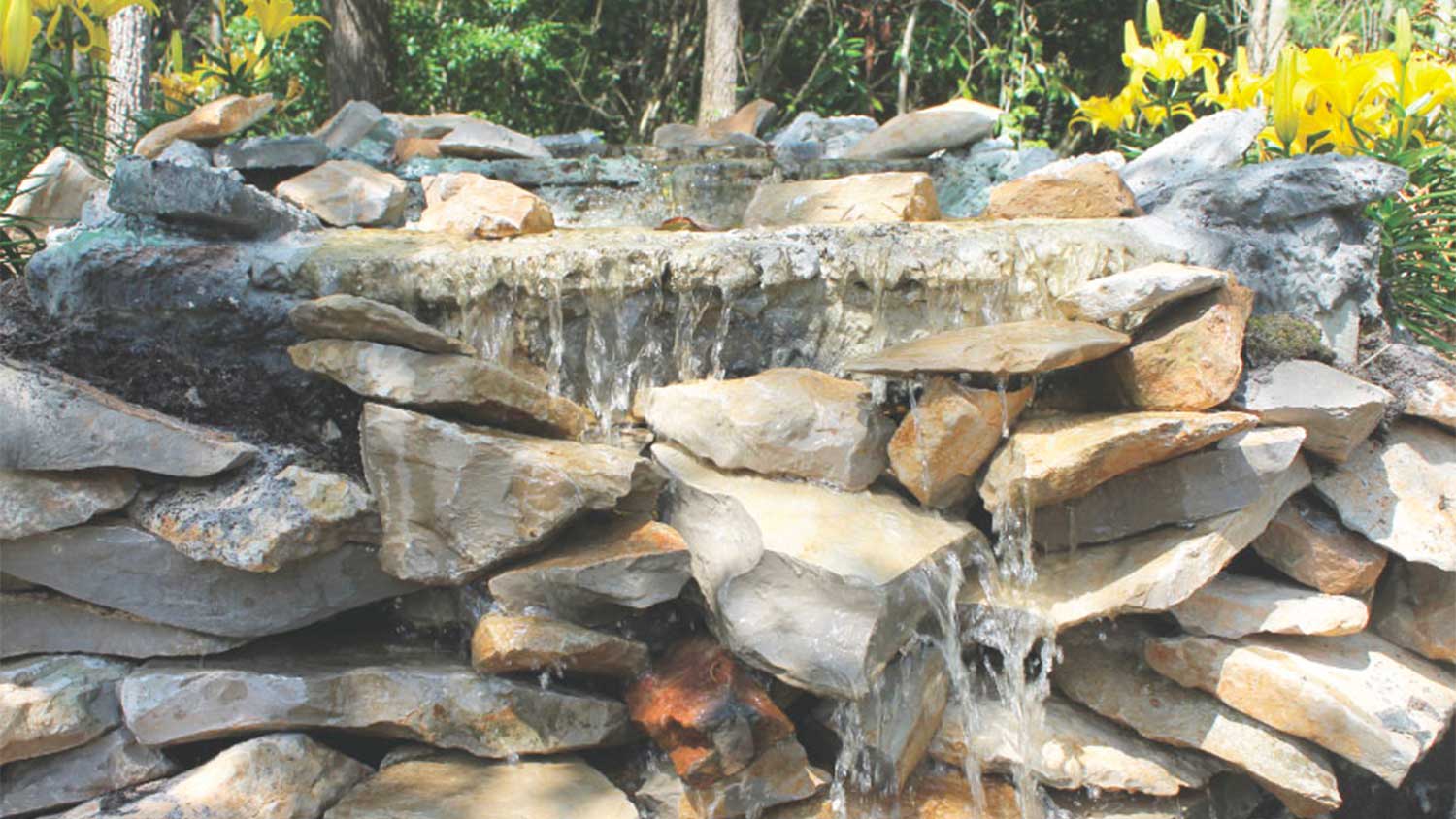
Dive into the details of the different kinds of backyard water features, including fountains, birdbaths, waterfalls, pools, ponds, streams, and spouts.