



Top-rated deck staining pros.

Get matched with top deck staining pros in Gibsland, LA

Enter your zip and get matched with up to 5 pros

Need a pro for your deck staining project in Gibsland, LA?

Select your specific project to find the pro for you.

Find Deck staining pros in Gibsland

Avatar for Welcome Home Moving Services
Welcome Home Moving Services
5.0(
7
)

Serving Gibsland, LA and surrounding areas

In business since 2020

Free estimates

Credit card accepted

"They were excellent, I would highly recommend. Everyone was very professional and showed up right when they said they would. They were gentle and everything arrived intact. They had us on the road in no time."
Additional Photos
Additional Photos
Additional Photos
Additional Photos
Additional Photos

+1

Recommended by100%of homeowners
Truelove Handyman Services LLC
4.9(
4
)

Serving Gibsland, LA and surrounding areas

In business since 2023

Free estimates

Credit card accepted

"Super professional. My house has an old fence that's mostly rotted. The whole back portion was falling over and the gate had literally pulled the post it was in apart. I can't afford to replace the entire fence but Dustin was able to replace only the posts I needed to keep everything up. It's been months since then and his fixes are still going strong."
Blinds
Dog
Dog
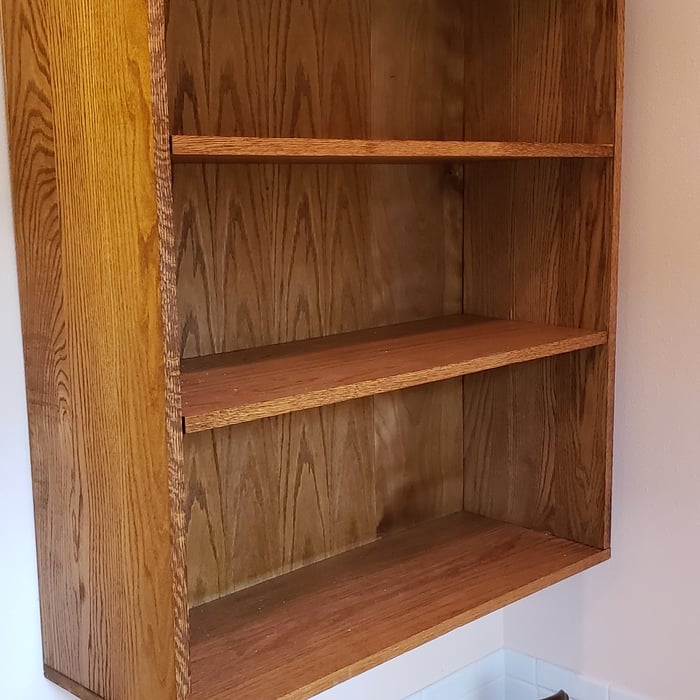
Custom Towel Shelf
Custom Towel Shelf

+10

Response time10 mins
Response rate86%
Recommended by100%of homeowners
...
Showing 1-10 of 60
Deck Staining questions, answered by experts

The best time to paint your deck is when temperatures are neither too cold (below 60 degrees) nor too hot (above 85 degrees). Always paint your deck when there’s no risk of rain. For fast-drying paint like acrylic or latex, ensure your deck can dry for at least four hours. Oil-based paints take longer to dry and may require 48 hours to completely cure.

Choosing whether your deck should be lighter or darker than your house is a matter of personal preference, as there is no right or wrong answer. However, considering the pros and cons of each can help guide your decision. Darker colors are often chosen because they show less dirt, footprints, and marks from daily wear, making them easier to keep clean. On the other hand, lighter deck colors tend to stay cooler in the summer. From a design perspective, using a deck color that contrasts with your home's exterior can help make the deck a more defined and distinct feature. Consulting color theory can also make the process of choosing a complementary house and deck color combination easier.

Limewash and whitewash are two techniques used to give brick a light, matte finish, but they differ in composition, application, and permanence. The best choice depends on your aesthetic goals and the specific surface.

Composition

  • Limewash: A natural and environmentally friendly option made from limestone, water, and sometimes pigments. It is breathable and soaks into porous surfaces like brick.

  • Whitewash: Traditionally made from lime, water, chalk, and binders, but a similar look can be achieved with watered-down white paint. It is paint-based and sits on top of the surface.

Appearance and Finish

  • Limewash: Provides a natural, textured appearance that allows the brick's character to show through. It offers a more traditional finish.

  • Whitewash: Creates a softer, more opaque finish, often used for a rustic or shabby-chic style.

Application and Permanence

  • Limewash: Is semi-permanent and can be removed, making it a good choice if you might want to change the look in the future. It requires more skill to apply and cannot be used on previously painted brick.

  • Whitewash: Is a more permanent solution. It is more forgiving to apply and can be used on painted brick. However, because it sits on the surface, it can trap moisture.

Ultimately, if you want a breathable, natural, and reversible finish for unpainted brick, limewash is a great option. If you need a more permanent, opaque coating that can be applied over painted surfaces, whitewash is the better choice. Whitewashing may also be more economical, costing approximately $1.40 to $4.20 per square foot.

The best temperature to paint a pool deck is between 50 and 90 degrees Fahrenheit, because many paints and sealers require temperatures warm enough for the chemical reaction to take place for proper curing. The paint should not be allowed to freeze, and temperatures above 90 degrees can cause the paint to dry too quickly, also preventing the chemical reaction from following through to completion.

The best paint for an older deck depends on the material and whether or not your deck already has a coat of paint. Generally, if your deck already has paint on it, you should choose the same type of paint when repainting the deck. For example, if an old deck has oil-based paint on it, stick with oil; if your deck has water-based paint, choose water-based paint. 

The Gibsland, LA homeowners’ guide to deck staining services

From average costs to expert advice, get all the answers you need to get your job done.