


Top-rated deck staining pros.

Get matched with top deck staining pros in Basile, LA

Enter your zip and get matched with up to 5 pros

Need a pro for your deck staining project in Basile, LA?

Select your specific project to find the pro for you.

Find Deck staining pros in Basile

Avatar for Olveda Roofing LLC
Olveda Roofing LLC
5.0(
6
)
Exterior Home or Structure - Paint or StainExterior Home or Structure - Paint or Stain: LargeExterior Home or Structure - Paint or Stain: Medium

Serving Basile, LA and surrounding areas

Free estimates

Emergency services offered

"Jose is a very kind and knowledgeable professional who takes great pride in his work. We hired him to paint our carport which was damaged during a car fire. Needless to say - it was an eye sore with soot everywhere!! Jose patiently answered all of our questions, made recommendations and gave us a very fair price. He and his team arrived at our home on time and ready to work. He even helped my dad with a side project. But most importantly, we are happy that all traces of the fire are finally gone and the carport looks like new! If you’re in need of a hard working, friendly and responsive professional - I absolutely recommend you give Jose a call!"
Additional Photos
Additional Photos
Additional Photos
Additional Photos
Additional Photos

+27

Recommended by100%of homeowners
...
Showing 1-10 of 94
Deck Staining questions, answered by experts

Stain is meant to be absorbed by the porous wood, allowing some of the natural grain to show through. With that in mind, you don’t want to add more stain than the wood can absorb, as you risk covering up its natural markings. Generally, two coats is the maximum you should do, although very dense hardwoods may only be able to take a single coat.

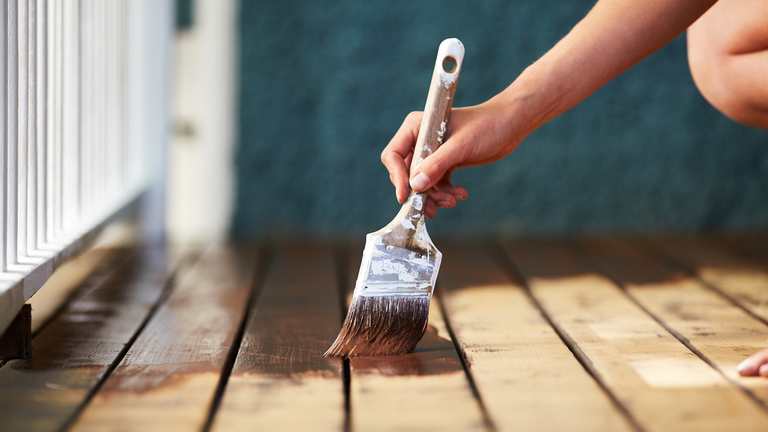
The staining or painting process involves cleaning the deck, sanding surfaces, applying a primer (if needed), and carefully applying stain or paint for an even, lasting finish.

Limewash and whitewash are two techniques used to give brick a light, matte finish, but they differ in composition, application, and permanence. The best choice depends on your aesthetic goals and the specific surface.

Composition

  • Limewash: A natural and environmentally friendly option made from limestone, water, and sometimes pigments. It is breathable and soaks into porous surfaces like brick.

  • Whitewash: Traditionally made from lime, water, chalk, and binders, but a similar look can be achieved with watered-down white paint. It is paint-based and sits on top of the surface.

Appearance and Finish

  • Limewash: Provides a natural, textured appearance that allows the brick's character to show through. It offers a more traditional finish.

  • Whitewash: Creates a softer, more opaque finish, often used for a rustic or shabby-chic style.

Application and Permanence

  • Limewash: Is semi-permanent and can be removed, making it a good choice if you might want to change the look in the future. It requires more skill to apply and cannot be used on previously painted brick.

  • Whitewash: Is a more permanent solution. It is more forgiving to apply and can be used on painted brick. However, because it sits on the surface, it can trap moisture.

Ultimately, if you want a breathable, natural, and reversible finish for unpainted brick, limewash is a great option. If you need a more permanent, opaque coating that can be applied over painted surfaces, whitewash is the better choice. Whitewashing may also be more economical, costing approximately $1.40 to $4.20 per square foot.

You should seal your deck every one to two years, but you’ll also need to clean and repair your wood deck throughout the seasons. You may want to hire a local house cleaning service to sweep and clean the deck thoroughly. These cleaning services cost around $50 per hour.

Inspect your deck at least once a year, and if you notice any damage or rot, expect to spend about $10 to $50 for simple DIY fixes or about $2,000 for professional repairs on more extensive damage.

If you have wood decking, there are several common deck problems that you might encounter. For example, your natural wood boards may fade over time due to things like sunlight, weather, and debris. On top of that, some types of wood decking can rot, grow mold, and attract destructive pests—including termites, carpenter ants, and woodpeckers.

The Basile, LA homeowners’ guide to deck staining services

From average costs to expert advice, get all the answers you need to get your job done.