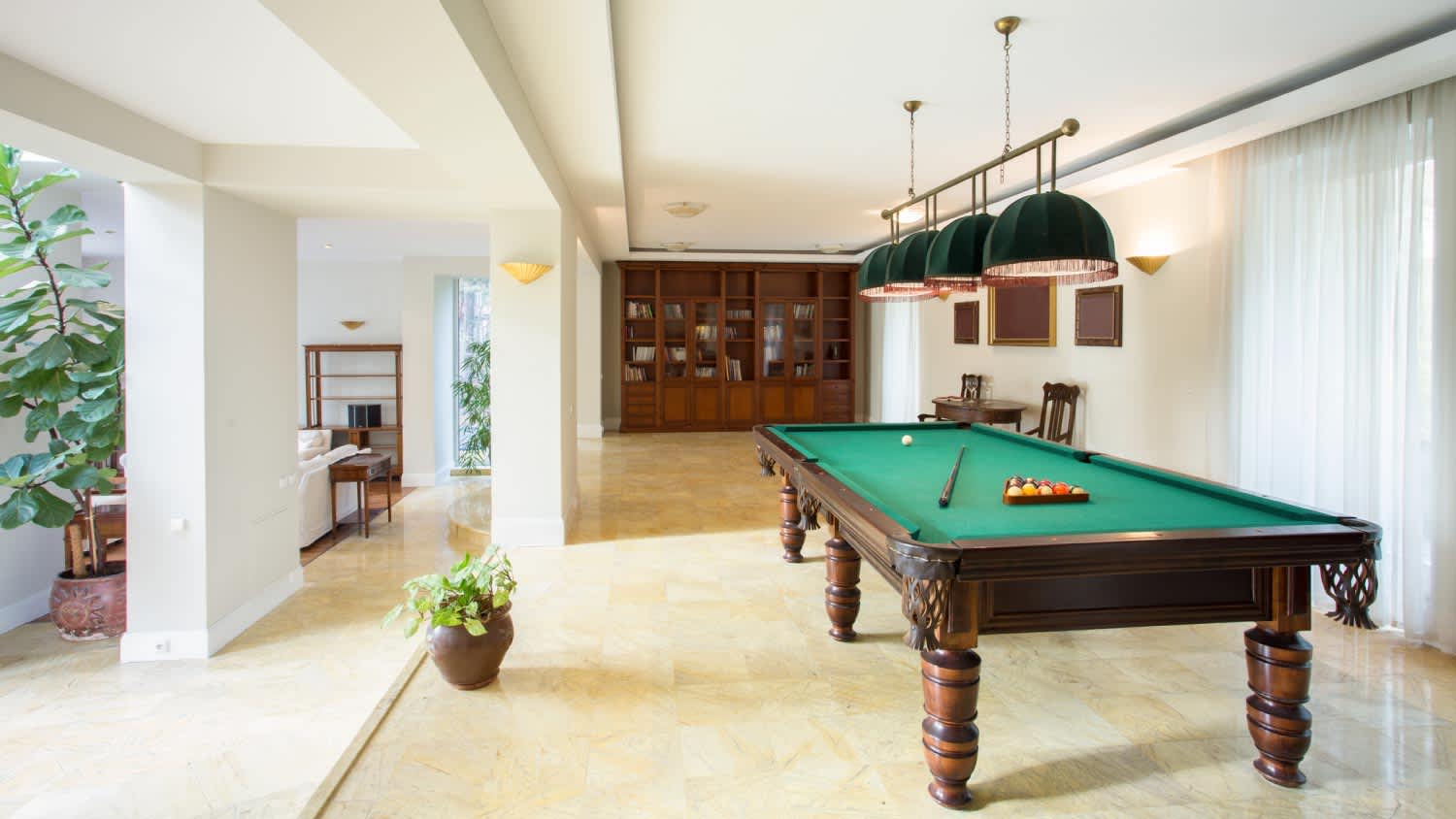









Top-rated pool table assembly pros.

Get matched with top pool table assembly pros in Sacramento, KY

Enter your zip and get matched with up to 5 pros

Need a pro for your pool table assembly project in Sacramento, KY?

Select your specific project to find the pro for you.

Find Pool table assembly pros in Sacramento

Darin Reynolds
New to Angi
Handyman for Multiple Small Projects

Serving Sacramento, KY and surrounding areas

Approved

If something needs fixed, built, or improved around your home, I’m here to help. I take pride in doing solid work, showing up when I say I will, and making sure the job is done right the first time.\nI handle a wide range of handyman projects, from small repairs to bigger home improvements. No job is too small, and I treat every project like it matters because it does to you.\nYou can expect clear communication, fair pricing, and no surprises. Just dependable work and someone you can trust to take care of your home.\nLet’s get your to-do list knocked out.

Hardstop Handyman
New to Angi
Handyman for Multiple Small Projects

Serving Sacramento, KY and surrounding areas

Approved

Small jobs welcome

Credit card accepted

I’m the man behind Hard Stop Handyman — “Your last call for repairs.”\n\nI spent 15 years in the military, where doing the job right the first time wasn’t optional — it was expected. I’ve carried that same standard into every home I work on.\n\nI don’t cut corners. I don’t leave jobs halfway done. And I don’t believe in temporary fixes.\n\nWhen I show up, the goal is simple: fix it once so you don’t have to deal with it again.\n\nIf you’re tired of chasing unreliable contractors or redoing the same repairs over and over, I’m your last call.\n

...
Showing 1-10 of 83
Pool Table Assembly questions, answered by experts

The total time to install an inground pool typically ranges from 8 weeks to 4 months. This timeline can be influenced by several factors, including permitting, site preparation, and the construction process itself.

Key phases and their typical durations include:

  • Permits: Obtaining necessary permits can take anywhere from two to six weeks.

  • Excavation and Site Preparation: This phase takes about a week but can be extended by problematic soil, unexpected ground conditions, or the need to move underground utility lines.

  • Construction: The actual build, including plumbing and electrical work, often takes one to two months. The pool material is a major factor here; a concrete pool needs about 30 days to cure, while installing a fiberglass or vinyl liner is much faster.

External factors can also cause significant delays:

  • Contractor Availability: Spring and summer are busy seasons, and high demand can lead to long waitlists, potentially adding months to your start date. It is often recommended to start planning and getting estimates up to a year in advance.

  • Other Delays: Weather, material shortages, complex designs, and other unforeseen challenges can extend the project timeline.

Generally, you do not need to drain your pool to convert it to a saltwater system. The main exception is if you have used an antibacterial agent containing polyhexamethylene biguanide to sanitize your pool, as these sanitation products do not mix well with saltwater systems. If this is the case, you will need to start fresh. You can either drain the pool or treat the existing water with a high dose of chlorine to remove the antibacterial agent. If you choose the chlorine treatment, wait several days to allow the chlorine to work before proceeding with the conversion. If you are unsure whether this applies to your pool, consult a pool technician.

In-ground pools are more durable and have a longer lifespan, but aboveground pools are an excellent option for homeowners on a budget. Aboveground pools are also easier to remove if you no longer want to maintain one.

The cost of an aboveground pool is $800 to $5,000 for materials and $1,000 to $3,000 for labor. Before deciding, weigh the pros and cons of each pool.

You should add one 3-inch chlorine tablet for every 5,000 gallons of water in your pool. If you have a smaller pool, it’s better to use 1-inch chlorine tablets so you don’t accidentally add too much chlorine. Alternatively, you can add two to three ounces of powdered chlorine or half a gallon of liquid chlorine for every 5,000 gallons of water.

The generator in your saltwater pool conversion kit transforms sodium chloride—the same salt as table salt—into chlorine. A process called electrolysis sends electricity through the water to interact with the chlorine ion. This ultimately creates the chlorine that keeps your pool safe and clean. The cell in your saltwater chlorine generator is the part that converts the salt into chlorine.

The Sacramento, KY homeowners’ guide to pool table assembly services

From average costs to expert advice, get all the answers you need to get your job done.