
Top-rated sonic cleaning pros.

Get matched with top sonic cleaning pros in Ligonier, IN

Enter your zip and get matched with up to 5 pros

Need a pro for your sonic cleaning project in Ligonier, IN?

Select your specific project to find the pro for you.

Find Sonic cleaning pros in Ligonier

Avatar for PD Duct Cleaning LLC
PD Duct Cleaning LLC
4.9(
9
)
Air Ducts & Vents - CleanAir Ducts & Vents - Clean - For BusinessDryer Vents - Clean

Serving Ligonier, IN and surrounding areas

Approved

Super Service Award Winner

In business since 2019

Free estimates

Credit card accepted

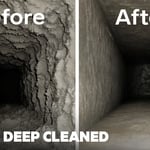
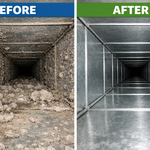
"My experience with PD Duct Cleaning was exceptional! They came on time, were extremely educated on the duct cleaning process and made sure I was comfortable before they started.. They have a camera so I could see the before and after of my ducts, that was a cool thing to see! The pricing was phenomenal compared to their competitors, it was a lot cheaper! They are honest, professional, and dedicated. I have recommended them to friends, family, and coworkers. Thank you PD Duct Cleaning for clean ducts and peace of mind!!!!"
Response time7 hrs
Response rate91%
3 neighbors recently requested a quote
...
Showing 1-10 of 152
Sonic Cleaning questions, answered by experts

Generally, snow removal from a roof should occur once over six inches of snow accumulates, especially if you notice that ice dams have formed. Without ice dams, you can let the snow accumulation hit 12 inches before removing it. However, the amount of snow that is too much for your roof also depends on the sturdiness of your roof and the compactness of the snow. If your roof needs maintenance or has structural issues, it’s best not to let the snow accumulate too much for fear of collapsing.

You should avoid using a pressure washer on any surface or item that could be damaged by the high-pressure spray, as some materials are too delicate to withstand the force.

Key items and surfaces to avoid include:

  • Electrical Components: Never pressure wash electrical systems, as water can cause short-circuits and create a safety hazard. This includes utility meters, breaker boxes, electrical outlets, generators, and HVAC or air conditioner units.

  • Delicate and Fragile Materials: Fragile items can crack, shatter, or be stripped by the pressure. Avoid pressure washing windows, glass, light fixtures, shingled roofs (especially asphalt), and stucco.

  • Painted, Stained, or Sealed Surfaces: Unless your goal is to strip the finish, do not pressure wash painted surfaces, stained wood (like decks), or anything with a protective seal that could be stripped away. Be especially cautious with older surfaces that may contain lead paint.

  • Soft Woods and Certain Decking: Delicate surfaces like softwood, composite decking, and antique or wooden patio furniture can be etched or damaged. If you must wash wood, use a lower-powered pressure washer with a wide-angle nozzle to prevent damage.

  • Living Things: Never use a pressure washer on people, pets, or plants. The force can cause serious injury and will destroy landscaping.

It is a bad idea to try to walk on a roof with snow on it. In fact, you should stay off your roof all year long, even when it is dry and sunny outside. There are too many things that can go wrong, and one misstep can cause serious injury or even death.

Rather, if you need to get something done on your roof, call in a pro. They have the right experience and know-how to get things done safely on a snowy roof, including snow removal.

There are several ways to remove snow from your roof: using a snow rake, salting the roof with calcium chloride, using a rope (cautiously), and using heating cables. It’s important to mention that pretty, fluffy, sparkling snow weighs a great deal, and when physically removing snow from a roof, you should be aware of large snow slabs breaking off. These can weigh hundreds of pounds and are a real danger, so be extremely careful anytime you’re doing this type of work.

In most cases, it is best to leave icicles on your roof and allow them to melt naturally. You should only remove them if they are heavy enough to cause damage to your home or pose a safety risk to people below. Attempting to remove icicles yourself can be dangerous, so if you are concerned about immediate damage, it is recommended to hire a professional. To prevent icicles from recurring, you should address the underlying cause, which is often poor insulation. Long-term solutions include improving your home's insulation or installing roof heating coils.

The Ligonier, IN homeowners’ guide to sonic cleaning services

From average costs to expert advice, get all the answers you need to get your job done.