







Top-rated fountain pros.

Get matched with top fountain pros in Denver, IN

Enter your zip and get matched with up to 5 pros

Need a pro for your fountain service project in Denver, IN?

Select your specific project to find the pro for you.

Find Fountain pros in Denver

Avatar for ConCo Elite LLC
ConCo Elite LLC
5.0(
7
)
Water Feature - Install a Fountain or Waterfall

Serving Denver, IN and surrounding areas

In business since 2021

Free estimates

"He was very detaile oriented. Job was completed in time frame we agreed upon. He made sure everything was clean upon completion! I would definitely recommend Mr Snow as well I will use Conco Elite in the future"
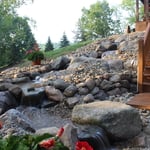
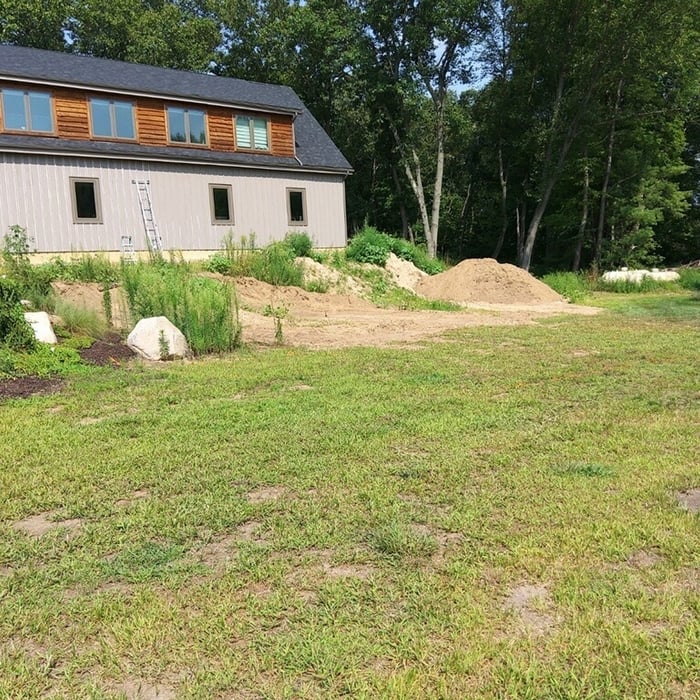
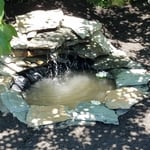
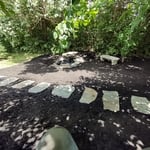
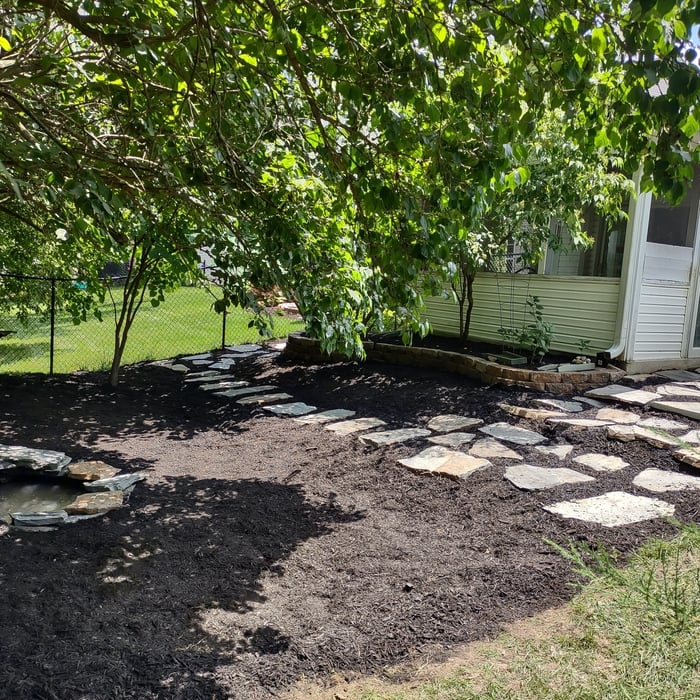
Landscaping Project, pavers and fountain
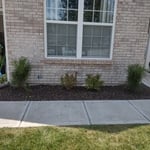
Landscaping Project
Landscaping Project, pavers and fountain
Landscaping Project
Landscaping Project, pavers and fountain

+21

Recommended by100%of homeowners

Fountains questions, answered by experts

Consider the pros and cons of installing a water fountain in your backyard:

Pros

  • Fountains can add beauty to your backyard.

  • Creates a relaxing space to enjoy in your yard. 

  • Water features can add more value to your home.

Cons

  • Regular maintenance is necessary.

  • Upfront and maintenance costs can escalate quickly.

  • Space may not permit you to install the fountain you want.

A koi pond should be at least 5 feet deep to keep the fish healthy and ensure they don’t freeze in winter. Koi fish are also known for growing large, so the more room you have, the better. A larger koi pond size will allow the fish to grow bigger than a smaller one will, and the more fish you have, the bigger the pond you’ll need. Learn how to build a pond in your backyard to ensure it remains functional and aesthetically pleasing for a long time.

Yes, it is possible to make a fountain without a pump, though it may seem less intuitive and will require a bit more effort to use. In lieu of an electric pump, there are a few options including hand-cranked pumps or sprinkler systems that can work to provide water for a fountain.

In addition to length and width, pond liners also come in various thickness levels. Thickness is measured in mils, a unit of measurement equal to one-thousandth of an inch, with most pond liners ranging from 15 to 60 mils in thickness. The smaller the number, the thinner (and weaker) the liner. To prevent rips and tears, it’s best to choose a pond liner that’s at least 30 mils thick.

Regular water testing, debris removal, and seasonal maintenance ensure healthy water quality.

The Denver, IN homeowners’ guide to fountain services

From average costs to expert advice, get all the answers you need to get your job done.