





Top-rated fountain pros.

Get matched with top fountain pros in Ririe, ID

Enter your zip and get matched with up to 5 pros

Need a pro for your fountain service project in Ririe, ID?

Select your specific project to find the pro for you.

Find Fountain pros in Ririe

Fountains questions, answered by experts

Most outdoor water fountains and features do not use a lot of electricity, typically consuming between 100 and 250 watts per day. The size of the fountain's motor can impact its overall electricity usage. To reduce energy consumption, you can use a timer to automatically turn the fountain off at night or when you are away from home. Additionally, installing solar power components can help lower electricity costs after the initial investment is recouped.

Though there are a lot of factors that go into caring for a koi pond, the most important maintenance you can do is frequent water checks using a koi pond test strip that checks the water for dangerous conditions.  In addition to regular pond maintenance costs, you’ll also need to winterize your koi pond if you live in a colder area.

You have several options for your pond by getting your yard ready for the winter. You can winterize your koi pond by ensuring it’s at least 5 feet deep so it doesn’t freeze completely, installing a pond heater or aerator and having it run at all times, and installing a deicer if temperatures are dangerously low for an extended period. You can also choose to shut down your pond for the winter by removing all the wildlife in it and bringing it indoors, cleaning out the filter and pump, and then covering the pond with a tarp.

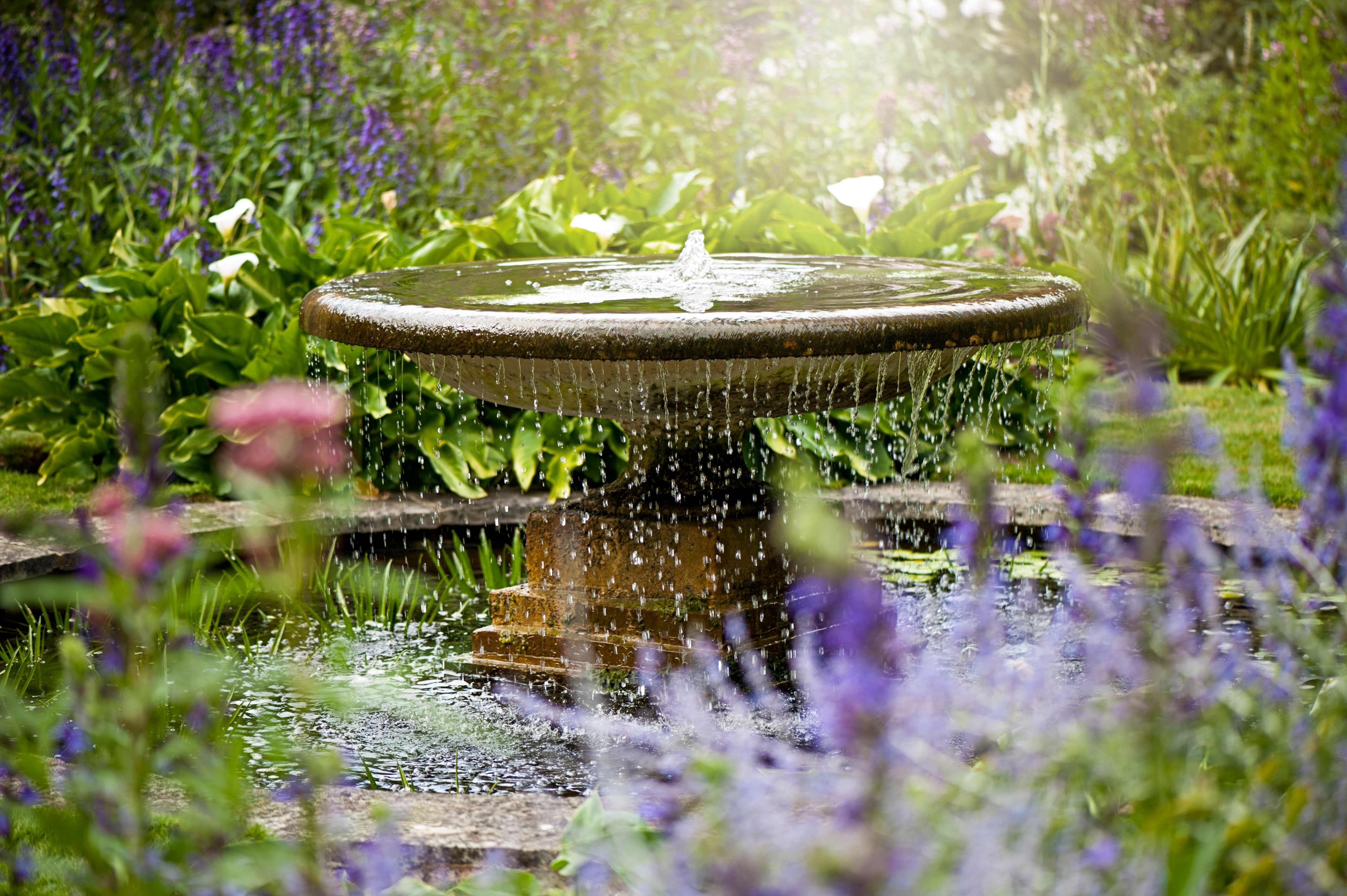
You can choose several types of fountains to add to your backyard, ranging in size, number of basins, and special water features. 

Check out the price ranges of common fountain types:

  • Birdbath fountains: $40 to $1,100

  • Cascading fountains: $40 to $2,000

  • Tiered fountains: $100 to $6,000

  • Kugel fountains: $150 to $5,000

  • Glass wall fountains: $100 to $3,000

In addition to length and width, pond liners also come in various thickness levels. Thickness is measured in mils, a unit of measurement equal to one-thousandth of an inch, with most pond liners ranging from 15 to 60 mils in thickness. The smaller the number, the thinner (and weaker) the liner. To prevent rips and tears, it’s best to choose a pond liner that’s at least 30 mils thick.

The Ririe, ID homeowners’ guide to fountain services

From average costs to expert advice, get all the answers you need to get your job done.