


Top-rated welders.

Get matched with top welders in Canterbury, CT

Enter your zip and get matched with up to 5 pros

Need a pro for your welding project in Canterbury, CT?

Select your specific project to find the pro for you.

Find Welders in Canterbury

Sonart Construction Corp.
2.3(
7
)
Steel Beams (Structural) - Install

Serving Canterbury, CT and surrounding areas

Approved

In business since 2013

Free estimates

Credit card accepted

"I recently had my shingle roof replaced and I?m very happy with the results. The team was professional, punctual, and completed the job efficiently. The quality of the work is excellent, and the new roof looks great. They kept the work area clean and communicated well throughout the process. I would definitely recommend them to anyone needing a roof replacement."
Avatar for CONTINENTAL IRON WORKS LLC
CONTINENTAL IRON WORKS LLC
5.0(
3
)
Metal Stairs and Railings - RepairSheet Metal and Ornamental Metal - Fabricate

Serving Canterbury, CT and surrounding areas

In business since 2023

"I cannot speak enough to Nickâ s attention to detail. Metal fabrication is an industry with a reputation for sloppy work; Nick proves this argument wrong on every project he has completed for me. For an easy & transparent experience, these guys cannot be beat!"
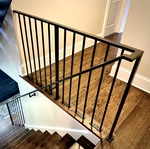
Upper Landing Railing
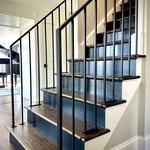
Floor to Ceiling Balusters
Stair Railings
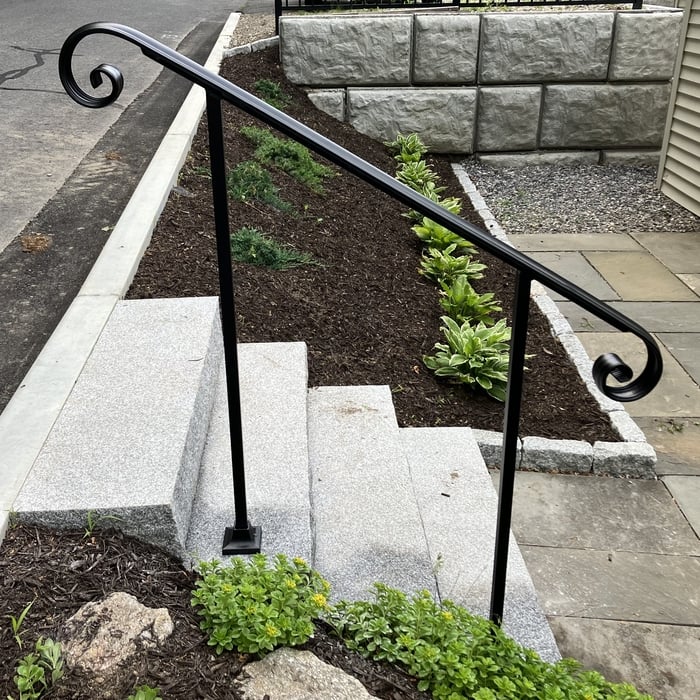
Exterior Handrail
Exterior Handrail

+1

Response time1 day
Recommended by100%of homeowners
Showing 1-10 of 38
Welding questions, answered by experts

Since water heaters are primarily made of metal, they’re commonly accepted by scrap yards and collectors. Don’t expect to fetch a high price, though—water heaters are mostly steel and aluminum, which aren’t high-value metals. Some components are made of more valuable metals, like brass and copper, but they’re a small portion of the heater and won’t affect the price much.

Welding is the process of using extreme heat—and, sometimes, pressure—to attach two pieces of metal. In contrast, metal fabrication is a more involved process that can include welding, sheet metal work, bending, and other forms of metal manipulation. Metal fabrication is a large-scale project that may or may not involve welding, while welding is more often a step in larger fabrication projects.

Cutting rectangular ductwork requires careful measurements and the right technique. Use a measuring tape and pencil to mark the cutting lines accurately. Tin snips are excellent for straight cuts on smaller ducts. For more extensive or thicker rectangular ducts, a reciprocating saw with a metal-cutting blade is effective. 

Ensure the duct is well-supported and secure while cutting to prevent wobbling and maintain precision. After cutting, use a metal file to smooth any sharp edges, ensuring safety during installation. 

It will likely take an experienced pro less than an hour to install a ground rod, which is another reason why letting them handle the job is such a good idea. Safety concerns aside, it would likely take you much longer to install a ground rod if you decided to take this one as a DIY job.

Yes, you can use a saw to cut metal pipes. The best saw to use is a reciprocating saw, but even a fine-tooth hacksaw can get the job done. No matter which saw you use to cut metal pipes, wear protective gear, like work gloves, safety goggles, and ear plugs. Apply a firm, steady pressure to the tool, and always ensure the pipes are secured so they don't move while you make the cuts.

The Canterbury, CT homeowners’ guide to welding services

From average costs to expert advice, get all the answers you need to get your job done.