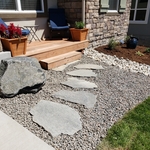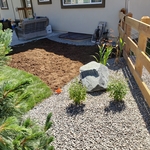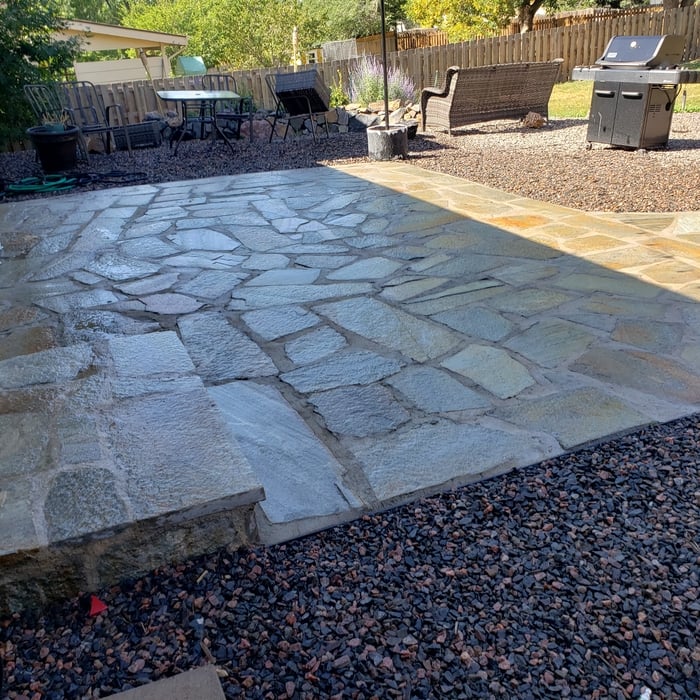






Top-rated fountain pros.

Get matched with top fountain pros in Hugo, CO

Enter your zip and get matched with up to 5 pros

Need a pro for your fountain service project in Hugo, CO?

Select your specific project to find the pro for you.

Find Fountain pros in Hugo

D & D Contracting
4.4(
5
)
Water Feature - Install a Fountain or Waterfall

Serving Hugo, CO and surrounding areas

In business since 2017

Free estimates

Credit card accepted

"They showed up early to look at my project. And when they gave me the estimate I did not have enough money so they worked with me by lowering the amount and letting me make payments. Then when they did the project it was perfect. I would call them and refer them anytime."
1
2
3
4
5

+13

Response time2 days
Recommended by80%of homeowners
Fountains questions, answered by experts

Small ponds can be drained and filled in about a day. Larger ponds will take two or three days for professional removal.

Most outdoor water fountains and features do not use a lot of electricity, typically consuming between 100 and 250 watts per day. The size of the fountain's motor can impact its overall electricity usage. To reduce energy consumption, you can use a timer to automatically turn the fountain off at night or when you are away from home. Additionally, installing solar power components can help lower electricity costs after the initial investment is recouped.

Yes, it’s possible to DIY a plunge pool and shave labor costs off of the project total. If you’re considering a DIY build, keep in mind that you will be responsible for pool installation and landscaping (which may require excavation). This type of DIY project is best left to particularly handy homeowners who have prior pool installation experience. 

Placing your water feature in direct sun can speed up evaporation, leading to pump damage and algae growth. Shade or partial shade serves as the ideal location for most water features—just watch out for tree and plant debris that may fall in and clog the pump.

In addition to length and width, pond liners also come in various thickness levels. Thickness is measured in mils, a unit of measurement equal to one-thousandth of an inch, with most pond liners ranging from 15 to 60 mils in thickness. The smaller the number, the thinner (and weaker) the liner. To prevent rips and tears, it’s best to choose a pond liner that’s at least 30 mils thick.

The Hugo, CO homeowners’ guide to fountain services

From average costs to expert advice, get all the answers you need to get your job done.