




•
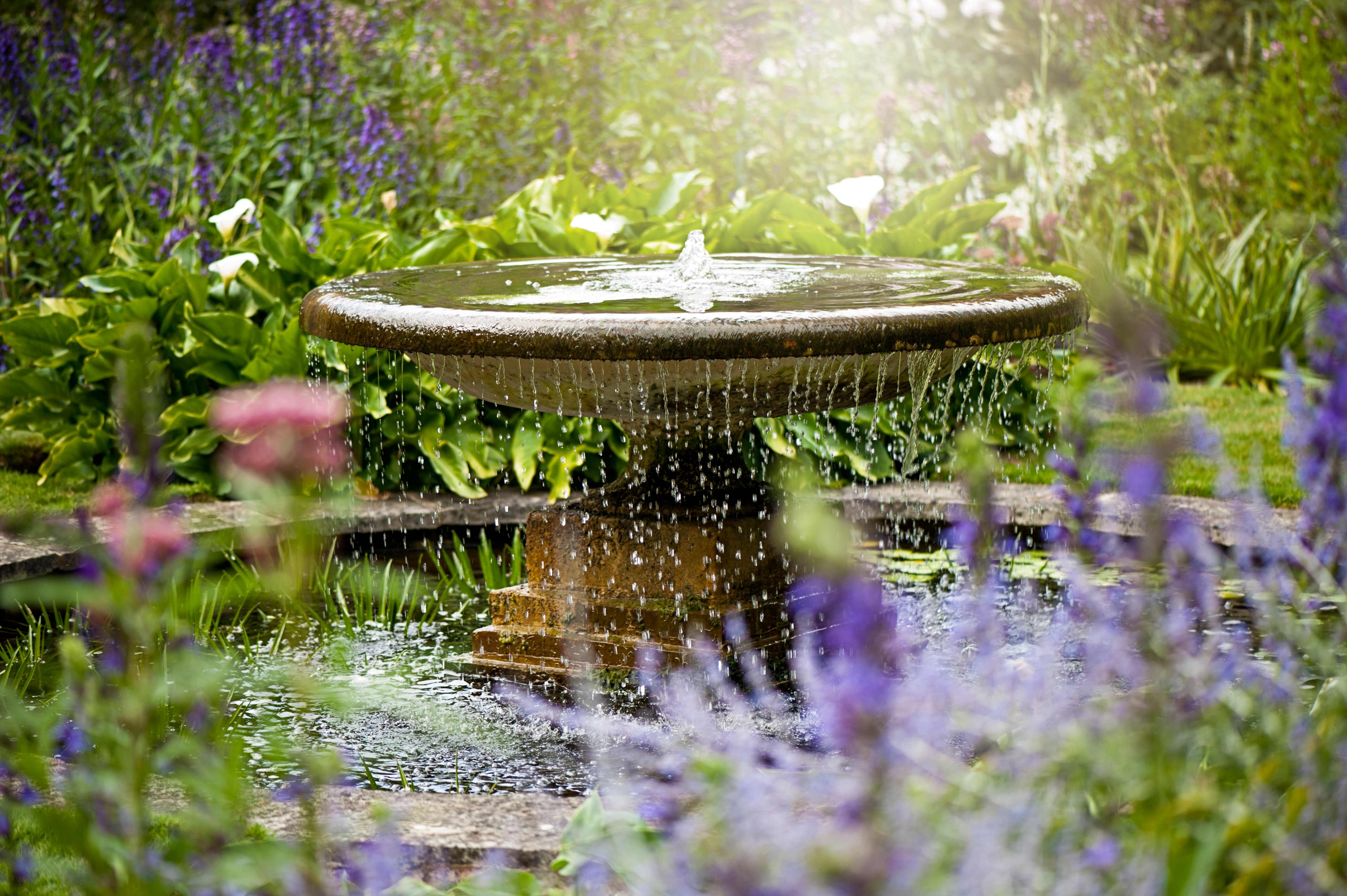
Discover the average outdoor water fountain installation cost, including key price factors and tips to help you budget for your project.

*The Angi rating for Fountain Service companies in Cuchara, CO is a rating based on verified reviews from our community of homeowners who have used these pros to meet their Fountain Service needs.
*The HomeAdvisor rating for Fountain Service companies in Cuchara, CO is a rating based on verified reviews from our community of homeowners who have used these pros to meet their Fountain Service needs.
Last update on October 26, 2026
From average costs to expert advice, get all the answers you need to get your job done.
Discover the average outdoor water fountain installation cost, including key price factors and tips to help you budget for your project.

Discover the cost to install a fountain in your pond, including average prices, key cost factors, and tips to save money on your pond fountain installation.
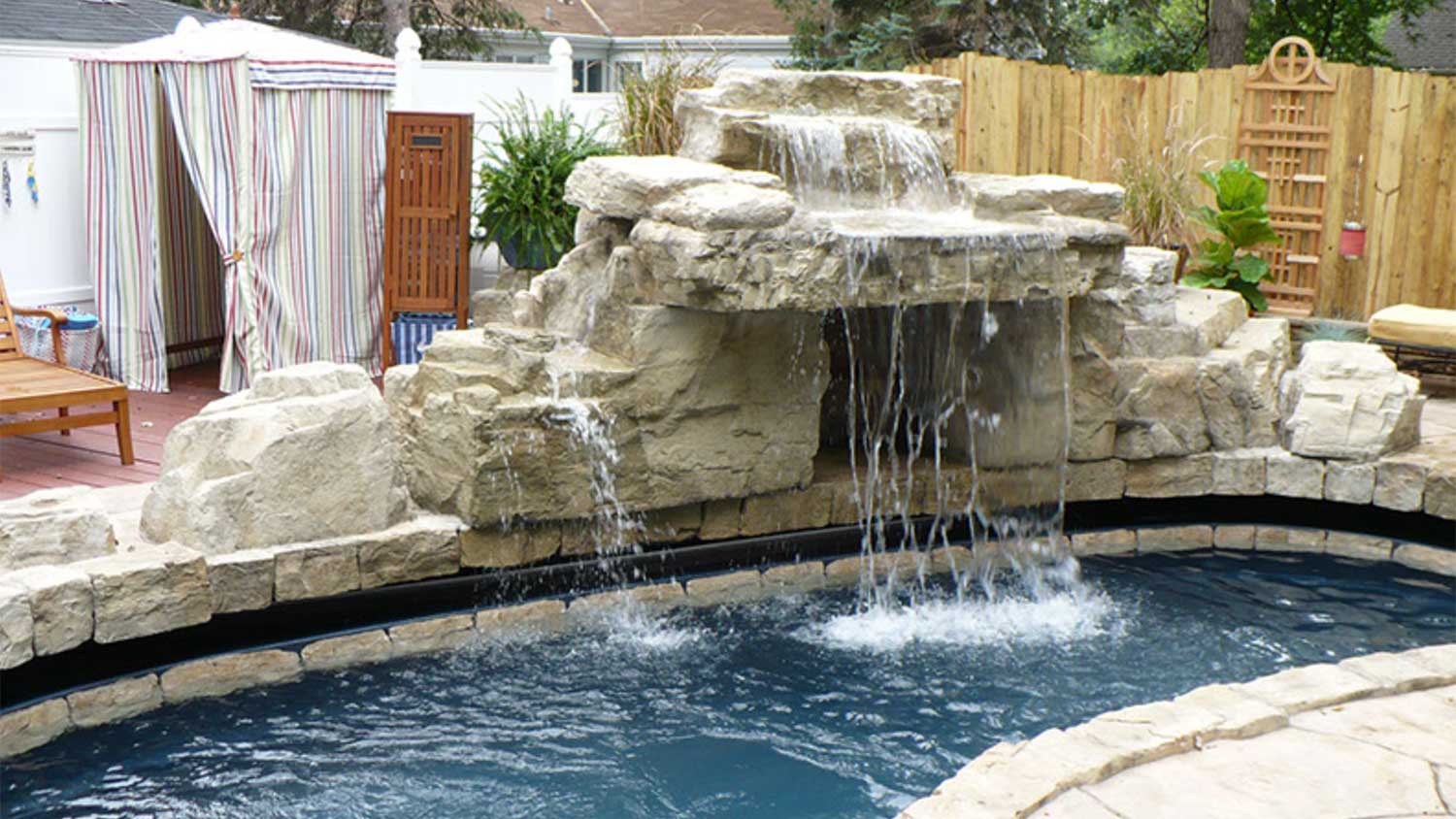
Discover the cost to add a waterfall to a pool. Learn about average prices, cost factors, and ways to save on your pool waterfall installation.
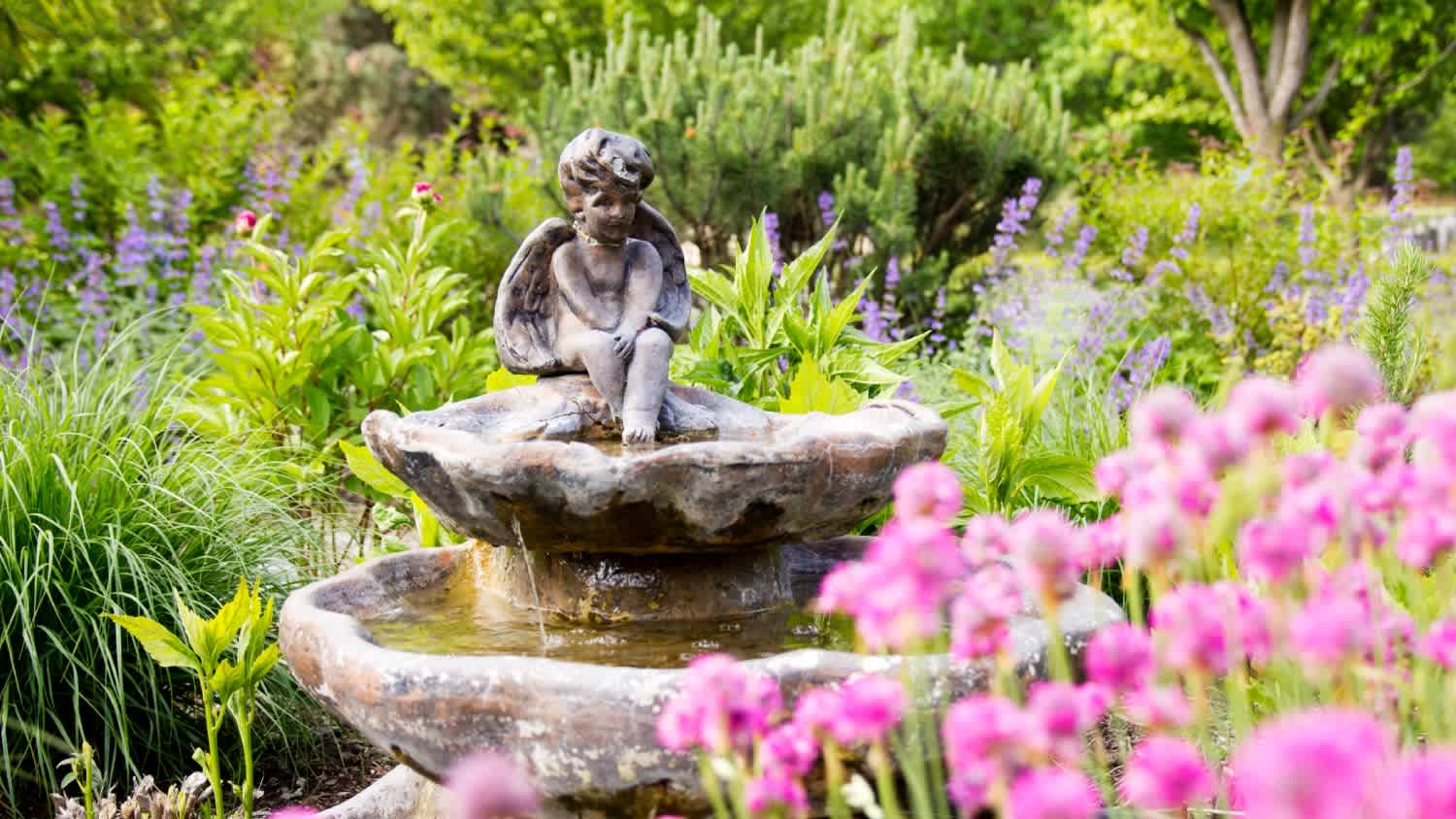
Regular outdoor fountain maintenance will keep your water feature looking and working great. Follow these tips to learn how.
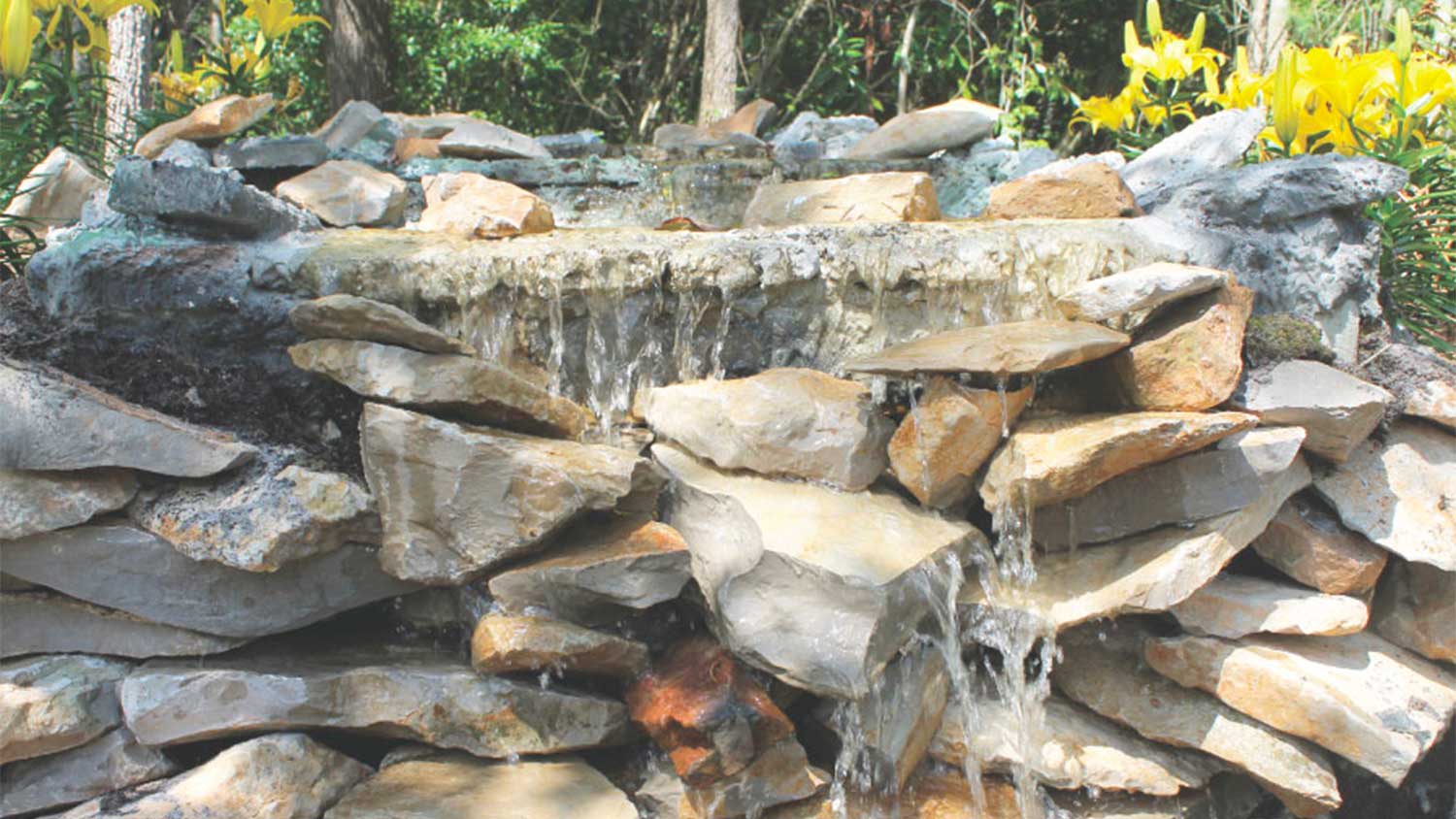
Outdoor water feature ideas are just as unique as your backyard itself. Check out how a waterfall, fountain, or koi pond can reimagine your property.
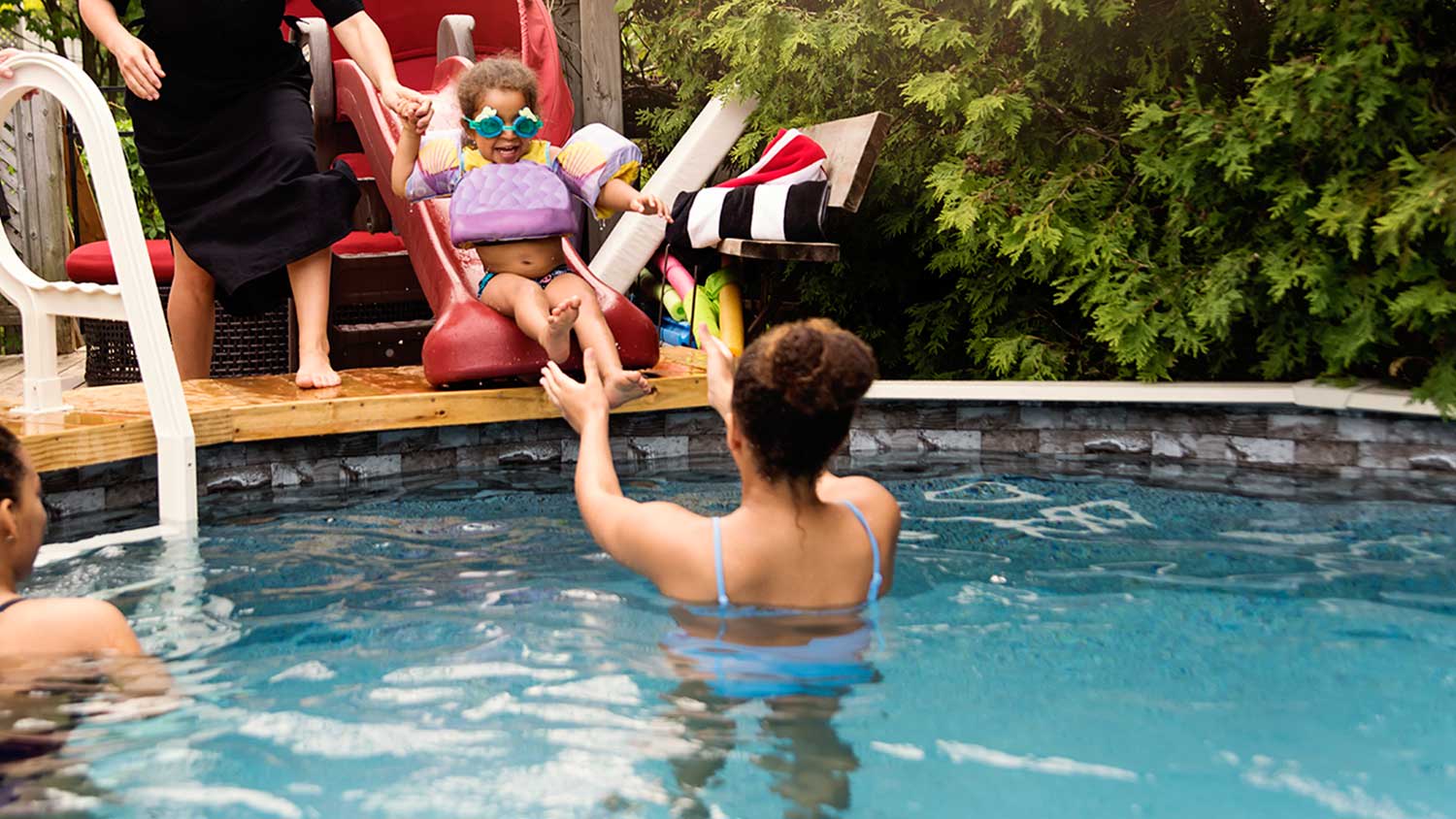
Dive into the details of the different kinds of backyard water features, including fountains, birdbaths, waterfalls, pools, ponds, streams, and spouts.