Welcome to Tooligans! We are committed to exceeding your expectations. As experts, we will handle your needs with the high quality expertise that your home or business deserves. We offer competitive prices and customer satisfaction is our number one priority. Call us today!
Most cleaning services take 2-5 days, allowing for thorough dry cleaning, steaming, or hand washing as needed.
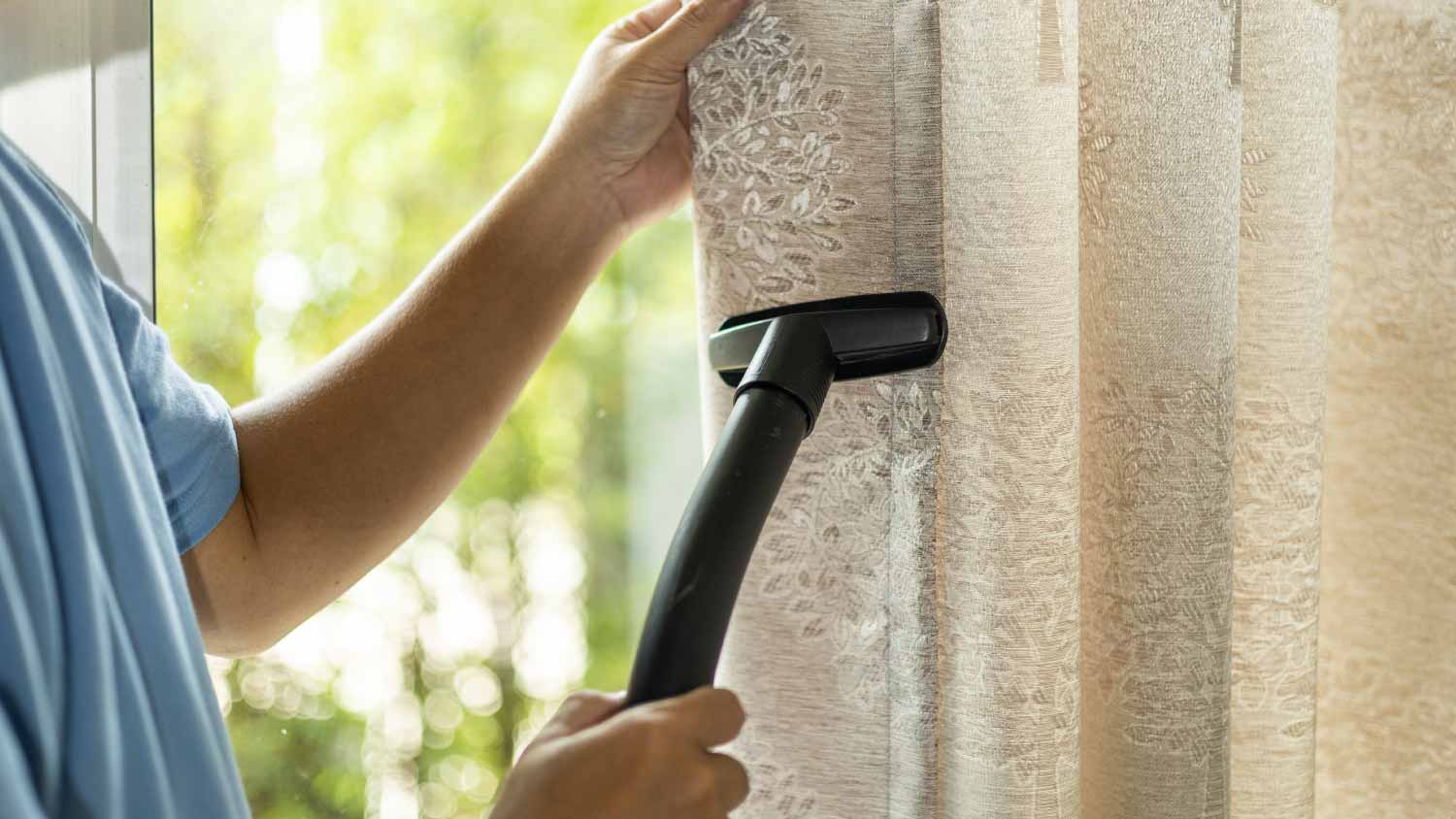
It’s a good idea to wash curtains every six months or so to avoid allergens from building up in them and to get rid of any odors from cooking, exercising, or pets. You might want to wash your curtains as often as every three months if you have multiple pets, someone in your family is highly allergic to dust or pet dander, or you cook often with aromatic spices or oils. You might consider a standalone cleaning if you get stains on your curtains or they are visibly soiled.
Yes, professional drape cleaning is often worth the investment. A professional cleaning service can remove accumulated allergens like dust, pollen, and pet dander, which is especially beneficial for households with allergy sufferers or individuals with respiratory issues like asthma. This process also effectively eliminates odors from cooking, pets, and daily life, helping your home look and smell fresh while improving indoor air quality. Furthermore, hiring a professional ensures that the correct cleaning methods are used, preventing damage to the fabric. It is generally recommended to have drapes professionally cleaned every four to five years, with regular light vacuuming in between.
You should avoid using a pressure washer on any surface or item that could be damaged by the high-pressure spray, as some materials are too delicate to withstand the force.
Key items and surfaces to avoid include:
Electrical Components: Never pressure wash electrical systems, as water can cause short-circuits and create a safety hazard. This includes utility meters, breaker boxes, electrical outlets, generators, and HVAC or air conditioner units.
Delicate and Fragile Materials: Fragile items can crack, shatter, or be stripped by the pressure. Avoid pressure washing windows, glass, light fixtures, shingled roofs (especially asphalt), and stucco.
Painted, Stained, or Sealed Surfaces: Unless your goal is to strip the finish, do not pressure wash painted surfaces, stained wood (like decks), or anything with a protective seal that could be stripped away. Be especially cautious with older surfaces that may contain lead paint.
Soft Woods and Certain Decking: Delicate surfaces like softwood, composite decking, and antique or wooden patio furniture can be etched or damaged. If you must wash wood, use a lower-powered pressure washer with a wide-angle nozzle to prevent damage.
Living Things: Never use a pressure washer on people, pets, or plants. The force can cause serious injury and will destroy landscaping.
You should avoid putting anything in the dryer that could be damaged from the heat or tumbling motion, or caught in any parts of the dryer. While there are some items that should never be dried (such as spandex, silk, leather, wool, etc.), there are some items you can dry, but only if you put them in a mesh bag first. These are usually delicate items or any items with strings or pieces attached that could be ripped off in a drying cycle.
The Walker, CA homeowners’ guide to drapery cleaning services
From average costs to expert advice, get all the answers you need to get your job done.
Call in the professionals when your delicate drapes need a deep clean. Let's take a look at drapery cleaning costs and which factors can sway the price tag.
Cleaning window treatments can make a world of difference in how bright and clean your room looks. Use this guide on how to clean curtains to make a big impact.
Trying to decide whether curtains or blinds are best for your space? This article compares seven key features and gives you our choice for what’s best. While the ultimate decision is yours to make, we shed light on the pros and cons.