"Job was complete with one visit. Vacuum works great. Service was fast and efficient.
I had trouble finding anyone to work on central vacuum systems. But thanks to home advisor all problems were solved in finding Rockey. He is central vacuum specialist.
Thanks to Rocky for a great job with great service.
E Swindal"
D. L. Davis Vacuums, Inc., is a manufacturer and distributor of healthy home products in over 500 locations in North America. As a longtime member of the Direct Selling Association, D. L. Davis Vacuums, Inc., delivers the finest wellness and cleaning products through franchise-based businesses. From state-of-the-art floor care systems, to air and water purification systems, Aerus creates clean, safe and healthy indoor environments for over 50 million businesses and homes in the U.S. and Canada.
Central Vacuum Systems questions, answered by experts
Yes, installing a central vacuum system typically adds value to your home. The ease of use, longevity, and superior suction power of a central vacuum system can add up to $2,000 to your home’s value if you decide to sell. Potential buyers may consider the central vacuum a perk to purchasing your home.
Before deciding whether or not to install a central vacuum system, consider the pros and cons to determine if it’s right for you.
Pros
Increased suction power
Improved air quality
Reduced noise pollution
Longer lifespan than traditional self-contained vacuum units
Cons
Higher upfront installation costs
Expensive repairs
Requires significant storage space
They’ll use more electricity than the average upright vacuum, but not remarkably more. Most power units plug into a standard 120-volt outlet and don’t have significant power demands. You shouldn’t notice an increase in electricity bills. If you have any specific questions about energy costs, ask your installer as you examine purchase decisions. Larger power units will need more electricity for their suction levels.
The disadvantages associated with central vacuums start with cost. They are expensive to install, especially in existing homes, as retrofitting requires opening walls. The system's bulky hoses can also be inconvenient to maneuver and store compared to portable vacuums. Additionally, repairs may need professional service, adding to maintenance costs. Lastly, while powerful, they may be overkill for smaller homes or apartments, making the investment less practical for some households.
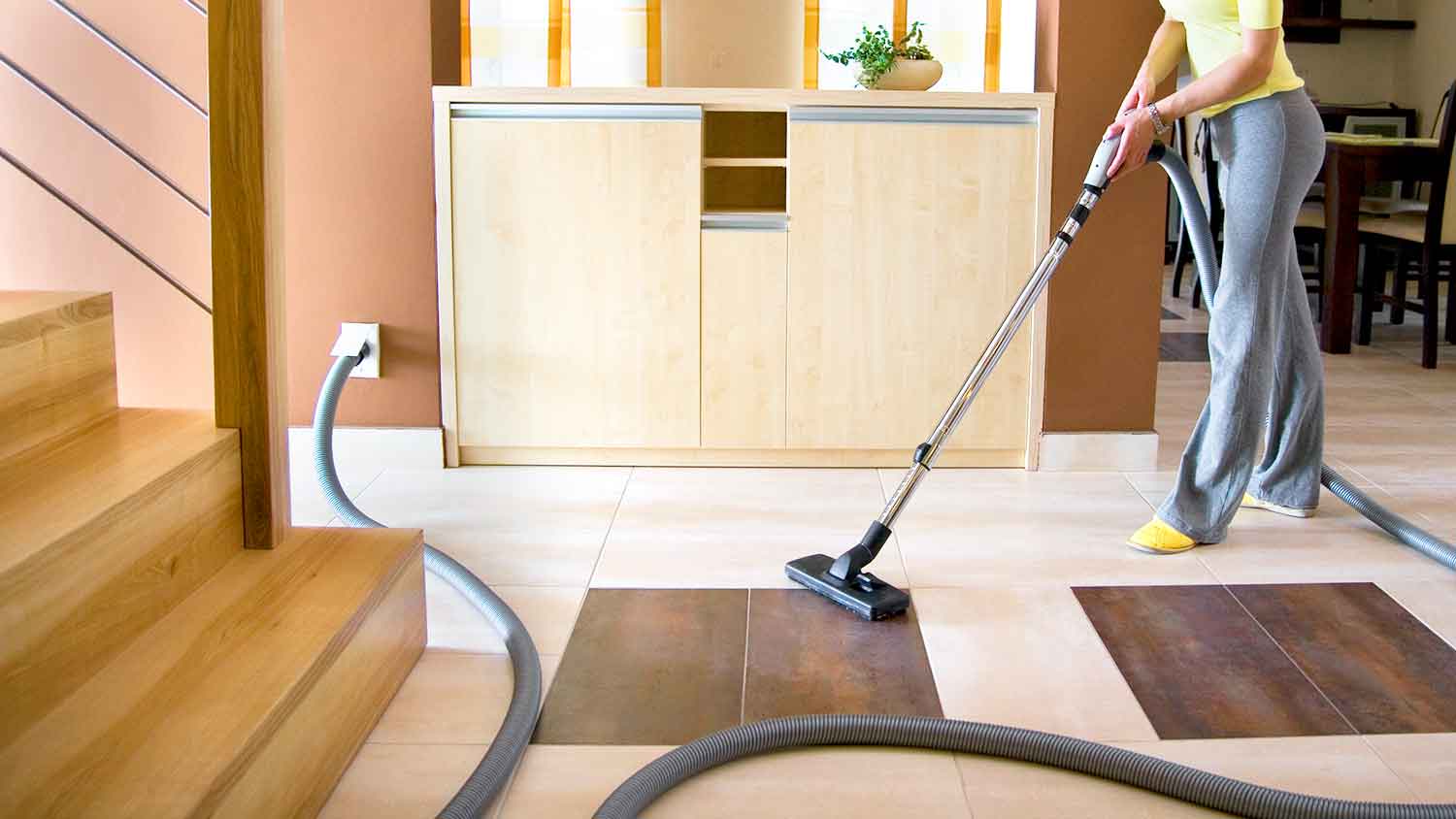
A central vacuum system can be a worthwhile investment depending on your needs and budget. While the upfront cost is higher than a traditional vacuum cleaner, it offers significant long-term benefits. These systems can save you time and make cleaning your home easier, as you only need to carry the hose and vacuum head, eliminating the need to lug a heavy unit up and down stairs. They also tend to operate more quietly and can improve indoor air quality. The convenience and performance over many years may make it a valuable addition to your home if you can budget for the initial installation.
The Hamilton, AL homeowners’ guide to central vacuum system services
From average costs to expert advice, get all the answers you need to get your job done.
Get transparent information on central vacuum repair costs. Learn what impacts price, compare repair types, and see how to save on your central vacuum repair.
What is a central vacuum system? It can enhance your cleaning efficiency with ease—but is it right for your home? Learn pros, cons, installation costs, and more to make your decision.
A central vacuum system is a strong, durable, and effective alternative to traditional vacuums. Use this guide to determine whether or not a central vacuum is right for your home.
Find the best central vacuum service repair pro for your home. Learn what questions to ask, qualifications to check, and how to hire a reputable technician.