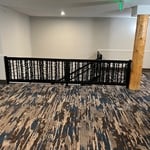
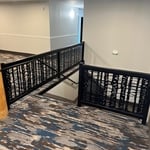
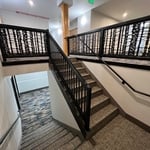
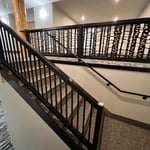
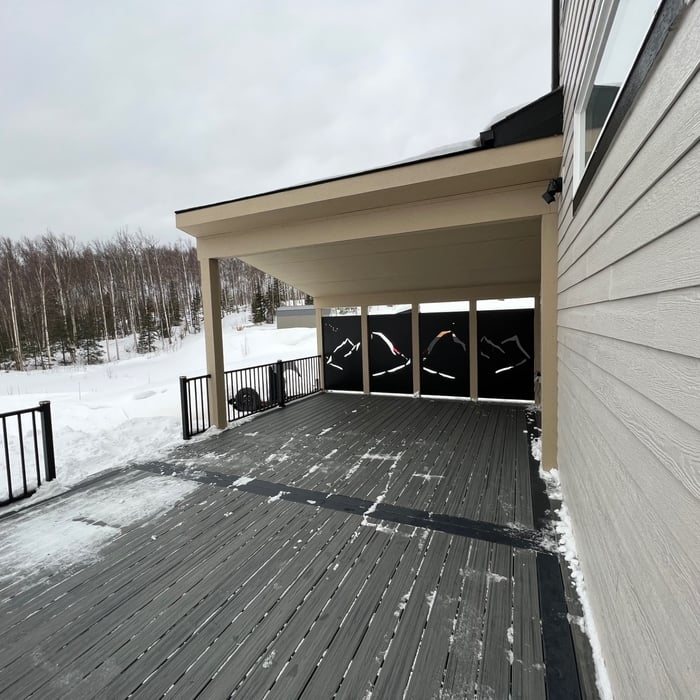
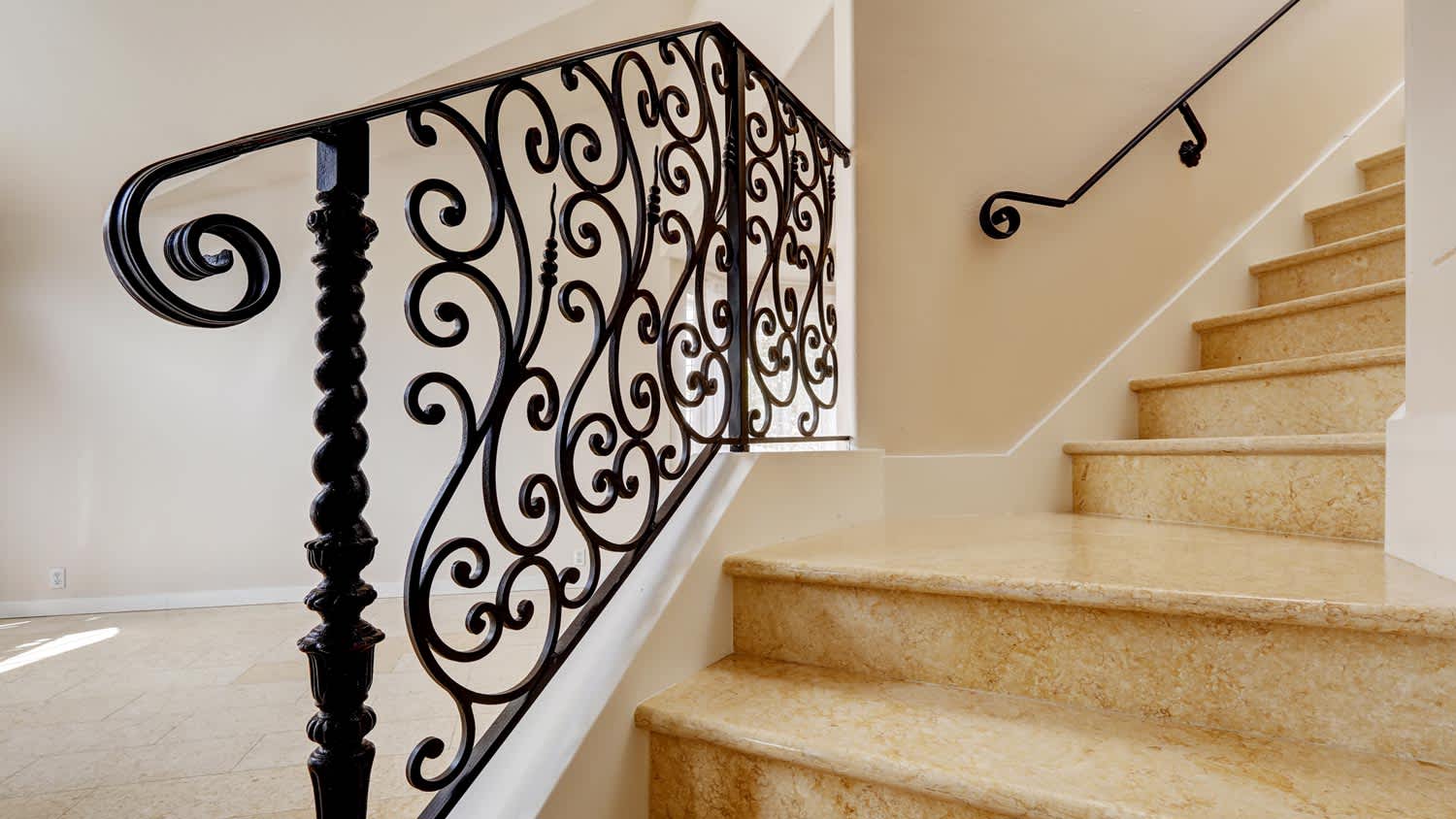
PlasmaTech, LLC is a leading provider of metal fabrication and welding solutions, specializing in commercial projects. With a commitment to communication, attention to detail, punctuality, and integrity, we ensure every project is completed to the highest standards. Our team prides itself on offering honest pricing and transparent service throughout the process.\n\nOur expertise spans various areas, including metal fabrication, commercial welding, ADA handrails and guardrails installation, structural welding, and CNC & plasma cutting. Whether you need custom metalwork, precise welding, or intricate cutting, PlasmaTech LLC delivers exceptional results tailored to your specific needs. Trust us for reliable craftsmanship and unparalleled customer satisfaction.
With over 10 years experience in the welding industry, Orion Industrial Services, Inc., is your industry expert in Kodiak, Alaska and the surrounding areas. We pride ourselves on our extreme professionalism and attention to detail. Our customer satisfaction guarantee will assure you we will not leave your property until you are completely satisfied with our work. You can trust that we will treat your home as we would treat our own. Give us a call today we look forward to working with you!
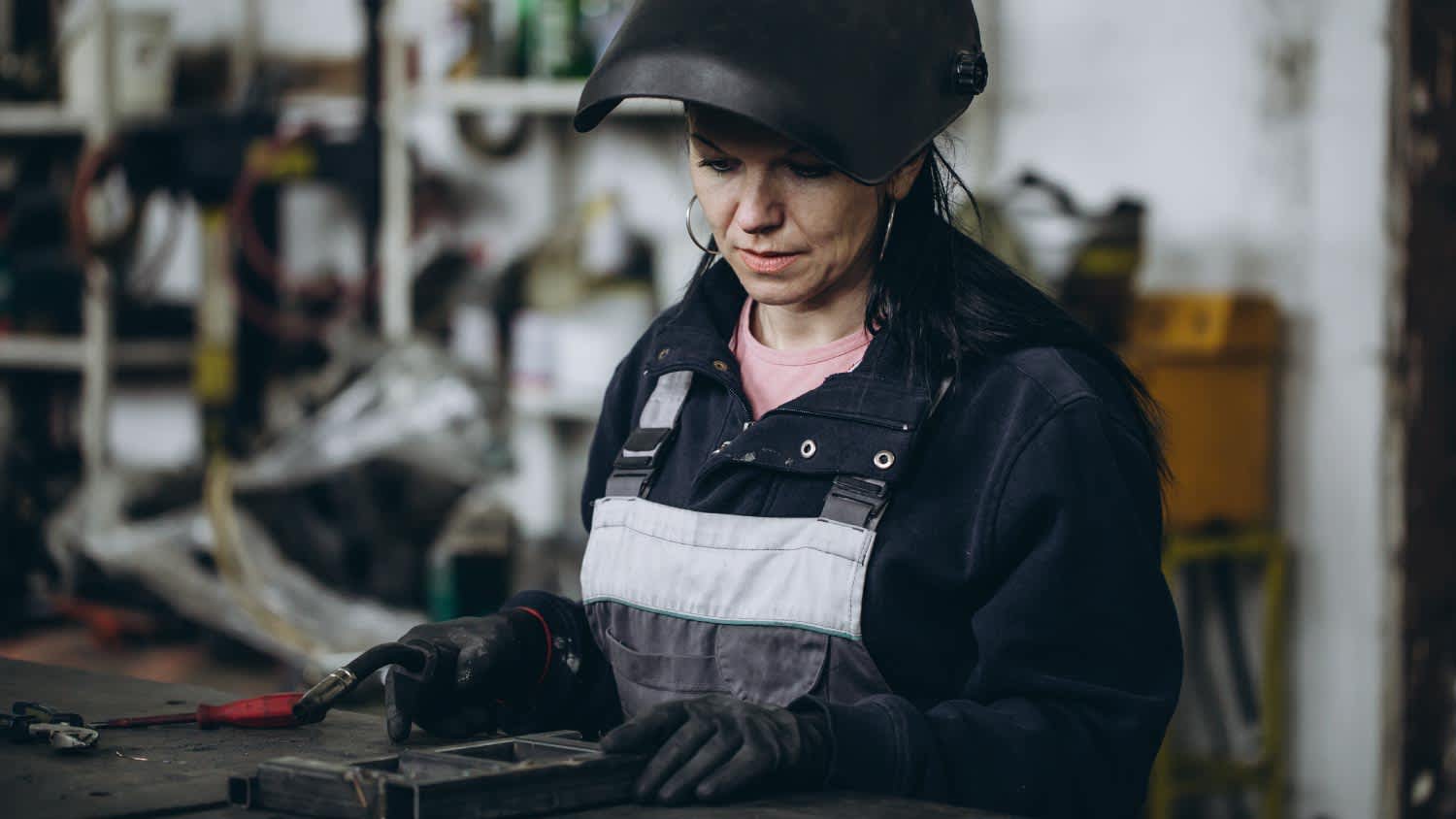
You should not do your own welding unless you have the proper training and experience. Most home electrical systems can only handle MIG welding, which creates weaker bonds than TIG welding and won’t work on certain metals or metal thicknesses. Both welding forms usually require the use of shielding gas, which can be dangerous to store at home. Additionally, welding machines create temperatures of over 3,000 degrees, and the sparks can blind you if you don’t have the proper equipment. As such, it’s usually better to hire a professional welder for your welding projects.
Your typical household tools will not cut a metal pipe. To cut a metal pipe, you’d need more specialized tools like a pipe cutter or circular saw. Do not attempt to use these tools without taking proper safety precautions and wearing safety gear. It’s usually safer to let a pro cut a metal pipe, especially if you’re not confident in your skills with a heavy-duty saw.
To maintain custom or fabricated metal structures and extend their lifespan and appearance, perform regular cleaning, apply rust prevention treatments, and use protective coatings.
There are a few things you can ask welders before you hire them to get an idea of their experience and ability levels:
Are you licensed and certified?
How long have you been in the welding business?
Do you commonly do the type of welding I need?
Do you offer any kind of warranty for your work?
Do you charge by the hour or by the project?
How long do you expect my welding project to take?
What steps do you take to minimize errors in your work?
Cutting rectangular ductwork requires careful measurements and the right technique. Use a measuring tape and pencil to mark the cutting lines accurately. Tin snips are excellent for straight cuts on smaller ducts. For more extensive or thicker rectangular ducts, a reciprocating saw with a metal-cutting blade is effective.
Ensure the duct is well-supported and secure while cutting to prevent wobbling and maintain precision. After cutting, use a metal file to smooth any sharp edges, ensuring safety during installation.
The Cordova, AK homeowners’ guide to welding services
From average costs to expert advice, get all the answers you need to get your job done.
When you need help with a metal project and don’t have the expertise or the time, call an expert welder for your project. Here’s how to vet and hire a welder.